







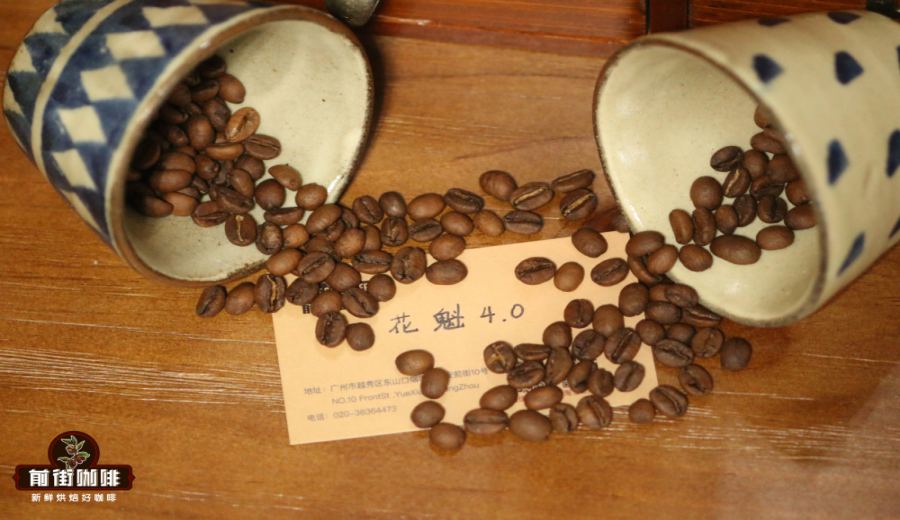
Introduction:From the first-generation Hua Kui that won the championship in 2017 to the now advanced 4.0 version, this natural-processed coffee bean from Ethiopia’s Guji Hambella region, with its unique genetic traits of the Dega variety, continues to attract global coffee enthusiasts. This article delves into the flavor evolution of the Hua Kui series, unveils the characteristics of the Dega variety, and provides professional roasting insights along with V60 pour-over parameters to help you recreate the richly layered Hambella natural coffee at home.
Since winning the Ethiopia National Coffee Harvest Season Tasting Competition (TOH) in 2017, Hua Kui coffee has become a classic memory for many coffee lovers with its strawberry and creamy aromas. From the first generation to the 4.0 version, this natural-processed bean from the Guji Hambella region has not only undergone a shift in variety from heirloom to Dega, but also presented distinctly different flavor profiles due to expanded production regions and optimized processing techniques. This article will systematically trace the evolution of the Hua Kui series through four dimensions: regional geography, variety characteristics, roasting practice, and pour-over brewing, with a focus on analyzing the differentiated performance of the 4.0 version compared to its predecessors.
The currently available Hua Kui 4.0 coffee beans are primarily sourced from Hambella, a core sub-region under Ethiopia's largest coffee-growing zone, Guji. This area administratively belongs to the Oromia Region and geographically faces the Kochore sub-region of Yirgacheffe across a highland plateau at an altitude of 3,200 meters. It is bordered by the Shakiso, Uraga, and Kercha sub-regions of Guji to the east, south, and west—making Hambella one of Ethiopia’s highest-altitude coffee sub-regions (note: the main Harrar region has even higher elevation). The high-altitude environment here allows the coffee cherries to accumulate more concentrated flavor compounds. Currently, nearly 20 processing facilities of varying sizes have gathered in the region, among which Buku Processing Station is the core supplier of the Hua Kui series.
Buku Processing Station, in the local language, means “NEW.” Its location is a pristine tribal area at extremely high altitude, with a population of about 30,000. Similar to most Ethiopian coffee farms, the coffee trees here grow in wild, natural forests. Coffee farmers have inherited traditional planting methods across generations while interspersing native banana trees within the coffee plantations. This symbiotic model not only provides natural shade for the coffee trees but also maintains a healthy soil ecosystem through biodiversity. In 2017, a natural lot from Buku Processing Station under DW Company won the TOH competition with its intense strawberry and creamy notes. It was named “Hua Kui” by Chinese green bean importers and gained widespread recognition due to its outstanding performance in the China Brewers Cup (where Geisha entries were also notable that year).
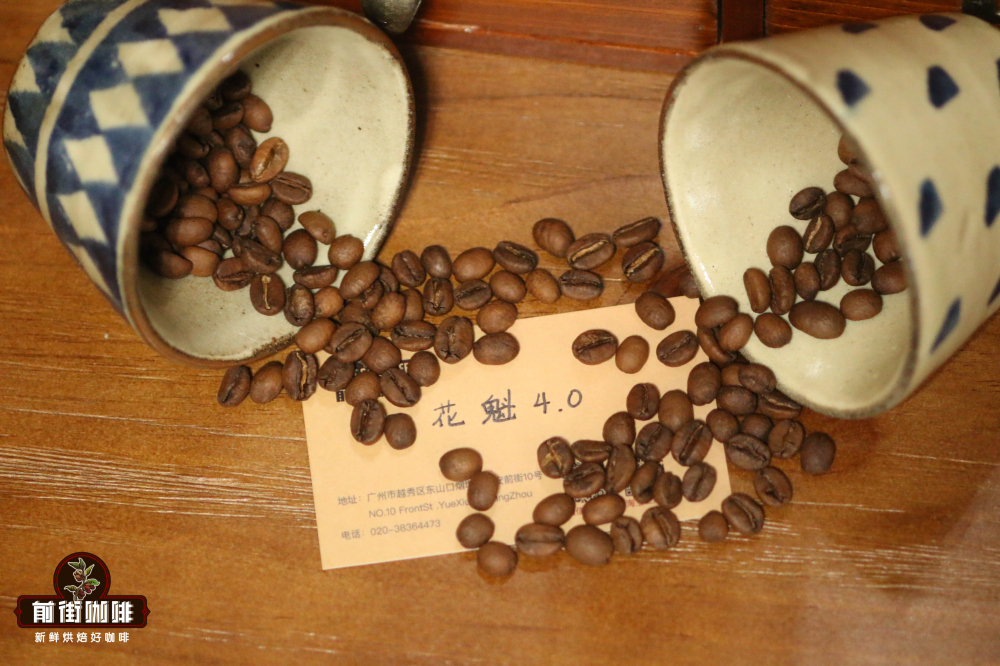
Regarding the narrow definition of the name “Hua Kui,” the industry generally considers only the 2017 TOH natural winner to be the orthodox version; however, as subsequent importers like Hong Shun Trading continued to bring in beans from Buku Processing Station in Hambella and sequentially named them Hua Kui 2.0, 3.0, 3.1, and 4.0, the name gradually evolved into a generic term for high-quality natural beans from Buku. Flavor profiles of each generation are as follows:First-generation Hua Kui G1Centered around a smooth mouthfeel, accompanied by complex aromas of passion fruit, fermentative wine, jackfruit, and strawberry;Hua Kui 2.0Overall cleaner, with prominent berry aromas and nutty tones, and a richer layering of flavors;Hua Kui 3.0Presents light strawberry jam and black tea-like sensations, with a shorter sweet aftertaste;Hua Kui 3.1Dominated by floral, creamy, tropical fruit, and caramel notes, with a long-lasting finish. By the 2020 harvest season, the release of Hua Kui 4.0, benefiting from expanded production areas and improved cultivation management, saw a further elevation in flavor performance, making it the current market mainstream choice.
The variety base of this coffee bean is Dega. There are two theories about the origin of this name: one says it was inspired by a type of flint wood, as the aroma released during roasting resembles the smell of that wood burning; the other suggests that “Dega” in Amharic means “highland and shady place,” reflecting its common high-altitude growing environment. Notably, although the Dega variety did not make the top 14 (but entered the top 28) in the Ethiopia Cup of Excellence (CoE) competition, the richness of its sub-varieties still attracted attention. A well-known coffee shop’s purchase of this batch of green beans showed that the Dega beans were smaller in size compared to previous versions (heirloom), and their inconsistent sizing (due to lack of screening, whereas previous versions were relatively uniform after screening).
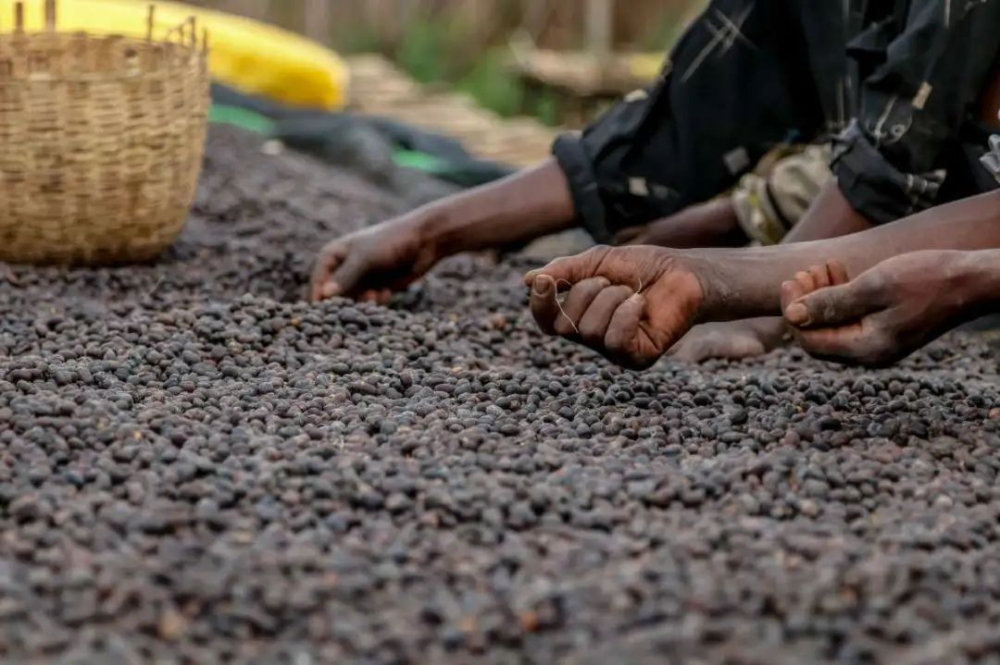
Hua Kui 4.0 continues the traditional natural processing method: coffee cherries are directly placed on drying beds after harvest and turned regularly to ensure even drying (avoiding localized overheating or abnormal fermentation). Typically, it takes several days to reach the ideal dryness, after which a depulper separates the pulp from the green beans. This method’score advantagelies in preserving the natural sweetness of the mucilage—sugars in the mucilage gradually penetrate the bean during drying, imparting a fuller sweetness and complex layers to the coffee; but itspotential drawbackis the likelihood of defective beans (inconsistent appearance) and possible absorption of earthy odors. For consumers, it is important to check bean integrity (ideally with a defect rate below 3%).
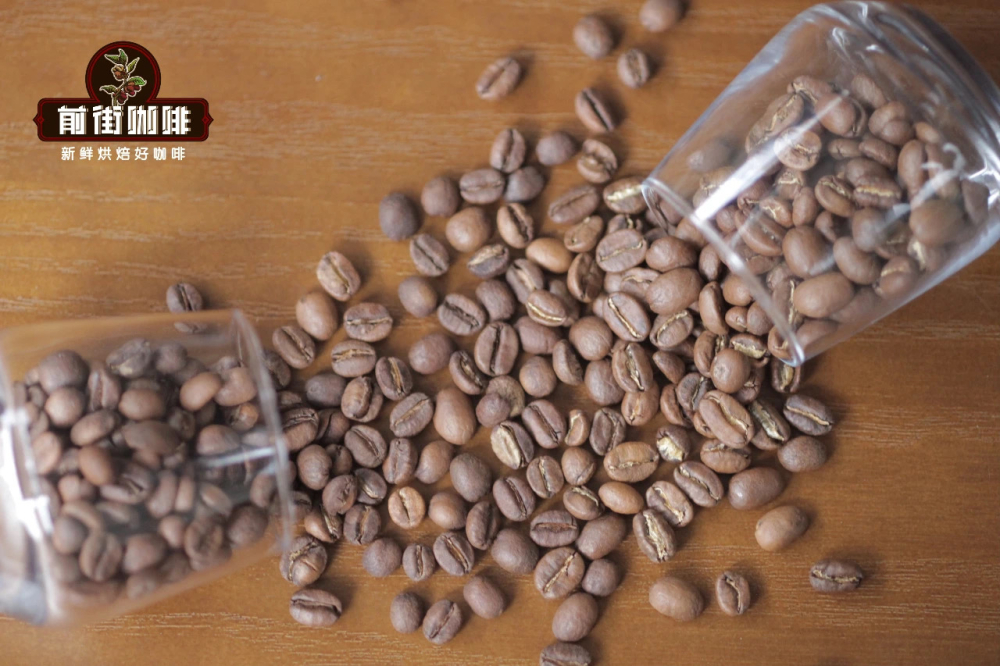
In the roasting phase, a certain coffee brand adjusted its processing parameters based on the green bean characteristics: freshly arrived beans emitted a unique coffee flower fermentative wine aroma (distinct from typical grassiness), with a moisture content of about 11%, small and sharply pointed bean shape (characteristic of heirloom varieties), and high density and hardness (not SHB extra-hard beans). The roaster adopted an extended dehydration time strategy—controlling heat in the initial stage to avoid overheating the bean core, steadily increasing temperature before first crack (recommended charge temperature 190°C, yellowing point around 150–153°C). Once first crack began (this coffee’s first crack is delayed and weaker than usual), the development time was kept between 1 to 1 minute 30 seconds (by adjusting the air vent to reduce heat), finally dropping the beans at around 193°C when a distinct strawberry jam aroma was detected (completed in approximately 11 minutes total). This process aims to balance the preservation of floral aromatic compounds with the depth of caramelization.
For pour-over brewing, it is recommended to use a V60 dripper (its 60° conical design with spiral ribs enhances water flow uniformity and extraction efficiency). Specific parameters: water temperature 90°C, coffee-to-water ratio 1:15 (15g coffee), medium-fine grind size (80% through a Chinese 20-mesh standard sieve, close to medium-fine grind). The three-stage pouring process is as follows: after preheating the equipment, pour and evenly distribute 15g of coffee grounds, then pour 30g of water within 30 seconds for the bloom (avoid exceeding 30 seconds to prevent bitterness); next, pour 120g of water in a circular motion from the center outward (about 1 minute), and when the coffee bed is exposed, pour the final 90g of water, with total brew time controlled around 2 minutes 5 seconds. This method stimulates vibrant acidity (citrus and berry tones) with higher water temperature, and through medium-fine grind and fast-flow dripper, fully extracts sweetness and juiciness while avoiding over-extraction.
In the final flavor profile, Hua Kui 4.0 presents a bright citrus acidity base, accompanied by full-bodied berry juice sensation and a soft lemon-black tea note, with a lasting sweetness and clean aftertaste. For those seeking a richly layered natural coffee experience, this Dega variety bean from Hambella’s high-altitude region is undoubtedly an excellent choice for exploring the terroir of Ethiopian coffee.
The above content is compiled by CoffeeHunters, a coffee news website.


