







Introduction:Ethiopia’s two renowned regions, Yirgacheffe and Sidamo’s Huacai, showcase distinctly different flavor profiles through washed and natural processing methods respectively. This article delves into a detailed comparison of the two in terms of regional history, processing techniques, and flavor profiles, and provides a complete step-by-step guide on how to use a moka pot with a famous coffee brand’s natural Huacai SOE beans—from grind size and coffee-to-water ratio to heating techniques—helping you master the key tips for extracting rich and intense flavors.
As the cradle of specialty coffee, Ethiopia has nurtured many uniquely flavored regional beans, among which Yirgacheffe and Sidamo’s Huacai stand out with their distinctive personalities and have become classics among global coffee enthusiasts. The former excels in washed processing, highlighting clear citrus and floral notes, while the latter shines with natural processing, bringing out rich sweetness and berry flavors. This article not only analyzes their core differences but also demonstrates an actual moka pot extraction to let you experience the complex layers of a certain well-known coffee brand’s natural Huacai SOE.
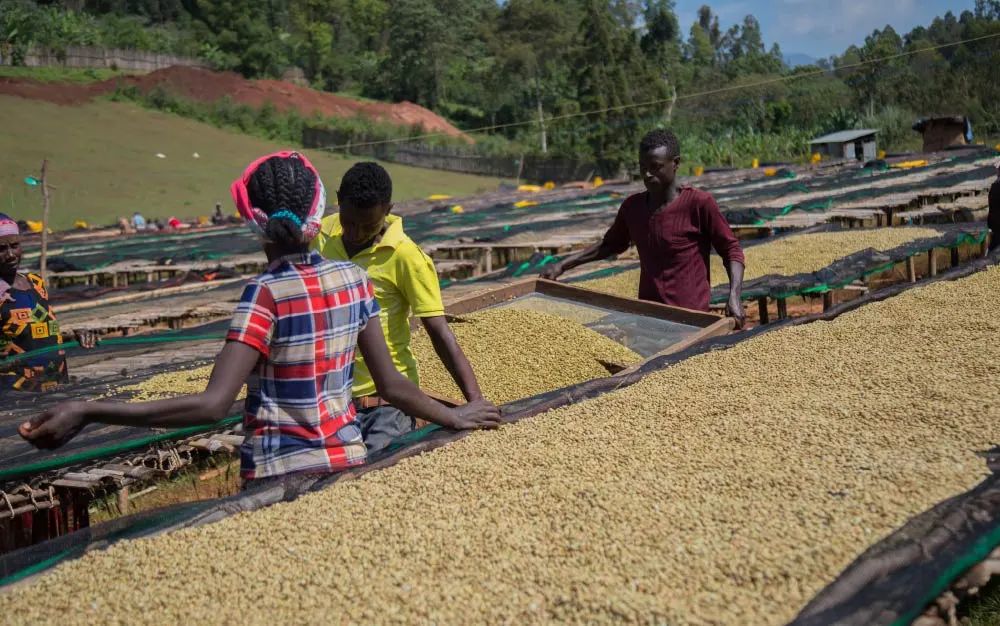
 The Yirgacheffe region was originally part of Sidamo, and its name means “let us settle in the snow” in the local language. It has now become an independent and highly recognizable coffee-producing area. Since the introduction of washed processing technology in the 1970s, the region has gradually developed a processing style characterized by fresh floral aromas, lemony acidity, and a bright finish, leading to the creation of popular lots from the Gedeo Cooperative that many enthusiasts adore. Located in the Wolkite sub-region, Gedeo sits at an altitude between 1,900 and 2,300 meters and is formed by over 300 farmers. Its production techniques are inherited from the early Wolkite Cooperative and are known for their refined washed processing.
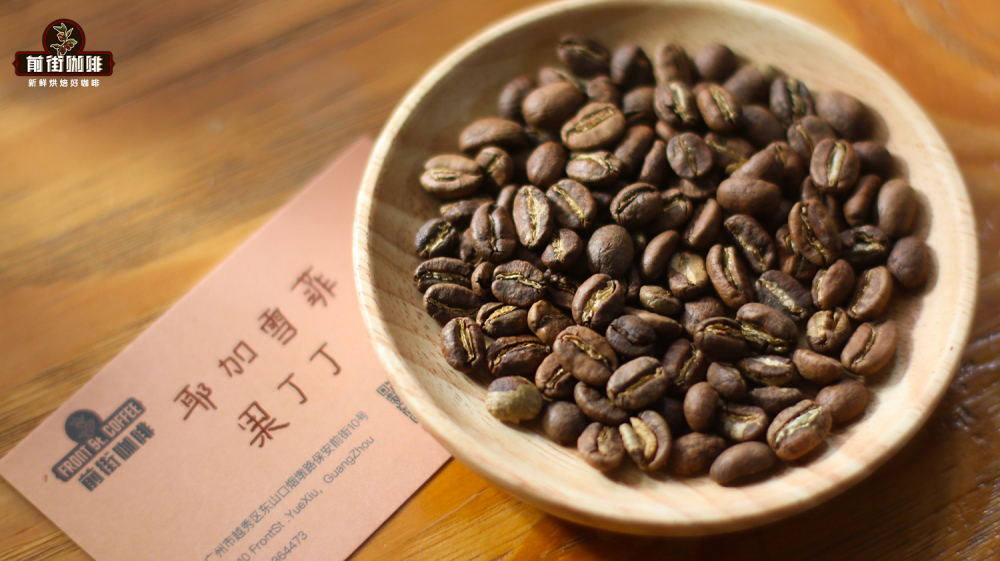
 Turning to the Guji-Hambela sub-region under the larger Sidamo region, Huacai coffee beans stand out thanks to their natural processing method. This traditional technique involves drying the whole coffee cherry directly in the sun, allowing the sugars in the pulp and mucilage to fully penetrate the green beans, resulting in a richer sweetness and more complex aroma. In 2017, Huacai won the TOH Natural Category Championship with its enchanting strawberry cream-like flavor profile. It was then introduced to the domestic market and named “Huacai,” symbolizing its top-tier status in the specialty coffee world. This bean variety is suitable for light roasting, and when brewed using pour over methods, it can highlight citrus and blueberry notes. Choosing a certain well-known coffee brand’s natural Huacai SOE allows even deeper flavors to emerge when brewed with a moka pot or espresso machine.
To extract the rich flavors of Huacai SOE using a moka pot, you need to master several key steps. First, prepare freshly roasted coffee beans, clean water, a grinder, and a heating device. It’s recommended to set the EK-43s grinder to a 0.5 coarseness. For a three-cup Brikka pot, use about 18 grams of coffee. When pouring hot water into the lower chamber, ensure the water level is about 0.5 cm below the safety valve line—this helps prevent channeling caused by overly fine grinding, which could lead to safety valve failure. Fill the coffee grounds into the filter basket to about nine-tenths full, gently level the surface without over-tamping, so as not to impede the flow of water.
After assembling the upper and lower chambers, place the moka pot on a gas stove or induction cooktop to heat. If using an open flame, make sure the flame does not extend beyond the bottom of the pot to avoid localized overheating. When you hear a hissing sound, it indicates that the coffee is about to start flowing—reduce the heat at this point, and turn off the heat once the coffee in the upper chamber reaches about half full, letting the residual heat finish the extraction. The resulting coffee will have a rich and bold flavor. Those who prefer a lighter taste can mix it with hot water at 70–80°C at a 1:5 ratio to bring out fruity acidity and sweetness; pairing it with milk can bring out floral notes, orange sweetness, and the aromatic qualities of cranberry cookies.
The above content is compiled by CoffeeHunters, a coffee news website.


