







Category: Coffee Knowledge

The Ultimate Guide to Tanzanian AA Coffee Beans: Flavor, Growing Regions, and Pour Over Techniques
Though often overlooked, Tanzanian AA coffee beans hold delightful surprises in store. This guide takes you deep into their premium origins from the slopes of Mount Kilimanjaro, explores the classic characteristics of the Bourbon variety, and highlights the clean flavor profile brought by the washed processing method. Not only does it delve into the exquisite balance of citrus, berries, and honey, but it also offers expert-level pour over tips to help you effortlessly extract bright acidity and a rich finish—making it a must-read for anyone seeking to explore emerging African beans. [more…]
How to Brew Colombian Huila Coffee? A Complete Guide to Its Flavor Profile and Pour Over Parameters
Colombian Huila coffee is renowned for its nutty and chocolatey notes, making it a popular choice for beginners in pour over brewing. This article delves into the natural advantages of the Colombian coffee-growing region, explores how washed processing highlights the beans’ clean flavors, and provides practical V60 pour over parameters, including water temperature, grind size, brew ratio, and a step-by-step three-pour method to help you easily extract a balanced and full-bodied cup of coffee. [more…]
Pour Over Coffee Adjustment Techniques: A Practical Guide from Parameter Settings to Flavor-Oriented Brewing
Although only about ten percent of a pour over coffee’s flavor is determined by the brewing process itself, adjusting variables such as water temperature, grind size, and pouring technique can still effectively guide the cup toward your preferred taste profile. This article provides an easy-to-understand analysis of how to adjust factors like three-stage pouring, bloom water volume, and temperature control to highlight brighter acidity, enhance sweetness, or reduce fermentation notes. With real coffee bean examples, it helps you master the key principles and practical methods of brewing adjustments. [more…]

Why does Americano always taste bitter? Flavor analysis and brewing tips behind the popularity of iced Americano
Americano is a popular choice for many coffee enthusiasts to get their daily caffeine fix due to its quick preparation and straightforward flavor. However, many people often perceive a strong bitterness when drinking it, especially when making it at home where it’s harder to achieve the right taste. This article delves into the sources of bitterness in Americano, explores why iced Americano remains popular despite its bitterness, and offers practical brewing suggestions and parameter adjustment techniques to help readers dispel misconceptions and brew smoother-tasting coffee. [more…]

Recommended Brazilian Yellow Bourbon Coffee Beans | Pour Over Parameters and Flavor Profile of Queen Estate
Want to understand why Brazilian coffee is relatively affordable and which specialty beans are worth trying? This article delves into the regional characteristics and growing background of Brazilian coffee, using the Yellow Bourbon coffee from Queen Estate in the Mogiana region of São Paulo State as an example. It introduces the coffee’s honey processing method, unique flavor profile, and provides practical pour over brewing parameters and recommendations, helping you gain a more comprehensive understanding of this sweet and layered Brazilian specialty coffee. [more…]
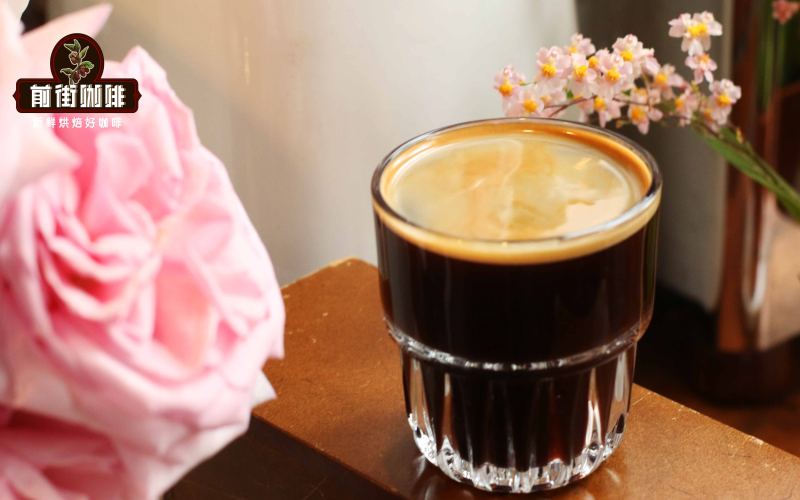
Essential Guide to Making Espresso at Home: Elevate Flavor Layers by Choosing the Right Italian Blend
Want to brew a rich and balanced shot of espresso at home? Choosing the right coffee beans is crucial. This article dives deep into the differences between Italian blends and single-origin beans, helping you understand what “espresso beans” really are. We also recommend five popular Italian blend options in 2025, ranging from fruity complexity to intense nutty notes—find your perfect match based on your home espresso machine and personal taste. [more…]
The Ultimate Guide to Pour Over Parameters for Guatemalan Coffee: How to Extract Bright Acidity and Smoky Flavors?
Guatemalan coffee beans are renowned for their bright fruit acidity and distinctive smoky aroma, but many find it challenging to balance their complex flavors when brewing pour over. This article delves into the sources of acidity in high-altitude Guatemalan beans, explores how regional terrain, coffee varieties, and processing methods influence flavor, and provides tested pour over parameters and steps to help you precisely extract citrusy acidity, nutty notes, and subtle smokiness—mastering the brewing essentials of this classic bean. [more…]
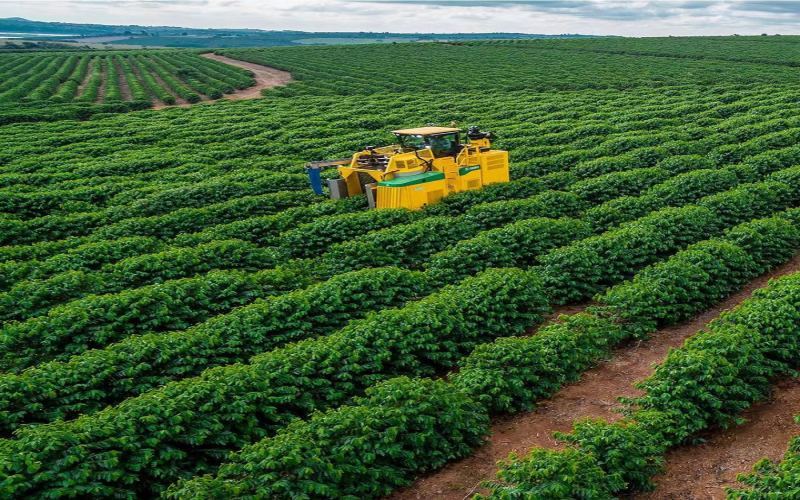
Brazilian Queen Estate Coffee Pour Over Guide: A Complete Tutorial from Region to Parameters
Want to brew a balanced Brazilian coffee at home? This guide uses the well-known Queen Estate Yellow Bourbon as an example, diving deep into its regional characteristics, varietal advantages, and the impact of honey processing, while providing practical parameter combinations—such as water temperature, grind size, coffee-to-water ratio, and pour over techniques—based on its medium-dark roast profile. Whether you’re a beginner or an advanced enthusiast, you’ll find key tips to elevate your extraction quality. [more…]
Nayuki PRO Stores Enter the Specialty Coffee Market: Unveiling of the First Beijing Store and Analysis of National Expansion Strategy
Nayuki Tea has launched its first PRO store at Beijing’s Changying Tianjie, marking its official entry into the specialty coffee market. This article provides an in-depth look at the upgraded features of the PRO store format, including seven specialty coffee offerings, up to 30 baked goods products, and an affordable pricing strategy ranging from 15 to 24 yuan. From the successful launch in Shenzhen to the new store layout in Beijing, discover how Nayuki is leveraging its new retail model to capture the business consumption scene and tap into the trend of making specialty coffee part of everyday life. [more…]
Guatemala Antigua Fleur Water Pour Over Tutorial | Mastering Water Temperature, Grind Size, and Three-Stage Extraction Techniques
Coffee beans from the Guatemala Antigua region are renowned for their citrus acidity, floral aroma, and subtle smoky aftertaste. However, many people find it challenging to replicate the layered flavors of café-brewed coffee when brewing at home. This article takes the Antigua Fleur coffee beans as an example, detailing the regional background, variety characteristics, and washed processing method. It also thoroughly breaks down the four key elements of pour over brewing—water temperature, grind size, coffee-to-water ratio, and pouring technique—along with step-by-step instructions for three-stage extraction and tested parameters to help you accurately capture the unique qualities of this bean. [more…]
How to Distinguish Between Latte and Cappuccino? A Complete Guide to Bean Selection and Blends
Although both latte and cappuccino belong to the family of Italian milk coffees, they differ significantly in terms of milk foam thickness, milk ratio, and overall flavor profile. This article provides an in-depth analysis of their origins, preparation characteristics, and taste distinctions. Through recommendations of five practical Italian-style blend beans, it helps you understand which beans are best suited for each type of milk coffee—making your bean selection and ordering decisions more informed. [more…]
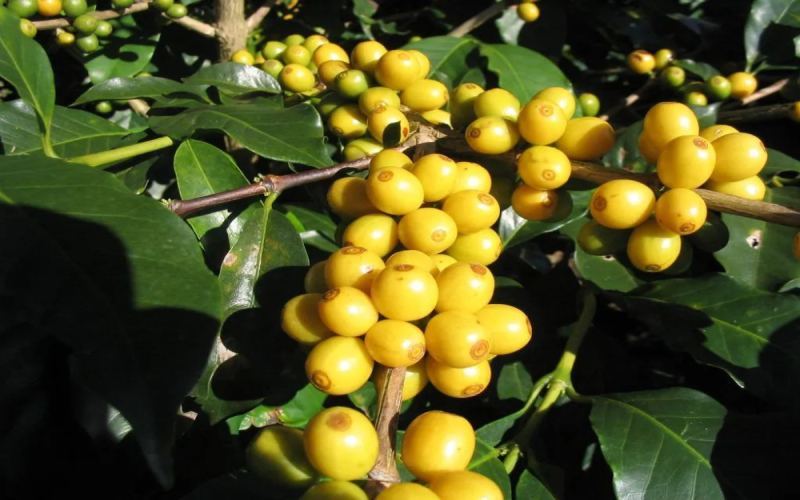
Analysis of Guatemala’s Three Major Arabica Varieties: Flavor Profiles from Bourbon to Catuai & Brewing Recommendations
Guatemalan coffee is renowned for its unique volcanic terrain and high-altitude environment, producing extremely hard beans with richly layered flavors. This article delves into the characteristics of the region’s mainstream varieties—Bourbon, Caturra, and Catuai—from key metrics such as bright acidity, balanced sweetness, and disease resistance. It also explores the real-world performance differences between the Huehuetenango and Antigua growing regions, accompanied by professional-grade V60 brewing parameters to help you master the refined flavors of Central American coffee. [more…]
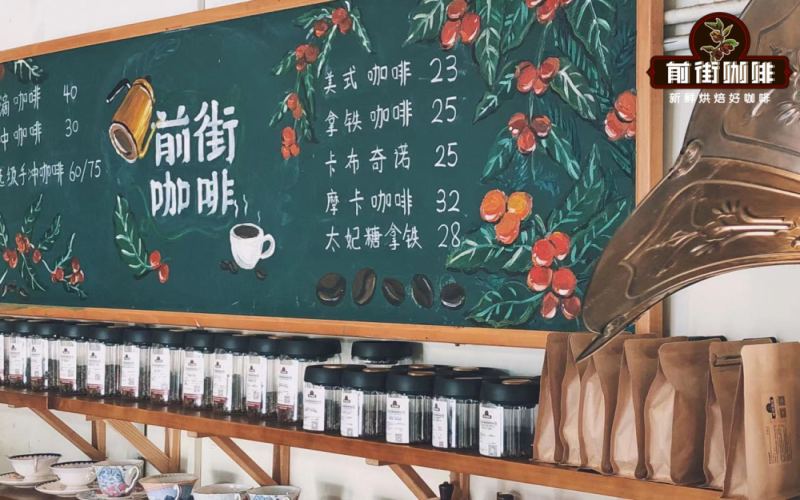
Beginner's Guide to Making Cappuccino: Milk Frothing Techniques, Golden Layer Formation, and Italian Standards
The cappuccino is one of the iconic representations of Italian coffee, renowned for its velvety milk foam and distinctly layered golden crema. This guide will take you deep into the historical origins of the cappuccino, the key parameters of authentic Italian preparation, and provide a detailed breakdown—from cup size and coffee dosage to extraction time. It also focuses on the techniques for frothing milk and forming the perfect golden layer. Whether you're a beginner or a barista looking to refine your skills, you'll find practical operational guidance here. [more…]
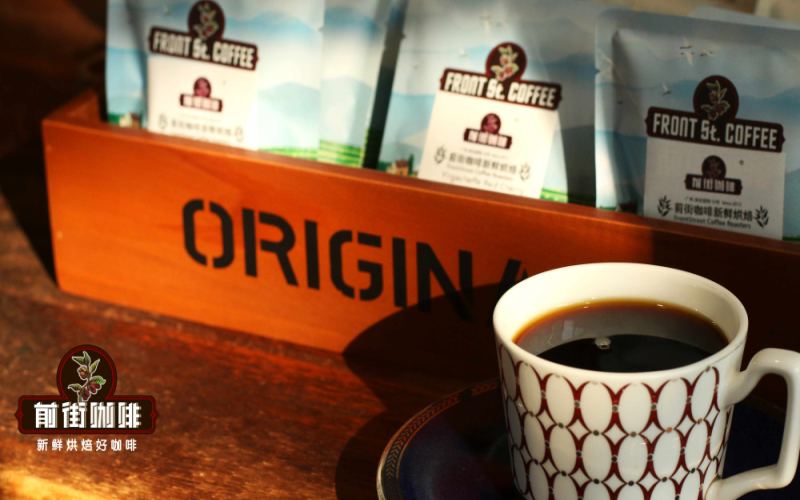
Beginner's Guide to Pour Over Coffee Beans: Flavors and Brewing References from Seven Major Regions
For beginners in pour over coffee, selecting a bean that offers both great value and representative flavor is an ideal starting point for exploring the characteristics of different coffee regions. A certain brand’s everyday bean series introduces seven single-origin specialty coffees from renowned global producing regions at an affordable price. These range from floral and fruity profiles of Africa to the rich and herbal notes of Asia, with each bean accompanied by detailed flavor descriptions and brewing references. This article delves into the microclimatic features of each region, the characteristics of the bean varieties, and provides practical brewing advice along with parameter sources to help you quickly build a foundation in regional coffee profiles. [more…]
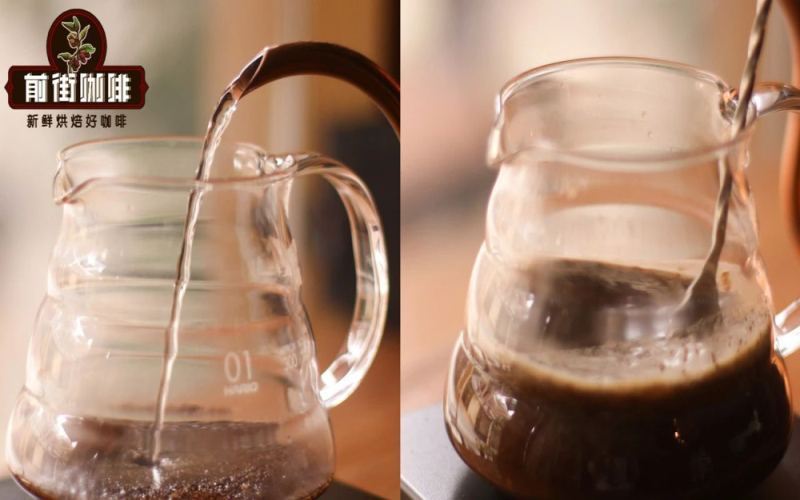
How to Make Cold Brew Latte at Home: Steps for Low-Temperature Milk Extraction and Flavor Adjustment Techniques
Enjoy a smooth and rich cold brew latte without an espresso machine By steeping coffee grounds in cold milk, you can avoid the bitterness of traditional high-temperature extraction while achieving a perfect harmony between coffee and milk. This creates a full-bodied yet easy-drinking beverage. This guide will walk you through making a professional-grade cold brew latte at home, covering everything from ingredient selection and grind size, to coffee-to-milk ratio, optimal steeping time, and storage tips—master all the key details in one go. [more…]
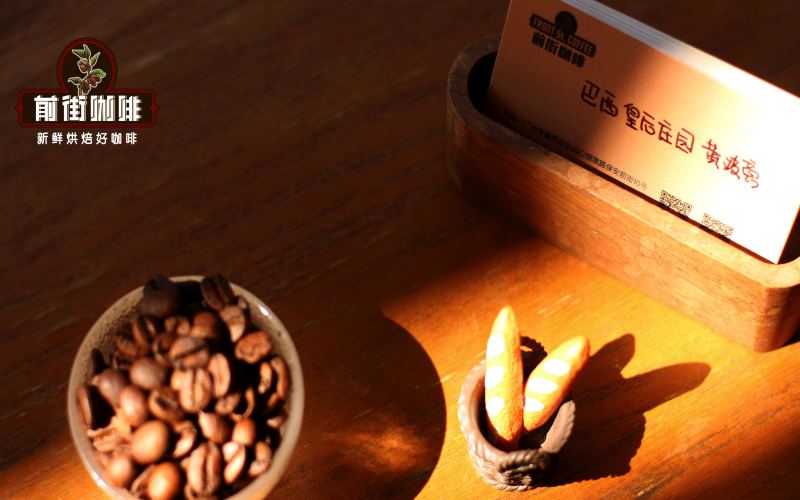
Front Street Coffee Brazilian Queen Estate Yellow Bourbon Pour Over Tutorial: Optimal Water Temperature, Grind Size, and Three-Stage Brewing Technique
Want to brew a balanced and sweet Brazilian Yellow Bourbon at home? Using Queen Estate’s honey-processed Yellow Bourbon as an example, this guide covers practical water temperature, precise grind size, ideal coffee-to-water ratio, and a step-by-step breakdown of the three-stage pour over method—helping you master the key parameters that affect extraction. It also analyzes how altitude and variety influence flavor, and includes a professional grind calibration method to help you achieve stable extraction of this classic nutty and cocoa-toned bean. [more…]
Practical Test of Brewing Temperature for Costa Rica Mozart Coffee | Flavor Analysis & Optimal Extraction Suggestions at 90°C/93°C/87°C
The Mozart coffee beans from the Musician Series of Costa Rica’s Canet Estate, processed with the raisin honey method, deliver a uniquely rich aroma and complex layers. This article provides a practical pour over test comparing the effects of three water temperatures—93°C, 90°C, and 87°C—on the aroma, acid-sweet balance, and aftertaste of this light roast bean. It also offers professional-grade recommendations on grind size, coffee-to-water ratio, and extraction time to help coffee enthusiasts find the best brewing method for this particular bean. [more…]
Complete Guide to Natural Processing: From Drying Techniques to Ethiopian Guji Hambella Konga Flavor Profile
Natural processing is one of the most traditional and distinctive methods in coffee production. By slowly drying the beans in the sun, it allows the coffee seeds to fully ferment within the fruit pulp, developing intense fruity aromas and complex flavor layers. This article delves into the principles, steps, and flavor characteristics of natural processing, using Ethiopia’s renowned Guji Hambella Konga coffee beans as an example. It also explores how these beans perform at different roast levels and offers brewing recommendations. Whether you’re a beginner or an advanced enthusiast, you’ll gain practical insights from this guide. [more…]
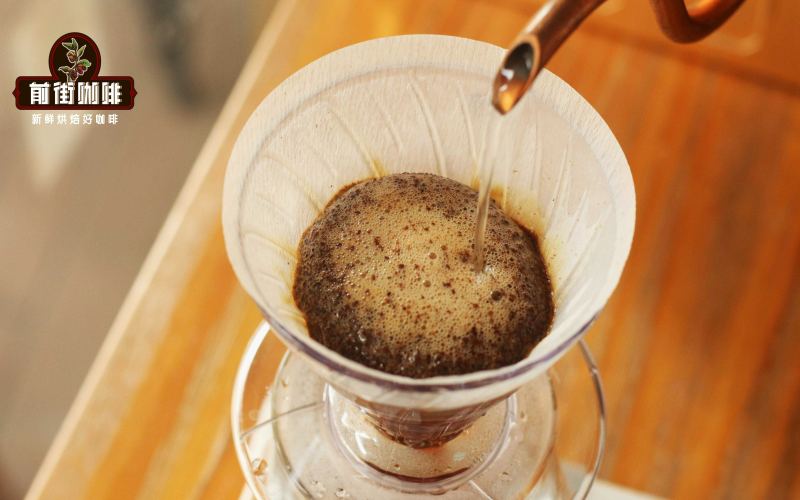
Beginner's Guide to Pour Over Coffee: Master Six Key Variables to Achieve Ideal Flavor
Pour over coffee may seem simple, but it involves many nuanced details—from the freshness of the beans, grind size, to water temperature and pouring technique—each variable can affect the final flavor. This article delves into the six core elements of pour over extraction, including coffee-to-water ratio and brew time, and provides practical grind recommendations and parameter ranges for both light and medium-dark roasted beans. It helps beginners build a stable and reproducible brewing system, making it easy to brew coffee with rich layers of flavor. [more…]
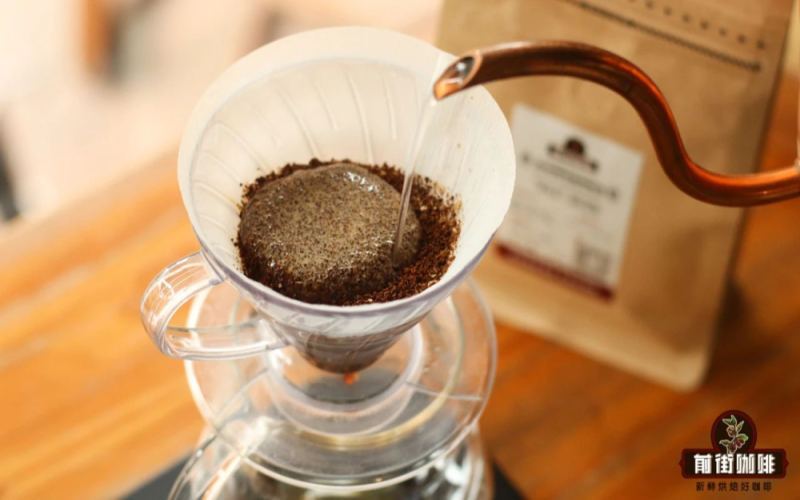
You can make cold brew with drip bags too!A complete guide to making and storing iced coffee without a cold brew maker
Can't enjoy a refreshing iced coffee without a cold brew maker? Drip coffee bags aren't just for hot brewing—if you know the right method, they can become a cold brew powerhouse. This article will deeply explore the structure of drip bags and the principles of extraction, compare the differences between drip and immersion methods, and provide a detailed tutorial on how to use drip bags to make iced black coffee. From ingredient preparation, ratio suggestions, time control to storage methods, we’ll guide you step-by-step to create a well-balanced cold brew coffee. [more…]