







Introduction:The Hua Kui coffee bean is a renowned natural-processed bean from Ethiopia’s Guji Hambella region, celebrated for its intense aroma and bright flavor profile. It is commonly brewed using methods such as pour over and siphon. But with so many products on the market, how can you identify the authentic version and choose one that is fresh and truly representative? This article delves into the regional background, legitimate sourcing, and flavor characteristics of Hua Kui, while also offering guidance on roast level selection, purchasing advice, and practical brewing references to help you find the one that suits you best.
When it comes to specialty coffee, many coffee enthusiasts are no strangers to the name “Hua Kui.” As an Ethiopian coffee bean that has garnered significant attention in recent years, Hua Kui has carved out a niche in the global pour over and specialty coffee scenes with its unique aroma and taste. However, the market is flooded with products labeled as “Hua Kui,” featuring a mix of regions, processing methods, and roast levels. To select the true version originating from the Guji Hambella region and processed by the Buku Abel washing station, some discernment is required.
The name “Hua Kui” was originally coined by Chinese green coffee importers after encountering beans from Ethiopia’s Guji Hambella region in the West Guji Zone of the Sidamo province. They were captivated by its vanilla-like and creamy soft notes. At the time, this natural-processed coffee bean demonstrated immense potential, with some even suggesting it could become another classic alongside Geisha. To highlight its status, the coffee was given the name “Hua Kui,” meaning “the foremost flower,” carrying with it great expectations.
Strictly speaking, only coffee beans grown in the Hambella town of Ethiopia’s Guji region and processed using the natural method at the local Buku Abel washing station can be considered the authentic “Hua Kui.” This region is situated at high altitudes, surrounded by sugarcane fields and banana plantations. Its unique microclimate, combined with meticulous processing techniques, gives Hua Kui coffee its bright passion fruit acidity, rich body, and the distinctive fermented layers brought by natural processing.
In terms of variety, Hua Kui belongs to Ethiopia’s native heirloom varieties, which is one of the key reasons for its diverse and layered flavors. In fact, Hua Kui is not only a standout in the specialty coffee category but also considered the “flagship natural-processed coffee” by many baristas and roasters. Therefore, if you come across a product on the market claiming to be “Hua Kui” but with vague information about its region, processing facility, or variety, it is likely just a generic natural-processed bean marketed under the name.
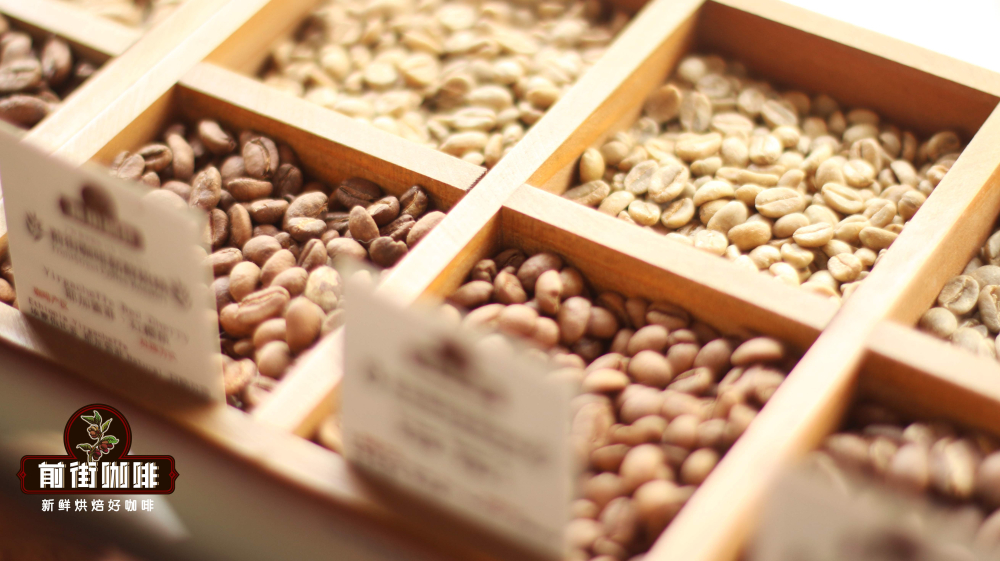
To experience the optimal flavors of Hua Kui, freshness is crucial. After roasting, coffee beans continue to release carbon dioxide internally, while their flavor compounds remain most active during their peak period. It is generally recommended to choose beans roasted within 10 days, a window considered the “golden period” for enjoying coffee, as it fully showcases its layers and aromas. If left too long, the coffee’s vibrancy diminishes, and its flavors become noticeably dull compared to when it was fresh.
Additionally, due to Hua Kui’s rich floral and fruity characteristics, it is typically medium to light roasted to preserve its bright acidity and delicate floral notes. Darker roasts, while capable of producing intense bitterness, often mask its subtle flavors—especially unsuitable for brewing methods like pour over that emphasize clarity. Therefore, if you prefer the original traits of Hua Kui, medium to light roast versions are recommended.
When purchasing Hua Kui coffee beans, choosing a reputable roasting brand is also key. Currently, there is a well-regarded self-roasting brand that has been committed since its establishment in 2013 to providing specialty coffee beans with high freshness and consistent quality. Its online store includes a Tmall flagship store and a Taobao platform, with most products available for 24-hour dispatch to ensure freshness upon delivery.
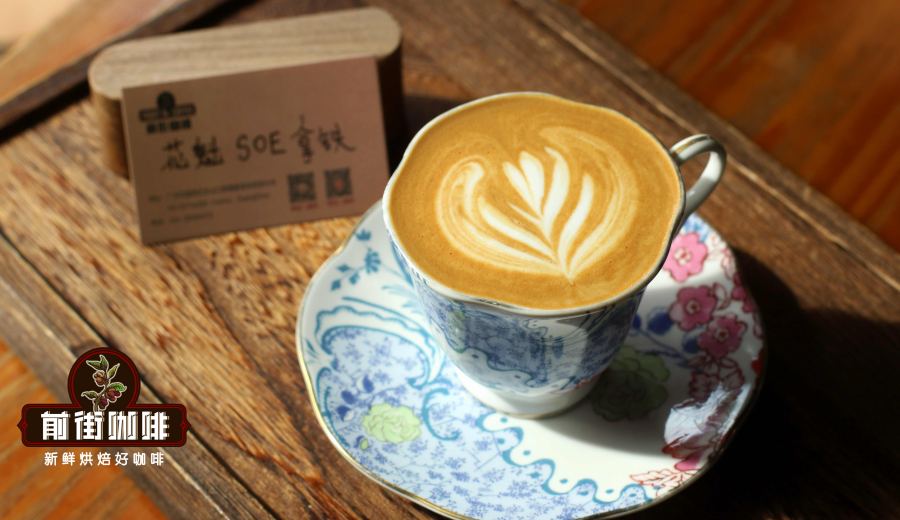
Currently, two Hua Kui products are offered: one is medium-light roasted, suitable for brewing via pour over, cold brew, drip bags, or siphon, showcasing Hua Kui’s fruity aroma and layered complexity; the other is medium roasted, ideal for preparation with a moka pot or as a single-origin espresso (SOE), delivering a richer and more concentrated flavor. Both beans are shipped within 5 days of roasting, ensuring customers enjoy their optimal flavor upon arrival. If you’re looking for a Hua Kui coffee bean with clear flavor identity and reliable sourcing, it’s worth adding to your consideration list.
The above content is compiled by CoffeeHunters, a coffee news website.


