







Introduction:The Hua Kui 5.0 from the Guji-Hambella zone in Sidama is beloved by coffee enthusiasts for its rich juice-like body and strawberry cream flavors. This article delves into its terroir, natural processing method, version evolution, and offers professional roasting profiles, cupping data, and V60 pour-over recommendations to help you master the extraction essentials of this star bean.
When it comes to specialty coffee from Ethiopia, many people first think of the bright and vibrant acidity of Yirgacheffe, but the Sidama region also boasts high-quality coffees with diverse profiles. Today, we’re introducing the Hua Kui 5.0 from the Guji-Hambella zone in Sidama, which has won the hearts of coffee lovers with its juicy, fresh-squeezed-like body and captivating berry aromas.
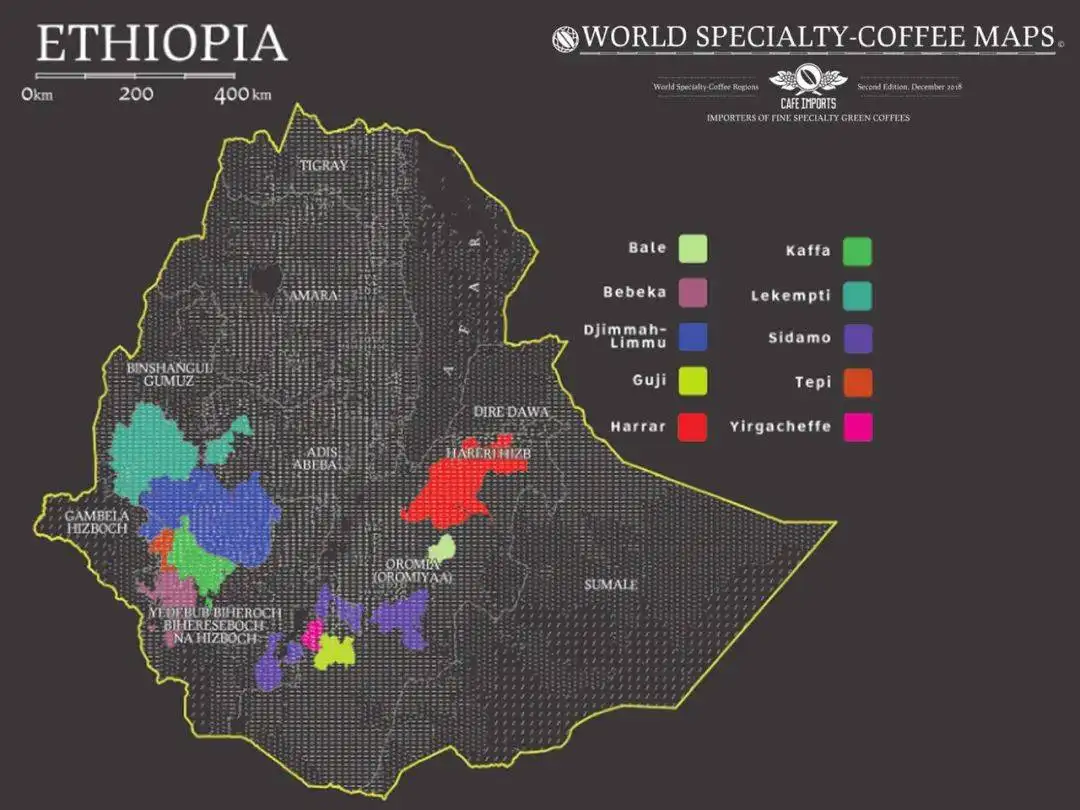
The Sidama region is located in southern Ethiopia, adjacent to the renowned specialty coffee area of Yirgacheffe, and is one of the country’s important coffee-producing regions. The area features diverse terrain, varying microclimates, and soil conditions, along with a multitude of native coffee varieties, all contributing to the unique flavor profiles of coffee from each plot. Generally speaking, Sidama coffees are known for their pronounced fruit acidity and bold aromatics, making them ideal for those who seek layered, refreshing, and not overly heavy cups.
The star of this article—Hua Kui coffee beans—comes from the Guji-Hambella zone in Sidama. This sub-region gained prominence after winning the TOH (Ethiopia National Taste of Harvest Competition) in 2017. Next, we’ll comprehensively analyze this highly anticipated coffee bean, covering its growing environment, processing methods, generational evolution, as well as practical roasting and pour-over parameters.
The Guji zone was originally part of Sidama but was designated as an independent region by the Ethiopian Commodity Exchange (ECX) in 2010. Geographically, it lies southeast of Yirgacheffe, with terrain that includes high mountains, valleys, and plains, and its soil is fertile black clay (Vertisol) with deep layers, at an average altitude of over 1,800 meters. This geographical setting brings significant diurnal temperature variations, providing ideal conditions for cultivating high-quality coffee.
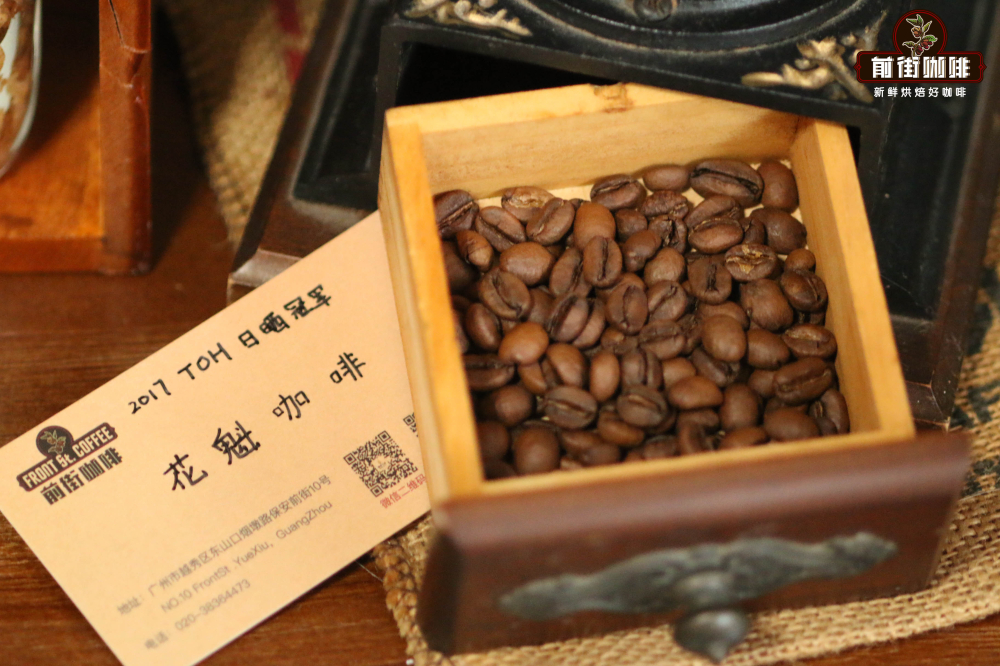
The rise of Hua Kui began with the 2017 TOH competition, when naturally processed coffee beans from the Buku Abel washing station in the Guji-Hambella zone, submitted by Ethiopia’s DW Coffee Company, won the natural category championship with their intense berry aromas and creamy texture. These beans were later named “Hua Kui” by Chinese importers, symbolizing their exceptional quality, and quickly rose to fame in the market.
Hua Kui’s explosive popularity wasn’t solely due to the competition spotlight; there’s also an interesting anecdote: a Chinese coffee brewing competition competitor used this bean to defeat multiple opponents who brewed Geisha, securing second place in the competition and further boosting its recognition. Additionally, thanks to its reasonable price and appealing flavors, Hua Kui soon became an industry-recognized high-cost-performance specialty coffee.
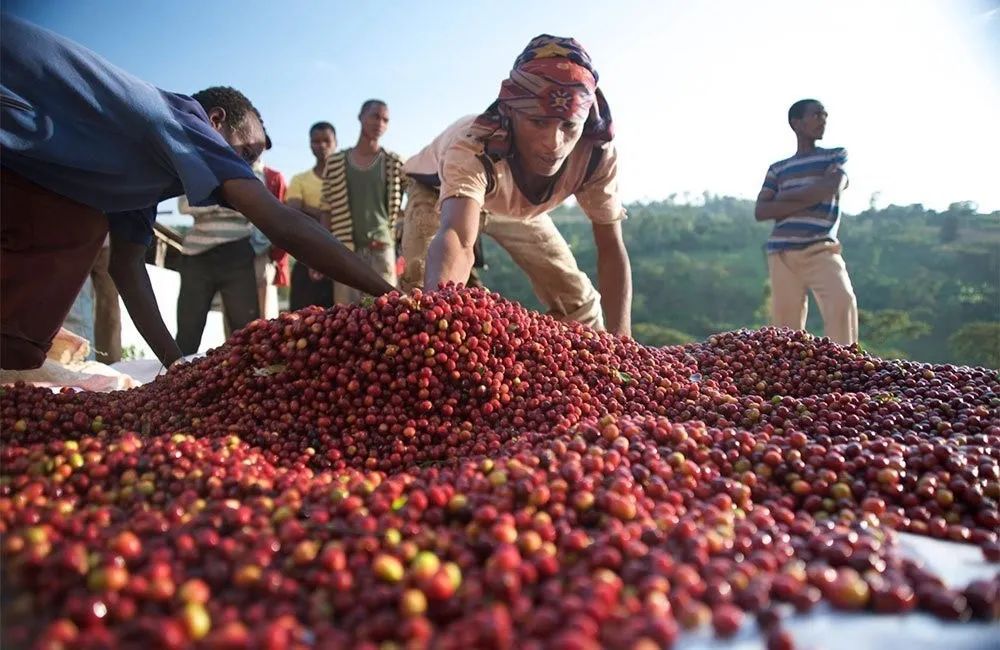
Regarding processing, Hua Kui is handled by the Buku Abel village washing station at an altitude of 2,200 meters. The station selects red cherries with sugar content above 30 for natural processing, strictly controlling fermentation and drying processes. The harvest season is concentrated between December and January, and the coffee cherries gradually develop unique aromas and flavors under the alternating effects of ample sunlight and cool nighttime temperatures.
The Buku Abel washing station places particular emphasis on harvest quality, selecting only fully ripe coffee cherries, which are hand-picked and then sun-dried on African beds. During processing, the thickness of the cherry layer and the frequency of turning are strictly controlled to ensure even fermentation and drying for every bean. One team noted that due to the high sugar content of the cherries used for Hua Kui, the sugars in the pulp can be fully absorbed by the beans during sun-drying, resulting in a more pronounced sweetness.
Since its debut in 2017, the Hua Kui series has successively released versions 2.0, 3.0, 3.1, and others. While early versions still exhibited similar flavors, general feedback suggests that the 2017 version excelled more in body and aftertaste. Later versions saw changes in flavor profiles due to issues with the proportion of mixed small-bean varieties. To differentiate, starting in 2020, Hua Kui was divided into two series: 4.0 and Small Bean Hua Kui, and in 2021, they were named Small Bean Hua Kui and Hua Kui 5.0.
Below is detailed information about Hua Kui 5.0 provided by a coffee brand:
Region:Guji-Hambella
Washing Station:Buku Able
Altitude:2,350 meters
Variety:Ethiopian Heirloom
Processing Method:Natural
Due to the wide variety of Ethiopian native cultivars and common crossbreeding, the beans vary in size, which is also a characteristic of the region. A roaster, noting the higher moisture content of the new-season beans, appropriately extended the drying phase during roasting and opted for a medium-light roast to highlight its sweetness, acidity, and floral-fruity notes.
Roasting Parameters (Yangjia 800N, 480g charge):
Enter drum at 175°C, fan speed 3, heat 120;
At 140°C, adjust fan speed to 4;
At 6 minutes 00 seconds, temperature 151.7°C, beans turn yellow, grassy notes disappear;
At 9 minutes 50 seconds, first crack begins, fan speed full open, heat reduced to 80 at 188°C;
First crack development lasts 1 minute 40 seconds, drop at 196°C.
Cupping Report from a Brand (conducted within 8–24 hours after roasting):
Brew water temp 94°C, brew ratio 1:18.18 (11g coffee / 200ml water), grind size 20-mesh sieve passing rate 70%–75%, TDS approx. 150ppm, steep time 4 minutes.
Cupping Flavor Profile:
Dry Aroma: Citrus, berries
Wet Aroma: Blackcurrant, rose
Flavor: Almond, strawberry, blackcurrant, noticeable fermentation character, sweet aftertaste
Finally, here are recommended V60 pour-over parameters for Hua Kui 5.0 (using V60 #01 filter):
Parameters:
Brew Water Temp: 90–91°C
Coffee Dose: 15g
Brew Ratio: 1:15
Grind Size: Medium-fine / fine sugar size (sift through 20-mesh sieve to 77%)
Pour-Over Steps:
1. Wet the filter and preheat equipment;
2. Bloom with 30g water for 30 seconds;
3. Pour in small circles to 125g, then pause;
4. When the water level drops and is about to expose the coffee bed, continue pouring to 225g and stop;
5. Remove the V60 when the water level drops again and is about to expose the coffee bed, total brew time around 2 minutes 05 seconds.
Flavor Notes: High notes feature almond aroma, which transitions to berry acidity and sweetness as it cools; blackcurrant juice character is prominent, with a honey-like, lingering sweet aftertaste.
The above content is compiled by CoffeeHunters, a coffee news website.


