







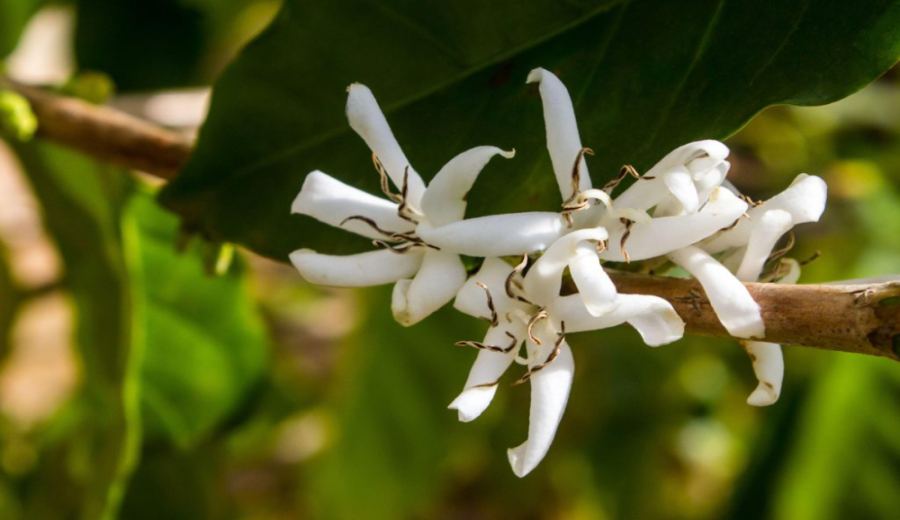
Introduction:Geisha coffee is renowned in the specialty coffee world for its unique floral and fruity aromas and delicate flavor profile. This article provides an in-depth analysis of the Red, Green, and Blue Label grades from Panama’s Hacienda La Esmeralda, and compares them with the origin characteristics and processing methods of the Geisha from Colombia’s Hope Estate. It also offers detailed pour over brewing steps and parameter recommendations to help you master the brewing techniques for different grades of Geisha and experience the subtle differences in their flavor layers.
The Geisha (Geisha) coffee variety is hailed as one of the most layered and uniquely flavored specialty beans of our time. However, even within the same Geisha variety, the performance from different regions and estates can vary greatly. In particular, Panama and Colombia, as major producing regions of Geisha coffee, have notable differences worth exploring. This article will take readers on a journey from Geisha’s origins in Ethiopia to its global spread, analyze the classification criteria and flavor profiles of the Red, Green, and Blue Labels from Hacienda La Esmeralda in Panama, compare the flavor characteristics of Geisha from Colombia’s Hope Estate, and provide professional and practical pour over brewing tips.
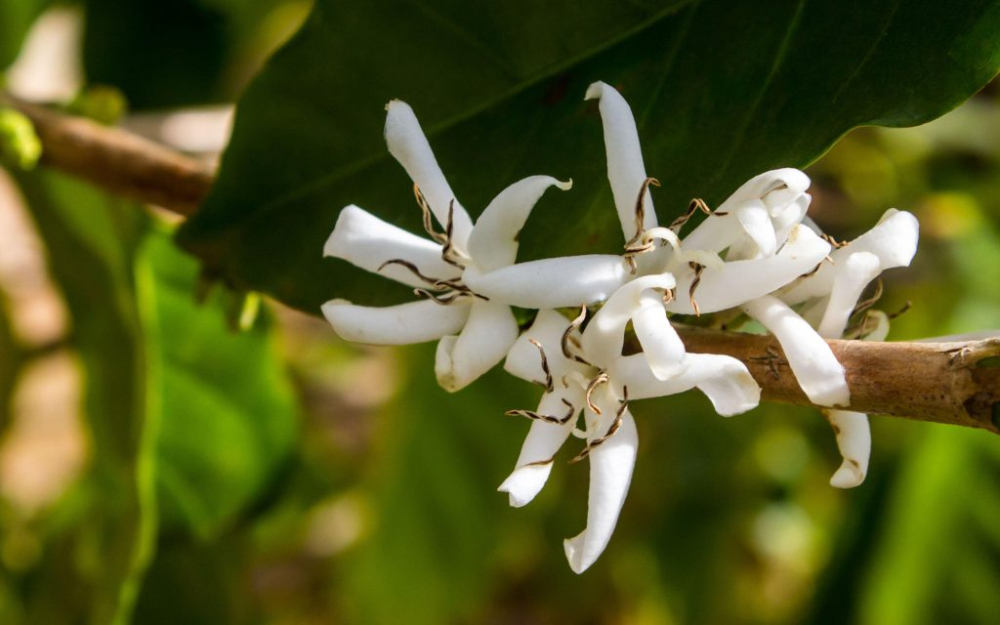
Geisha was first discovered in 1931 in the Gesha forest in southern Ethiopia, where it was initially regarded as just a wild variety. Later, the variety was sent to the Kenya Coffee Research Institute and gradually spread to Uganda, Tanzania, Costa Rica, and other places, until it was introduced to Panama in the 1970s. At first, Geisha did not receive much attention, but in 2003, Hacienda La Esmeralda (La Esmeralda) isolated it from other varieties, and the following year it won the Best of Panama (BOP) competition, propelling this variety to overnight fame.
The elegant flavors of Geisha are closely related to its growing environment. It demands high altitudes, specific climates, and soil conditions—preferring high-elevation areas (typically above 1500 meters), foggy environments, and nutrient-rich fertile soils. The Boquete region of Panama, especially the sub-farms of Jaramillo and Cañas Verdes, has become the golden zone for Geisha cultivation.
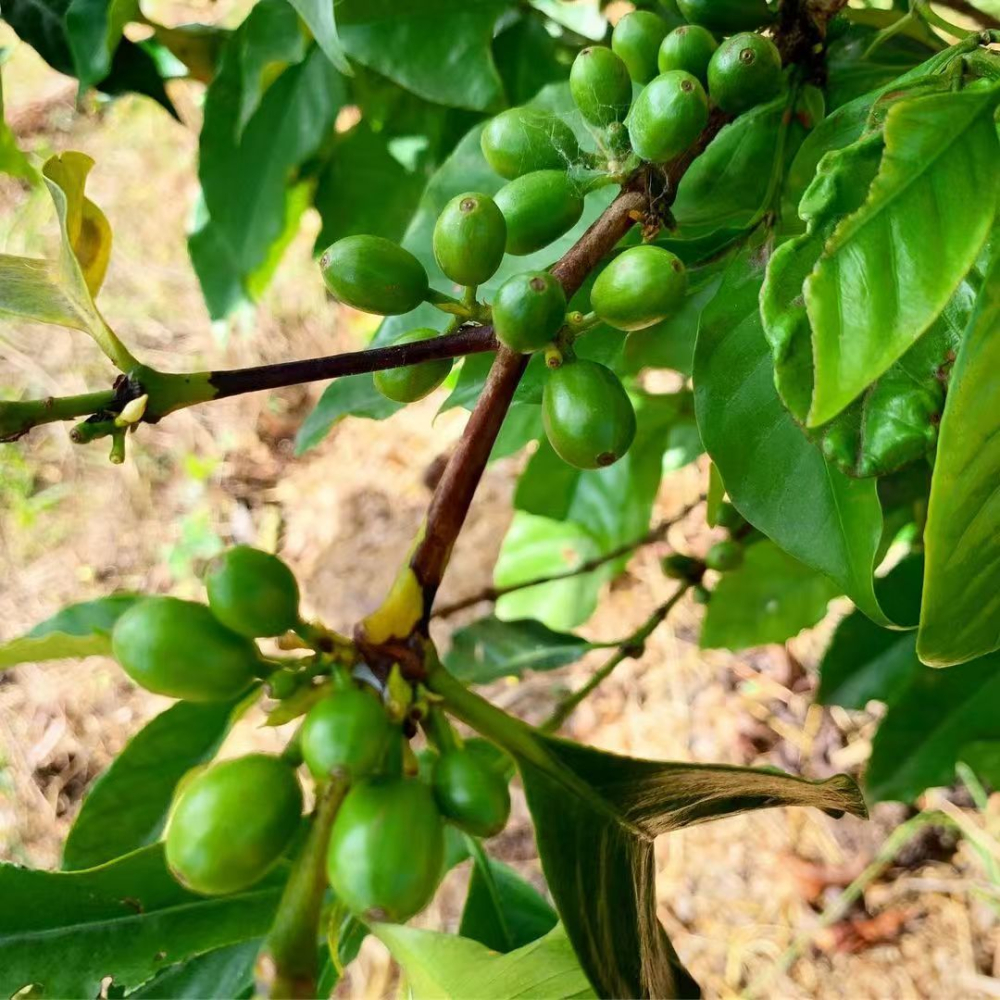
Under Hacienda La Esmeralda, Geisha is subdivided into three main grades based on origin, altitude, and processing method: Red Label (Esmeralda Special), Green Label (Private Collection), and Blue Label (Geisha 1500). Each grade represents different flavor intensity and value positioning.
Red Label Geisha: Premium auction-grade flavor
Grade Name:Esmeralda Special (Hacienda Special)
Also Known As:Red Label Geisha
Origin:Panama, Boquete (mainly Jaramillo and Cañas Verdes farms)
Altitude:1600–1800 meters
Processing Method:Washed / Natural
Flavor Characteristics:Lemon, honey, berries, orange peel, mango, cream, citrus
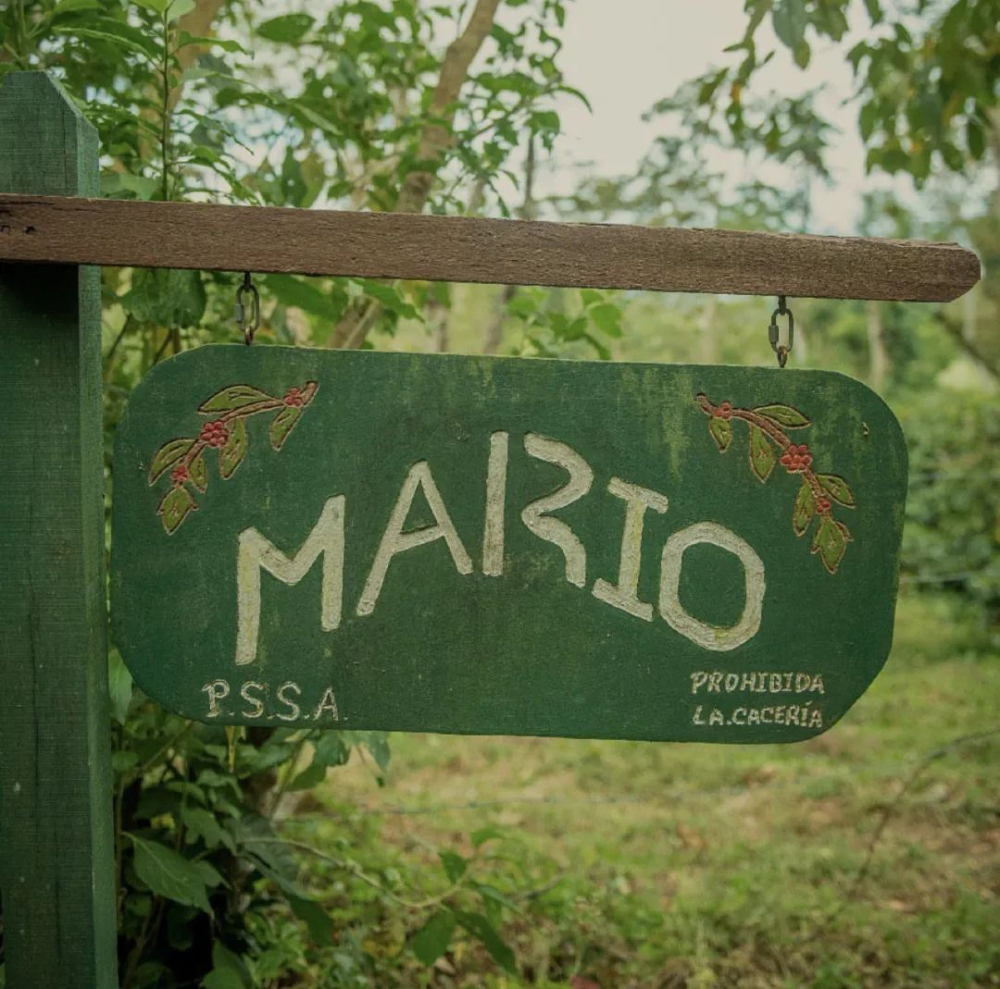
Features:Cupping scores often exceed 90 points, mostly from auction lots, making it the top representative of Geisha. A well-known coffee shop’s Panama Hacienda Red Label Geisha comes from the Mario plot at Cañas Verdes, processed naturally, showcasing intense tropical fruit and floral notes.
Green Label Geisha: Essence of a diverse plot blend
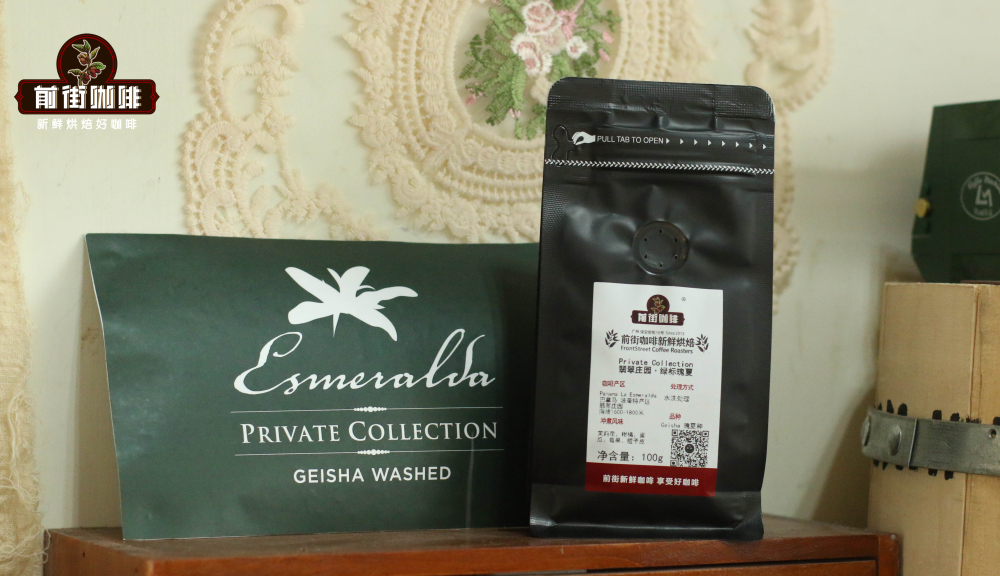
Also Known As:Private Collection (Private Collection)
Origin:Panama, Boquete (including Jaramillo, Cañas Verdes, and multiple plots)
Altitude:1600–1800 meters
Processing Method:Washed / Natural
Flavor Characteristics:Floral, fruity, citrus acidity, full body
Features:Though not part of the auction, it retains the classic Geisha flavors and is a high cost-performance choice. The Green Label is usually a blend from multiple plots, offering rich and stable flavor layers.
Blue Label Geisha: Advanced option, now rebranded
Also Known As:Geisha 1500 (Geisha 1500)
Origin:Panama, Boquete (Jaramillo, Cañas Verdes, and Veil Estate)
Altitude:1400–1500 meters
Processing Method:Washed (before 2021) / Now includes Natural
Features:Starting in 2021, the Blue Label was discontinued, and Geisha from this altitude range is now exported under the name “Panama Volcanic Rock Geisha.” Currently only the washed version is available, with a flavor leaning towards fresh citrus and subtle floral notes, and a cleaner taste compared to the Red and Green Labels.
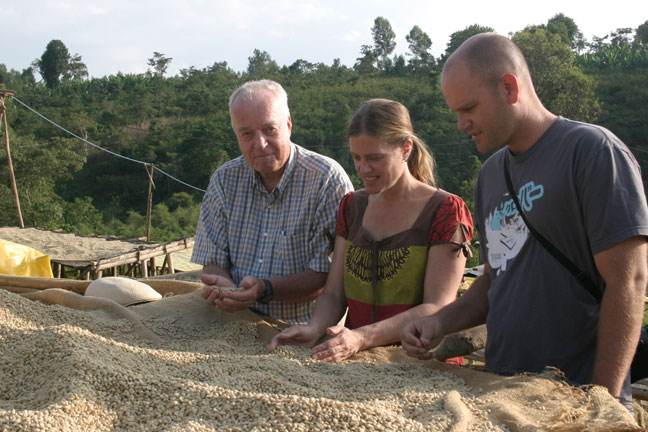
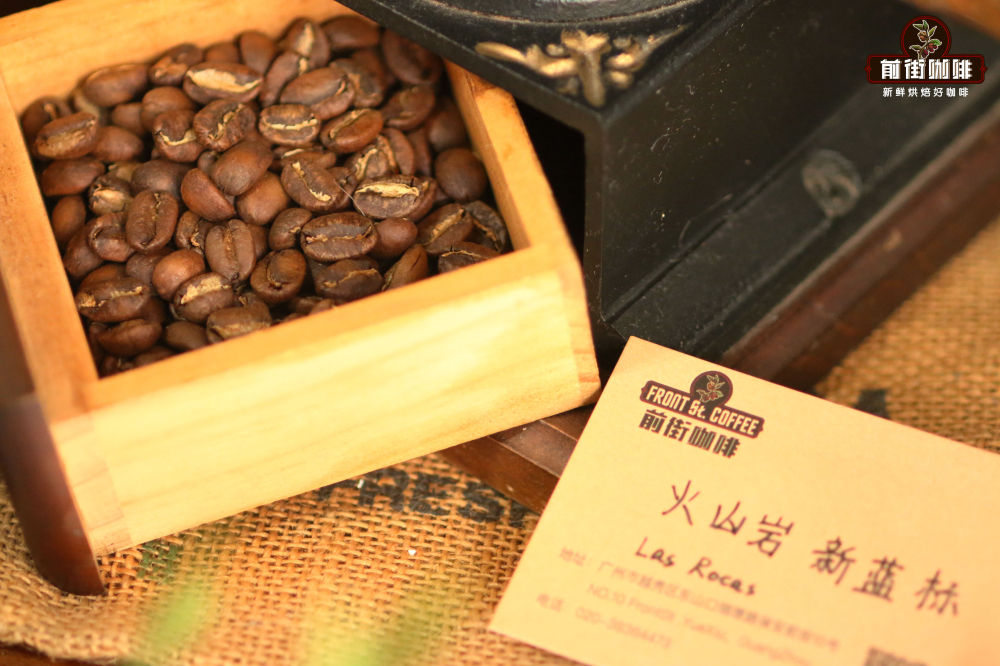
A well-known coffee shop’s Panama Volcanic Rock Geisha is washed and grown at around 1500 meters altitude, featuring citrus acidity, jasmine floral notes, and honey sweetness—ideal for coffee lovers who prefer a clean and bright cup.
Pour Over Recommendation: How to Brew the Delicate Flavors of Geisha?
It is recommended to use freshly roasted Geisha beans, with the optimal flavor window being 4–7 days after roasting. Use a Hario V60 dripper, 15 grams of coffee, a 1:16 coffee-to-water ratio, 93°C water temperature, and a grind size of about 78% through a #20 sieve (similar to fine sugar).
- Step 1: Pour 30 grams of water for blooming, for 30 seconds.
- Step 2: Pour 110 grams of water, maintaining a steady flow to enhance the bloom expansion.
- Step 3: Pour 115 grams of water, waiting for the water level to drop before evenly pouring along the outer edge. Total brew time should be around 2 minutes and 05 seconds.
These parameters fully showcase the layers of berry, honey, and floral notes in Geisha, with a round and full mouthfeel.
Colombian Hope Estate Geisha: Another Expression of Geisha
Colombia’s Hope Estate (La Esperanza) is located in the Huila region. Though not a single-family operation but rather managed collectively by multiple coffee farmers, it has gained international acclaim through a unified brand. In 2007, it won the Colombia Coffee Competition, and in 2008, it secured multiple rankings and received a high score of 93 from American coffee master Kenneth Davids.
The Hope Estate Geisha variety was directly imported from Hacienda La Esmeralda in Panama, so its flavor profile is similar—especially under washed processing, it displays exceptional clarity and layering.
Origin:Colombia, Huila
Altitude:1800 meters
Variety:Geisha
Processing Method:Washed
Flavor:Jasmine flower, sweet orange, lemon, honey, cream, oolong tea
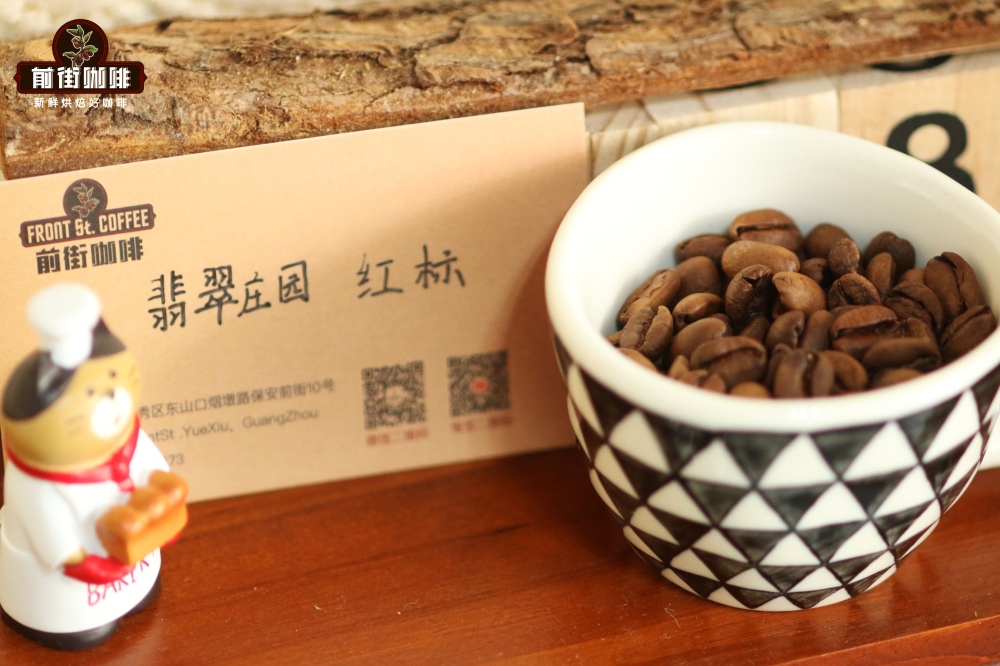
A well-known coffee shop’s Colombian Hope Geisha is washed, with greenish-blue raw beans that carry strong fermented fruit and citrus aromas. It is roasted to a medium-light level, emphasizing floral, fruity, and tea-like qualities.
Hope Geisha Pour Over Parameters
Dripper:Hario V60
Water Temperature:90–92°C
Coffee-to-Water Ratio:1:15
Grind Size:20 sieve passing rate 78%
- Bloom: 30 grams of water, bloom for 30 seconds
- First Pour: 125 grams, wait for the water level to drop
- Second Pour: 225 grams, total extraction time about 2 minutes
This method highlights the floral, citrus acidity, and oolong tea finish of Hope Geisha. Lowering the water temperature can further enhance the creamy and honeyed sweetness, making the flavor profile even clearer.
The above content is compiled by CoffeeHunters, a coffee news website.


