







Introduction:The Yirgacheffe Red Cherry Project is a quality improvement initiative launched by Dutch trader Trabocca in 2007, focusing on fully sun-dried red cherry processing that has helped shape the distinctive flavor profile of Ethiopian coffee. This article delves into the background and regional characteristics of the project, and offers practical pour over parameters and water temperature suggestions to help you easily master this bright, fruity specialty coffee.
Yirgacheffe is renowned for its refreshing jasmine floral notes and vibrant citrus acidity, making it a gateway origin for many beginners exploring specialty coffee. Traditionally, coffee from this region has been predominantly washed, but in recent years, natural (sun-dried) processing has regained attention—especially the “Yirgacheffe Red Cherry Project,” which has garnered significant interest. Initiated in 2007 by the Dutch trading company Trabocca, this project encourages farmers to harvest only fully ripe red coffee cherries. By providing technical support and equipment, it has effectively improved both the overall quality of Ethiopian coffee and farmers’ incomes.
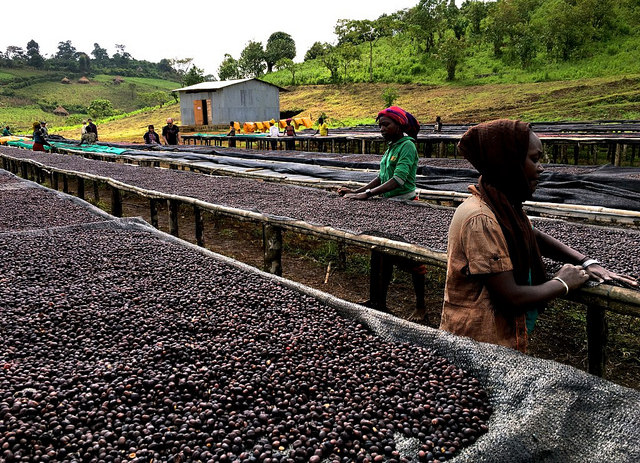
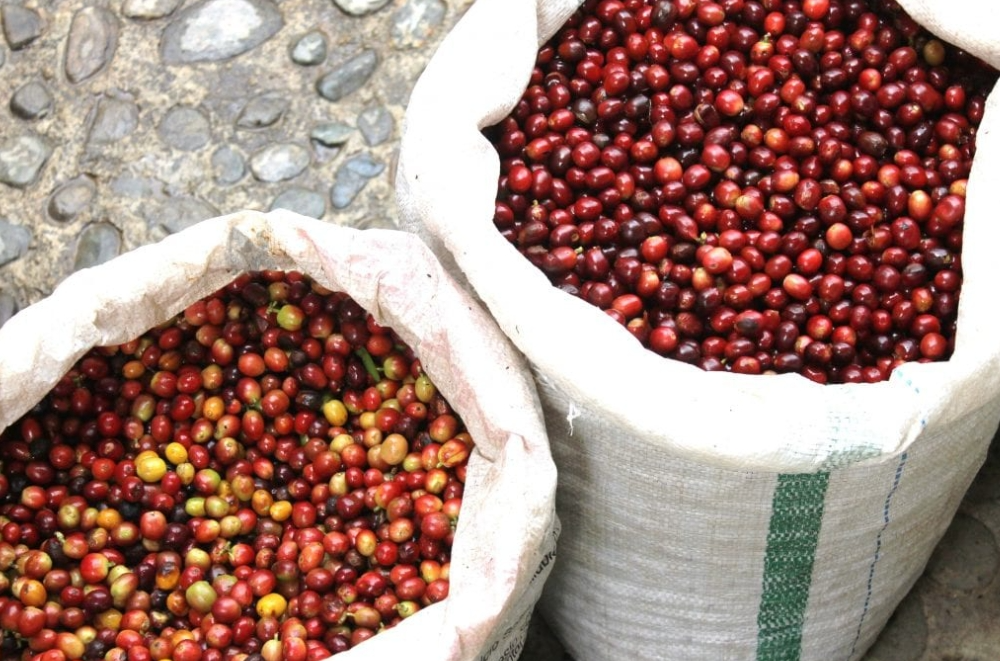
As the birthplace of coffee, Ethiopia is home to numerous traditional and high-quality coffee varieties. However, due to economic constraints, most residents still rely on agriculture and livestock farming, with about 80% of the population engaged in agricultural-related work. Coffee production reaches approximately 200,000 tons annually, making it a vital cash crop. To enhance the income and living conditions of coffee farmers, Trabocca launched the “OPERATION CHERRY RED PROJECT” in 2007—commonly known as the Red Cherry Project—with the goal of improving the final coffee quality by meticulously selecting 100% ripe red cherries.
In the early stages of the Red Cherry Project, Trabocca would designate specific plots for harvesting based on microclimatic conditions, requiring the manual picking of only fully red, ripe coffee cherries, with each batch weighing around 1,500 to 3,000 kilograms. To ensure quality, the project gradually invested in infrastructure upgrades year after year: drying racks were purchased in 2008, drying equipment and sunshade nets expanded in 2009, generators acquired in 2010, road systems improved in 2011, and a high-standard cupping lab established in 2012. These efforts not only enhanced processing efficiency but also ensured preliminary quality control of the coffee at origin.
Beyond hardware support, Trabocca also provides interest-free loans to help farmers purchase depulpers and grading equipment, along with arranging technical training. Most crucially, if the coffee scores 88 or above in cuppings held both in Ethiopia’s capital Addis Ababa and Amsterdam in the Netherlands, Trabocca will purchase it at premium prices, ensuring that farmers’ efforts are fairly rewarded. As a result, not only has the overall coffee quality improved, but Ethiopian coffee has also become more competitive in the international market.
These meticulously processed red cherry coffees are typically packed in GrainPro or vacuum-sealed packaging and quickly transported to the port of Djibouti for export, with strict controls throughout the process to preserve their flavors. In the offering list of one coffee brand, there is a naturally processed coffee from the Yirgacheffe Red Cherry Project, sourced from the Aletaland Estate at an altitude of 1,700 to 2,200 meters. It uses local native varieties and undergoes full red cherry sun-drying, showcasing layered tropical fruit and floral aromas.
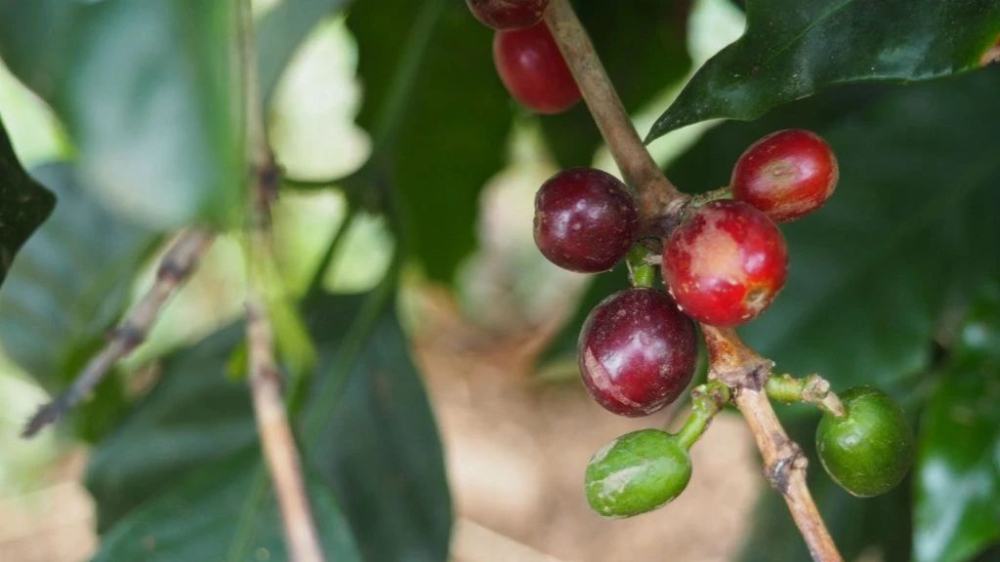
This Yirgacheffe natural Red Cherry performs exceptionally well in pour over brewing, with a clear flavor profile featuring pronounced floral notes, honey-like sweetness, and gentle cherry acidity. The finish leaves behind hints of hazelnut and white grapefruit, achieving an overall balanced and sustained sweetness. Compared to traditional washed processing, the natural method retains more fruit pulp sugars, resulting in a richer sweetness and greater complexity.
When mentioning Yirgacheffe, not only is the coffee from the Red Cherry Project impressive, but the terroir of the region itself is also outstanding. Although it was once administratively part of Sidamo, its unique white floral character and bright citrus tones have gradually distinguished it as an independent origin. Nearby areas such as Wenago, Kochere, and Gelena Abaya have also been incorporated into the Yirgacheffe category due to similar flavor profiles. The region generally features high altitudes, fertile soils, and diverse microclimates, all contributing to the richness and uniqueness of its coffee flavors.
In the selection of one coffee brand, in addition to the Red Cherry natural beans, there are also classic washed options such as Wolkite, Kochere, and Guji Didinga, offering consumers a variety of choices. Generally speaking, these medium-to-light roasted Yirgacheffe coffees, which highlight lemony, berry acidity and fresh floral notes, are recommended to be brewed using a fine grind and higher water temperature to fully extract their vibrant fruit acids and delicate aromatics.
For actual pour over brewing, it is recommended to use a Hario V60 filter cone, with a coffee-to-water ratio of 1:15, using about 15 grams of coffee grounds and a grind size where approximately 80% of the particles pass through a #20 sieve—equivalent to a medium-fine to fine grind. The water temperature is suggested to be set at93°C. Excessively high temperatures can lead to over-extraction, resulting in bitter and astringent off-flavors, while insufficient heat may fail to fully release the delicate aromas and acidity. During brewing, start with a 30-second bloom using twice the amount of coffee weight in hot water, then pour water in small streams in a circular motion from the center outward. When the total water volume reaches 125 grams, perform the first pour break, then wait until the water level drops to about half the height of the filter cone before adding the final 100 grams, continuing until the dripping finishes. Finally, gently swirl the coffee in the server before enjoying.
The above content is compiled by CoffeeHunters, a coffee news website.


