







Introduction:From the "Hua Kui" coffee beans launched in 2017 to the highly anticipated Hua Kui 8.0 in recent years, this Ethiopian Yirgacheffe Guji Hambella natural-processed lot has captivated numerous coffee enthusiasts with its unique berry and floral-fruity aromas. This article not only details the geography and climate of the Hambella region, but also delves into the origin of the name "Hua Kui", explores the background of the one and only authentic Buku Abel processing station, and shares practical roasting and pour over parameters to help you grasp the flavor essence and version evolution of this classic coffee bean.
Ethiopia’s Sidamo is one of the world-renowned specialty coffee regions, celebrated for its bright citrus acidity, captivating berry notes, and soft, pleasant sweetness. Among them, the coffee bean known as "Hua Kui", which gained widespread popularity after its launch in 2017, has become a classic in the hearts of many coffee lovers. But did you know? The name "Hua Kui" actually differs from its true producing region, and there’s an interesting competition backstory behind it.
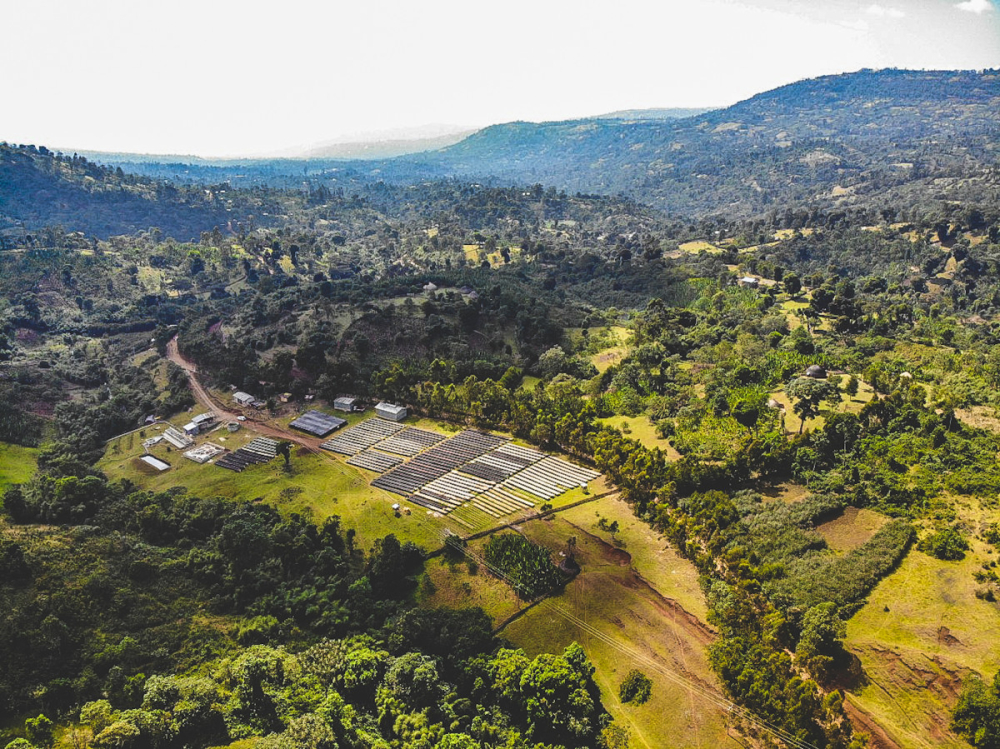
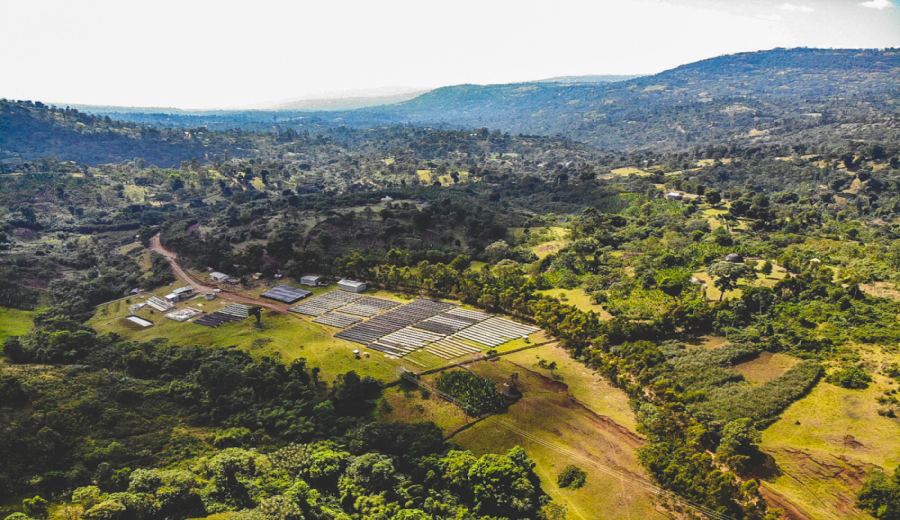
To understand Hua Kui, we must first start with its producing region. Although often mistaken for being part of Sidamo, the Hua Kui beans actually come from the Hambella sub-region within the Guji zone. Administratively, Hambella belongs to the Oromia region, and geographically, it borders Kochere in Yirgacheffe to the west, separated by a highland mountain range about 3,200 meters above sea level and roughly 30 kilometers wide. The remaining three sides border other Guji sub-regions such as Shakiso, Uraga, and Kercha.
The Guji zone was previously categorized under Sidamo until 2010, when it was officially designated as a new zone by the Ethiopia Commodity Exchange (ECX). This area features diverse terrain with a mix of mountains, valleys, and plains, and its soils are predominantly fertile black clay (Vertisol), with deep layers nearly two meters thick and an average altitude exceeding 1,800 meters. Coupled with significant day-night temperature variations, these conditions create an ideal environment for coffee cultivation and provide the innate qualities needed to grow high-quality beans.
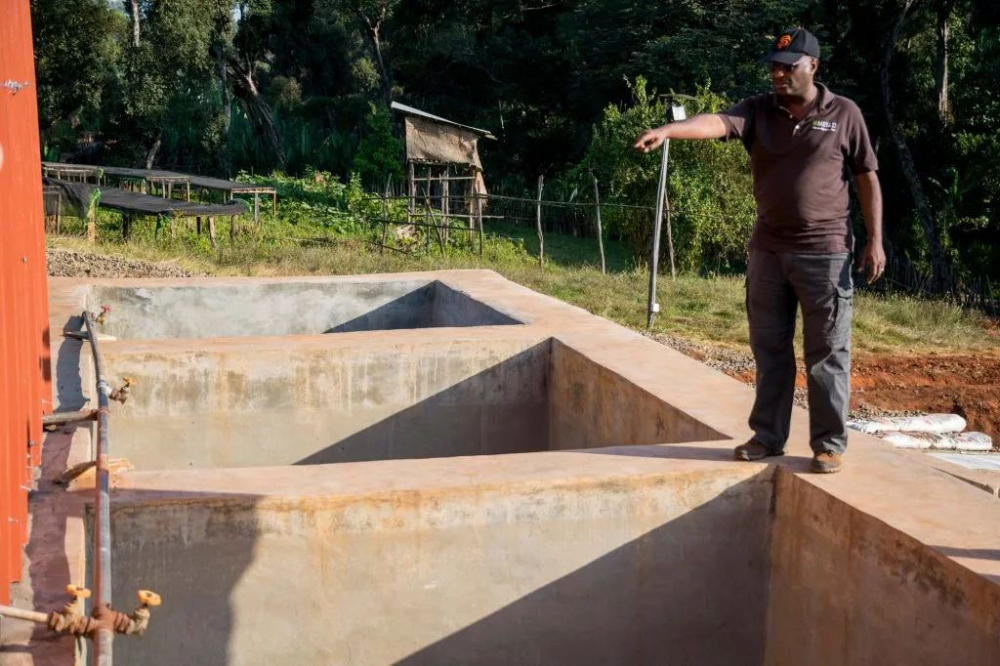
The origin of the name "Hua Kui" is actually tied to the 2017 TOH (the Taste Of Harvest) green coffee competition. In this event hosted by the African Fine Coffees Association, a natural-processed lot from the Dimtu area in the heart of the Hambella region, processed by the Buku Abel washing station, won the championship with its intense strawberry and cream aroma. These champion beans were later introduced to the Chinese market and, given their competition pedigree and outstanding flavors, were given the evocative Chinese name "花魁" (Hua Kui), which means "Flower Consort". Its English name is more commonly associated with its region, referred to as Hambella.
It’s worth mentioning that in 2017, a Chinese barista named Li Jianfei used this Hua Kui coffee to compete in the China leg of the World Brewers Cup, ultimately winning second place. At the time, Geisha was still the dominant variety in competitions, and the fact that this Ethiopian heirloom variety could stand out further boosted the visibility of Hua Kui and led people to draw comparisons between it and Geisha.
Subsequently, DW Coffee imported several processing stations in the core areas of Hambella, including Buku Abel, Buku Saysay, Haro Soresa, and Tirtiro Goye, with an annual production of about 1,100 tons. However, based on regional and processing station authenticity, only the natural lots produced by the Buku Abel washing station are considered qualified to be called "Hua Kui".
Taking the 2024 harvest as an example, a certain coffee brand’s release of "Ethiopian Hua Kui 8.0" is still positioned within the Sidamo-Guji zone, specifically the Hambella sub-region. With an altitude ranging between 2,250 and 2,350 meters, planted with local heirloom varieties and processed using the natural method, these factors collectively shape its distinctive flavor profile.
In terms of roasting, this coffee brand opted for a medium-light roast to fully highlight the flower and fruit notes and aromas of Hua Kui. Specific roasting parameters are as follows: bean inlet temperature of 175°C, turning point reached at around 1 minute and 32 seconds at 96.2°C, with power set to 120 and airflow at 3 to ensure even heating. Around the 6-minute mark, the yellowing stage is reached and transitions into the development phase, at which point the power is increased to 140. By 9 minutes and 50 seconds, first crack begins, and roasting continues for 1 minute and 40 seconds after first crack before dropping the beans, with an exit temperature of 196°C. This set of parameters helps preserve the coffee’s fruity aromas and bright acidity.
In cupping, this Hua Kui 8.0 exhibits pronounced citrus acidity paired with a rich berry juice character, along with a tea-like note reminiscent of lemon black tea, and a long-lasting, layered sweetness. For pour over, it is recommended to use a HARIO V60 with a brew ratio of 1:15, 15 grams of coffee, water temperature controlled at 90°C, and a medium-fine grind (about 78% passing through a standard Chinese No. 20 sieve). Specifically, start with a 30-second bloom using 30 grams of water, then pour in a center stream up to 125 grams, followed by incremental pours to reach 225 grams total. Once the coffee bed visibly drops, remove the filter; total brew time is approximately 2 minutes. This process best highlights its fruitiness and sweetness.
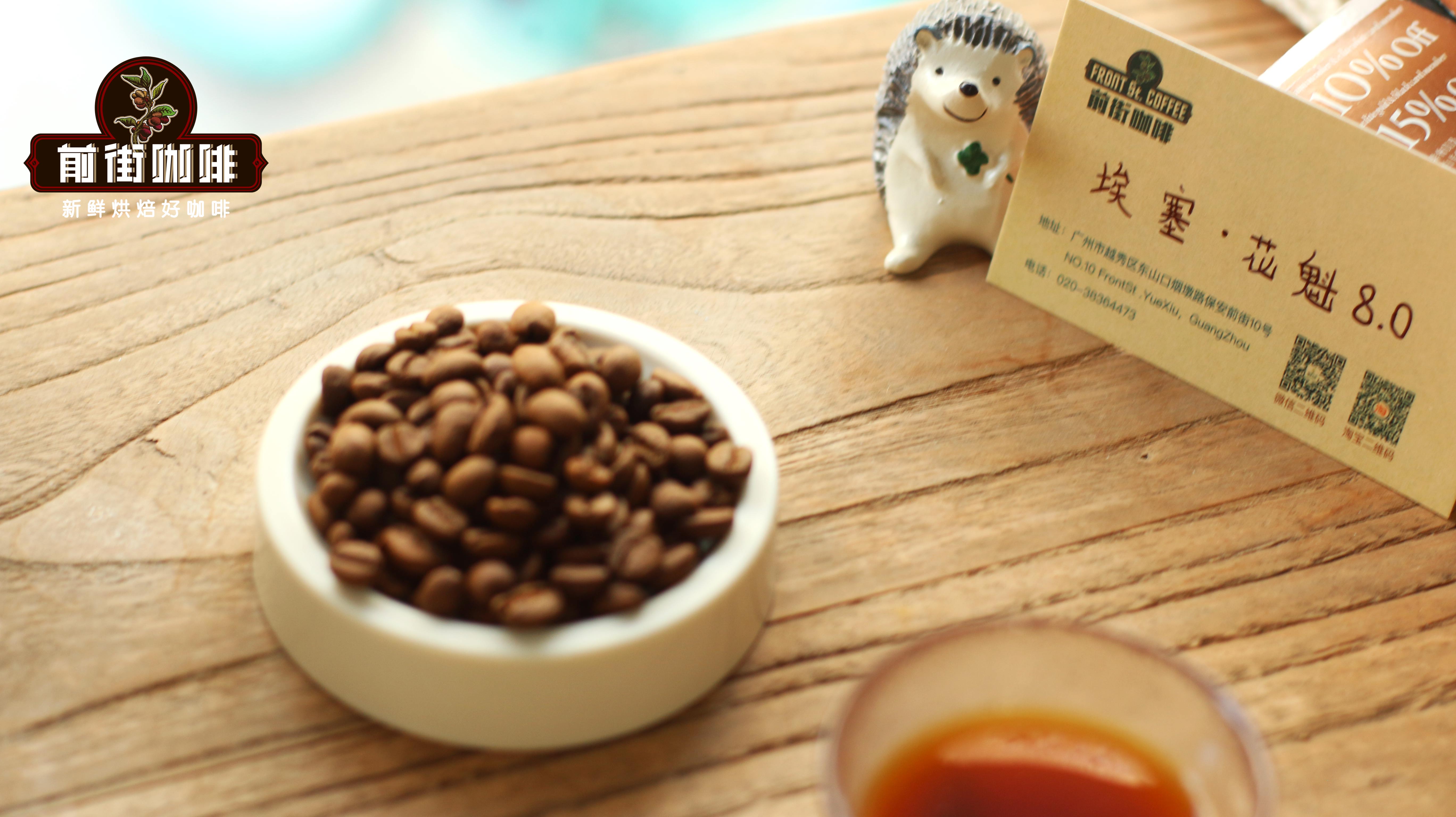
However, many coffee enthusiasts have also noticed that the flavor of Hua Kui seems to vary slightly each year. According to historical cupping records compiled by a coffee brand, Hua Kui G1 offers a smooth mouthfeel with passionfruit and fermented wine notes, along with jackfruit and strawberry flavors; Hua Kui 2.0 is overall cleaner with more prominent berry aromas and some nuttiness; Hua Kui 3.0 shifts toward a subtle strawberry jam and black tea profile, with a shorter sweet aftertaste; Hua Kui 3.1 returns to floral, creamy, and tropical fruit notes with a long-lasting finish; while Hua Kui 4.0 once again presents citrus acidity and berry juice characteristics, resembling the flavors of 2.0 and 8.0.
Such flavor variation is actually quite normal. Coffee is, after all, an agricultural product, and its flavor is influenced by climate, soil, rainfall, fertilization, and the harvest year. Additionally, nuances in processing techniques and changes in selection standards can also impact the final cup profile. Moreover, from the irregular bean sizes of the original Hua Kui in 2017, to the more uniform beans of Hua Kui 2.0, and now the smaller beans of Hua Kui 8.0, these physical differences also reflect the diversity of the region’s heirloom varieties and the evolution of processing methods.
It’s worth noting that in recent years, washed and honey-processed Hua Kui beans have even appeared on the market, making the scope of what the name "Hua Kui" encompasses even more diverse. For coffee enthusiasts, understanding the producing region, processing station, and processing method is key to accurately appreciating the unique qualities of Hua Kui each year.
The above content is compiled by CoffeeHunters, a coffee news website.


