







Introduction:Brazil is the world’s largest coffee-producing country. Although it is often regarded as a major source of commercial beans, it actually harbors many specialty coffees with outstanding flavors. This article will delve into Brazil’s coffee grading system, regional characteristics, and introduce two representative medium-to-dark roasted beans: Cerrado and Fazenda Rainha Yellow Bourbon. It also provides practical pour-over brewing suggestions and parameter settings to help coffee enthusiasts—from beginners to advanced—appreciate the richness and layered complexity of Brazilian coffee.
As the world’s largest coffee producer, Brazil’s output fluctuations have a significant impact on the global market. It serves not only as a trade benchmark but also plays a dual role in both the specialty and commercial markets. Brazilian coffee is known for its stable production capacity and relatively consistent flavor, largely due to its vast, flat highland terrain and highly mechanized farming practices. Although most plantations are located at altitudes of around 1,000 meters—making it less likely to produce top-tier specialty beans—it still boasts numerous specialty-focused farms, and it is even the birthplace of the COE (Cup of Excellence) competition.
Among the many Brazilian coffees, they can be broadly divided into two main types: one is the base bean produced in major regions, offering balanced and stable flavors suitable for everyday drinking; the other is the premium bean from specialty farms, emphasizing processing methods and details, and featuring unique flavor profiles. This article focuses on representatives of these two types: Cerrado under a certain brand and Fazenda Rainha Yellow Bourbon. From regional characteristics and processing methods, to roast levels and actual pour-over brewing techniques, it comprehensively deconstructs the essence of Brazilian coffee.
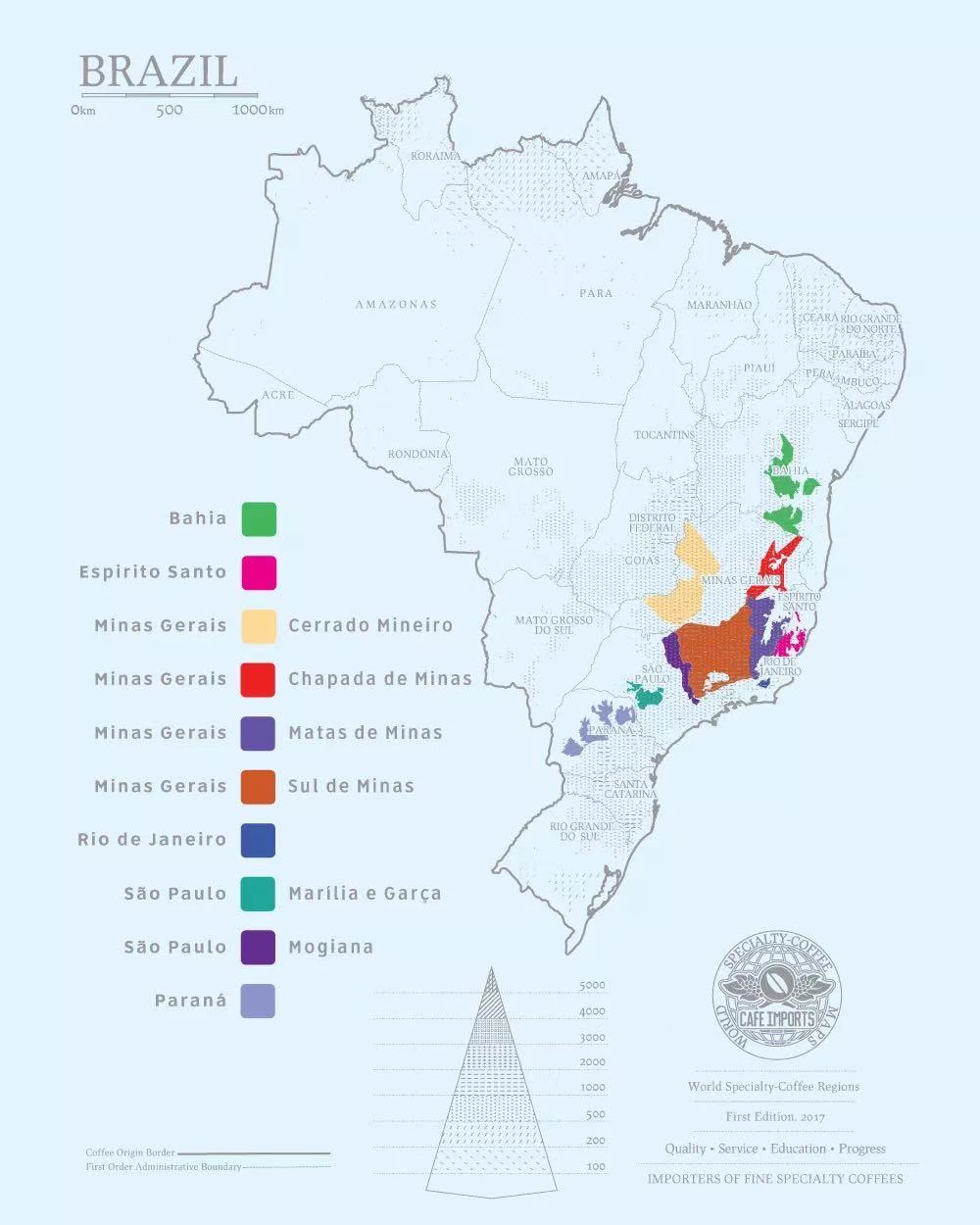
The Cerrado region is one of Brazil’s major Arabica-producing areas. Its terrain is flat, with an altitude of about 1,000 meters, and it is also the region where mechanical harvesting is most prevalent in Brazil. The area mainly cultivates the Red Bourbon variety, an historically significant Arabica lineage that naturally offers a solid body and bright acidity, along with subtle notes of red wine. The region predominantly uses the semi-washed (pulped natural) processing method, which not only effectively reduces defect rates but also retains the sugar content from the fruit pulp, enhancing the richness of the final flavor.
When tasted, Cerrado coffee often presents a clean and smooth mouthfeel. Its flavor profile centers around chocolate and peanuts, with a natural caramel sweetness in the aftertaste. This flavor profile makes it not only suitable for single-origin enjoyment but also commonly used in blends. For example, it frequently appears in classic espresso recipes, lending rich layers and a stable body to drinks like lattes or cappuccinos. For pour-over brewing, it is recommended to use a medium-fine grind and maintain a moderate water temperature to fully bring out its nutty and cocoa notes.
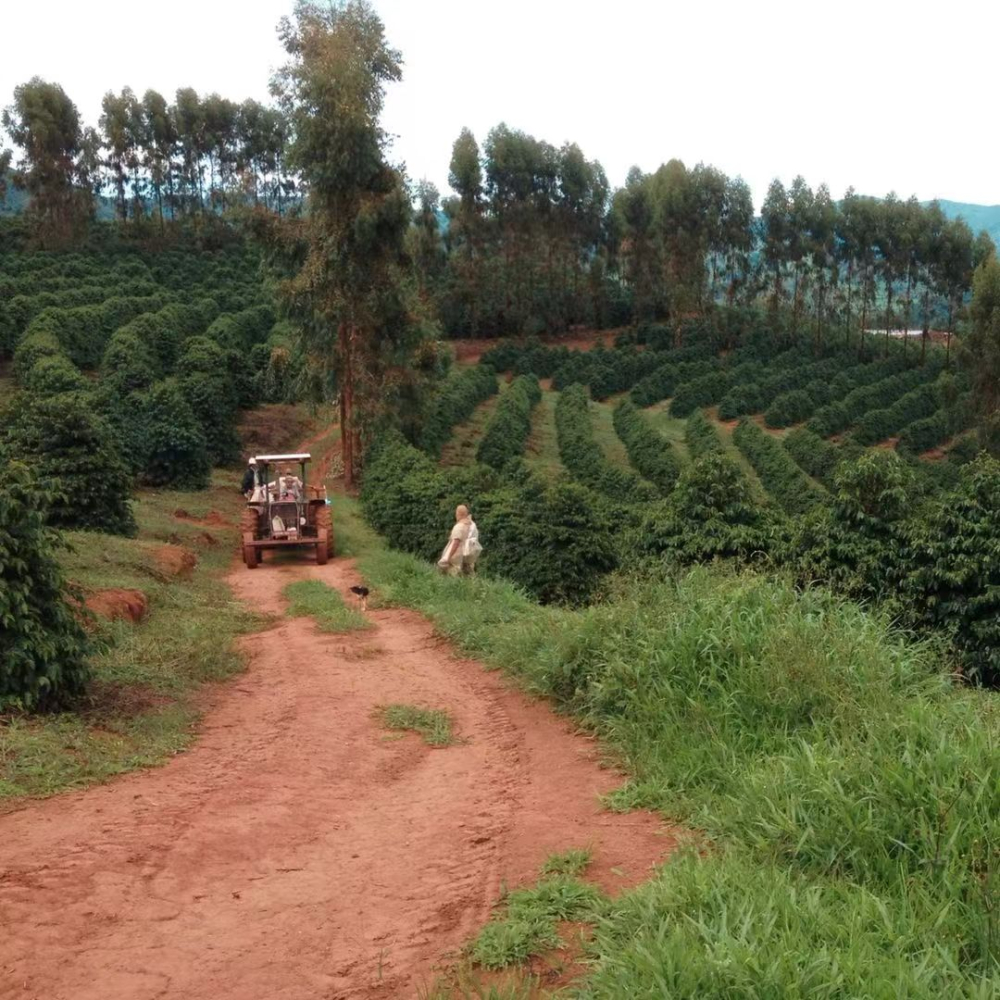
Another notable Brazilian specialty representative is the Yellow Bourbon from Fazenda Rainha in the Mogiana region. This farm is renowned for producing high-quality Yellow Bourbon, a mutation of Red Bourbon where the ripe cherries turn a beautiful yellow, typically exhibiting richer fruit acidity and floral-fruity aromas. Fazenda Rainha specifically selects 30% of its annual production as Yellow Bourbon and employs meticulous natural (sun-dried) processing. Unlike rough sun-drying methods, this process places great emphasis on drying environment and time control to ensure flavor concentration without disorder.
After brewing this Yellow Bourbon via pour-over, it often displays a distinct cane sugar sweetness, accompanied by a blend of dark chocolate and nuts, delivering an overall profile that is rich yet balanced. Compared to Cerrado, its flavor is more three-dimensional, with a tea-like nuance in the aftertaste, adding depth to the coffee experience. If you prefer the bold intensity brought by medium-to-dark roasts, this bean is an excellent choice for in-depth appreciation.
In Brazil, due to the overall lower altitude compared to other Central and South American coffee-growing countries, the grading system does not emphasize “high-altitude hard beans” as countries like Colombia do. Instead, it is evaluated based on the following four aspects:Bean size, where 17 and 18 screen sizes are considered the best grades, although 19 exists, it is rare; next isdefect rate, measured by the number of defective beans in 300 grams of green coffee—no more than 6 defects qualify for NY.2 grade, while NY.1 is almost non-existent; third iscupping score, categorized as Fine Cup (FC), Good Cup (GC), etc., with FC and GC being common specialty grades; finally,flavor grade, ranked from highest to lowest as Strictly Soft, Soft, Softish, Hardish, Rioy, where Strictly Soft represents the ultimate flavor with utmost smoothness and no harshness.
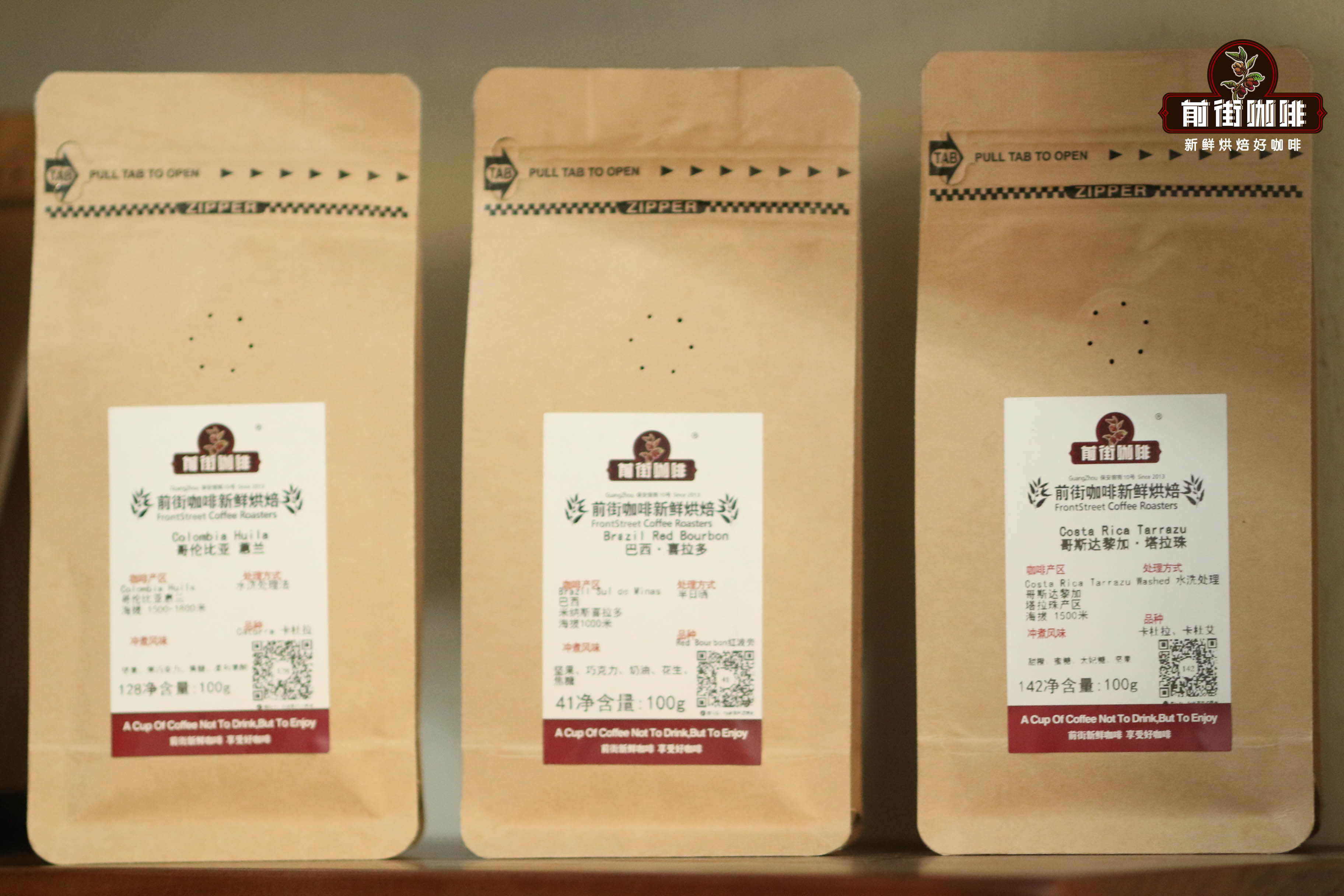
For such medium-to-dark roasted Brazilian beans, it is recommended to usea medium roast level, which not only preserves the beans’ original sweetness and body, but also, through appropriate caramelization, transforms some acidic compounds into more tangible sweetness. During roasting, it is essential to maintain stable heat control and ensure consistent coloration between the bean surface and core to achieve overall flavor balance.
Regarding practical pour-over recommendations, you may use a Kono filter, with a water temperature of 88°C, 15 grams of coffee, a 1:15 coffee-to-water ratio, and a medium-fine grind (recommended to have about 80% passing through a #20 sieve). The design of the Kono filter aids in immersion and slows down water flow, making it particularly suitable for medium-to-dark roasts, enhancing body and mouthfeel continuity. Additionally, it is suggested to pour 30 grams of water for the bloom phase, let it sit for 30 seconds, then continue pouring in small circles up to 125 grams for the first pour. Once the water level drops slightly, pour up to 225 grams to finish, with total extraction time controlled to around 2 minutes.
In summary, although Brazilian coffee is often categorized as commercial-grade, it actually encompasses a rich spectrum of quality—from stable and balanced everyday beans to distinctly flavorful specialty beans. Cerrado features notes of chocolate, nuts, and a hint of lemon, with a round mouthfeel; Fazenda Rainha Yellow Bourbon showcases pronounced caramel sweetness, dark chocolate, and nutty tones, with an aftertaste as mellow as Pu-erh tea. With the right roasting and pour-over parameters, the diverse charm of Brazilian coffee can be fully revealed.

The above content is compiled by CoffeeHunters, a coffee news website.


