







Introduction:As the birthplace of coffee, Ethiopia’s Sidamo and Yirgacheffe regions are often compared. This article delves into the differences between the two in terms of variety characteristics, processing methods, and flavor profiles. Through practical cupping and pour over parameters, it helps you understand Sidamo’s rich fruity aroma and Yirgacheffe’s bright citrus notes, offering practical advice on bean selection and brewing.
Ethiopia is hailed as the cradle of coffee, home to numerous wild varieties and unique micro-regions. Among them, the Sidamo and Yirgacheffe regions stand out as popular starting points for coffee enthusiasts due to their distinctive and markedly different flavor profiles. The former is known for its rich tropical fruit notes and full-bodied taste, while the latter is widely praised for its pronounced citrus acidity and delicate floral aromas. This article will provide a detailed comparison of the key differences between the two, from varietal background and processing techniques to actual cupping performance, and share professional cupping and pour over recommendations to help you better appreciate the unique charm of these two classic regions.
[Regional Background and Terroir Characteristics]
Ethiopia is not only the origin of coffee but also retains a wealth of native and wild variety resources. Located in the southern part of the country, Sidamo benefits from a mild climate, abundant rainfall, and fertile soil, resulting in coffee that often exhibits clean, bright acidity and a smooth mouthfeel, making it highly distinctive. It’s worth noting that Yirgacheffe was originally a small sub-region under Sidamo. However, due to its exceptionally prominent flavor profile—particularly its notable citrus and jasmine floral notes—it eventually became an independent geographical indication, and its reputation has since spread far and wide.
[In-depth Analysis of the Sidamo Region]
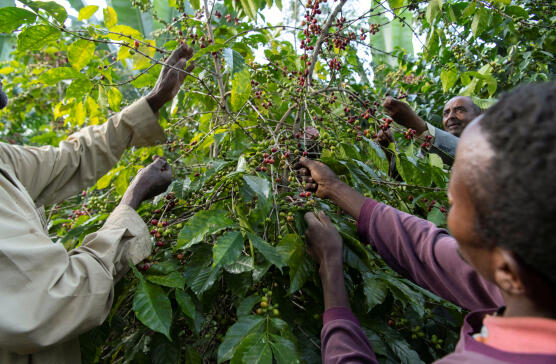
Notable sub-regions within Sidamo include Guji and West Arsi. These areas are known for excelling in natural or meticulously executed washed processing methods, with the coffee they produce generally showcasing intense fruity aromas and silky textures.Image  shows the typical growing environment of the region. This year, a coffee brand introduced a high-quality bean from the Guji sub-region—Uraga—which won the washed category championship at the Taste of Harvest (TOH) competition, an important annual event in Africa’s specialty coffee scene. After roasting, this bean was cupped using a standard 200ml cupping bowl, with a grind setting of 70%-75% passing through a #20 sieve, a dose of 11.1g, and a water temperature of 94°C. During the cupping, its dry fragrance released intense floral notes, followed by citrusy freshness in the wet aroma, echoing the qualities of Yirgacheffe. The cupping results revealed a flavor profile including jasmine, lemon, berries, grapefruit, honey, and green tea, overall presenting both complexity and balance.
In the actual pour over test, a 30-second bloom was performed with 30g of water, followed by a slow, circular pour, with splits at 125g and 225g, for a total extraction time of approximately 2 minutes and 5 seconds. In terms of flavor, the initial sip reveals citrus acidity and jasmine floral notes, transitioning to a grapefruit tea-like character in the mid-palate, with a honeyed sweetness lingering in the aftertaste. This washed bean’s acidity is bright, quite close to Yirgacheffe’s citrus profile, but the overall flavor leans more towards the rich layers of tropical fruits.
It’s worth mentioning that the washed processing method used for this bean is extremely rigorous, involving manual harvesting of ripe cherries, careful selection, pulping, fermentation (around 18–36 hours), washing to remove mucilage, followed by rinsing with flowing water and drying, with the final moisture content stabilized at around 12%. Each step is carefully controlled to ensure the purity and consistency of the final flavor.
[Yirgacheffe Region Characteristics and Processing Methods]
As a historically significant coffee region in Ethiopia, Yirgacheffe produces coffee that holds a respected place in the specialty market, whether washed or naturally processed. The washed bean “Guo Ding Ding” and the natural bean “Red Cherry” launched by a coffee brand have both received widespread acclaim for their distinctive flavors. Particularly, its citrus notes have made it a favorite among coffee lovers who prefer bright acidity.Image 
The unique flavors of Yirgacheffe can be attributed not only to its local terroir but also to the advanced washed processing techniques introduced there. Since 1972, the local government has imported washed processing equipment and technology from Central and South America, building wet processing facilities and stable water supply systems, which have significantly improved green bean quality. During the washed process, coffee cherries undergo pulping, fermentation, mucilage removal via washing, and then drying, with moisture content carefully controlled. This effectively reduces defect rates while highlighting a refreshing citrus tone and elegant white floral notes. This technique not only makes the flavors cleaner and more delicate but also increases trading value.
Cupping data shows that when 11.3g of beans are ground, the dry fragrance emits passion fruit, citrus, and berry acidity, while the wet aroma is dominated by citrus and berries. Upon tasting, citrus acidity and berry sweetness intertwine, accompanied by almond and tea-like notes, with a honeyed sweetness in the aftertaste. Practical pour over recommendations include using a V60 #01 filter, water temperature of 90–91°C, 15g of coffee, a 1:15 coffee-to-water ratio, and a grind size of BG6M (similar to fine sugar, about 80% passing through a #20 sieve). The brewing process starts with a 30-second bloom using 30g of water, followed by pouring 95g (approximately 125g total), and then adding another 100g (approximately 225g) as the water level drops, for a total extraction time of about 2 minutes and 10 seconds. Under these parameters, the coffee presents citrus and black tea tones on the palate, and as the temperature changes, the aftertaste offers creamy, caramel, and almond notes, delivering an overall refreshing and layered experience.Image 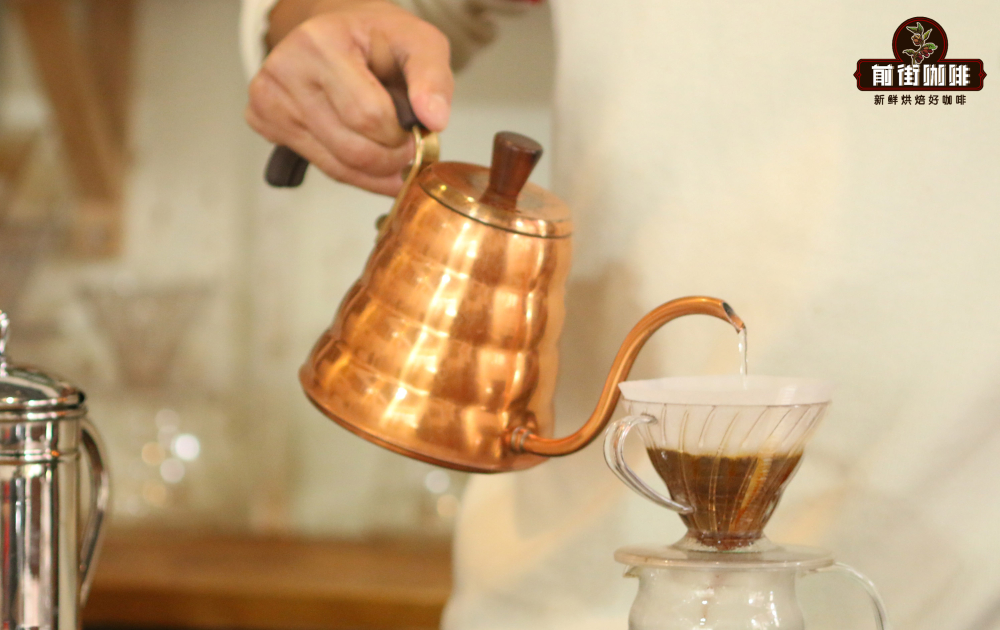 and
 respectively show the Yirgacheffe processing and pour over scenarios.
[Summary: Flavor Boundaries Between Sidamo and Yirgacheffe]
Based on comprehensive cupping and actual brewing experiences, coffee from the Sidamo region is distinguished by the rich layers of tropical fruits and full-bodied mouthfeel, with washed processing further enhancing its bright acidity. In contrast, Yirgacheffe showcases a fresh and elegant flavor profile, highlighted by its prominent citrus tones and jasmine floral notes. Both regions have their unique characteristics—whether you prefer bold fruitiness or crisp acidity, you’ll find an appealing option in either. Understanding these key differences will help you make more informed decisions when selecting beans and brewing.
The above content is compiled by CoffeeHunters, a coffee news website.


