







Introduction:The two ultimate representatives of specialty coffee flavor profiles — Ethiopia’s Yirgacheffe and Indonesia’s Sumatra Mandheling — showcase bright fruity acidity and rich, bold body respectively. This article delves into the key differences between the two, examines in detail the unique charm of Golden Mandheling in terms of its bitter richness, and provides comprehensive roasting and pour over parameters to help coffee enthusiasts find their ideal coffee experience based on personal taste preferences.
In the world of specialty coffee, acidity and body are two major flavor axes, with Ethiopia’s Yirgacheffe and Indonesia’s Mandheling standing at opposite ends of the spectrum. Whether you’re a beginner or an experienced coffee enthusiast, understanding the essential differences between these two beans can help you choose and enjoy your preferred coffee flavors more precisely.
Yirgacheffe is renowned for its fresh and bright floral-fruity acidity, making it the top choice for many coffee lovers who prefer a clean and refreshing taste. In contrast, Mandheling stands out with its heavy, bold aroma and deep low-pitched tones, especially the Golden Mandheling from Indonesia’s Sumatra region, which is a classic representative of the bold-bodied coffee category.
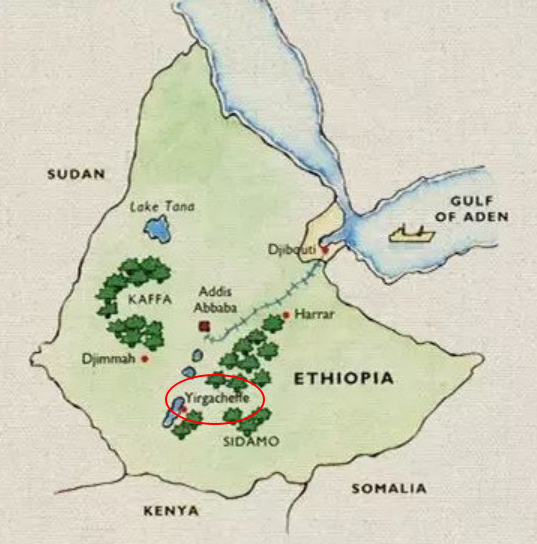
From regional environment and coffee variety characteristics to processing methods, each factor deeply influences the final flavor expression of the coffee. Yirgacheffe is located in Ethiopia’s highlands at altitudes of 1700–2100 meters, within a high-altitude fine cultivation zone. The coffee here is primarily processed using the washed method, resulting in its distinctive citrus and lemon acidity, along with a soft black tea-like finish. On the other hand, Mandheling comes from Indonesia’s Sumatra, where the unique hot and humid climate and the special “wet hulling” process impart it with rich notes of spices, nuts, and deep chocolate undertones.
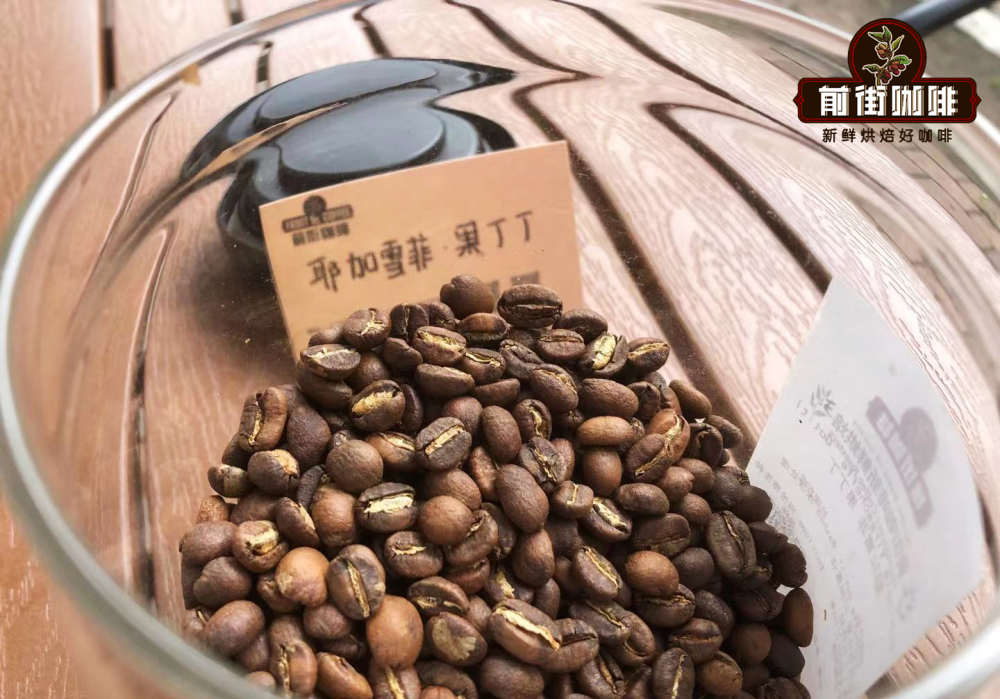
If you are just beginning to explore specialty coffee, you might want to start with Yirgacheffe, whose flavor profile is clear and distinct — for example, beans like Gu Ding Ding that exhibit black tea and lemon acidity. These allow you to easily capture the bright fruitiness and layered complexity. It is recommended to use a V60 filter cone with water at 90°C and a medium-coarse grind (80% through a #20 sieve), employing a three-stage pouring method (total water volume 225g, poured in three stages, total extraction time around 2 minutes) to fully highlight its refreshing qualities.
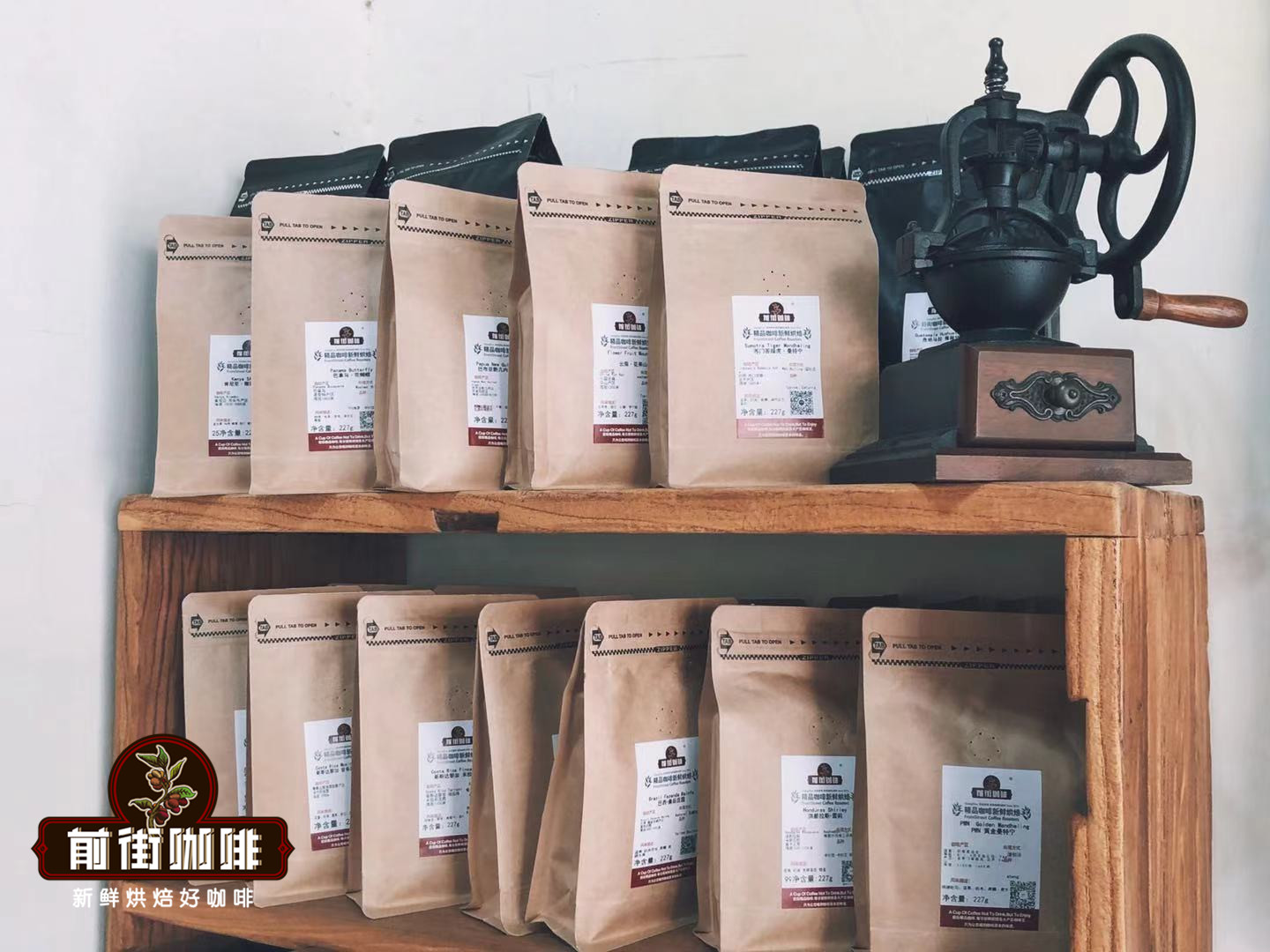
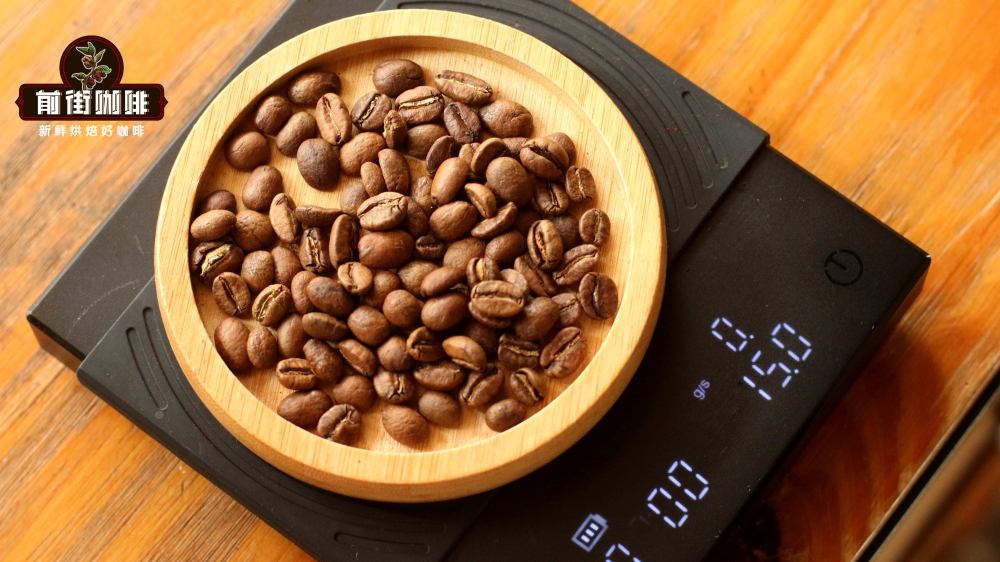
If you prefer a richer, deeper coffee experience, Golden Mandheling from the Mandheling series is an excellent choice. This Typica variety coffee bean from Sumatra, processed via the wet hulling method, not only shortens the drying time but also retains more body-rich compounds, resulting in a more intense and concentrated flavor. Golden Mandheling often carries complex aromas of nuts, dark chocolate, and spices, with a noticeable bitterness that remains well-balanced, and a long, layered finish.
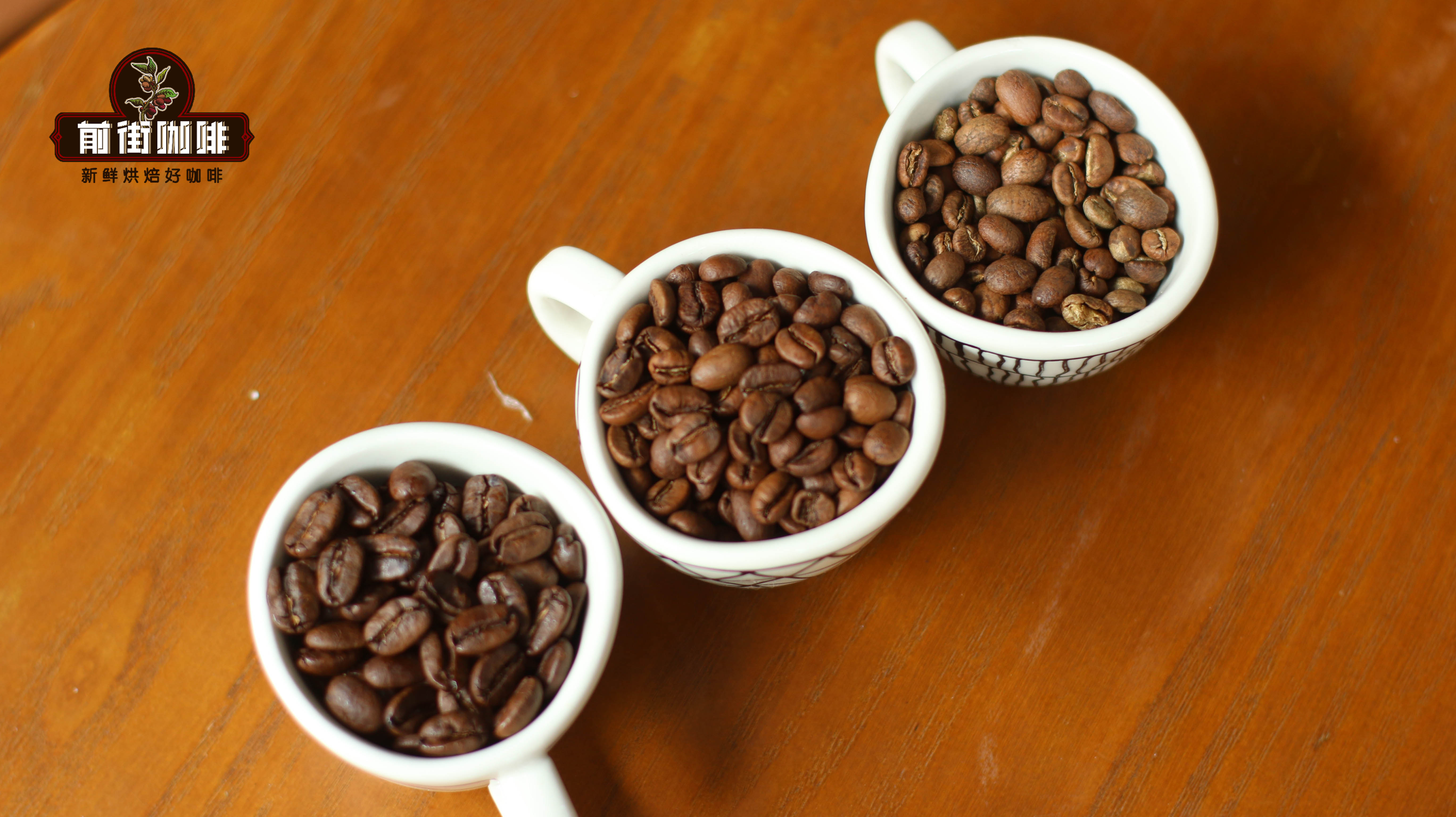
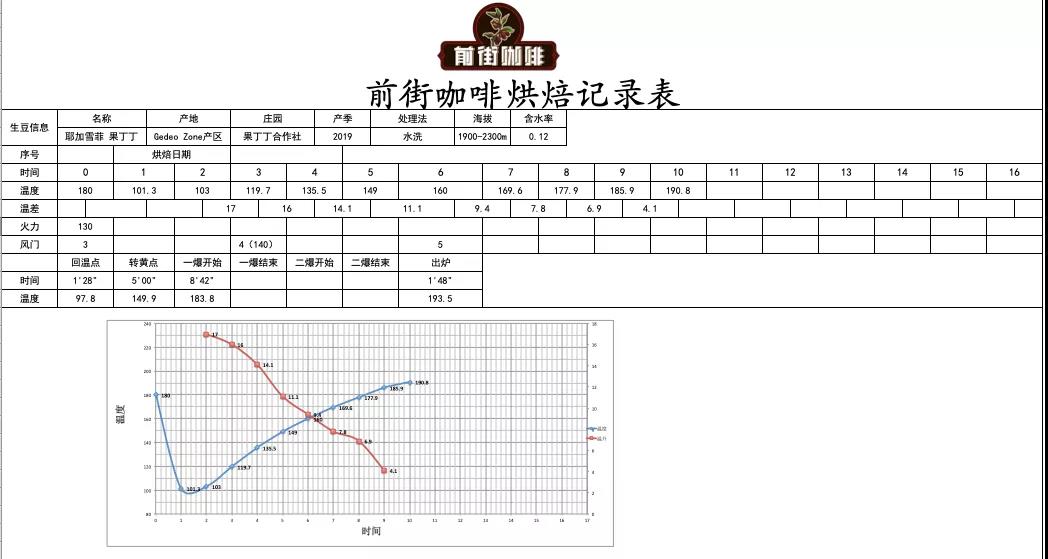
For roasting recommendations, Golden Mandheling benefits from a medium-dark roast, which brings out its rich nutty and caramel aromas while suppressing excessive off-flavors. It is suggested to use a Yangjia 800N roaster, with a charge temperature of 200°C, yellowing point at around 148°C, first crack occurring at 191.2°C, and continuing the roast for about 3 minutes and 30 seconds after first crack until reaching 204.5°C for dropping, in order to fully develop its bold base flavors.
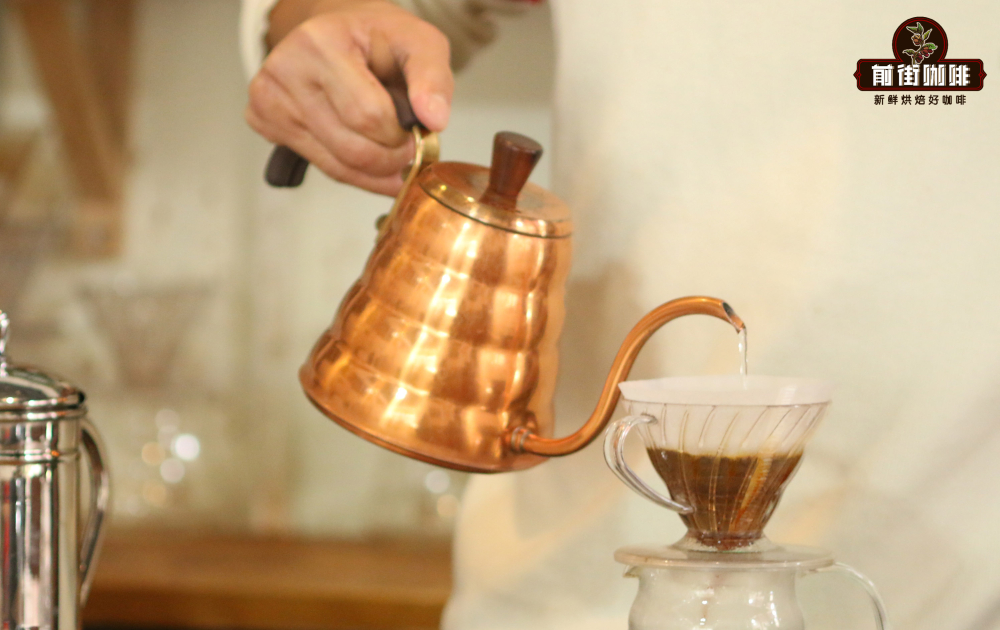
When pour over brewing Golden Mandheling, it is recommended to use a Kono or three-hole Kalita filter cone, with a slightly lower water temperature of 88°C to help reduce over-extraction risks while enhancing the expression of body and sweetness. Use a 1:15 coffee-to-water ratio, with a grind setting at around 70–75% through a #20 sieve for a slightly coarse grind, and employ a three-stage pouring method (first stage bloom with 30g water for 30 seconds, then pouring to 125g and 225g in separate stages, maintaining a total extraction time of about 2 minutes) to effectively extract its deep and balanced flavor structure.
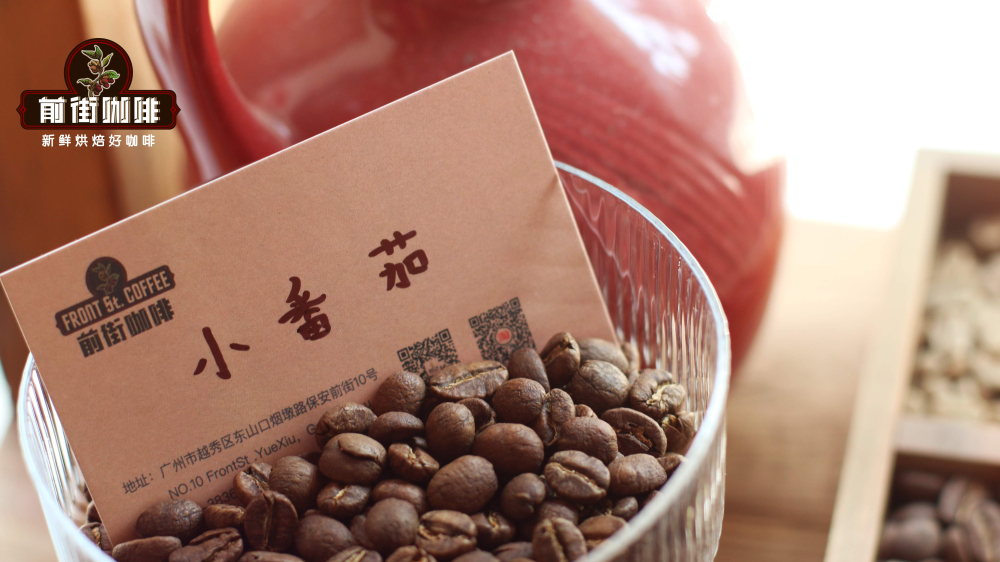
Overall, Yirgacheffe and Mandheling represent two extremes of coffee experiences: the former is fresh and bright, ideal for those who enjoy fruity acidity and floral notes; the latter is bold and rich, satisfying coffee lovers seeking depth and lingering flavors. Golden Mandheling is the standout among Mandheling coffees, with its intense bitterness and rich aromatic layers, making it a classic favorite among many dedicated coffee enthusiasts.
No matter which flavor profile you prefer, understanding the bean variety characteristics, differences in processing methods, and suitable brewing parameters will greatly enhance your ability to grasp and appreciate the nuances of coffee flavors.
The above content is compiled by CoffeeHunters, a coffee news website.


