







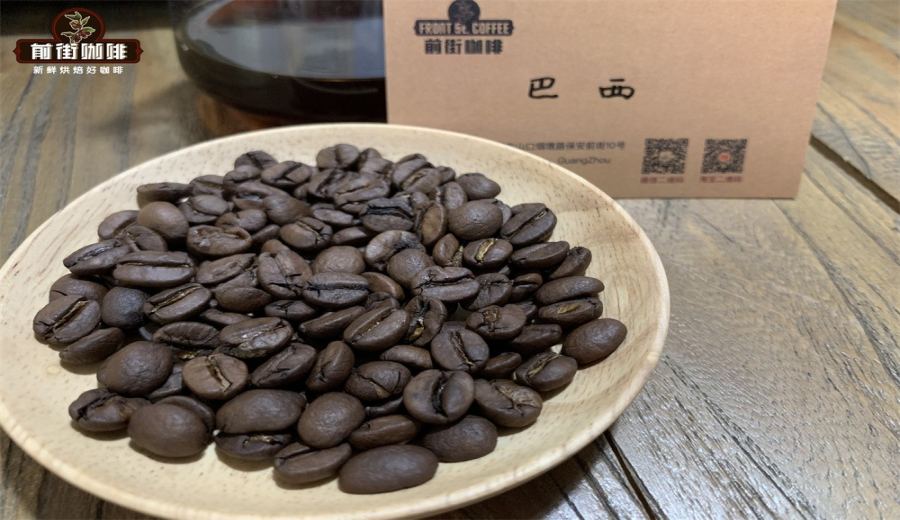
Introduction:Brazil is the world’s largest coffee-producing country, and its beans are renowned for being low in acidity, full-bodied, and nutty—qualities that make them particularly appealing to those who prefer balanced flavor profiles. This article takes an in-depth look at Brazil’s major coffee-growing regions, the advantages of the pulped natural processing method, and offers practical pour-over brewing recommendations along with flavor profiles to help you select the best Brazilian beans for your taste.
When it comes to Brazilian coffee, many people’s first impression is of its low acidity, bold body, and chocolatey, nutty notes. These characteristics not only make it a staple in espresso blends but have also gradually won over pour-over enthusiasts. What is the allure of Brazilian coffee? And how does the pulped natural process enhance its flavor? This article will guide you through a comprehensive understanding of this globally significant coffee, from regional distribution and common varieties to processing techniques and pour-over brewing tips.
Brazil is not only the top coffee-producing nation but also boasts highly distinctive coffee flavors. Compared to African beans, which often showcase bright fruit acids and floral notes, or Asian beans with their heavy herbal tones, Brazilian coffee tends to be gentler and more robust. Its beans are plump, with intense aromas, and offer a soft acidity paired with moderate bitterness on the palate. The acidity is low but never flat, and the finish often carries a hint of grassy notes. Overall, it’s smooth and easy to drink, often accompanied by subtle woody or earthy undertones—making it ideal for those who enjoy balanced flavor profiles.
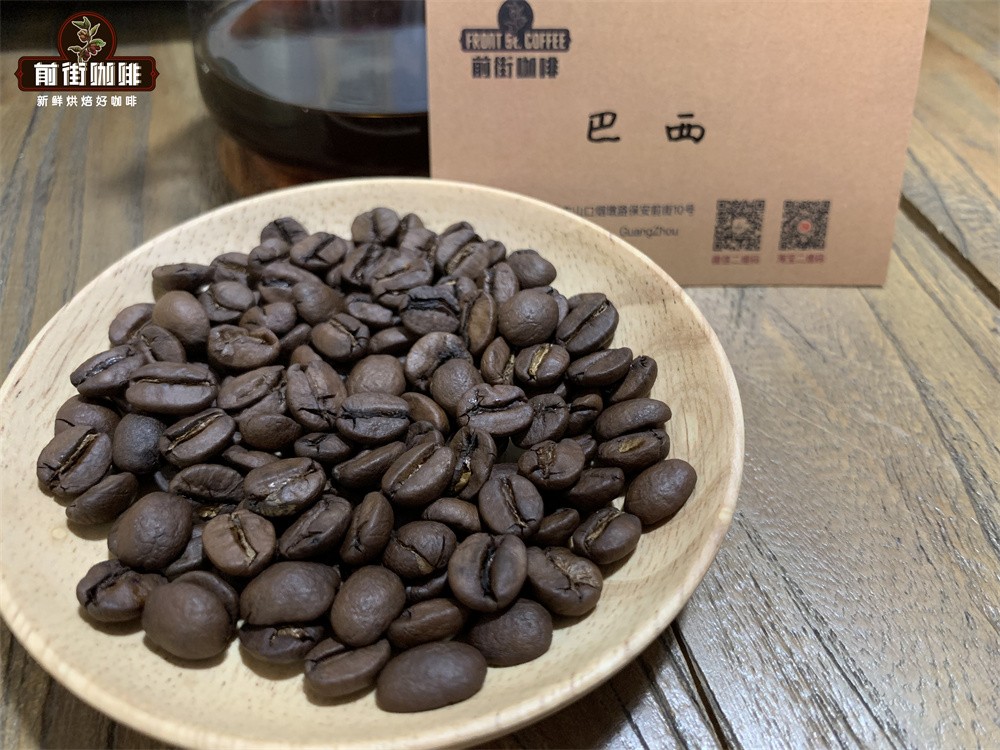
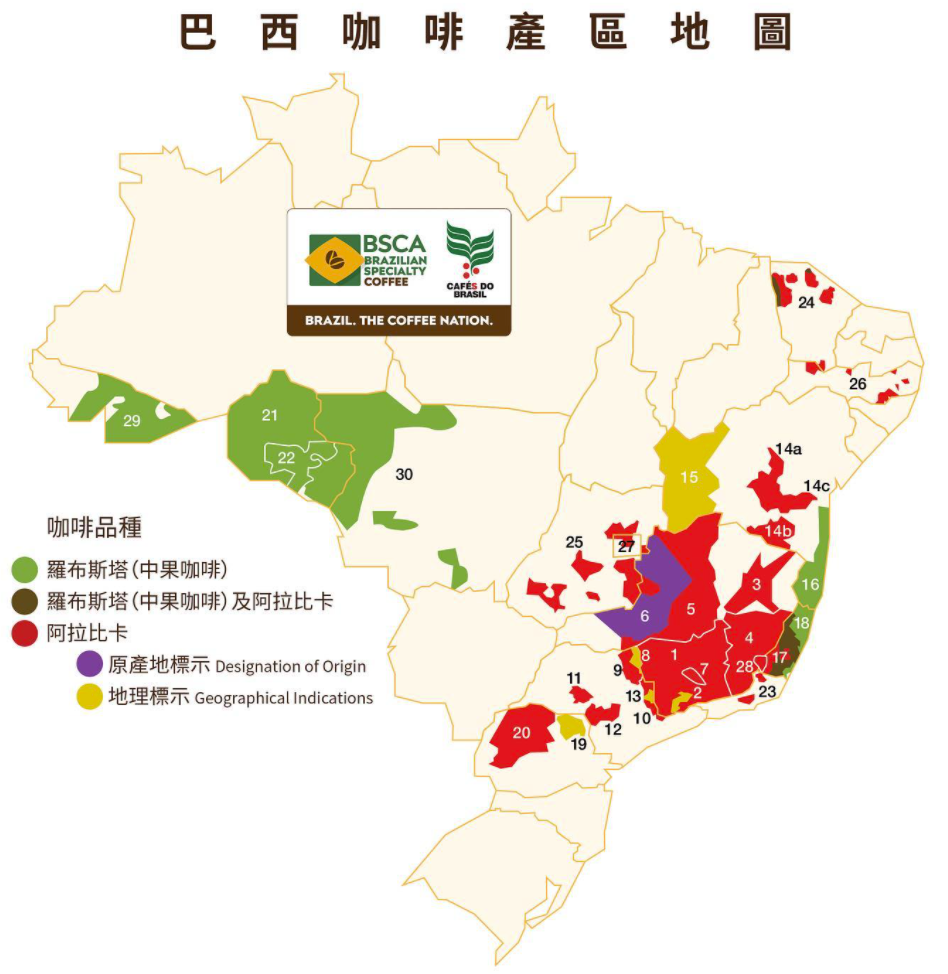
Brazilian coffee plantations are mainly concentrated in the central-southern region, spanning more than 14 growing areas across seven states. Among the most representative are Cerrado, Sul de Minas, and Mogiana. Cerrado is located on the Brazilian central plateau, at elevations of about 850 to 1200 meters. With its flat terrain, dry climate, significant day-night temperature variation, and fertile soil, it is exceptionally well-suited for cultivating high-quality coffee. Coffees from this region often exhibit a rich, clean profile with pronounced sweetness and are the source of many premium single-origin beans. Sul de Minas is known for its diverse microclimates and high-altitude geography, primarily growing Bourbon and Yellow Bourbon varieties. It is recognized for stable green bean quality and richly layered flavors. Mogiana, located near the southern part of Minas, combines modern and traditional cultivation techniques and also produces a significant amount of high-quality coffee.
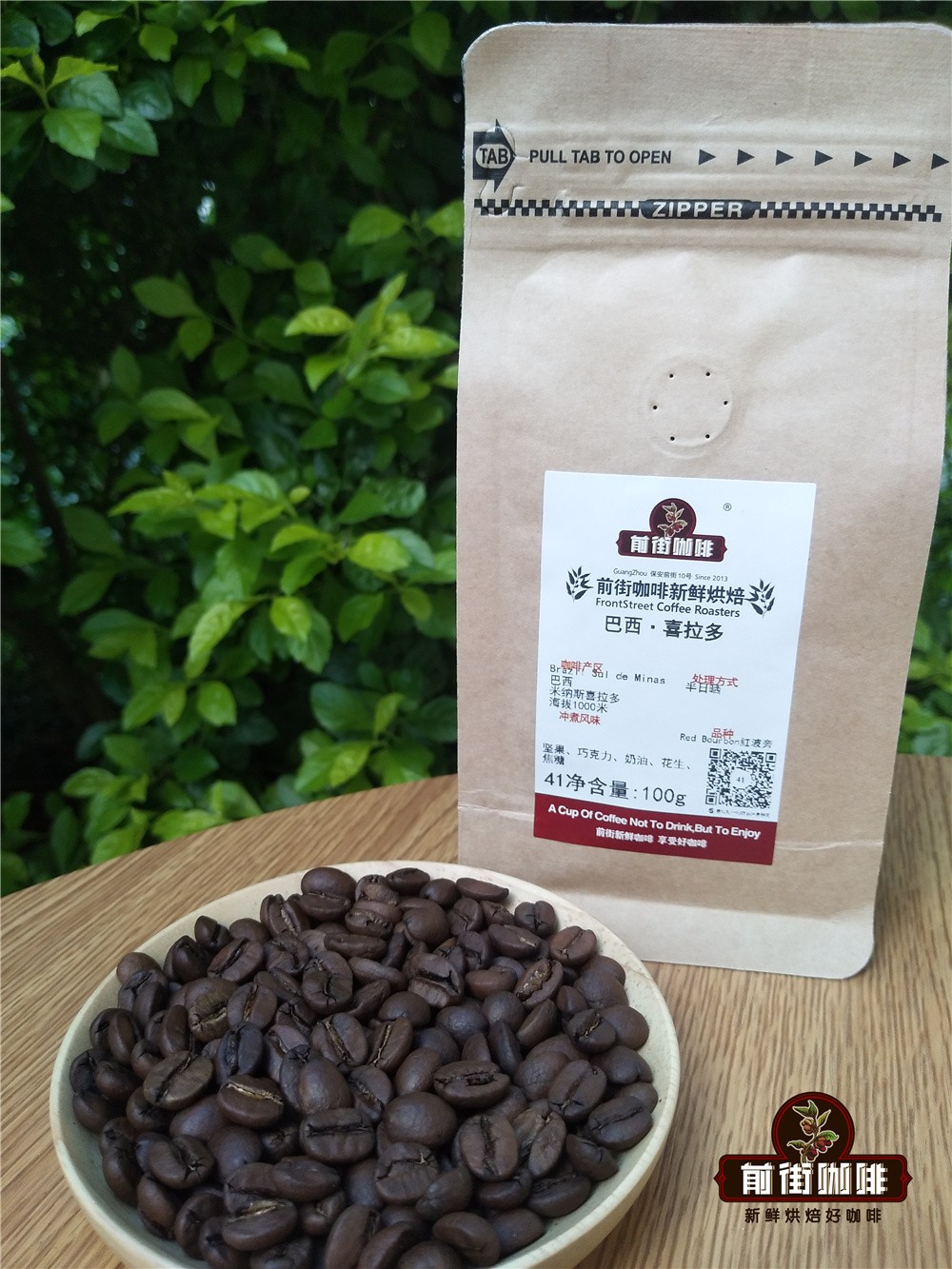
In terms of varieties, Brazil primarily grows Bourbon, Catuai, and Catuaí, with Bourbon further divided into mutations such as Red Bourbon, Yellow Bourbon, and Pink Bourbon. Red Bourbon, a mutation of Typica, produces red-colored fruits when ripe. It delivers clear, bright acidity and layered flavors reminiscent of red wine, making it one of the most widely cultivated varieties in Brazil.Yellow Bourbonis a genetic mutation of Bourbon, where the fruits ripen to an orange-yellow hue. It is typically grown at higher altitudes, and its flavor profile centers around nuts and chocolate, with soft and clean acidity, light bitterness, and an overall refreshing and crisp taste. The Queen Coffee launched in this region uses the Yellow Bourbon variety, sourced from the Mogiana area, making it a great choice for single-origin enthusiasts.
The processing method used for Brazilian coffee has a significant impact on its flavor. Traditionally, Brazil has relied heavily on the natural (sun-dried) method, but this approach is highly susceptible to weather conditions, leading to inconsistent flavors and sometimes even earthy or moldy notes. Starting in the 1990s, the industry developedthe pulped natural process (Pulped Natural), which involves removing the skin and pulp of the coffee cherry while retaining some of the mucilage, followed by sun drying. This method combines characteristics of both natural and washed processes, effectively reducing earthy flavors while enhancing sweetness and fruity notes—making it well-suited to highlight the full-bodied nature of Brazilian coffee. It’s worth noting that Cerrado, being inland and dry, still primarily uses the traditional natural process, though some high-quality Red Bourbon beans are processed using pulped natural to further elevate their flavor expression.
If you’d like to brew Brazilian coffee at home, starting with pour-over is recommended to experience its nuanced flavors. Here’s a practical set of parameters: use a KONO filter cone, water temperature around 88°C, a coffee-to-water ratio of 1:15 (e.g., 15 grams of coffee grounds to 225 grams of water), and a grind size similar to what would pass through a Chinese No. 20 sieve at about 75%—in other words, a medium-coarse grind. For extraction, you can use a two-stage method: start with a 30-second bloom using double the weight of coffee grounds in water (around 30 grams), then pour in a slow, circular motion until you reach 125 grams for the first pour. Continue pouring until you reach 225 grams, then stop and let the filter drip through completely before removing it. Keep the total brew time around 2 minutes. After brewing, it’s recommended to gently swirl the cup before drinking to achieve a more balanced flavor.
In terms of flavor, Cerrado Red Bourbon coffee processed with the pulped natural method offers an immediately noticeable sweetness with delicate lemon aromas. The mid-palate is rich with nutty flavors, and the finish reveals a deep dark chocolate note. The overall mouthfeel is round and layered. On the other hand, the Yellow Bourbon from Queen Estate, processed with the natural (sun-dried) method, is grounded in almond and cocoa notes, complemented by a distinct cane sugar sweetness. It has a full-bodied profile and outstanding sweetness, making it ideal for those who prefer sweet and aromatic coffees.
Overall, Brazilian coffee holds a solid position in the global market due to its stable production capacity and unique flavor profile. Whether you’re looking for a reliable everyday bean or an entry point into exploring single-origin flavors, it delivers a satisfying taste experience. If you haven’t tried Brazilian beans yet, consider starting with the recommended parameters and regions above to appreciate the beauty of their full body and balance.
The above content is compiled by CoffeeHunters, a coffee news website.


