







Introduction:Want to know why Panamanian Geisha coffee beans can stand out in the specialty coffee world and possess such enchanting floral aromas and fruity acidity? This article delves into the historical origins, regional characteristics, and grading system of the Geisha variety, and also provides practical pour over recommendations — including suitable filter drippers, water temperature, coffee-to-water ratio, and three-stage pouring techniques — so you can brew Geisha with rich flavor layers at home.
The global fame of Geisha (Geisha) coffee beans is inseparable from its championship win at the Best of Panama (BOP) coffee competition in 2004. However, not all Geisha beans come with a high price tag — there are actually many high-value options worth trying. This article will start with the origin of the variety, analyze how Panama’s geographical environment fosters the unique flavors of Geisha, introduce well-known producing regions and grading standards, and provide practical pour over extraction parameters to help you fully experience the delicate floral notes and crisp fruit acidity of Geisha.
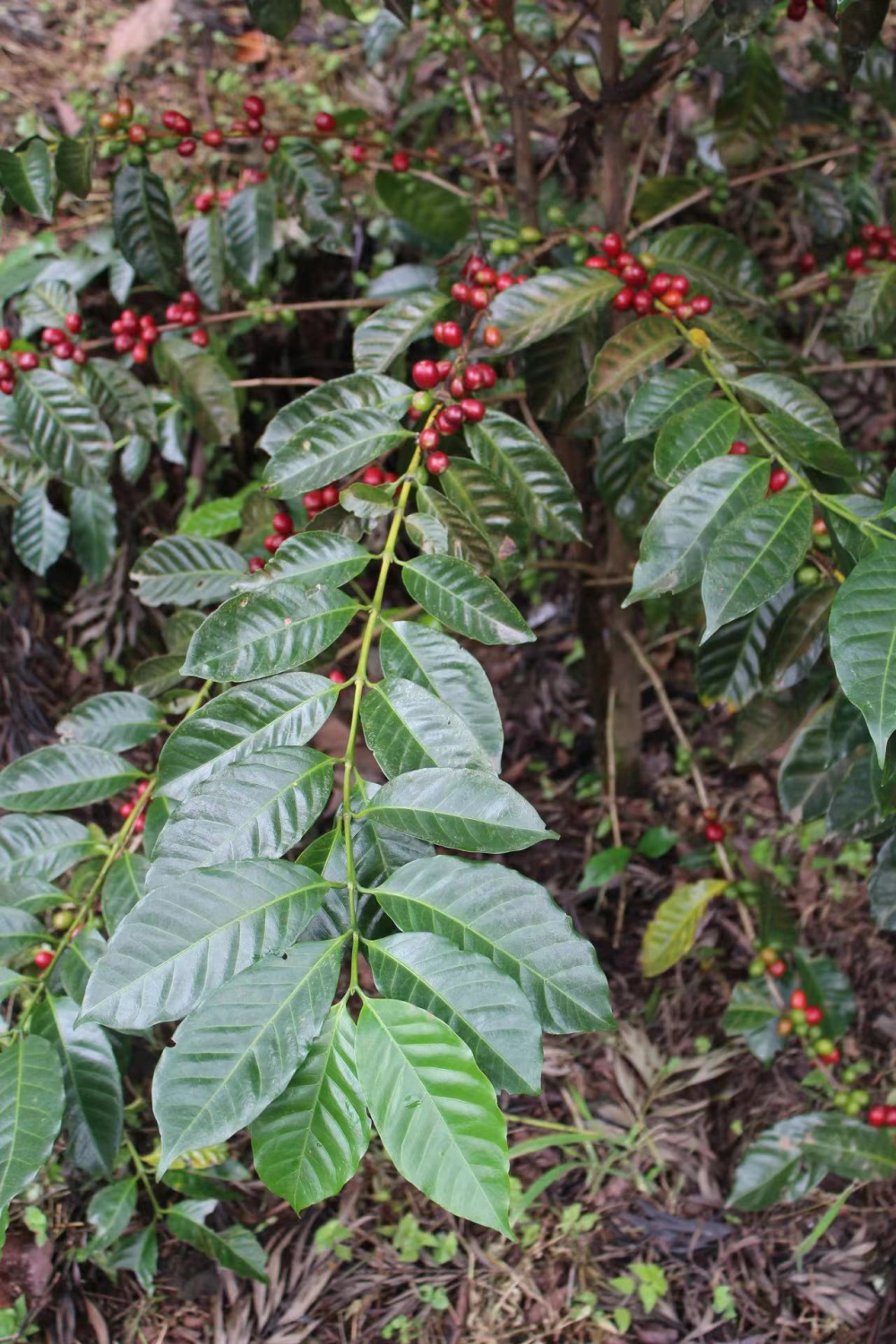
Geisha was first discovered in 1931 in the Gesha Forest of Ethiopia, then sent to the Kenya Coffee Research Institute, and subsequently introduced to Uganda, Tanzania, and Costa Rica. It wasn’t until 1970 that it was brought to Panama. However, in its early days, Geisha did not receive much attention due to its low yield, tall plant stature, and difficulty in management — it was mostly used as a windbreak. It wasn’t until 2003 when Panama’s Hacienda La Esmeralda isolated it from other varieties, and it won the BOP competition the following year, that the variety rose to the top tier of specialty coffee.
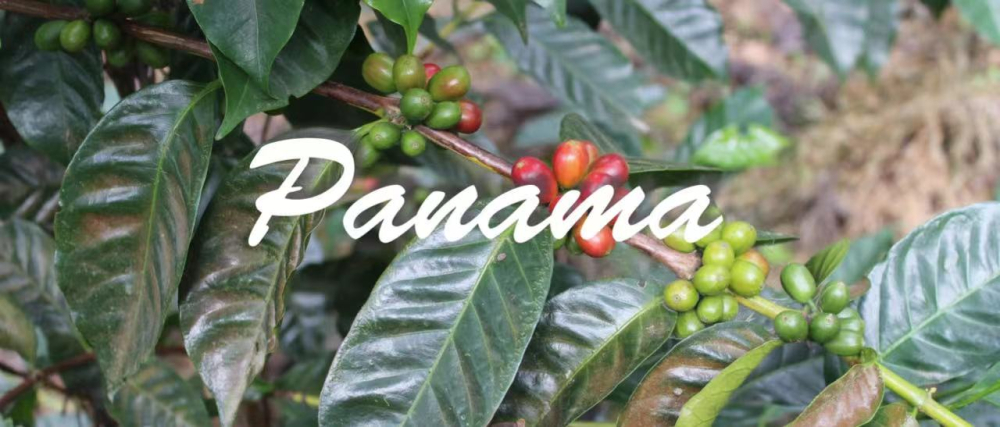
Although Geisha has been introduced to various parts of the world today, only Geisha grown in Panama can exhibit such delicate and layered flavors, which is inseparable from the local natural conditions. Panama is located in the tropics, bordering the Caribbean Sea to the east and the Pacific Ocean to the west, featuring a tropical maritime climate with large day-night temperature variations, an average annual temperature of about 23 to 27°C, abundant rainfall, and distinct dry and rainy seasons — all of which help coffee cherries accumulate rich flavor compounds.
Especially in the two major producing regions of Boquete and Volcán–Candela, the high altitude and unique microclimates make them ideal cultivation areas for Geisha coffee. These regions mostly sit between 1400 and 2000 meters above sea level, where the large day-night temperature difference further slows down the ripening process of coffee cherries, aiding in the accumulation of flavor compounds, thus creating Geisha’s characteristic bright acidity and floral-fruity aromas.

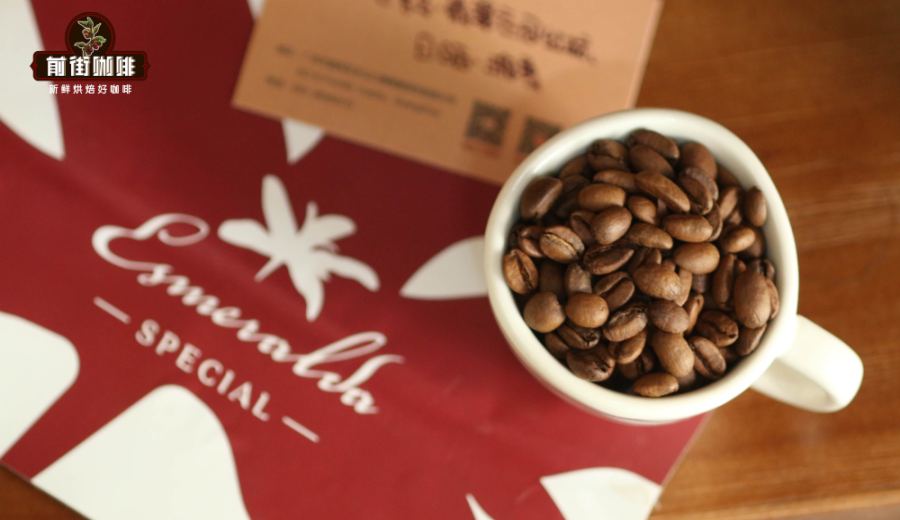
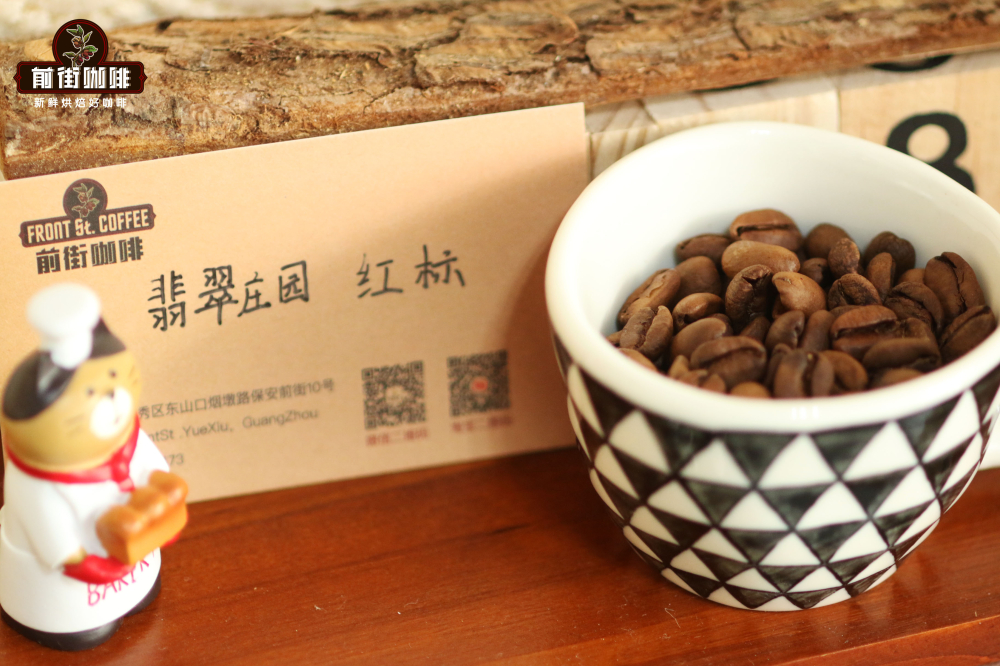
In terms of quality grading, Hacienda La Esmeralda categorizes Geisha into two main types: Red Label and Green Label. The Red Label is the Special Selection grade (ESMERALDA SPECIAL), usually sourced from high-altitude lots like Jaramillo and Cañas Verdes, often scoring over 90 points in cupping, with some batches even entering the auction market — it is widely recognized as top-tier Geisha on the market. The Green Label, on the other hand, belongs to high-altitude micro-lots, and although it doesn’t participate in auctions, it still retains the classic refreshing flavors of Geisha, such as lemon, berries, and a gentle tea-like finish, offering relatively higher value for money.
Beginners who want to try Geisha are recommended to start with washed-processed medium-light roasted beans, which typically showcase bright citrus, honeydew melon, and white floral notes, with a refreshing flavor profile that is ideal for experiencing the fundamental traits of Geisha. A certain coffee brand’s washed Geisha from Panama’s Boquete region is a good choice for beginners, with a clear flavor profile, balanced acidity and sweetness, and easy drinkability.
If you want to pour over high-quality Geisha coffee at home, it’s recommended to use a V60 dripper, with 15 grams of coffee grounds, brewed at a 1:15 coffee-to-water ratio, and a water temperature controlled around 91°C. Specifically, you can adopt a three-stage pouring method: first pour 30 grams of water for a 30-second bloom; then pour in small circles up to 125 grams, wait for the water level to drop, then pour up to 225 grams, with a total brewing time ideally between 2 minutes 10 seconds and 2 minutes 20 seconds. This method helps fully bring out the aroma and layered complexity of Geisha.
The Emerald Red Label Geisha, often sun-dried, tends to have intense notes of rose, citrus, berries, and a lingering black tea aftertaste, with lively acidity and a long finish. As the temperature drops, the flavors gradually reveal different layers, resulting in an overall smooth and full-bodied mouthfeel. The Green Label washed version, on the other hand, presents fresher notes of lemon, grapefruit, and green tea, suitable for those who prefer a clean and bright acidity.
In summary, the reason why Geisha coffee commands a higher price lies not only in its rare yield and high environmental requirements, but more importantly, in its repeated successes in competitions, and its unique floral-fruit aromas and crisp acidity that have won the favor of coffee lovers worldwide. As long as you master the correct brewing parameters and understand the traits of its processing methods, you too can enjoy this premium coffee from Panama’s highlands at home.
The above content is compiled by CoffeeHunters, a coffee news website.


