







Category: Coffee Knowledge

Complete Guide to Making Starbucks Flat White & Signature: Analysis of Espresso Bean Selection & Extraction Techniques
Understand the origins and characteristics of Starbucks Flat White (also known as Australian Flat White), grasp the differences between it and a latte, and learn professional extraction parameters and milk steaming techniques. This article details how to choose suitable espresso blends and shares practical home-brewing steps, so you can also make a rich-flavored, finely textured flat white coffee at home. [more…]

What’s the difference between blend beans and single-origin beans? A guide to choosing beans for pour over and Americano
Have you ever seen “blend” and “single-origin” beans at a coffee shop but weren’t sure which to choose? This article will help you understand the fundamental differences between the two—from origin sources, roast characteristics, to brewing methods—and provides practical bean selection tips and beginner guidance tailored to common Americano applications. Whether you’re new to coffee or looking to refine your brewing skills, you’ll find it helpful. [more…]

How is espresso crema formed? An analysis of extraction essentials and the 5 major factors affecting crema volume
The golden crema on top of an espresso not only affects its appearance but also serves as a crucial indicator of extraction quality. This article delves into the science behind crema formation, analyzing key variables such as freshness, roast level, extraction parameters, and bean variety. Illustrated with diagrams, it helps you master the skills and techniques for producing stable, rich crema at home or in a café setting. [more…]
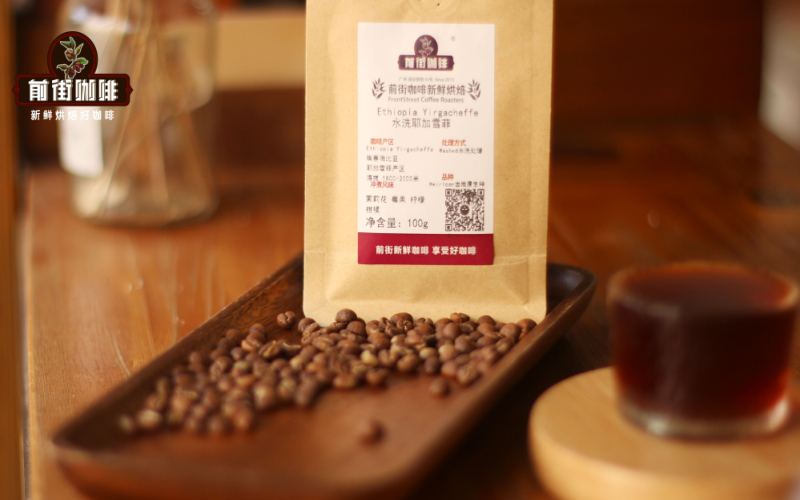
Yirgacheffe Coffee Beans Flavor Analysis | How to Choose Between Washed and Natural? Brewing Parameters and Taste Comparison
Want to understand the unique charm of Yirgacheffe coffee beans? This article provides an in-depth analysis of the geographical environment and processing differences of this famous Ethiopian producing region, and compares the flavor characteristics of washed and natural processes. It also offers practical pour over recommendations, including water temperature, grind size, and brew ratio, to help you fully showcase Yirgacheffe’s floral, fruity aromas and bright acidity. [more…]
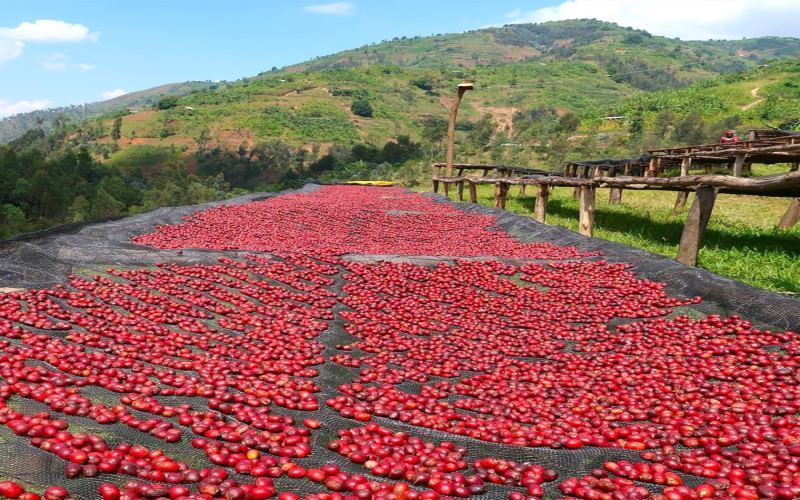
Yirgacheffe Red Cherry Natural vs. Red Honey: A Complete Guide to Flavor Differences and Pour Over Parameters
Yirgacheffe Red Cherry coffee beans are available in two processing methods: natural (日曬) and red honey (紅蜜). Although both are grown in Ethiopia’s high-altitude regions, their distinct processing methods result in vastly different flavor profiles. This article provides an in-depth analysis of the processing techniques, regional background, and flavor characteristics of both, along with practical pour over recommendations and parameters to help you make the best choice based on your taste preferences. [more…]
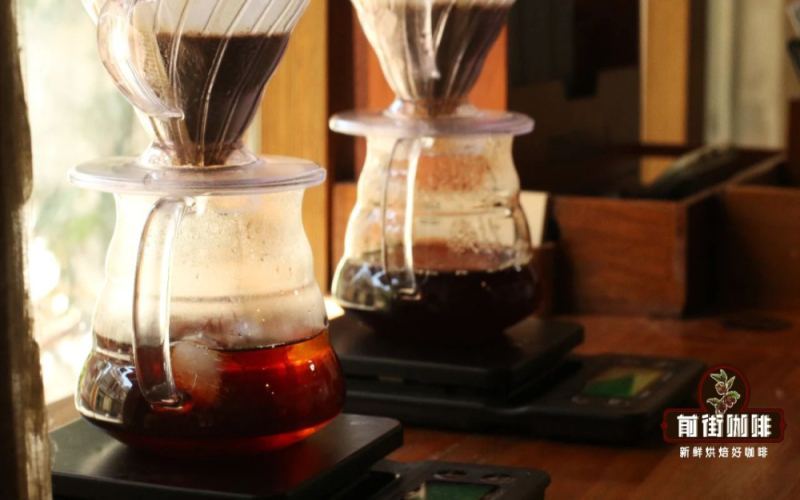
Yirgacheffe Red Cherry Project vs. Natural Aricha: Flavor Analysis & Pour Over Parameters Guide
Want to uncover the secrets of high-quality Ethiopian natural process coffee? This article dives deep into the origins and operations of the Yirgacheffe Red Cherry Project, comparing the green bean characteristics, roasting profiles, and cupping flavor differences between Red Cherry Yirgacheffe and Natural Aricha—both grade G1 beans. It also provides practical pour over parameters and techniques to help you master the unique flavor profiles of these two classic natural-processed beans. [more…]
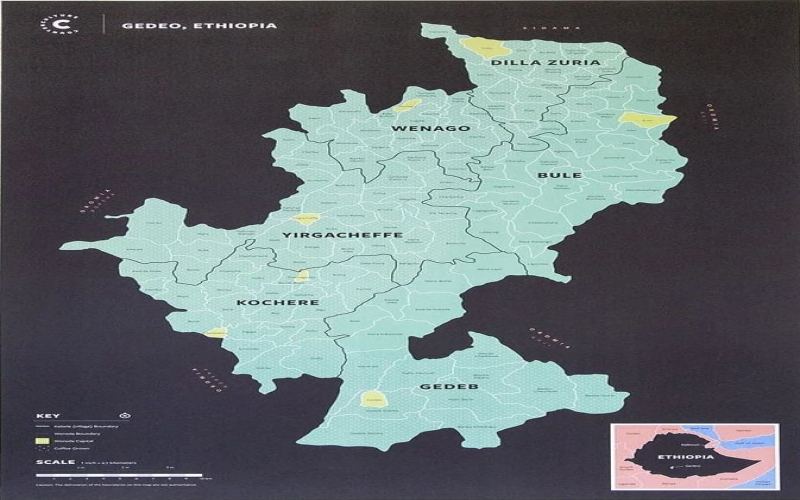
A Complete Guide to Yirgacheffe Sub-Regions & Natural Processing: ECX Grading & the Red Cherry Project Unveiled
Dive deep into the sub-region structure of Ethiopia’s Yirgacheffe coffee region and the ECX grading system. Explore the evolution from altitude and varietal to processing methods, and fully analyze how natural processing enhances berry-like aromas. Meanwhile, uncover how the Red Cherry Project elevates coffee quality at the source, along with practical flavor descriptions and brewing recommendations to help you master this uniquely flavorful African specialty coffee. [more…]
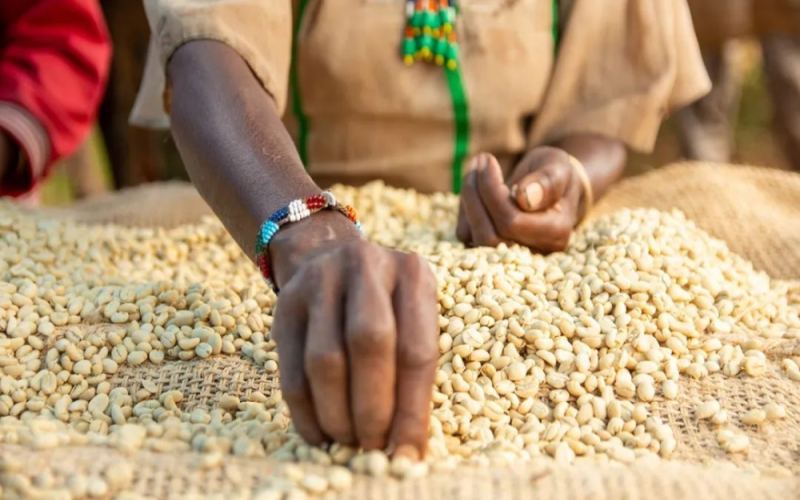
Analysis of the Yirgacheffe Coffee Bean Region and Practical Guide to Pour Over & Cold Drip Brewing
Yirgacheffe coffee is renowned for its distinctive citrus acidity and floral-fruit aroma, making it a top choice for many beginners entering the world of specialty coffee. This article delves into the geographical grading, variety characteristics, and processing methods of Yirgacheffe, and provides practical parameters for pour over and cold pour over brewing—including grind size, water temperature, coffee-to-water ratio, and extraction steps—to help you master the brewing essentials of this classic origin. [more…]
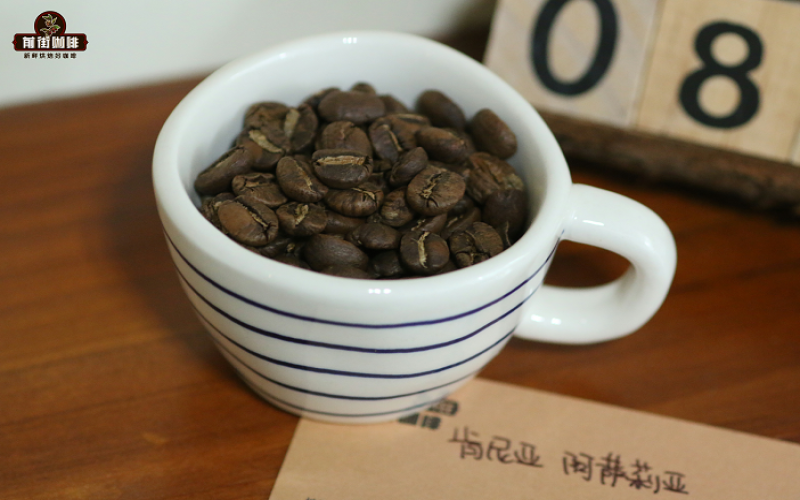
Kenya Assaliya Washed Coffee Pour Over Tutorial: K72 Processing Method & Flavor Extraction Techniques
Kenya Assaliya washed coffee beans are renowned for their bright acidity and complex layers of flavor. Processed using Kenya’s signature K72 washed method, they showcase distinctive notes of Sydney pear, dark plum, brown sugar, and berries. This article delves into the geographical advantages of the Thika growing region, the characteristics of the SL28 and SL34 varieties, and provides a detailed breakdown of the K72 processing workflow. It also offers two practical pour over methods using the V60 and cake dripper, teaching you how to extract the bean’s rich flavors through precise water temperature, grind size, and brewing rhythm. [more…]
Kenya SL28 Pour Over Guide: Water Temperature, SL28 Variety Characteristics, and Analysis of Dual Hot & Cold Flavors
Kenyan coffee is beloved by pour over enthusiasts for its bright fruity acidity and rich layered flavors, while water temperature settings and variety selection during the brewing process directly determine the flavor direction. This article delves into the historical background, variety characteristics, and source of acidity of Kenya’s renowned SL28 variety, using the classic washed Nyeri AA as an example to provide practical pour over recommendations and parameters. It compares the flavor differences between hot brew and cold brew, helping both coffee beginners and advanced enthusiasts master key techniques to brew a rounded [more…]
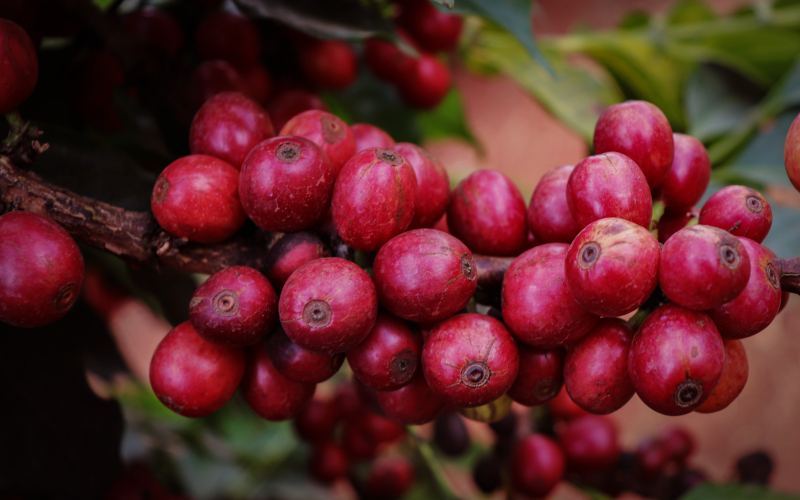
Unveiling the Causes of Kenyan Coffee Acidity | V60 Pour Over Parameters & Tomato-like Flavor Notes of SL28/34
Kenyan coffee is renowned for its distinctive bright acidity and refreshing tomato-like flavor notes, yet it often elicits mixed reactions from first-time drinkers. This article delves into the key factors behind its high acidity—from the subtle interplay between high-altitude cultivation environments and volcanic soils, to the genetic characteristics of the classic SL28 and SL34 varieties—helping you understand the science behind this flavor profile. It also provides practical V60 pour over parameters and steps to guide you in recreating a clean, balanced Kenyan coffee experience at home. [more…]

The Secret Behind Kenya Coffee’s Captivating Acidity: A Comprehensive Guide to Varieties, K72 Washed Process & Roasting Techniques
Kenya coffee is renowned for its bright acidity and rich fruity notes, making it a favorite among many specialty coffee enthusiasts. This article delves into the growing environment of Kenya coffee, the characteristics of its key varieties SL28 and SL34, and how the unique K72 washed process contributes to its captivating acidity. It also provides practical recommendations for roasting and pour over parameters to help you better understand and appreciate this uniquely flavored coffee. [more…]

How to Brew Kenyan AA Coffee? Master Its Flavor, Origin & Pour Over Parameters
Kenyan AA coffee is renowned for its bright high acidity and distinct notes of small tomatoes and berries, making it a must-try for specialty coffee enthusiasts worldwide. But to fully showcase its refreshing fruit acidity and rich, juicy complexity, precise control is required — from bean selection and grind size to pulsed pouring. This article delves into the varietal background and altitude-based grading characteristics of Kenyan AA, and provides practical pour over recommendations to help you brew a Kenyan coffee with vivid, well-defined flavors. [more…]
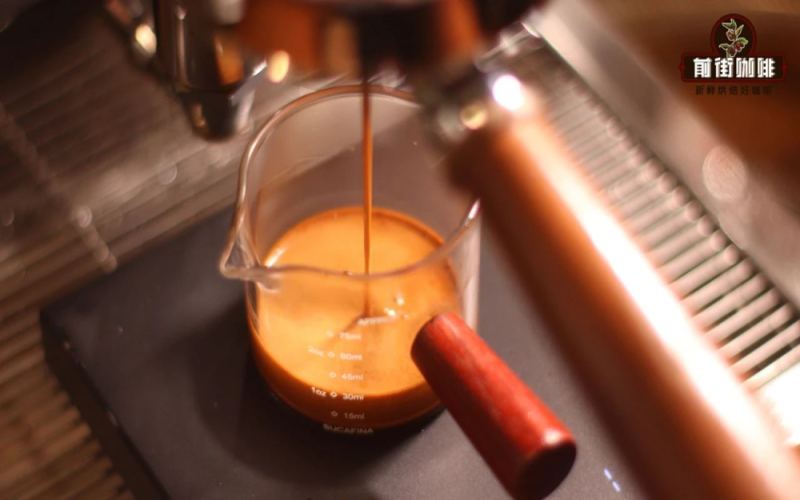
Can dark roast espresso blends be used for pour over? Flavor analysis and extraction guide for Warm Sun Blend
Many coffee enthusiasts wonder: are coffee beans labeled as dark roast and espresso blend suitable for pour over? The key lies in understanding how roast level affects flavor. This article delves into the color value changes and flavor characteristics at different roast stages such as French, Italian, and city roast, explores the performance differences of dark roast beans in pour over and espresso scenarios, and takes a warm sun-flavored blend as an example to introduce in detail its development background, roast curve, and extraction scheme, helping you master the art of extracting premium flavors from dark roast beans. [more…]

Analysis of Kenyan SL28 and SL34 Varieties | Flavor Differences & Brewing Tips for AA, AB, and PB Grades
Kenyan coffee is renowned for its bright acidity and complex flavors, largely thanks to two classic varieties: SL28 and SL34. This article delves into the origins, genetic backgrounds, and cupping characteristics of these two varieties, and compares the grading criteria and actual flavor differences among the AA, AB, and PB grades. It also provides roast profiles for the washed process and V60 pour over parameters to help you better understand the drinking logic of Kenyan coffee. [more…]

Complete Guide to Kenyan Coffee: Regional Grading, Auction System, and Pour Over Parameters
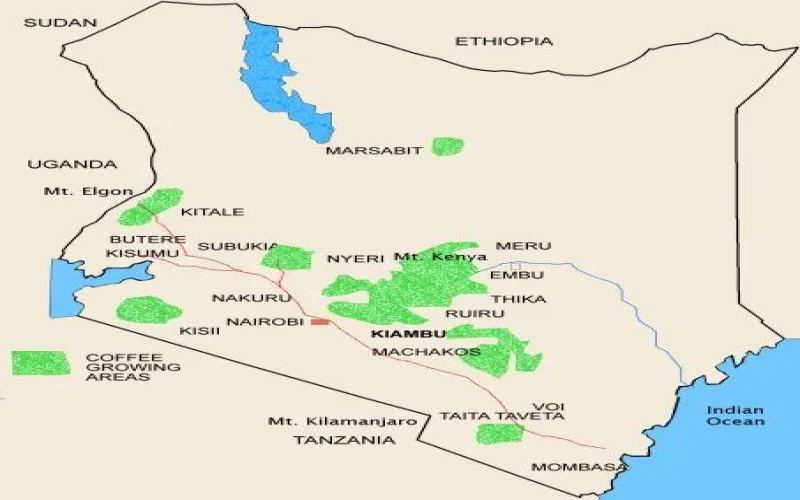
Kenyan coffee is renowned for its bright acidity and rich berry flavors, but behind its development lies a transformation from colonial plantations to a modern auction system. This article will delve into the characteristics of Kenya’s six major growing regions, bean grading standards, and provide professional pour over recommendations and parameter settings to help you fully grasp the essence of this East African specialty coffee. [more…]
A Comparative Analysis of Washed vs. Natural Kenyan Coffee | Pour Over Parameters & Flavor Profiles
Kenyan coffee is renowned worldwide for its distinctive flavors, with the washed and natural processing methods showcasing particularly contrasting personalities. This article delves into the differences between the two in terms of growing environment, processing techniques, and varietal characteristics, while also providing practical pour over parameters and recommendations to help you better understand how to select and brew Kenyan coffee. [more…]
Complete Guide to Kenyan Coffee Beans: From Regional Flavors to K72 Washed Process and Pour Over Parameters
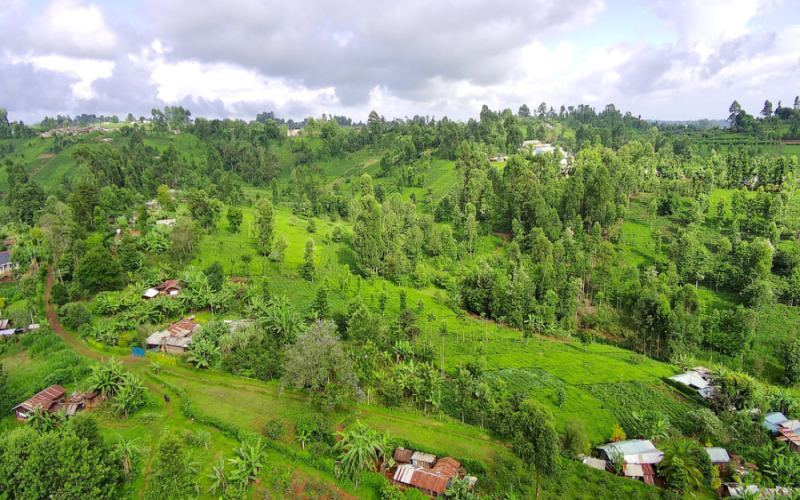
Kenyan coffee is globally renowned for its bright acidity and berry-like flavor profile, making it a representative specialty bean in the hearts of many coffee enthusiasts. This article delves into the distribution of Kenya’s main coffee-growing regions, how altitude and climate influence flavor, details the origins of the classic SL28 and SL34 varieties, as well as the characteristics of the disease-resistant Ruiru 11 hybrid. It also provides an in-depth look at Kenya’s iconic K72 washed processing method and bean grading system, along with practical pour over recommendations including grind size, water temperature, brew ratio, and pouring techniques. [more…]
Kenyan AA Coffee Grade Explained & Pour Over Techniques: A Complete Guide from Flavor to Hot & Iced Brewing
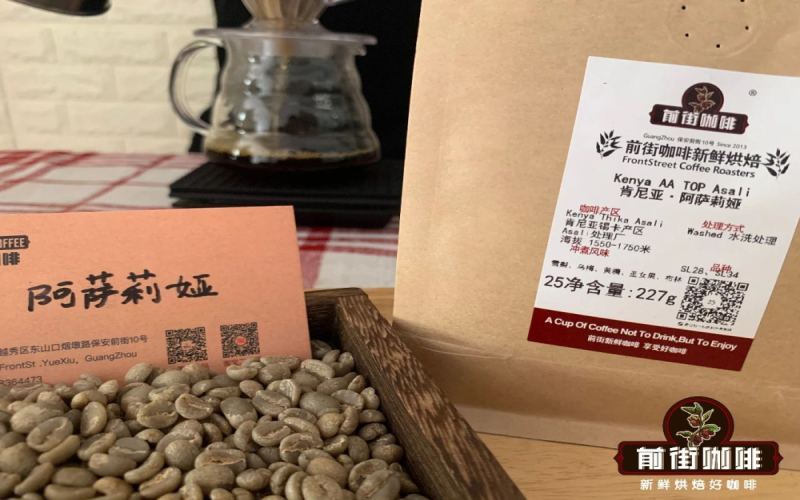
Dive deep into Kenya’s rigorous coffee grading system and understand the unique flavor profiles of the AA and AA TOP grades. This article takes you through everything from bean grade classification and auction system background, to hot pour over and iced pour over brewing parameters and hands-on techniques. Fully explore the bright acidity and berry complexity of Kenyan coffee, and provide professional-level pour over tips so you can brew juicy, specialty-grade Kenyan coffee at home. [more…]
How to Distinguish Between Kenyan AA and AA TOP Coffee Beans? A Complete Guide to Grades and Flavors
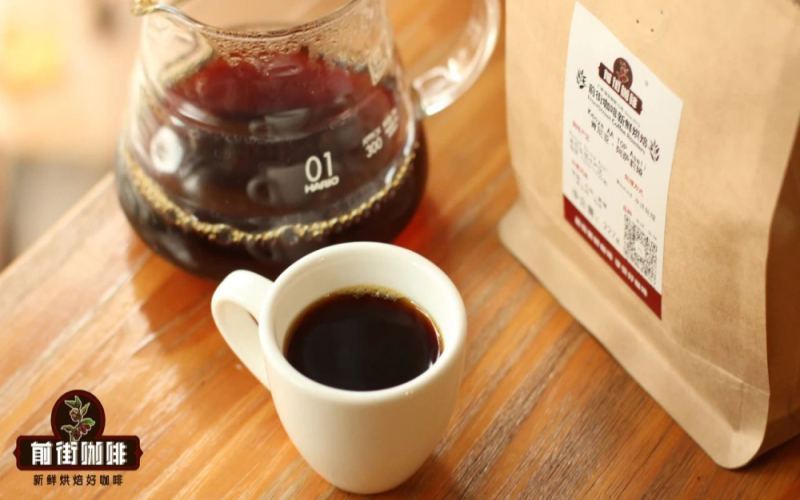
Kenyan coffee is renowned for its intense fruity acidity and rich mouthfeel, with the AA and AA TOP grades being particularly sought after by coffee enthusiasts. But do you know what sets AA apart from AA TOP? Beyond bean size, does the grading system also take cupping flavor into account? This article dives deep into Kenya’s coffee grading logic, regional characteristics, auction mechanisms, and helps you identify the real differences between grades through actual tasting. [more…]