







Introduction:Want to understand the unique charm of Yirgacheffe coffee beans? This article delves into the geography, processing differences, and flavor characteristics—comparing washed and natural methods—of this renowned Ethiopian producing region. It also offers practical pour-over brewing advice, including water temperature, grind size, and brew ratios, to help you fully showcase Yirgacheffe’s floral-fruity aromas and bright acidity.
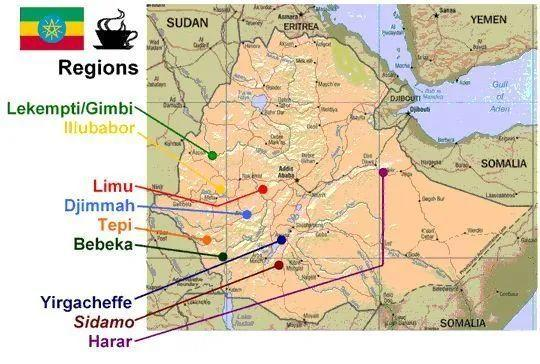
Yirgacheffe (Yirgacheffe) is one of Ethiopia’s most celebrated specialty micro-regions in the south, known for its bright citrus notes, delicate floral tones, and tea-like aftertaste. Coffees from here, whether washed or natural, demonstrate exceptional quality and diverse flavors, making them a top choice for many coffee enthusiasts exploring African beans.
Yirgacheffe—the Pearl of Ethiopian Coffee
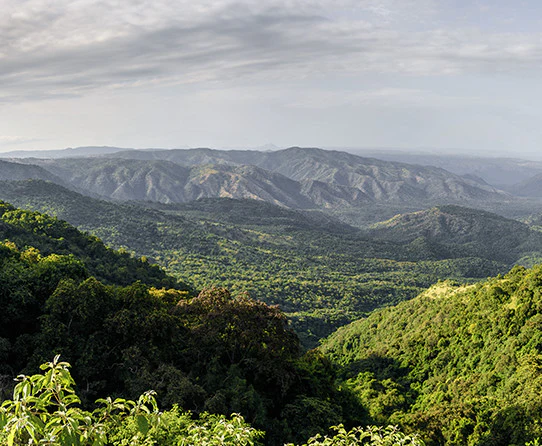
Originally just a small town within Ethiopia’s Sidamo region, Yirgacheffe was designated as a separate micro-region due to the exceptionally high quality of its coffee. With elevations mostly ranging between 1,700 to 2,100 meters—and some areas exceeding 2,300 meters—it’s one of the world’s most suitable high-altitude zones for cultivating Arabica. Blessed with ideal geographic and climatic conditions, including stable temperatures, frequent fog, and ample moisture, the region produces coffee with intense floral-fruity aromas and crisp acidity.
Most coffee in the Yirgacheffe area is grown by smallholder farmers, often intercropped with other plants. This farming method not only maintains biodiversity but also helps stabilize farmers’ livelihoods. After harvest, the cherries are typically sent to local cooperatives for unified processing and sold under the cooperative’s name. Currently, Yirgacheffe is managed by the Yirgacheffe Coffee Farmers Cooperative Union (YCFCU), consisting of 28 small cooperatives, ensuring product traceability and consistent quality.
In addition to the core Yirgacheffe region, three nearby sub-zones—Wenago, Kochere, and Gelena Abaya—are often grouped under the Yirgacheffe system due to similar flavor profiles, with Kochere (Kochere) particularly noted for its premium natural lots.
Yirgacheffe Red Cherry Project: A Key to Enhancing Quality and Income
To improve local coffee quality and farmer income, a Dutch trading company launched the “Red Cherry Project” in 2007. Focusing on high-altitude regions, the project emphasizes harvesting only 100% ripe cherries, introduces professional cupping, improves processing techniques and equipment, and provides financial and technical support to farmers. This initiative not only enhances flavor consistency and market value but also directly benefits local growers, enabling fairer compensation. A well-known brand’s natural Yirgacheffe Red Cherry is one of the program’s flagship offerings.
Yirgacheffe’s Coffee Varieties: The Charm of Heirloom
Ethiopia boasts the world’s richest coffee gene pool, with over 2,000 registered varieties, the vast majority being native Heirloom types. These varieties, shaped by long-term natural evolution and local adaptation, possess unparalleled flavor diversity. Due to the complexity and difficulty in classification, most Ethiopian coffee exports are broadly labeled as “Heirloom,” which is also the common variety designation for Yirgacheffe beans.
Washed vs. Natural Processing: Markedly Different Flavor Profiles
Yirgacheffe coffee beans are mainly divided into two processing categories—washed and natural—each yielding distinctly different flavor expressions:
Washed Process (Washed Process): Emphasizes clean, bright acidity and distinct floral-fruity notes, with common flavors including lemon, jasmine, citrus, honey, and tea. The process is complex, requiring water to remove pulp and mucilage, and is water-intensive—but it delivers the purest expression of regional characteristics.
Natural Process (Natural Process): Involves drying coffee cherries directly in the sun, preserving more fruit sugars and resulting in richer fruitiness, sweetness, and fermentation notes such as berries, honey, cream, and wine. Recent advancements in natural processing have significantly reduced issues like defects and off-flavors, making it a favored choice among specialty coffee enthusiasts.
Practical Recommendations: Washed and Natural Yirgacheffe Everyday Beans
If you’re keen to try Yirgacheffe, these two everyday-grade beans are worth considering:
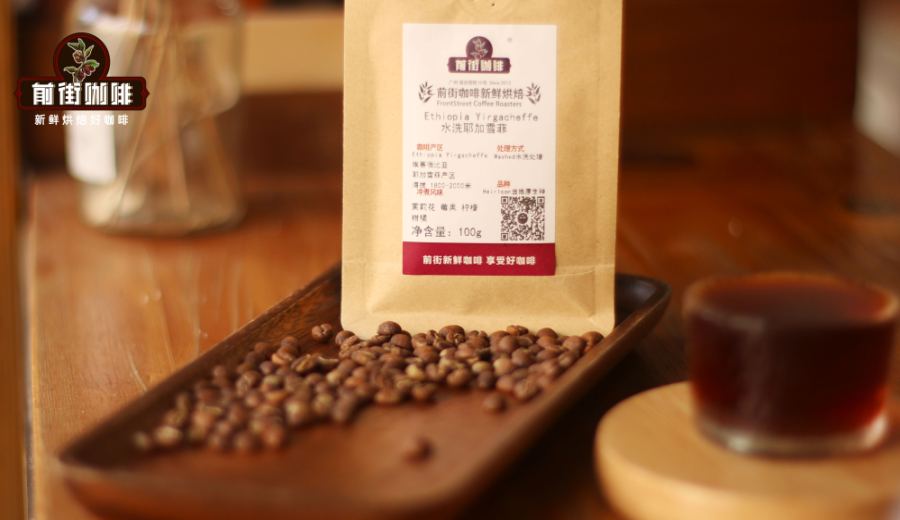
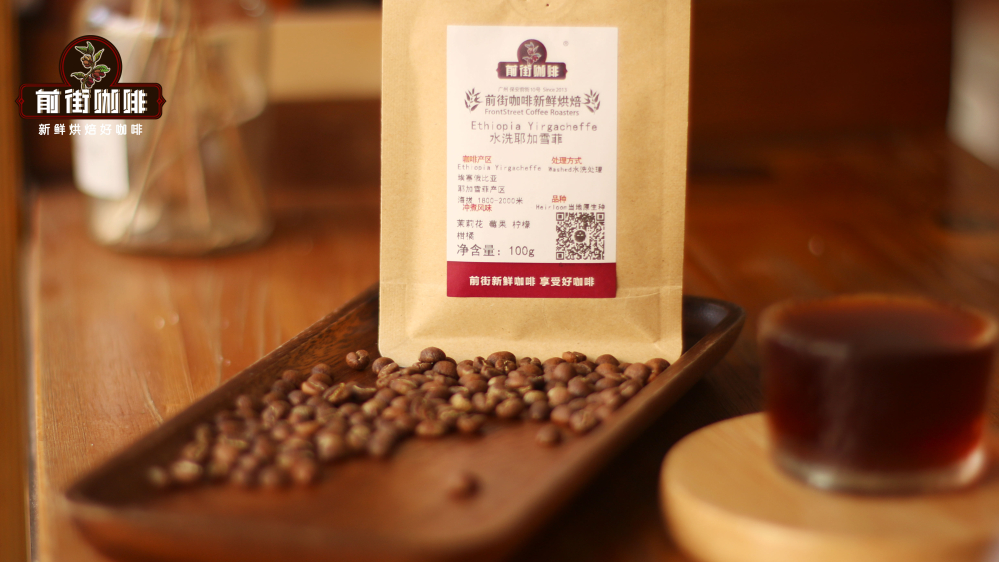
Washed Yirgacheffe (Guji Dingding Cooperative)
Region: Yirgacheffe
Elevation: 1,900–2,000 meters
Process: Washed
Variety: Heirloom
Flavor: Lemon, citrus, berries, honey, tea
Features: Bright acidity, clear layers—ideal for daily pour-over, and relatively affordable.
Natural Yirgacheffe Red Cherry
Region: Yirgacheffe Aratele Processing Station
Elevation: 2,300 meters
Process: Natural
Variety: Ethiopian Native
Flavor: Berries, citrus, fermented wine notes, honey, creamy mouthfeel
Features: Rich sweetness with pronounced fermentation character—suited for those who enjoy bold fruitiness and full-bodied profiles.
Pour-Over Tips: How to Brew the Essence of Yirgacheffe?
Recommended using a V60 dripper to fully highlight Yirgacheffe’s layered and clear flavors. Below are tested parameters and steps:
- Water Temperature:91–93°C(Suitable for bringing out floral-fruity notes and acidity)
- Grind Size: 20-mesh Chinese sieve passing rate80%(Equivalent to medium-fine grind)
- Brew Ratio:1:15(e.g., 15g coffee to 225ml water)
- Brewing Method: Step extraction—start with double the coffee weight in water (~30g)for a 30-second bloom,then pour in stages to reach 125g and 225g, keeping total brew time around2 minutes.。
Notes: The bloom phase helps release CO₂ for even extraction; aim for steady, gentle pouring to avoid over-agitation and over-extraction.
Summary: Washed for Freshness, Natural for Intensity—Your Choice
Whether washed or natural, Yirgacheffe coffees showcase the distinctive charm of Africa’s high-altitude beans. Washed versions highlight clear floral notes, lemony acidity, and tea-like textures—perfect for those who prefer a clean, refreshing cup. Natural versions deliver bold fruitiness, fermentation depth, and sweetness—ideal for drinkers who enjoy richer, fuller flavors. Choose your preferred process based on taste preference, pair it with the right brewing parameters, and savor this Ethiopian coffee artistry.
Washed Yirgacheffe Flavor Profile: Prominent fruity notes, bright jasmine aroma, berry tones, distinct lemon acidity, with pineapple and apple undertones; clean, smooth mouthfeel, and long finish.
Natural Yirgacheffe Red Cherry Flavor Profile: Intense berry and citrus aromas, complemented by fermented wine notes and creamy texture, with abundant sweetness and layered complexity.
The above content is compiled by CoffeeHunters, a coffee news website.


