







Introduction:Kenyan coffee is renowned for its distinctive bright acidity and rich berry flavors, but its industry development hides a transformation journey—from colonial plantations to a modern auction system. This article will delve into the characteristics of Kenya’s six major coffee-growing regions, its bean grading standards, and offer professional pour-over recommendations and parameter settings to help you fully grasp the essence of this East African specialty coffee.
Kenyan coffee has long held a cherished spot among specialty coffee enthusiasts for its vibrant and lively acidity, abundant berry notes, and solid juiciness. But what’s lesser known is that this East African country, bordering Ethiopia—the birthplace of coffee—only began its coffee cultivation history in the late 19th century.
Many newcomers to specialty coffee often start with well-known regions like Yirgacheffe or Mandheling. As their palates develop, preferences gradually diversify: some gravitate toward the full-bodied, low-acid profiles of Mandheling, Blue Mountain, or Brazilian beans; while others are drawn to the bright acidity and complex layers found in Kenyan and Panamanian Geisha coffees. When describing Kenyan coffee’s flavor profile, the industry often refers to it as having the “lively acidity of a cherry tomato” or a “burst of juicy berries”—descriptions that alone are enough to spark the curiosity of coffee lovers.
The origins of coffee cultivation in Kenya present an interesting contrast with its neighbor Ethiopia. Though geographically connected and with Ethiopia recognized as the birthplace of coffee, Kenya’s coffee-growing history began much later. Reliable historical records indicate that the first coffee trees were introduced from Réunion Island by French missionaries in 1893, and the first coffee harvest didn’t occur until 1896. At the time, the entire Kenyan region was under British colonial rule as part of the “East Africa Protectorate,” where coffee was treated as a strategic cash crop and its cultivation by local residents was strictly restricted. As a result, the early coffee production was almost entirely monopolized by large plantations operated by British colonists, with the harvests directly shipped back to Britain for sale.
In 1933, the Kenya Coffee Board was officially established, symbolizing the gradual return of control over the coffee industry to local stakeholders. The auction system set up the following year held its first trading session in the capital, Nairobi, in 1935. This innovative mechanism continues to this day and has become an important reference model for global coffee trade.
By the 1950s, the Kenyan government, through agricultural reform legislation, allowed local families to expand their farmland usage beyond subsistence farming to include cash crops for additional income. Today, the vast majority of Kenyan coffee still undergoes transactions via the Nairobi Coffee Exchange. Auctions are regularly held on Tuesdays during harvest season, where qualified international traders can obtain green bean samples in advance for cupping and selection, then acquire beans at the highest bid during the auction. This transparent trading system not only enhances market efficiency but also indirectly encourages farmers to continuously improve quality management.
Kenya is home to several renowned coffee-growing regions, among which Kirinyaga and Nyeri are the most representative. Overall, the country can be broadly divided into the following six main areas: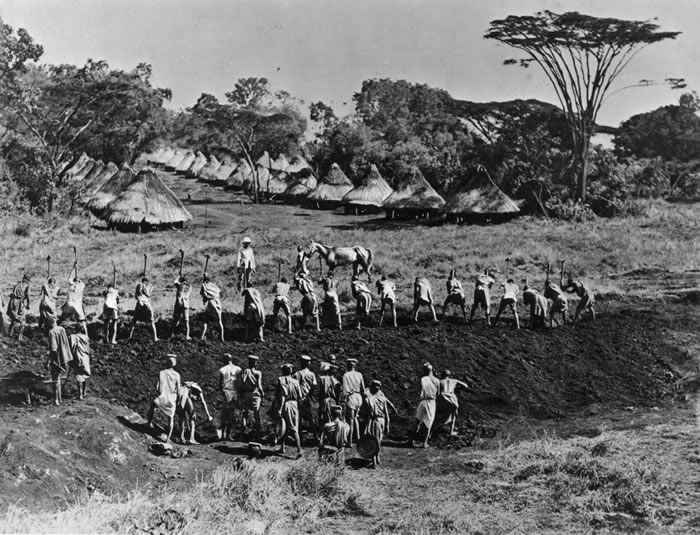
【Kiambu】
Located in central Kenya, the region was historically dominated by large estates, but urbanization has led to a year-by-year decrease in the number of surviving farms. Coffees from areas such as Thika typically exhibit bright acidity and a full body, with some batches showcasing unique flavors like black plum and cherry tomatoes, along with a noticeable mid-palate brown sugar sweetness and a lingering berry aroma in the finish.
【Kirinyaga】
Boasting fertile volcanic soil, local processing facilities are generally known for their refined techniques. The coffee produced here is renowned for its clear layers and solid mouthfeel, and has long been rated as one of Kenya’s top coffee-growing regions.
【Nyeri】
Adjacent to Kirinyaga and nestled at the foot of the dormant Mount Kenya volcano, the region’s mineral-rich volcanic red soil creates unique terroir conditions. Dominated by smallholder cooperatives, the coffee here often features blackberry acidity, citrus notes, and delicate floral tones, with a rich mouthfeel and long-lasting aftertaste.
【Embu】
Located near Mount Kenya, about 70% of the population is engaged in small-scale farming, with tea and coffee as the main cash crops. Due to the smaller size of the producing area, market circulation is relatively limited.
【Mt. Kenya West】
This area includes secondary regions such as Kisi and Kangunu, where most coffee comes from small cooperatives. The flavors tend towards roasted nuts and soft fruit acidity, making it suitable for consumers who prefer lower-intensity acidity.
【Murang’a】
Situated in Central Province and home to over 100,000 coffee farmers, the volcanic soil characteristics impart bright acidity to the coffee while also offering a rich juiciness. Its historical background and geographical conditions together shape the region’s unique identity.
Kenya’s coffee grading system centers on bean size and processing quality, with ‘AA’ and ‘PB’ being the most common grade designations seen in the market. ‘AA’ typically refers to the largest and highest-quality beans, regarded as the flagship of premium specialty coffee; ‘PB’ stands for peaberry, a rare and unique bean variety. This grading system is strictly enforced by official agencies to ensure fair trading and consistent quality.
For brewing Kenyan coffee, professional baristas usually opt for a medium-light roast. It is recommended to use water at 93°C with a Hario V60 dripper for pour-over. This combination effectively highlights the bright acidity while maintaining a clean taste and clear aroma profile. Specific parameters are as follows: 15 grams of coffee, a 1:15 coffee-to-water ratio, and a grind size of approximately EK43s#10 (equivalent to 80% passing through a #20 sieve). The suggested brewing process is to start with a 30-second bloom using 30 grams of water, followed by incremental pours to reach 125 grams and then 225 grams, with the total brew time controlled around 2 minutes to achieve the best flavor balance.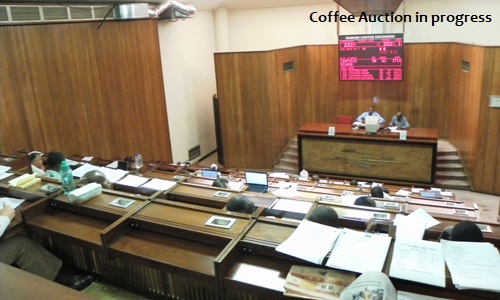
The above content is compiled by CoffeeHunters, a coffee news website.


