







Introduction:Have you ever seen both "blend" and "single origin" beans at a coffee shop but didn’t know which to choose? This article will help you understand the fundamental differences between the two—from their origins, roasting characteristics, to brewing methods—and offers practical bean selection advice and beginner guidance for common Americano applications. Whether you’re new to coffee or looking to refine your brewing skills, you’ll find valuable insights here.
Walk into a coffee shop, and you’ll often see “single origin coffee” and “blended coffee” as options on the menu. What’s the difference between them? Simply put, single origin coffee typically refers to beans from a single country, region, or even a specific farm, highlighting the unique flavors of that particular area. Blended coffee, on the other hand, is made by combining beans from different regions in specific proportions, aiming to create a more balanced and consistent flavor profile. Blending is not just a random mix—it’s a skillful craft where the blender carefully combines beans to achieve a harmonious and layered cup.
When making black coffee like an Americano, choosing between a blend or a single origin is often a big question for many coffee beginners. In fact, it depends on the kind of flavor experience you’re after. Blends, due to professional formulation, usually offer a more consistent and balanced taste after extraction, making them ideal for those who prefer stable flavors. Single origin beans, however, can highlight the unique terroir of their region—such as bright acidity, floral notes, or rich sweetness—making them more appealing to those who want to deeply explore the intrinsic characteristics of the coffee.
By definition, single origin coffee emphasizes a “single source,” typically referring to beans from a specific country, region, or even a single farm. These beans are best brewed using methods like pour over, French press, or siphon, which can fully showcase their delicate regional traits. Blended coffee, meanwhile, is commonly used in espresso-based drinks like espresso or latte. By mixing beans from different regions—like acidic and sweet beans from Central and South America with bold beans from Southeast Asia—in specific ratios, blenders aim to create a base that is both layered and balanced. The skill of a blender lies in understanding each bean’s personality and blending them so they complement each other, resulting in a more complex and cohesive flavor.
In some cases, blends may also include beans of the same variety but roasted to different degrees, or even a mix of fresh and aged beans. Therefore, blending isn’t just about combining varieties—it’s also about seeking the best harmony across multiple dimensions such as flavor, acidity, body, and aftertaste. This blending process is like color mixing; the blender must adjust proportions and roast levels according to the characteristics of each bean to achieve a satisfying overall result.
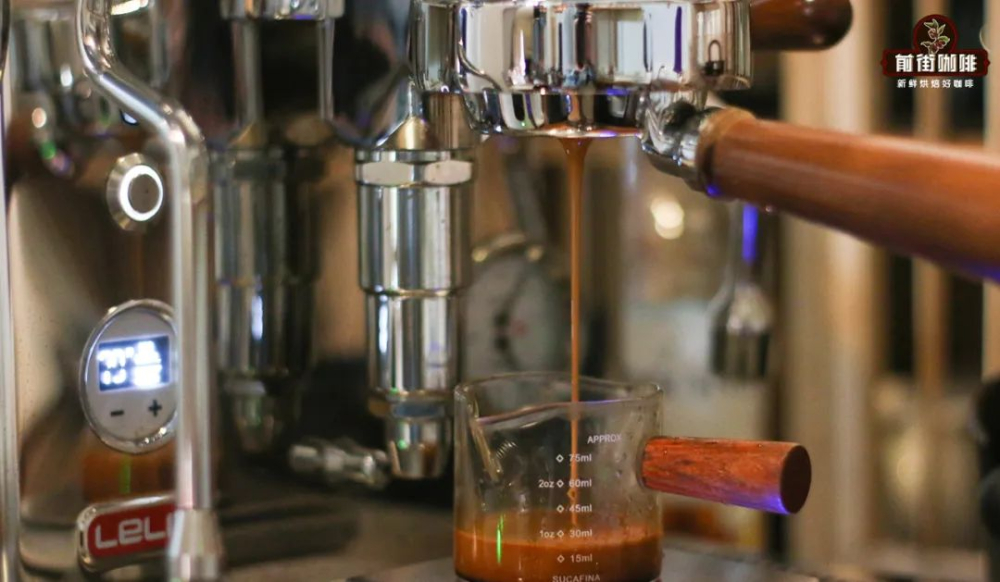
In practical use, blends are generally suited for high-pressure extraction tools like espresso machines and moka pots because they aim for a stable and balanced extraction result. These devices have certain requirements for the roast level of the beans, and medium to dark roasts are usually better at ensuring smooth extraction and flavor integration. For users who enjoy making milk-based drinks like lattes or cappuccinos at home, choosing a professionally blended coffee not only ensures a stable coffee base but also helps with the integration of milk foam and coffee. Common beginner blends often combine the richness of Brazilian beans with the spicy notes of Indonesian beans, creating a coffee experience that is both smooth and layered.
In contrast, single origin coffee can better showcase the unique flavors of its region of origin. From the bright citrus and berry notes of Africa, to the nutty and chocolatey flavors of Central and South America, to the bold spices and earthy tones of Asia, the charm of single origin coffee lies in its ability to faithfully reflect the climate, altitude, and processing methods of its region. Pour over is one of the brewing methods that best highlights the details of single origin beans. By controlling water temperature, grind size, and brew time, you can more precisely bring out the inherent flavor characteristics of the beans.
For example, if you enjoy fruity profiles, you might want to look for sun-dried beans from African regions—these often carry intense berry and citrus aromas. If you prefer floral and honey-like notes, consider high-altitude Geisha beans from Central America or Panama, which often present complex layers of jasmine, honey, and tropical fruits after brewing. Additionally, for those who prefer medium to dark roasts, Brazilian or Sumatran single origin beans are recommended. These beans typically exhibit rich notes of nuts, caramel, and cocoa, making them ideal for coffee lovers who enjoy bold flavors.
It’s worth noting that the high-pressure extraction characteristic of espresso machines can amplify the inherent traits of the beans. Using overly light-roasted single origin beans can easily lead to under-extraction, resulting in excessive sourness or astringency. Therefore, if you’d like to try making an Americano with single origin beans, it’s recommended to start with beans roasted to a medium level or darker. This way, you can preserve the flavor characteristics while ensuring stable extraction and a balanced taste.
In summary, both blends and single origin coffees have their own charm and ideal use cases. Blends focus on balanced flavors and stable performance, making them particularly suitable as everyday black coffee or as a base for milk-based drinks. Single origin beans, on the other hand, offer more distinct regional characteristics and flavor personalities, perfect for those who want to dive deeper into the world of coffee. If you’re just starting out with coffee, consider beginning with a well-balanced and easy-to-drink blend. Once you’re familiar with basic brewing techniques, you can gradually explore single origin beans from different regions and appreciate the subtle differences in flavor.
Whether you choose blends or single origins, understanding the origin of the beans, their roast level, and the suitable brewing method is key to enhancing your coffee experience. We hope this guide helps you find the beans that best suit your taste among the wide variety available, allowing you to enjoy the unique charm of every cup of coffee.
The above content is compiled by CoffeeHunters, a coffee news website.


