







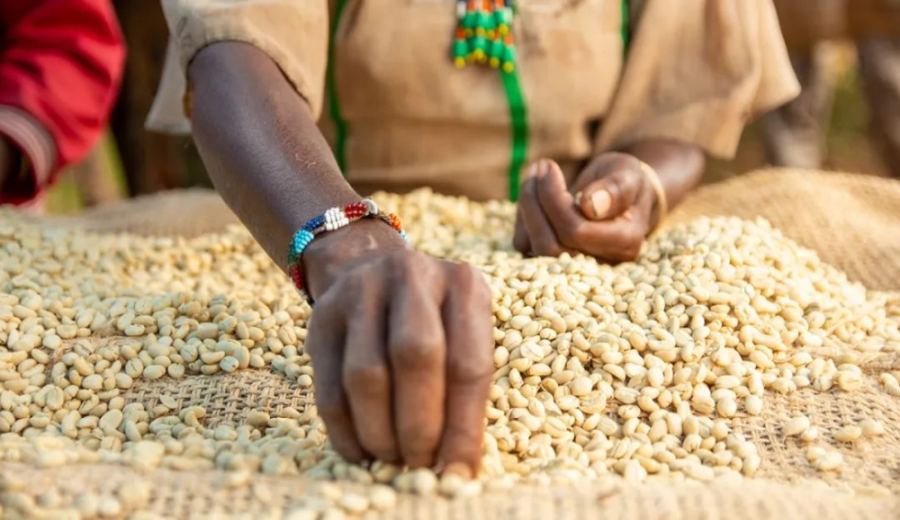
Introduction:Yirgacheffe coffee is renowned for its distinctive citrus acidity and floral-fruit aromas, making it a top choice for many beginners entering the world of specialty coffee. This article delves into the geographic grading, variety characteristics, and processing methods of Yirgacheffe, and provides practical pour over and iced pour over parameters—including grind size, water temperature, brew ratio, and extraction steps—to help you master the brewing essentials of this classic origin.
Yirgacheffe is a dream origin for many coffee enthusiasts, widely praised for its bright citrus acidity, fresh floral notes, and tea-like soft finish. This renowned Ethiopian coffee region is not only a benchmark in flavor but also represents the perfect combination of high-altitude cultivation and traditional processing methods. This article will gradually analyze where its flavors come from—from the evolution of the Yirgacheffe origin, grading system, variety features, to the two main processing methods: washed and natural—and provide hands-on pour over and iced pour over parameters so you can replicate a vibrant cup of Yirgacheffe at home.
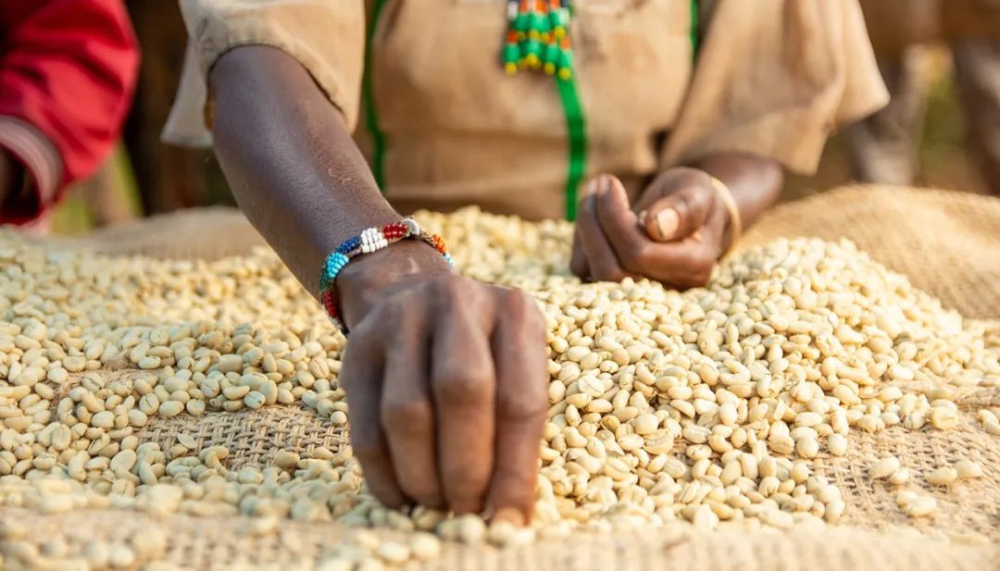
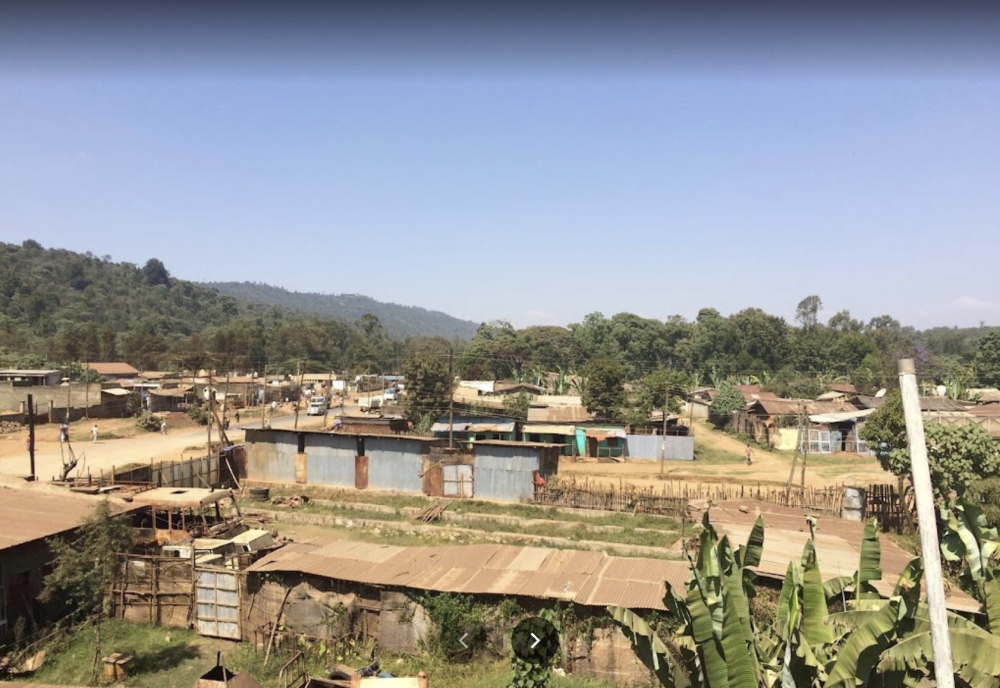
Originally just a small town within Ethiopia’s Sidamo region, Yirgacheffe stood out due to the exceptionally clean taste and pronounced acidity of its coffee, eventually becoming an important origin that cannot be ignored in the global specialty coffee market. Compared to the traditionally perceived heavy and bold coffee flavors, Yirgacheffe showcases bright citrus-like acidity, delicate floral notes, honey-like sweetness, and a tea-like aftertaste—particularly appealing to consumers accustomed to tea culture—which led to its rapid rise in popularity.
Behind Yirgacheffe’s captivating flavors, there are three key factors: high-altitude growing conditions, native hybrid coffee varieties, and traditional yet refined processing techniques. These three elements together create the unique floral-fruit profile and clear layering that define Yirgacheffe coffee beans.
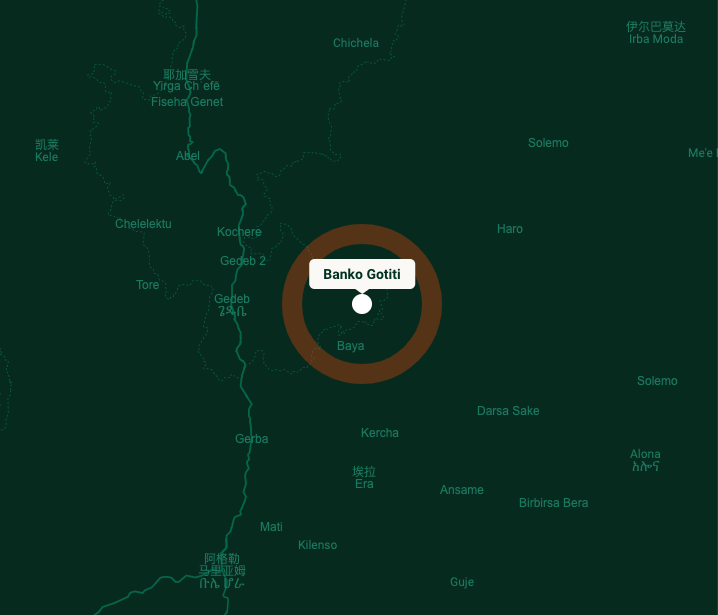
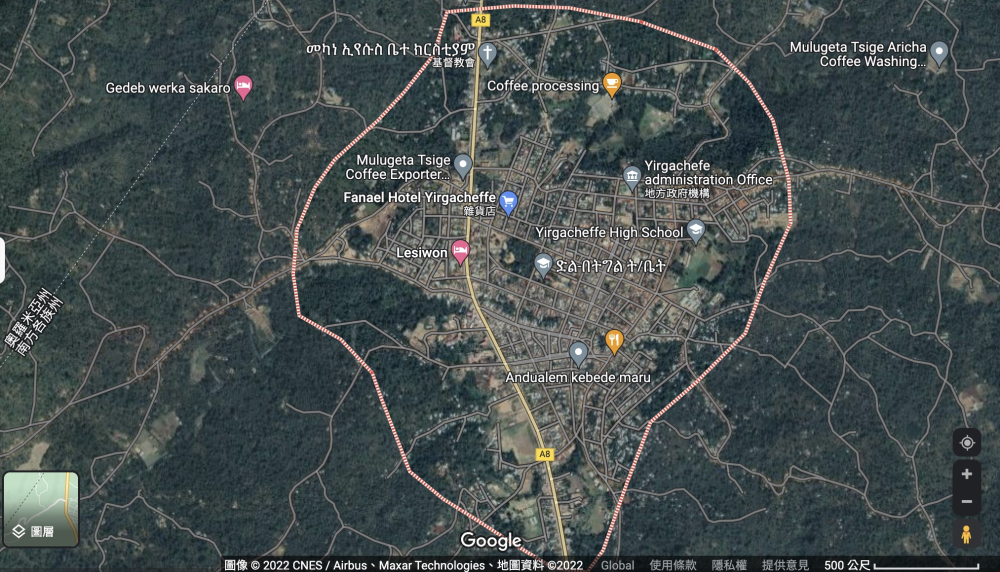
It’s worth mentioning that Yirgacheffe was originally part of Ethiopia’s Sidamo region, but after the 1995 administrative redivision, it came under the jurisdiction of the Gedeo Zone. As market demand for Yirgacheffe flavors grew, exporters began selecting coffee from this area separately to command higher value. By 2009, the Ethiopia Commodity Exchange further introduced a grading system, distinguishing certain areas such as Yirgacheffe A and Yirgacheffe B—the former representing classic Yirgacheffe flavors, the latter not. Therefore, coffee labeled as “Yirgacheffe” on the market today may not necessarily come from the town of Yirgacheffe, but still follows the naming tradition of the origin.
Currently, the Yirgacheffe region is home to numerous well-known coffee cooperatives, including Kochere, Worka, Gotiti, Chelelektu, Misty Valley, and Konga. These cooperative names often appear on specialty coffee packaging or green bean selection lists. Green coffee suppliers typically label beans as “Yirgacheffe + Cooperative Name” to clearly indicate their origin—a common classification method for Ethiopian coffee. Similar cases can be found in other origins, such as “Sidamo Huakui 8.0” on some offering lists, which is a commercial name rather than an official place name.

Ethiopia is a treasure trove of global coffee genetics, home to many indigenous coffee varieties that have not been fully classified. Most of these varieties exist in wild or hybrid states, and local farmers commonly refer to them collectively as Heirloom. Due to the diversity and lack of fine classification, coffee is often grown and harvested in mixed lots, resulting in beans of varying sizes—an inherent characteristic of Ethiopian coffee, especially from the Yirgacheffe origin.
In terms of processing, Ethiopia generally employs two traditional methods: washed and natural. The reason Yirgacheffe boasts such pronounced acidity and fruity aromas is closely tied to the washed processing technique introduced by the government in 1972. The washed method relies on a stable water supply and washing tank facilities, involving the removal of pulp, fermentation of mucilage, followed by rinsing with clean water and sun drying. This process preserves a cleaner and clearer flavor profile, results in lower defect rates, and commands relatively higher prices.
The typical washed coffee process is as follows: after harvest, defective cherries are first removed, then the skin and pulp are stripped away, followed by fermentation in water tanks to remove mucilage, and finally rinsing with clean water and sun drying to reach the target moisture content. Cupping results show that washed Yirgacheffe usually exhibits high acidity and brightness, with a clear flavor line and easily identifiable quality layers.
In contrast, the natural processing method is simpler. After harvest, defective cherries are removed, followed by prolonged sun drying until the moisture content is appropriate. Although the process is less refined, it can bring out richer sweetness and softer fermented aromas. However, due to abundant water resources, washed processing remains the mainstream in Yirgacheffe, especially in well-known areas like the Gotiti cooperative.
Take the medium-light roasted Yirgacheffe Gotiti cooperative coffee beans as an example. This origin is located in the Gedeo Zone, at an altitude between 1900 and 2300 meters, with the variety being the local Heirloom. The washed processing method is used. Such high-altitude beans, due to their higher density, are well-suited for medium-light roasting to highlight their floral-fruit characteristics. It is recommended to use a water temperature of 90–91°C and a medium-fine grind (approximately 80% passing rate through a Chinese No. 20 sieve) for pour over, to fully showcase its bright acidity and tea-like finish.
For pour over, a three-stage extraction is recommended: the first stage involves blooming with 30 grams of water for 30 seconds; the second stage adds 95 grams of hot water, and when the coffee bed has drained halfway, continue with the third stage of 100 grams of water until the dripping is complete. Water should be poured gently in small streams, circling from the center outwards to avoid over-agitation that could lead to uneven extraction.
Under these parameters, the brewed Gotiti coffee delivers a distinct lemon acidity and sugarcane sweetness, with jasmine floral notes throughout the front palate, transitioning into a smooth green-tea-like aftertaste as it cools—offering clear and long-lasting flavor layers.
For those wanting to try iced pour over, here’s a practical recipe: 15 grams of coffee, a 1:11 brew ratio (160 grams total hot water), with 75 grams of ice, ground to approximately EK43s setting 9.5 (or C40 around 22 clicks), using a Hario V60 filter. Start by placing the ice in the server, then add the coffee grounds. The first stage is a 30-gram water bloom for 30 seconds, followed by pouring 90 grams of hot water in a wide stream while circling, pausing when the total water reaches 120 grams. Stir gently, wait for the coffee to drip, then finish with a small stream of the remaining 45 grams of hot water. Total brew time should be controlled between 1 minute 55 seconds and 2 minutes 05 seconds.
This iced pour over method fully extracts the fruit acids and sweetness of Yirgacheffe. The cup offers a mouthwatering acidity and sweetness reminiscent of yellow peaches, sweet oranges, and grapefruits, complemented by the floral-fruit tea notes after cooling with ice—evoking a refreshing summer beverage and making it an excellent choice for summer coffee.
The above content is compiled by CoffeeHunters, a coffee news website.


