







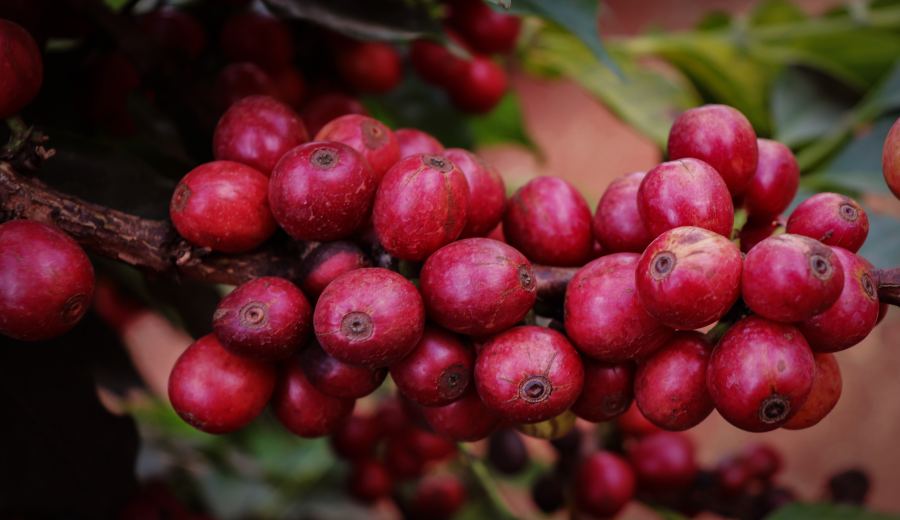
Introduction:Kenyan coffee is renowned for its distinctive bright acidity and refreshing tomato-like flavors, yet it often elicits mixed reactions from first-time tasters. This article delves into the key factors behind its high acidity—from the intricate interplay between high-altitude growing conditions and volcanic soils to the genetic traits of classic SL28 and SL34 varieties—offering a scientific perspective on this unique flavor profile. It also provides practical V60 pour-over parameters and steps to help you recreate a clean, balanced Kenyan coffee experience at home.
Kenyan coffee has long held a unique position in the specialty coffee world, most notably for its strikingly bright acidity and layered, complex flavors. These characteristics captivate many coffee enthusiasts, but may also be off-putting to first-timers. What exactly creates such a distinctive taste experience? Let’s take a representative “tomato”-flavored Kenyan coffee bean as an example and explore the secrets behind it.
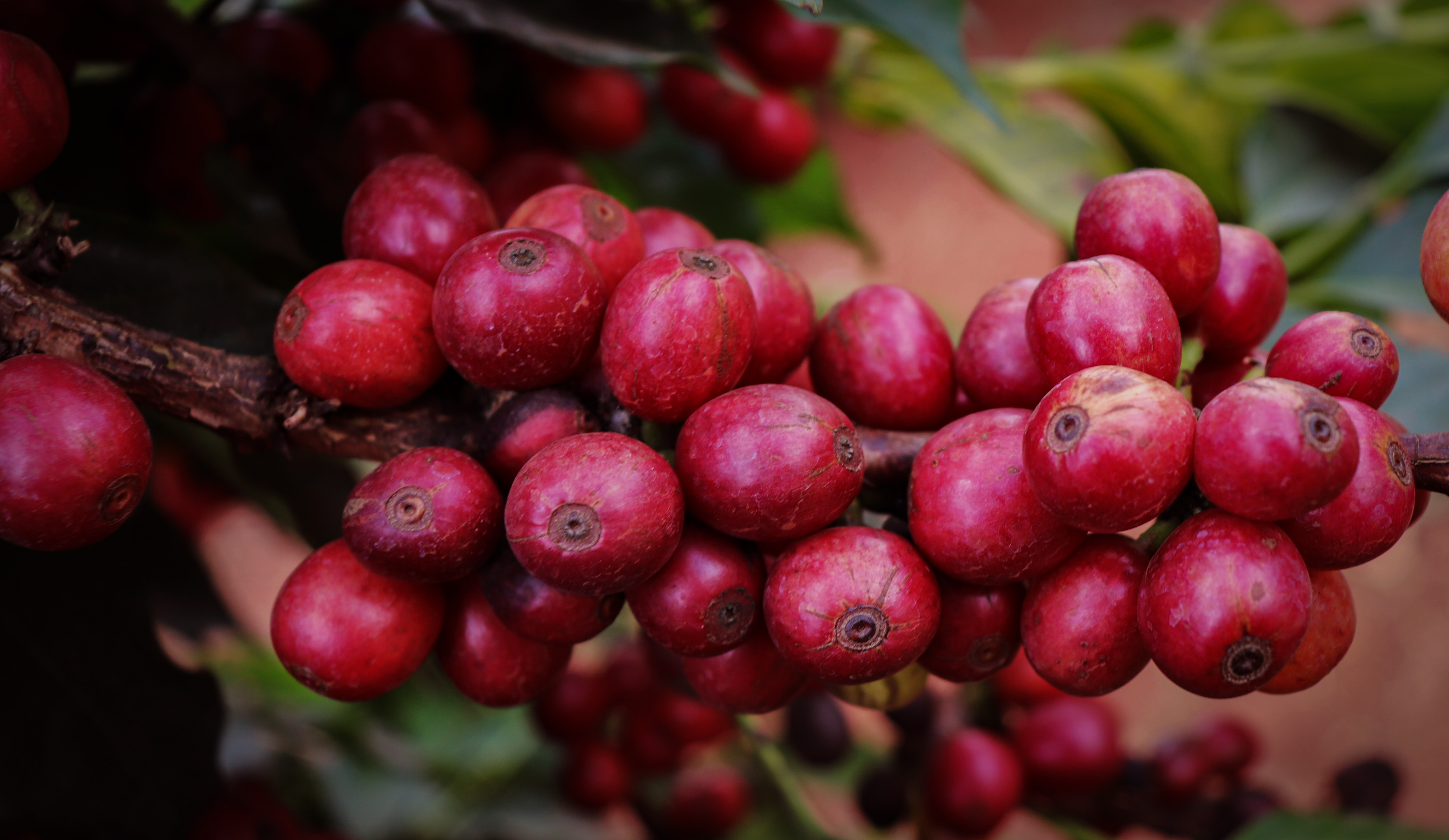
Kenya’s coffee-growing regions are primarily located in the highland areas surrounding Mount Kenya, with elevations generally exceeding 1,500 meters. The impact of high altitude on coffee quality is multifaceted:First, the lower temperatures slow down the ripening process of coffee cherries.This extended growth period allows the fruit more time to accumulate richer flavor compounds and sugars. Additionally, high-altitude regions typically offer better drainage, reducing water content in the coffee cherries and thereby increasing the concentration of sugars and flavor compounds.
Volcanic soil is another critical factor.Volcanic soil is rich in a variety of minerals essential for the healthy growth of coffee trees,such as phosphorus, potassium, boron, iron, and zinc—all vital for the tree’s well-being and fruit development. Moreover, the loose texture of volcanic soil provides excellent drainage, further promoting healthy root development. The volcanic terrain also often brings unique microclimates, offering ideal growing conditions for coffee trees.
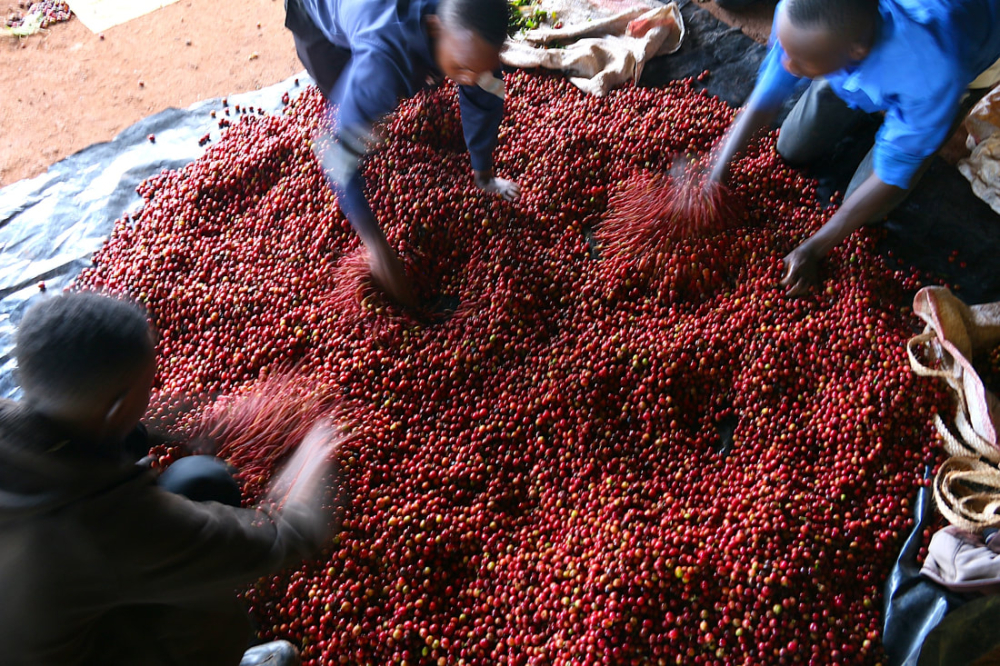
The choice of variety also plays a decisive role in coffee flavor. The most famous Kenyan varieties are SL28 and SL34, both developed and cultivated by Kenya’s Scott Laboratories (abbreviated as SL) in the 1930s.SL28 coffee trees are tall with green-tipped leaves and boast outstanding cupping qualities.Although they require low nutrients and are drought-resistant, they are more susceptible to leaf rust and berry diseases. In contrast,SL34 has dark bronze-tipped leaves, requires slightly more nutrients, and yields slightly less,but faces similar disease risks. These two varieties still account for about 80% of Kenya’s exported coffee, underscoring their advantages in quality and adaptability.
Processing methods are also a key element in shaping Kenyan coffee’s flavor. The common 72-hour washed process removes the pulp while preserving the beans’ acidity and aromatic compounds. This method requires precise control over fermentation time and temperature to ensure a balanced final flavor.
Now, let’s see how to replicate professional-grade Kenyan coffee flavors at home using a V60 filter. Below are the field-tested standard pour-over parameters:Use a V60 filter, with water temperature controlled at 91°C, a coffee-to-water ratio of 1:15, a recommended coffee dose of 15 grams, and a grind size equivalent to 80% passing through a Chinese Standard No. 20 sieve.The specific pouring technique is as follows: start with a 30-second bloom using 30 grams of water, then pour in small circles until reaching 125 grams for the first pour. When the water level drops and is about to expose the coffee bed, continue pouring to 225 grams, then stop and wait until the water level drops again and is about to expose the coffee bed before removing the filter. The entire extraction process takes about 2 minutes. These parameters can serve as a baseline, with fine adjustments made according to personal taste preferences.
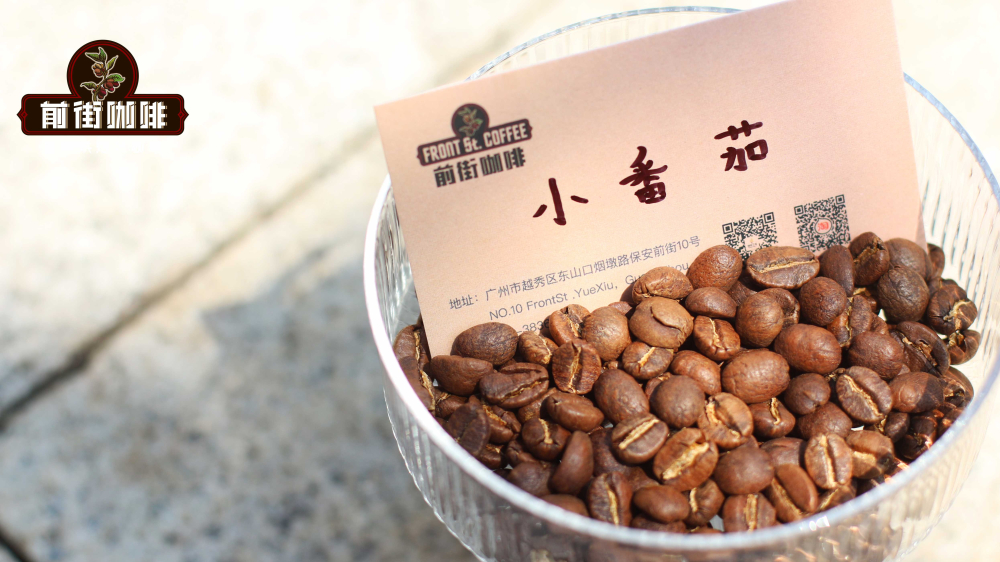
It’s worth noting that the flavor characteristics of Kenyan coffee may vary slightly depending on the producing region, altitude, and processing method. Some batches may exhibit more pronounced tomato or dark plum notes, while others may lean more toward citrus or berry flavors. This diversity is part of what makes Kenyan coffee so captivating, and also explains why coffee from the same region may show slightly different flavor profiles in different years.
Overall, understanding the high acidity of Kenyan coffee requires a holistic view encompassing its growing environment, variety traits, and processing methods. By mastering the right pour-over parameters and techniques, coffee enthusiasts can fully enjoy this unique and fascinating coffee experience at home.
The above content is compiled by CoffeeHunters, a coffee news website.


