







Category: Coffee Knowledge
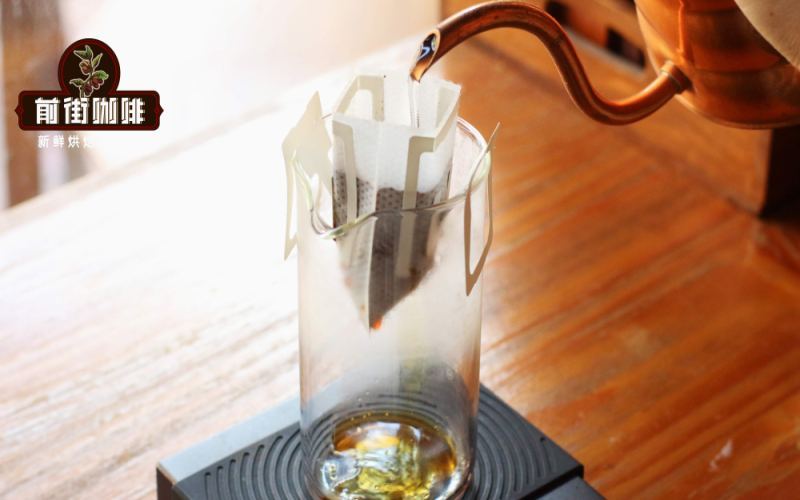
Origin and Flavor Analysis of Filter Coffee Bags: Feasibility of Second Brewing & Beginner's Buying Guide
Thanks to their easy brewing process and portability, filter coffee bags have become a daily choice for many coffee enthusiasts. This article delves into the origins of filter coffee bags, their global adoption and market performance, analyzes their flavor retention capabilities and suitable usage scenarios, and answers common questions such as whether they can be brewed a second time. It also offers practical buying advice and three major flavor-oriented recommendations to help readers find the right filter coffee bag based on personal taste preferences and enhance the overall brewing experience. [more…]

A Complete Breakdown of the Differences Between Ethiopian and Panamanian Geisha Beans | Understand Everything from Flavor to Processing Methods
Even though they are the same Geisha variety, coffee beans from Ethiopia and Panama present distinctly different flavor profiles. This article provides an in-depth comparison between two renowned Geisha-producing regions—Panama’s Finca El Velo (Emerald Estate) and Ethiopia’s Gesha Village—covering varietal origins, grading systems, processing methods, and actual brewing performance. It analyzes the subtle differences in aroma, acidity, sweetness, and aftertaste, and also offers professional roasting and pour over parameter references to help coffee enthusiasts choose the most suitable Geisha based on their personal preferences. [more…]
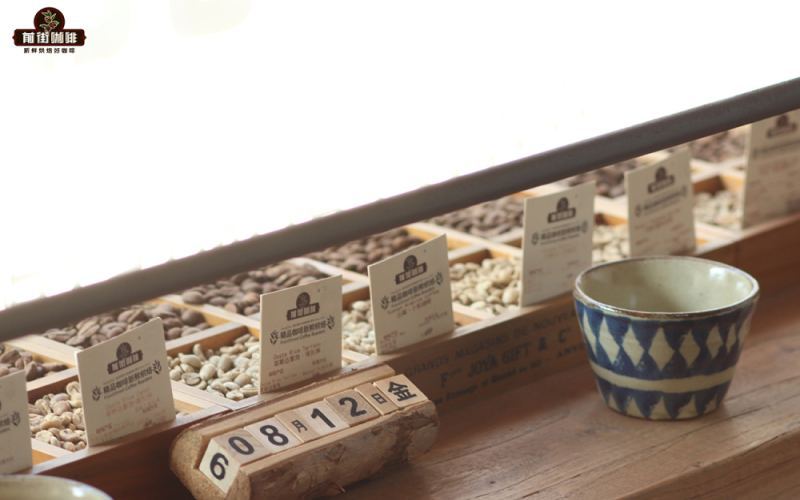
Complete Guide to Single-Origin Coffee Cupping Standards and Pour Over Grind Settings
Want to accurately assess the potential of a new single-origin coffee bean? Cupping is the first checkpoint professionals use to evaluate flavor. This article, based on SCA international standards, provides an in-depth analysis of key parameters in the cupping process — including grind size calibration, water temperature control, and coffee-to-water ratio — and further explains how to adjust pour over grind size and extraction water temperature based on cupping results. It helps you understand the principles of coffee flavor release from a professional perspective, whether you're an amateur enthusiast or a beginner barista. [more…]
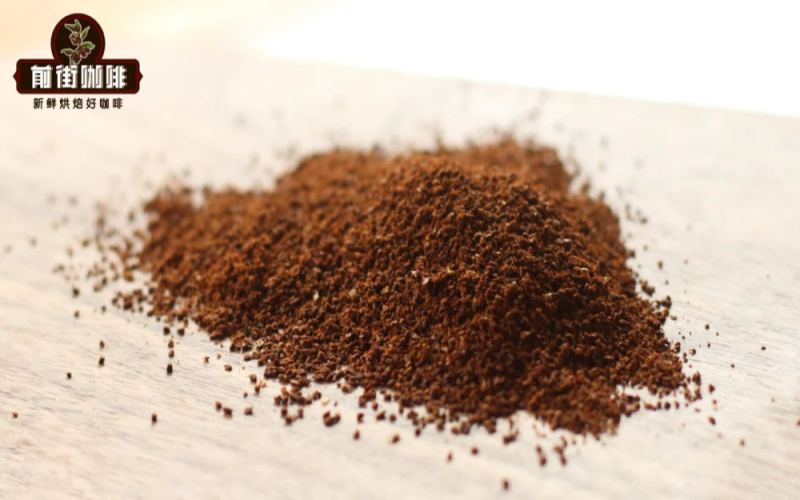
The Ultimate Guide to Coffee Grind Size | Optimal Parameters and Adjustment Tips for Pour Over and Espresso
Grind size is a key factor that affects coffee extraction efficiency and flavor release. Different brewing methods—such as pour over, French press, or espresso machines—require specific grind adjustments. This article delves into the relationship between grind size, extraction time, and flavor performance, provides practical parameter references, and explains how to adjust grind settings based on bean roast level and hardness, helping you achieve the perfect extraction balance in every cup. [more…]
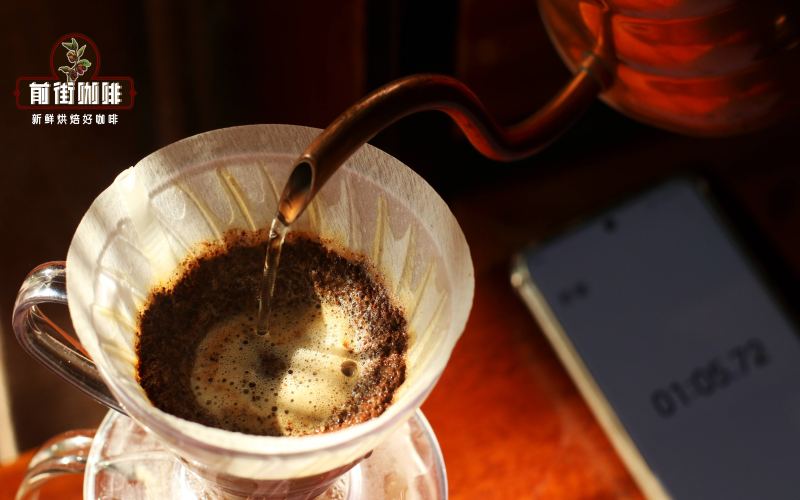
Coffee Grinding Guide: Coarse to Fine — Recommended Grind Sizes for Pour Over, French Press & Espresso
The fineness or coarseness of coffee grinding is a key factor that affects extraction efficiency and flavor expression. This article provides an in-depth analysis of five common grind levels — extra fine, fine, medium-fine, medium, and coarse — explaining which brewing methods each is suited for, such as pour over, French press, siphon, and espresso. It also explores how grind size practically influences flow rate, extraction time, and flavor. With practical parameters and examples, it helps you find the grind setting that best suits your taste. [more…]

Complete Guide to Pour Over & Espresso Grinding: From Burr Mechanism to Precision Calibration of Electric Grinders
Did you know? Even professional coffee shops fine-tune their grinders multiple times a day just to achieve the most stable extraction. This article delves into the science behind grind settings—from how burr distance affects water flow and particle size, to how you can assess grind consistency through sight and touch. Whether you use traditional hand grinders or modern electric devices, we provide practical tips for everything from basic setup to advanced parameter adjustments, including puck thickness, dose amount, and extraction time. [more…]
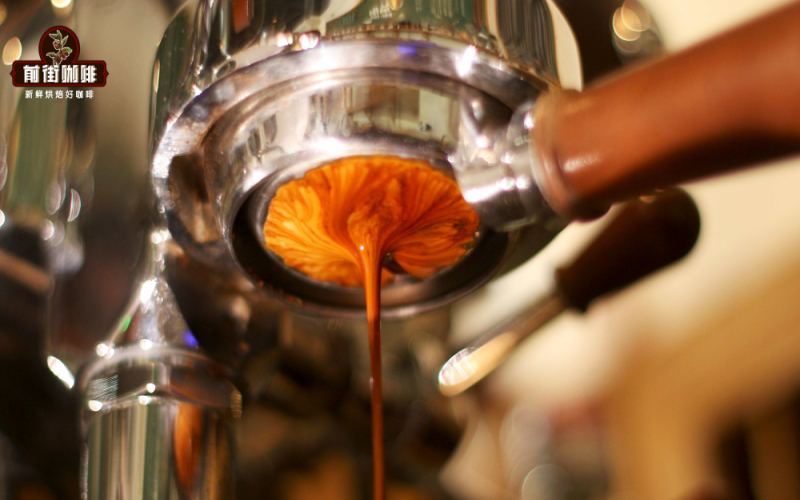
Shallow-Roast Espresso Bean Extraction Techniques: Flavor Analysis, Common Mistakes, and Recommended Home Use Machines
Want to try making espresso with lightly roasted beans but worried about excessive acidity or unstable extraction? This article delves into the flavor profile of light roast beans in espresso extraction, common issues, and offers adjustment suggestions for key parameters such as grind size, dose, and pressure. It also recommends home coffee beans suitable for different needs and equipment, helping you master the extraction techniques of light roast espresso with precision. [more…]

How to Choose Decaf Coffee from Colombia? A Complete Guide to Swiss Water Process Flavors and Pour Over Parameters
In recent years, decaf coffee has become a new favorite among many coffee enthusiasts. But does the decaffeination process affect flavor? This article takes an in-depth look at Swiss Water processed decaf coffee beans from Colombia’s Huila region. From the principles of decaffeination technology, green bean varieties, roast profiles, to practical pour over parameters, it helps you understand the true flavor profile and brewing techniques of decaf coffee. [more…]
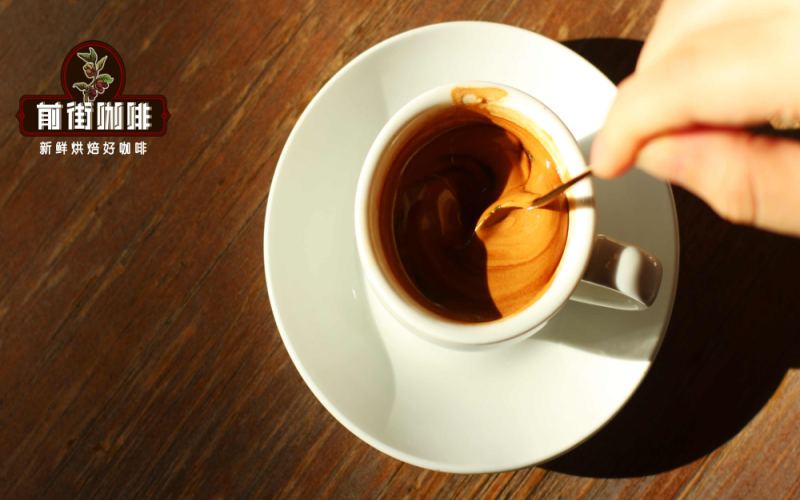
A Complete Guide to Understanding the Key Factors in Espresso Crema Formation and Choosing the Right Beans
The crema on an espresso is not only a visual highlight but also an important indicator of extraction quality. The formation of this golden, fine-textured foam is closely related to various factors, including the freshness of the coffee beans, the roast level, and the pressure conditions during extraction. This article will delve into the principles behind crema generation and explore how selecting the right coffee beans and controlling extraction parameters can help you brew espresso with an ideal crema layer and rich flavor at home. [more…]
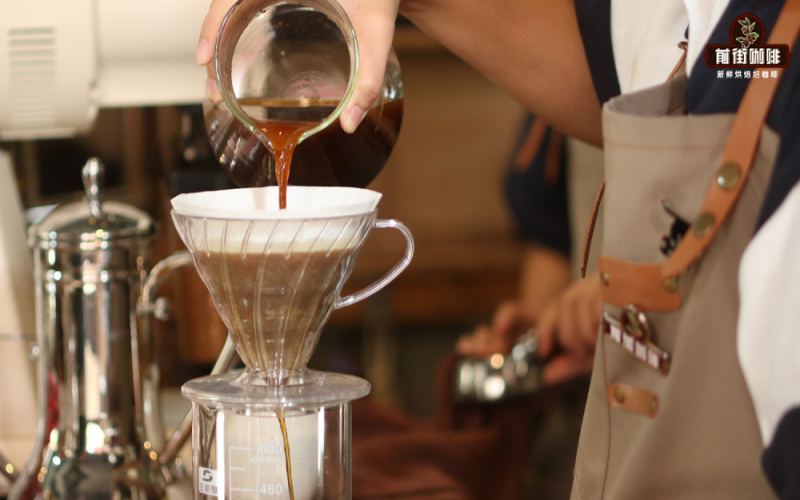
Cold Brew Coffee Bean Buying Guide | Best Coffee-to-Water Ratio & Brewing Steps Explained, with 3 High-Value Picks
Cold brew coffee is a refreshing favorite in summer, but to achieve outstanding flavor, bean selection and brewing parameters are key. This article dives deep into the types of coffee beans suited for cold brew, the golden coffee-to-water ratio and grind size settings, and walks you through the full brewing process. We’ve also handpicked three practical bean recommendations with distinct flavor profiles — whether you prefer bright fruity notes or rich wine-like tones, you’ll find an option that suits your taste. [more…]
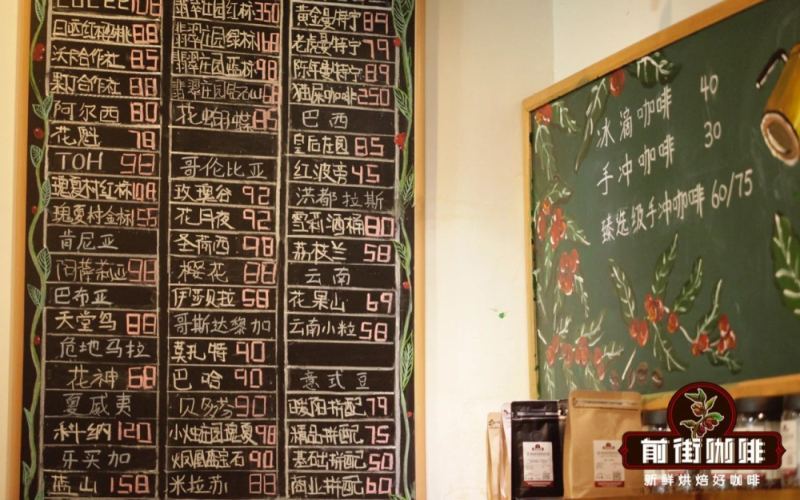
The Complete Guide to Mandheling Coffee: Four Classic Varieties and an Introductory Guide to Grade Labels
Want to dive deep into the diverse world of Mandheling coffee? This article starts with the naming logic behind Mandheling beans, taking you on a journey through how Mandheling coffee is named based on origin, brand, processing method, and competition accolades. It also provides a detailed breakdown of the characteristics and differences among four classic varieties: Lintong Mandheling, Golden Mandheling, Tiger Mandheling, and Aged Mandheling. Additionally, it explains the true meanings of common grade labels such as G1, AA, and SHB, helping you accurately select beans that match your taste expectations. [more…]

The Ultimate Guide to Pour Over Coffee Flavor Evaluation: An 8-Dimensional Analysis from Aroma to Aftertaste
Want to dive deeper into the subtle flavors of pour over coffee but not sure where to start? This guide will help you master professional-level coffee tasting techniques, analyzing the 8 key dimensions of COE cupping standards step by step—from the dry aroma after grinding, the wet aroma after pouring water, to the flavor changes at different temperatures. Not only will it teach you how to distinguish the subtle differences between aroma, acidity, and aftertaste, but through actual tasting experiences, it will also help you understand the unique aromatic layers and taste characteristics of pour over coffee, building a systematic approach to flavor evaluation. [more…]

Analysis of Espresso Extraction Techniques: A Comprehensive Guide to Time, Ratio, and Daily Adjustments
The extraction quality of espresso is the key factor that influences the flavor of a milk-based coffee drink. This article delves into the advantages of blended beans, the importance of fine-tuning daily extraction parameters, and provides a step-by-step breakdown of the entire process—from preheating, distributing, tamping, to extraction. It also covers common mistakes in practical operation, techniques for observing flow rate and evaluating extraction results by taste, along with professional reference parameters to help you consistently pull balanced and layered espressos. [more…]
Espresso Beans: Flavor Analysis of Five Medium-Dark Roast Blends
To brew a well-balanced espresso, choosing the right coffee beans is key. This article delves into the reasons behind the common use of medium-dark roasts in espresso beans and their extraction characteristics. Based on practical applications, we’ve carefully selected five blends that offer great value and consistent performance. Whether you’re an espresso enthusiast or a café owner, you can find a suitable option based on your needs. The article also details the regional composition, flavor profiles, and recommended usage scenarios for each blend. [more…]
Analysis of the Caturra Variety: A Dwarf Arabica Coffee – Flavor Profile & Cultivation Essentials at a Glance
Caturra is a widely cultivated variety within the Arabica family, originating from a natural mutation of Bourbon. It is prized for its compact plant size, ease of harvesting, and high yield. This article provides an in-depth look at its origins, growing conditions, and flavor characteristics, while also comparing it with other well-known varieties such as Typica, Bourbon, and Geisha. Gain practical background knowledge on cultivation and tasting to better understand the diverse world of specialty coffee varieties. [more…]

2026 Home Espresso Bean Recommendations | How to Choose Between Blends and Single Origins? Review of 5 Practical Everyday Beans
Brewing a stable shot of espresso at home starts with choosing the right coffee beans. This article delves into the differences between espresso blends and single-origin beans, and carefully selects five high-value everyday beans, covering a range of flavors from rich and bold to floral and fruity. It provides information on roast levels, recommended brewing methods, and practical advice to help readers find their ideal choice based on taste preferences and budget. [more…]

From Bean Selection to Extraction: A Complete Guide to Brewing Rich Espresso at Home
Want to brew a rich and layered espresso at home? It’s not as simple as just owning an espresso machine. This guide will take you from understanding the characteristics of espresso beans, to exploring the differences between blends and single-origin beans. We’ll then walk you through each step in detail—from dosing, distributing, and tamping, to controlling extraction time and yield—and provide practical parameters and tips to help you master professional-level espresso extraction techniques. [more…]
Recommended Medium-Dark Roast Coffee Beans: A Guide to Blends and Parameters for Crafting the Perfect Espresso
When making espresso at home using a moka pot or semi-automatic coffee machine, choosing the right coffee beans is key. This article delves into why medium-dark roast blends are better suited for espresso extraction, explores potential issues with light roast beans, and recommends four medium-dark roast blends with varying flavor profiles — including notes of wine, nuts, richness, and mild acidity. It also provides practical brewing suggestions such as using 20 grams of coffee to extract 40 grams of liquid, the golden parameter range of 25–30 seconds, and how to achieve the perfect shot through Cre [more…]
A Complete Guide to the Origins and Making of Flat White: Espresso Ratio, Milk Froth Techniques, and Three Key Coffee Differences
Flat White, as a delicate milk coffee that has gained global popularity in recent years, stands out with its intense coffee aroma and extremely thin layer of milk foam. This article delves into the controversy surrounding its origins, comparing the two prevailing theories from Australia and New Zealand, and explains the differences in using double espresso versus ristretto. It also provides practical extraction parameters, recommendations for blend bean selection, and guidance on distinguishing Flat White from Latte and Cappuccino through ratio and milk foam thickness—helping you master it from beginner to expert level with ease. [more…]
Why isn’t iced Flat White recommended? A deep dive into milk foam thickness and hot brew extraction essentials
Flat White (also known as Aussie White or Flat White), as a milk coffee that emphasizes the essence of coffee, is highly favored by consumers who enjoy strong flavors. Compared to a latte, it stands out with thinner milk foam, a smaller serving size, and a double ristretto shot, delivering a rich yet balanced taste. However, most cafés do not offer an iced version of Flat White, which is closely related to its milk foam design and brewing philosophy. This article delves into the characteristics of Flat White, how it differs from a latte, new [more…]