







Introduction:Delve into the intricate structure of Ethiopia’s Yirgacheffe region and the ECX grading system. Explore how factors such as altitude, variety, and processing methods evolve, with a comprehensive analysis on how sun-dried processing enhances berry aromas. Also uncover how the Red Cherry Project elevates coffee quality from the source, along with practical flavor descriptions and brewing suggestions to help you master this uniquely flavorful African specialty coffee.
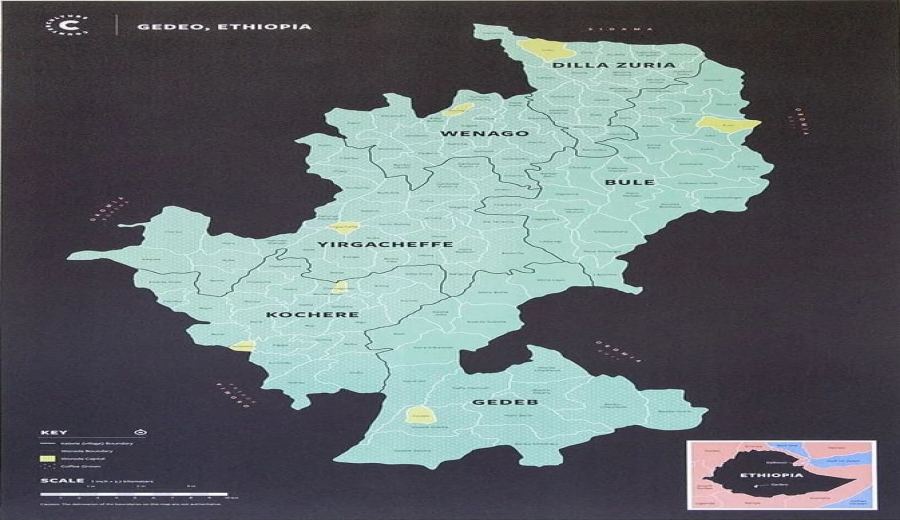
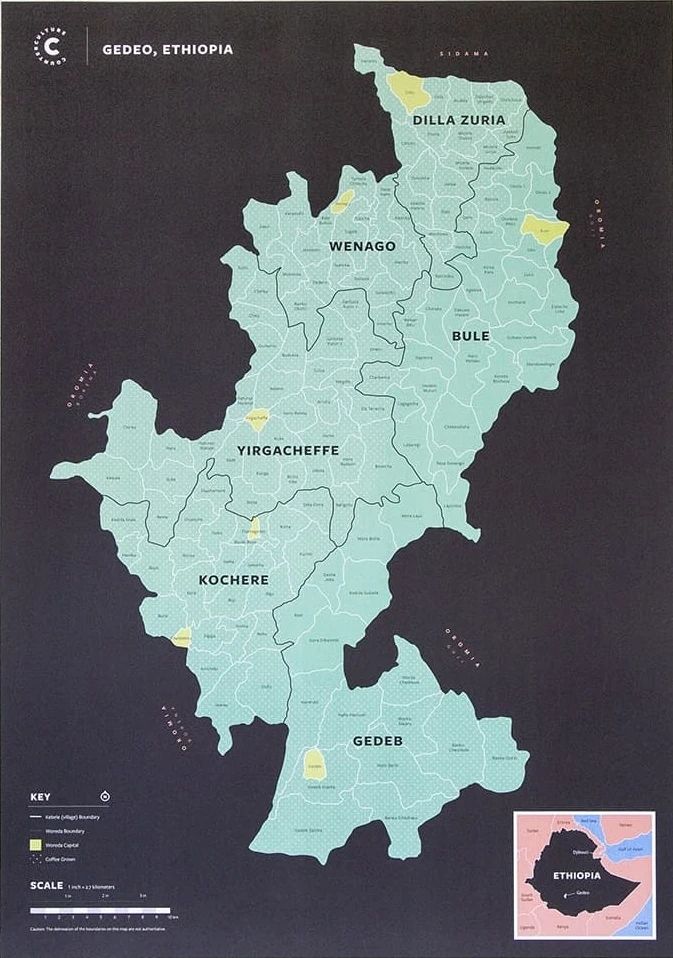
As one of Ethiopia’s most iconic specialty coffee regions, Yirgacheffe is globally renowned for its detailed regional divisions, rigorous grading system, and diverse processing methods. Especially after the establishment of the ECX (Ethiopian Commodity Exchange), the region was further divided into four main blocks: Yirgachefe, Wenago, Kochere, and Genlena Abay. Each area, due to differences in microclimate and soil, produces coffee beans with distinct flavor profiles.
Yirgacheffe is located in the highland areas of the Sidamo region, with an average elevation exceeding1800 meters, and some parts even reaching2200 meters. The significant day-night temperature variation, combined with fertile soil and native coffee varieties, gives rise to the beans’ unique bright acidity and complex aromas. The coffee produced here is mostly of small to medium bean size, with greenish-yellow raw beans that are plump and uniform in appearance, holding a significant position among East African specialty coffee regions.
According to the current ECX scoring and grading system, Ethiopian coffee is categorized into three types: Specialty, Commercial, and Local/Domestic. Specialty-grade coffee has minimal defects and high cupping scores, primarily targeting the international export market. Commercial-grade coffee, while not meeting specialty standards, is still better than the Local-grade, which is often reserved for domestic consumption and tends to have poor flavor due to a high number of defects, improper storage, or being past its prime. Grading is based on 40% physical characteristics of the green beans and 60% cupping quality, with Specialty-grade beans undergoing additional specialized cupping to ensure their flavor meets international standards.
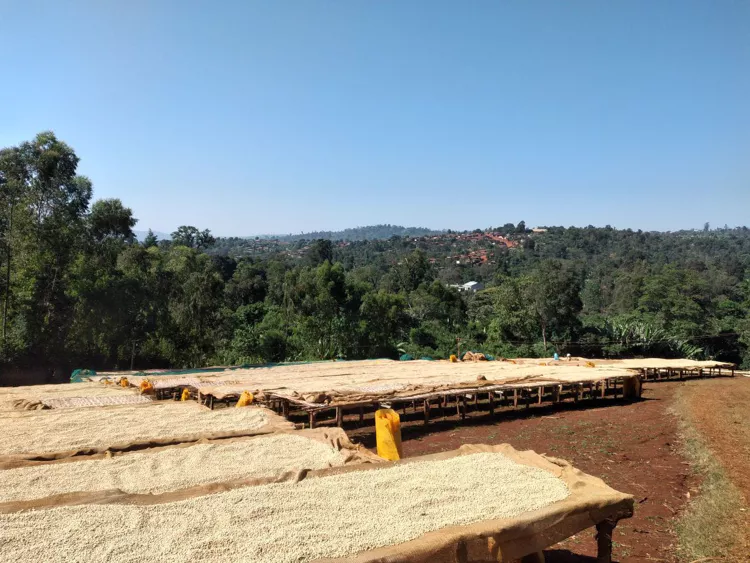
In terms of processing methods, Yirgacheffe was initially famous for its washed process, known for its bright floral notes, lemony acidity, and tea-like body, once hailed as offering a “soft, fruit-tea-like” coffee experience. However, in recent years, the sun-dried processing method has gained popularity. By fully preserving the fruit’s sugars and fermentation flavors, it imparts intense berry sweetness and a wine-like finish, receiving an enthusiastic market response. Especially the sun-dried Yirgacheffe promoted under the Red Cherry Project (Operation Cherry Red), with its strict harvesting and processing procedures, has become representative of high quality.
The Red Cherry Project was initiated by Menno Simons, founder of the Dutch green coffee trader Trabocca, aiming to enhance the overall quality and international competitiveness of Ethiopian coffee. The project collaborates with local farmers, encouraging hand-picking of only fully ripe coffee cherries, and repeatedly removing unripe, defective, and moldy beans during the sun-drying process. The cherries are manually sorted before exposure to the sun, with continuous quality monitoring throughout drying. Only after the fruit sugars are fully transformed and the moisture content drops to12%, is the pulp and parchment removed. It then undergoes density and color sorting, and finally any remaining defective beans are manually removed to ensure every bean meets Specialty grade.
Take, for example, a well-known estate-produced Yirgacheffe Natural Red Cherry. This particular lot is grown at an altitude of1700-2200 metersand uses local native varieties. After sun-dried processing, it exhibits intense berry, strawberry, lemon, and fermented wine aromas, with a rich and distinctive flavor profile. A certain roaster used a light roast for this batch to preserve its floral and fruity characteristics, paying special attention to controlling the heating rate to accommodate the varying bean sizes typical of Ethiopian coffee. It is recommended to roast with an200°Ccharge, adjusting the heat and air damper sequentially, and extending the development time by about1 minute and 40 secondsafter first crack to fully develop the aroma and sweetness.
For brewing recommendations, using a V60 filter cone can effectively improve extraction efficiency. Its large holes and spiral ribs help release air, ensuring a stable flow rate. It is suggested to control the water temperature at91-92°C, with a grind size similar to superfine sugar (approximately80% passing through a #20 sieve), and a brew ratio of1:15. In terms of brewing technique, start by pouring 30 grams of water fora 30-second bloom, followed by multiple pours totaling 225 grams of water, with a total brew time of around2 minutes, which can fully highlight its bright acidity, rich fruitiness, and smooth mouthfeel.
The above content is compiled by CoffeeHunters, a coffee news website.


