







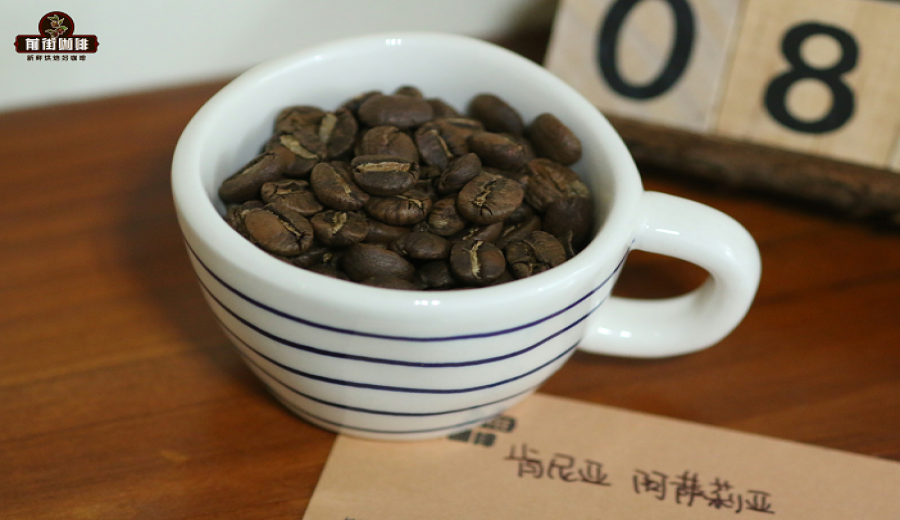
Introduction:The Kenya Asaliya washed coffee beans are renowned for their vibrant acidity and complex layers. Processed using Kenya’s distinctive K72 washed method, they showcase unique flavor notes such as pears, dark plums, brown sugar, and berries. This article delves into the geographical advantages of the Thika region, the characteristics of the SL28 and SL34 varieties, and provides a detailed breakdown of the K72 processing steps. It also offers two practical pour-over brewing methods using the V60 and cake dripper, teaching you how to highlight the bean’s abundant floral aroma and juicy mouthfeel through precise water temperature, grind size, and brewing rhythm.
Kenyan coffee has long held a respected place in the specialty coffee world for its lively acidity and multi-layered taste, with Asaliya washed beans being one of the classic representatives. These beans come from the Asali washing station in the Thika region, grown at altitudes between 1550 and 1750 meters, and are of the SL28 and SL34 varieties — the most iconic in Kenya. They are processed using Kenya’s unique 72-hour fermented washed method (abbreviated as K72). When brewed, they often present a complex array of flavors including pears, dark plums, brown sugar, plums, and cherry tomatoes, with bright acidity and a juicy mouthfeel. The finish carries subtle floral notes and sweetness, making them ideal for coffee lovers who enjoy richly layered, well-balanced sweet and acidic profiles.
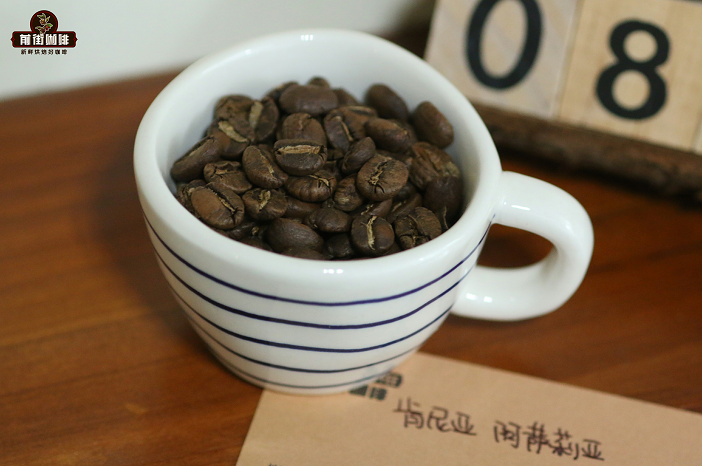
Kenya is located in East Africa, with the equator running through the center of the country and the East African Rift Valley stretching from north to south. The terrain is predominantly highland, with an average elevation of over 1500 meters, characterized by a tropical savanna climate. The climate here features distinct wet and dry seasons, and the highland regions — especially those between 1500 and 2100 meters — offer large diurnal temperature variations, which are highly conducive to the accumulation of flavor compounds in coffee cherries. The Thika region is one of Kenya’s well-known high-quality coffee producing areas, with its cool and stable climate, combined with fertile acidic red soil and excellent drainage, contributing to the delicate and layered characteristics of the Asaliya coffee beans.
These Asaliya beans come from the Asali washing station near the SASINI estate. The area enjoys abundant sunshine and soil that is nutrient-rich acidic red soil, deep in layers with good drainage. The pH of the water remains stable between 5.5 and 6.5, providing an optimal environment for coffee tree growth. The SL28 and SL34 varieties planted here are both variants of the Bourbon system, cultivated in the 1930s by Kenya’s Scott Laboratories (now merged into the National Agricultural Laboratories), originally developed to be drought-resistant and adaptable to high-altitude environments. Their young leaves display a distinctive bronze color and they have since become iconic varieties in Kenya’s specialty coffee scene.
The K72 washed process used for these Asaliya beans is a classic technique in Kenyan coffee processing. On the day the coffee cherries are harvested, they are first rigorously sorted to remove defective beans, after which the pulp is removed and the beans enter the fermentation stage. Fermentation is carried out in three rounds, each lasting 24 hours, with clean river water used to rinse the beans multiple times. The total fermentation time accumulates to 72 hours, hence the name. This method utilizes prolonged low-temperature fermentation, not only effectively removing mucilage and impurities but also enhancing the coffee’s cleanliness and flavor complexity, resulting in a final brew with exceptional clarity and bright acidity.
In terms of roasting, because these beans come from a high-altitude region, the bean density is relatively hard and compact, so special attention needs to be paid to heat control and the roast profile. It is recommended to start with a relatively fast heating rate, then reduce the heat when the beans turn yellow (around 5 minutes in), and once entering the Maillard reaction phase, reduce the heat again at 166°C to extend the Maillard reaction time and develop richer sugar compounds. After the first crack begins, stable heat supply is essential to avoid stagnation in temperature rise, and the development phase of the first crack is advised to be moderately extended, which helps soften the acidity and enhance the flavor’s layers and balance. The typical charge temperature is around 193°C, which can bring out the best sweetness and body.
For pour-over brewing, these Asaliya washed beans are suitable for use with either a V60 or a cake dripper (Kalita Wave). The recommended water temperature is between 88 and 90°C, with a brew ratio set at 1:15, and a fine grind size (approximately 80% passing through a Chinese standard No. 20 sieve), which can effectively extract the details and layers of flavor.
If using a V60 dripper, it is recommended to employ a staged extraction method: start by pouring 30 grams of water for a 30-second bloom, then continue pouring with a small stream in a circular motion until reaching 124 grams for the first pour. Once the water level drops and is about to expose the coffee bed, pour again up to 228 grams, then stop pouring. Remove the dripper when the water level has dropped close to the bottom. The total brew time is approximately 1 minute and 55 seconds. This method fully highlights floral aromas, the bright acidity of cherry tomatoes and citrus notes, with a creamy texture and brown sugar sweetness in the mid-palate, and a cocoa and oolong tea-like delicate tea note in the aftertaste, offering distinctly layered and varied flavors.
If choosing a cake dripper, the overall flavor profile will trend more towards roundness and balance. Using the same 88–90°C water temperature and 1:15 brew ratio, the flat-bottom design and multi-hole filter of the cake dripper result in a slower flow rate and more even extraction. This often brings out more pronounced herbal notes and cherry tomato flavors, with livelier acidity and an outstanding juicy mouthfeel, making it suitable for drinkers who prefer a fuller body and softer acidity.
Regardless of which dripper you choose, the key lies in maintaining stable water temperature, appropriate grind size, and precise pouring rhythm. With careful adjustments, you will be able to fully unlock the unique charm of these Kenya Asaliya washed beans — from the fresh floral notes and bright fruit acidity to the sweet finish and tea-like aftertaste, every sip is a refined reflection of Kenya’s highland terroir.
The above content is compiled by CoffeeHunters, a coffee news website.


