







Introduction:Kenyan coffee is renowned worldwide for its unique flavor profile, with washed and natural processing methods showcasing distinctly different characteristics. This article delves into the differences between the two in terms of growing regions, processing techniques, and coffee varieties, while also providing practical pour over parameters and recommendations to help you better understand how to select and brew Kenyan coffee.
As an important specialty coffee-producing region in Africa, Kenya is known for its coffee’s bright acidity and complex fruity aromas. Among the washed and natural processing methods, the uniquely Kenyan K72 washed process is the most representative, yielding a clean, bright, and layered cup; whereas the relatively rare natural process, due to its complex production and high cost, is produced in smaller quantities but can exhibit intense sweetness and bold fruity notes. Understanding the differences between these two processing methods will help you choose the most suitable Kenyan coffee beans based on your personal taste preferences.
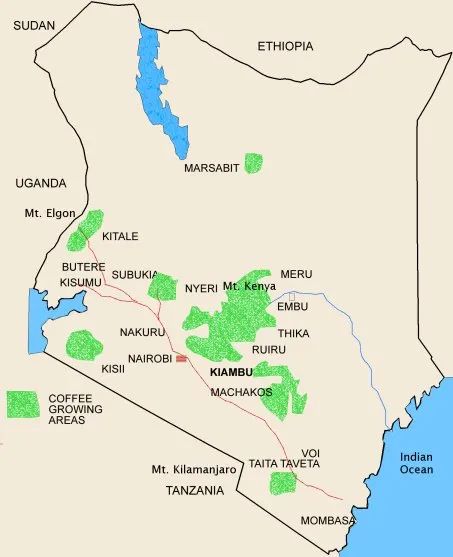
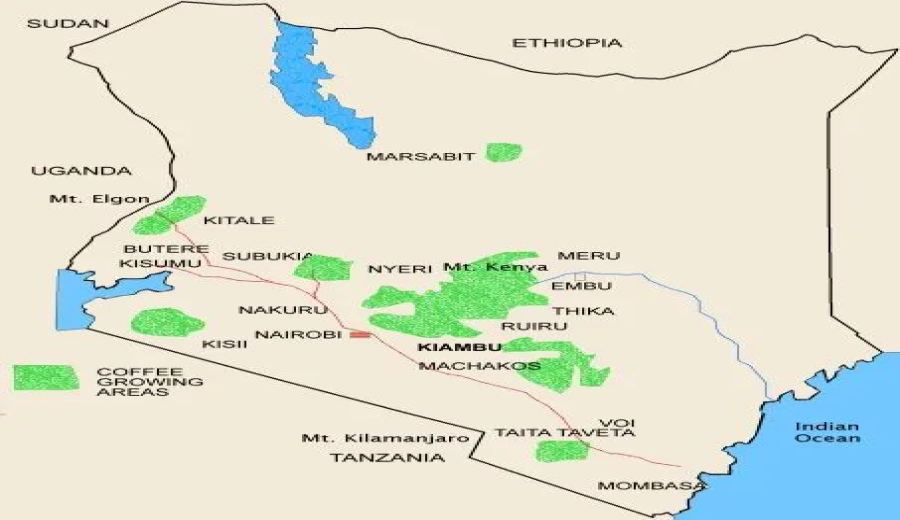
Coffee cultivation in Kenya is primarily concentrated in the central and western highland areas, including Nyeri, Kirinyaga, Muranga, Meru, Embu, Kiambu, Thika, as well as Kericho and Kisii. These regions are mostly situated at altitudes of 1,400 to over 2,000 meters, representing high-altitude growing environments that allow coffee cherries to ripen slowly and accumulate richer flavor compounds. The main coffee varieties planted include SL28, SL34, Ruiru 11, Batian, and K7, among which SL28 and SL34 are classic varieties for Kenyan washed coffee, celebrated for their high acidity, brightness, and distinctive berry-like tones. In terms of harvest seasons, there are mainly the main season from October to January and the secondary season (commonly called fly crop) from April to June. The microclimates and soil conditions of different regions also contribute to subtle variations in coffee flavor — for example, the Nyeri region often exhibits bright fruit notes such as white grape, grapefruit, and cherry tomato, while the Embu region is known for its balanced profile of citrus, chocolate, and apple.
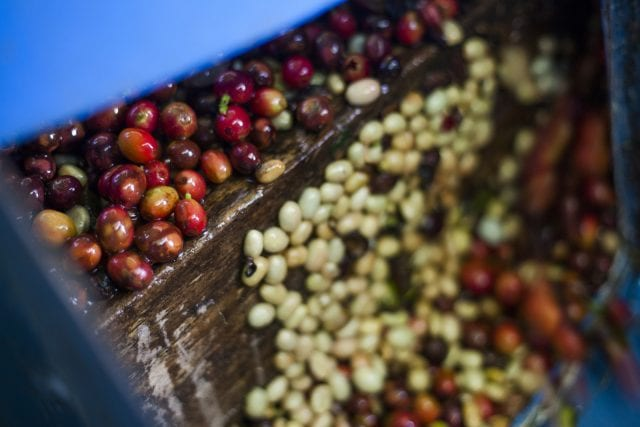
The most famous washed processing method in Kenya is the K72 double fermentation cycle. This technique emphasizes precision and patience — on the day of harvest, only the highest-quality coffee cherries are selected, depulped, and then undergo the first 24-hour fermentation before being thoroughly rinsed with clean water. This fermentation and washing cycle is repeated for a total of three rounds, accumulating 72 hours of fermentation time, hence the name. This long-duration, low-temperature fermentation process helps develop a clear, bright, and full-bodied acidity, while preserving the coffee’s body and layered complexity.For actual pour over brewing, it is recommended to use water at 91–93°C and a medium-fine grind size (such as that of fine sugar) to highlight its fresh acidic aroma and complex fruity notes.
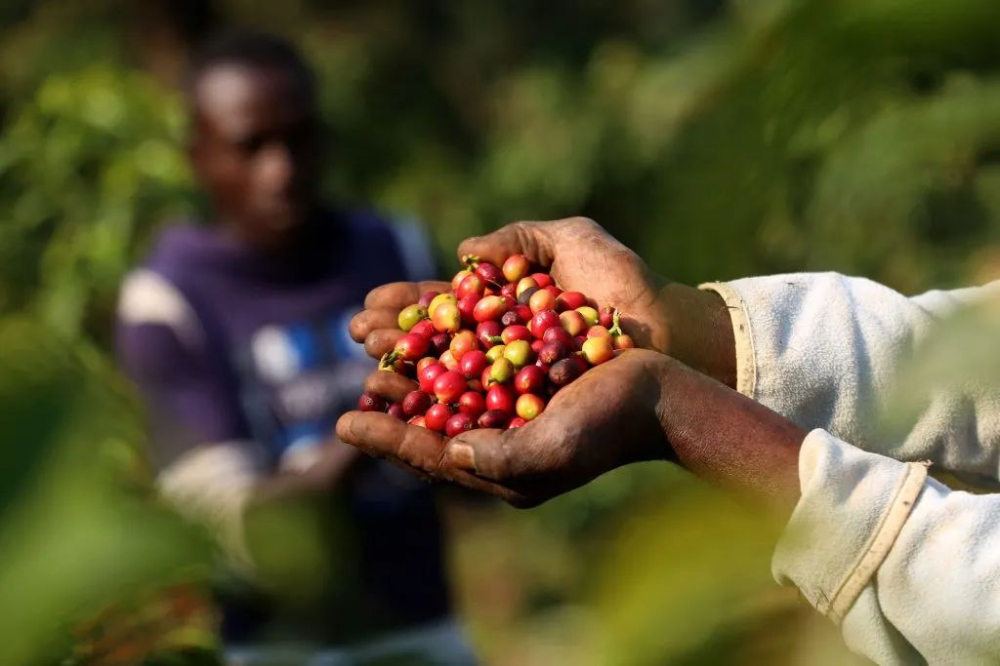
Compared to the widespread washed process, Kenyan natural-processed coffee is relatively rare, mainly due to its complicated procedure, high loss rate, and the need for stricter environmental control. This type of coffee is typically sun-dried in the traditional manner, allowing the coffee cherries to gradually dry under the sun, during which the pulp’s sugars and flavors gradually penetrate into the bean. Since the drying process relies on stable weather conditions and requires experienced handlers to manage the degree of fermentation, the defect rate is relatively higher, and the appearance is not as neat as that of washed beans. However, this processing method can impart a richer sweetness and bolder fruity aroma to the coffee, especially in the case of Bourbon varieties, which often display complex layers of caramel, vanilla, mixed fruits, and berries.For pour over, it is suggested to slightly lower the water temperature to 90–92°C and use a slightly coarser grind to avoid over-extraction, highlighting its full body and sweet aftertaste.
In terms of variety, classic Kenyan washed beans are predominantly SL28 and SL34, both of which are highly adaptable to high-altitude environments and capable of exhibiting exceptional acidity brightness along with unique berry and citrus tones. Meanwhile, the French Mission Bourbon commonly used in natural processing is an ancient variety introduced to Kenya by French missionaries in the late 19th century. With minimal modern modification, it retains the original rounded fruitiness and richly varied layers typical of Bourbon. The differences among these varieties are also one of the key factors contributing to the divergent flavor directions of washed and natural Kenyan coffees.
It is worth noting that the roast level of Kenyan coffee has a significant impact on flavor expression. A light roast can highlight its signature acidic aroma and fruity notes, but under-roasting may easily result in grassy flavors and unpleasant sharp acidity; a moderate light-to-medium roast can balance acidity, sweetness, and body, making it the most recommended choice. Whether washed or natural, brewing should avoid too low a water temperature,It is advised to maintain a temperature between 91–93°C to fully bring out Kenyan coffee’s honey-like aroma and multi-layered floral and fruity characteristics.
In summary, Kenyan washed coffee is famed for the K72 process, with bright acidity and clear layers, making it ideal for those who enjoy fruity acidity and a refreshing taste; whereas natural Kenyan coffee, due to its special processing, features prominent sweetness and intense fruitiness, suiting coffee lovers who prefer a fuller and more complex flavor. By understanding the differences in processing, regional characteristics, and suitable brewing parameters, you will be able to more accurately select and brew Kenyan coffee to fully showcase its potential.
The above content is compiled by CoffeeHunters, a coffee news website.


