







Introduction:Many coffee enthusiasts wonder: are dark roast and espresso blends suitable for pour over? The key lies in understanding how roast levels affect flavor. This article delves into the color changes and flavor characteristics at various roast stages—such as French, Italian, and City roast—and explores the differences in performance of dark roast beans in pour over and espresso scenarios. It also takes a warm, sun-kissed blend as an example to detail its R&D background, roast curve, and extraction approach, helping you master the essential techniques for extracting high-quality flavors from dark roast beans.
When standing in front of a coffee bean display and seeing packages labeled "espresso blend" or "dark roast," have you ever hesitated: are these beans suitable for pour over? In fact, the answer isn’t absolute but closely related to the roast level. To resolve this doubt, one must first understand the definitions and differences between various roast types. From French roast to City roast, each stage not only affects the appearance of the beans but also directly influences their flavor profile.
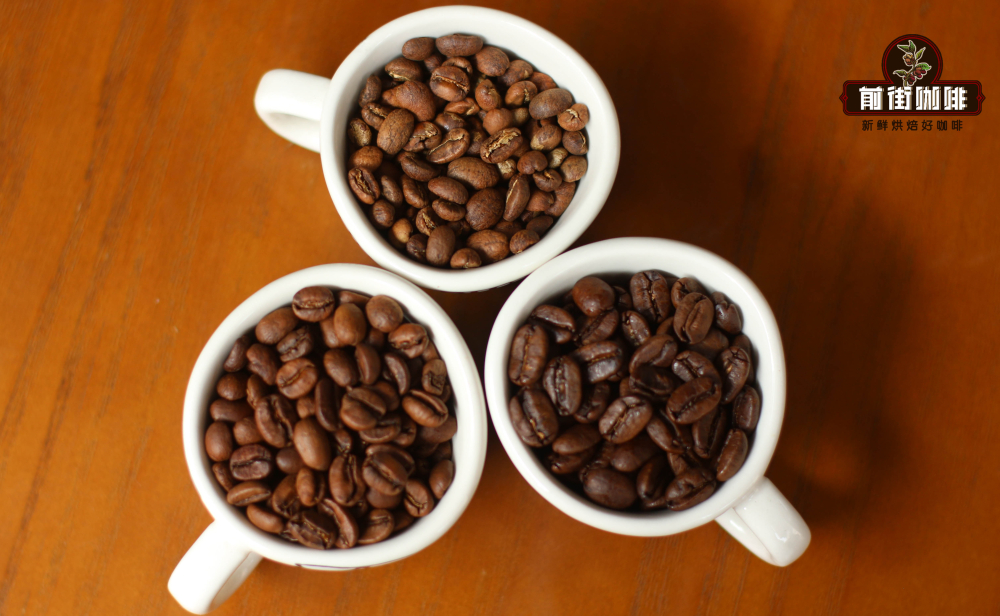
Common roast terms such as French (French Roast), Italian (Italian Roast), and City roast (City Roast) are unrelated to origin but describe the degree of roast maturity. Generally, French roast is on the darker side for extraction purposes, with pronounced bitterness and rich roasty aromas, sometimes even carrying a charred note—it's suitable for making café au lait or milk-based drinks. In contrast, City roast offers a more balanced profile, with harmonious bitterness and acidity, making it a daily favorite for many home brewers and cafés. As for Italian roast, it is the darkest among them all—the beans are nearly coal-black, with intense bitterness and a heavy body, crafted specifically for espresso and cappuccino.
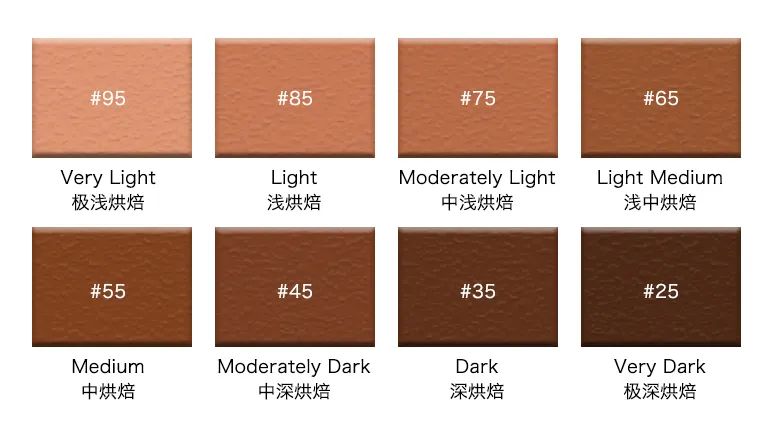
In professional circles, roast levels can also be precisely categorized using Agtron color values. For instance, Agtron #95 denotes an extremely light roast, typically dropped just as the first crack intensifies and ends; Agtron #85, a cinnamon roast, is dropped as the first crack begins or just ends; Agtron #75, a medium roast, is dropped after the first crack ends; Agtron #65, a dark roast, is usually dropped during the quiet period between the first and second cracks; Agtron #55, a City roast, is dropped as the second crack just begins; Agtron #45, a full City roast, is dropped just before the second crack becomes intense; Agtron #35, a French roast, is dropped during the dense phase of the second crack; finally, Agtron #25, an Italian roast, is completed only when the beans’ surface oils begin to emerge.
Dark roast beans are generally classified within the Agtron #35 to #25 range. Due to the longer roast time, these beans undergo more thorough caramelization, releasing richer sweetness and aroma while generating more oils, resulting in a heavier body. Although dark roast flavors are often dominated by bitterness, their sweetness can effectively balance some acidity—especially in beans from high-quality origins, where dark roasting can help highlight complex flavor layers. For beginner coffee lovers wanting to try dark roast pour over, it’s recommended to consider personal taste preferences, bean origin details, and brewing methods comprehensively, or consult professionals for advice that better suits your needs.
Among the many dark roast blends, some are designed from the outset to cater to both pour over and espresso extraction. These blends typically emphasize balanced flavor, a full body, and prominent sweetness. Take a commonly seen warm, sun-kissed blend as an example—its development goal was to create a bean that delivers pleasant aromas upon the first sip, with a full body and gentle fruit acidity, and a noticeable sweet finish, perfect for bringing warmth in winter.
To achieve this goal, the R&D team specially considered using coffee beans with special processing methods, such as anaerobic fermentation or wine barrel fermentation, to add layers and complexity to the aroma. Ethiopia, with its diverse varieties, became an important choice—its washed beans offer bright fruit acidity and a clean mouthfeel, while natural beans bring rich tropical fruit tones and complex textures. In practical tests, wine barrel fermented beans and natural beans performed exceptionally well, not only exuding rich aromas but also delivering well-balanced fruit acidity and sweetness, laying a solid foundation for the final blend.
During the roasting process, to ensure uniform development across all components of the blend, a gradual reduction in heat strategy was adopted. Specifically, the beans were dropped into the drum when the roaster reached 210°C, with the initial air damper set to 4 and the heat at 200. The turning point was reached around 1 minute and 30 seconds at 92°C; when the drum temperature hit 140°C, the air damper was increased to 6, the beans turned yellow, and the grassy notes had completely dissipated, entering the dehydration stage; at 180°C, the heat was reduced to 10 and the air damper opened fully to 10; by 9 minutes and 30 seconds, the bean surface showed wrinkles and black speckles, the toastiness gradually shifted to coffee aroma, and close attention was paid to the sound of the first crack; the first crack typically began at 10 minutes and 38 seconds, continuing for 3 minutes and 40 seconds, with the beans finally dropped at 197.5°C.
After multiple rounds of cupping, pour over, and espresso extraction testing, this warm, sun-kissed blend showcased gentle fruit acidity, lasting sweetness, ample sweetness, intense chocolate notes, along with hints of vanilla, cream, and distinct winey tones. The overall mouthfeel is clean and smooth, with medium body, perfectly aligning with the original design intent.
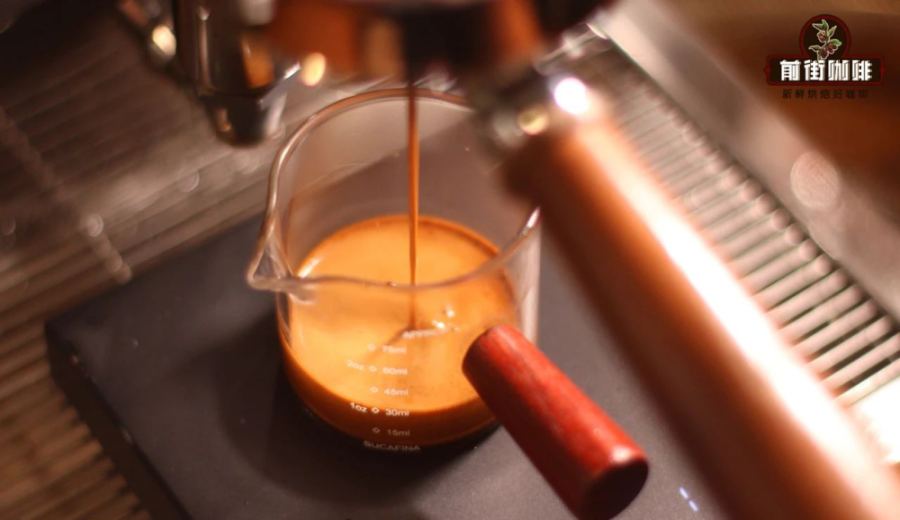
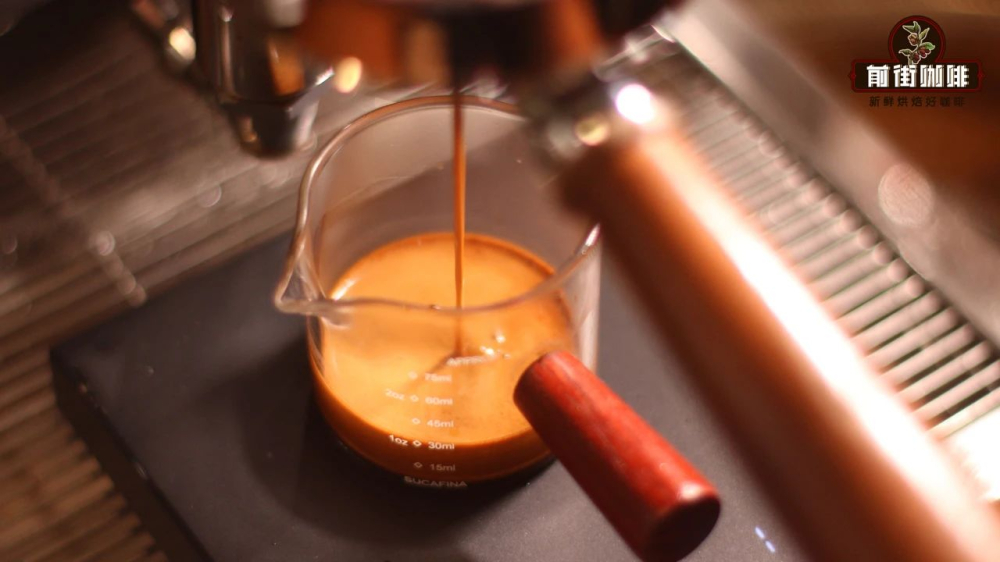
For extraction parameters, if using an espresso machine, it is recommended to use a PF 600N grinder, set to grind size #1.8, with 20 grams of coffee, extracting 40 grams of espresso, achieving a 1:2 brew ratio, and keeping the extraction time within 28 seconds. Under these parameters, the flavor profile features a smooth mouthfeel and medium body, with noticeable fruit acidity and subtle berry notes, accompanied by wine-like aromas and rich chocolate flavors, plus a clear aftertaste.
For making Americano, it is advised to mix the espresso with water at a 1:5 ratio—the flavor is characterized by sherry-like aromas paired with vanilla cream tones, offering a slightly intoxicating feel and layered cocoa and caramel notes. As for lattes, mixing the espresso with milk at a 1:6 ratio is suggested—the flavor highlights rich chocolate-milk and caramel profiles, with standout sweetness, a smooth texture, and is highly suitable for milk coffee lovers.
The above content is compiled by CoffeeHunters, a coffee news website.


