







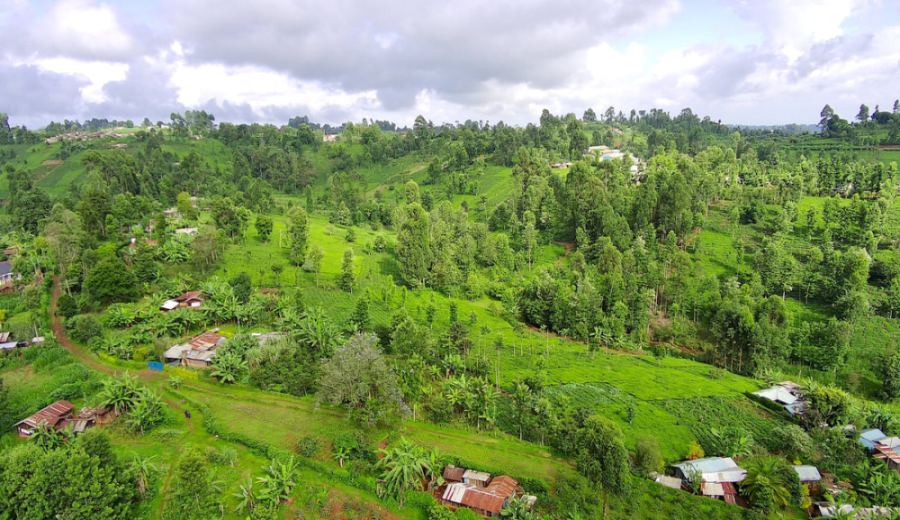
Introduction:Kenyan coffee is world-renowned for its bright acidity and berry-like flavor profile, often regarded as the flagship single origin among many specialty coffee enthusiasts. This article delves into the distribution of Kenya’s major coffee-growing regions, how altitude and climate influence flavor, explores the origins of classic SL28 and SL34 varieties, and discusses the characteristics of the disease-resistant Ruiru11 variety. It also provides a detailed breakdown of Kenya’s iconic K72 washed processing method and bean grading system, along with practical pour over recommendations — including grind size, water temperature, brew ratio, and pouring techniques — to help you fully appreciate the charm of Kenyan coffee.
Located in East Africa, Kenya is bisected by the equator. It borders Somalia to the east, Tanzania to the south, Uganda to the west, and Ethiopia and Sudan to the north, with the Indian Ocean to its southeast. The terrain is predominantly plateau, with an average elevation of about 1,500 meters. The climate ranges from tropical monsoon to alpine conditions, and the country experiences no distinct four seasons, only wet and dry seasons. High-altitude areas such as those around Mount Kenya enjoy cool temperatures and significant day-night temperature variations, making them ideal environments for growing Arabica coffee.
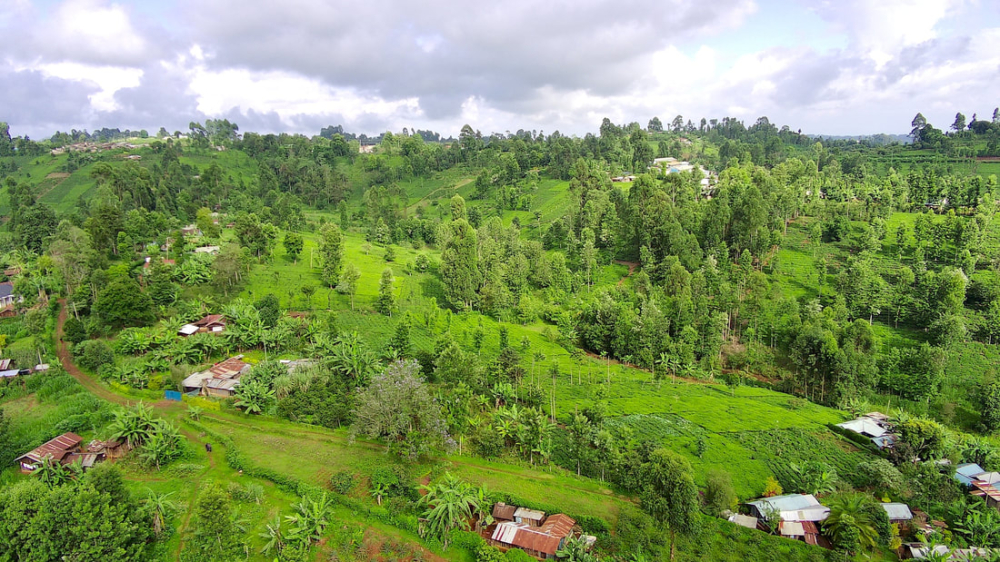
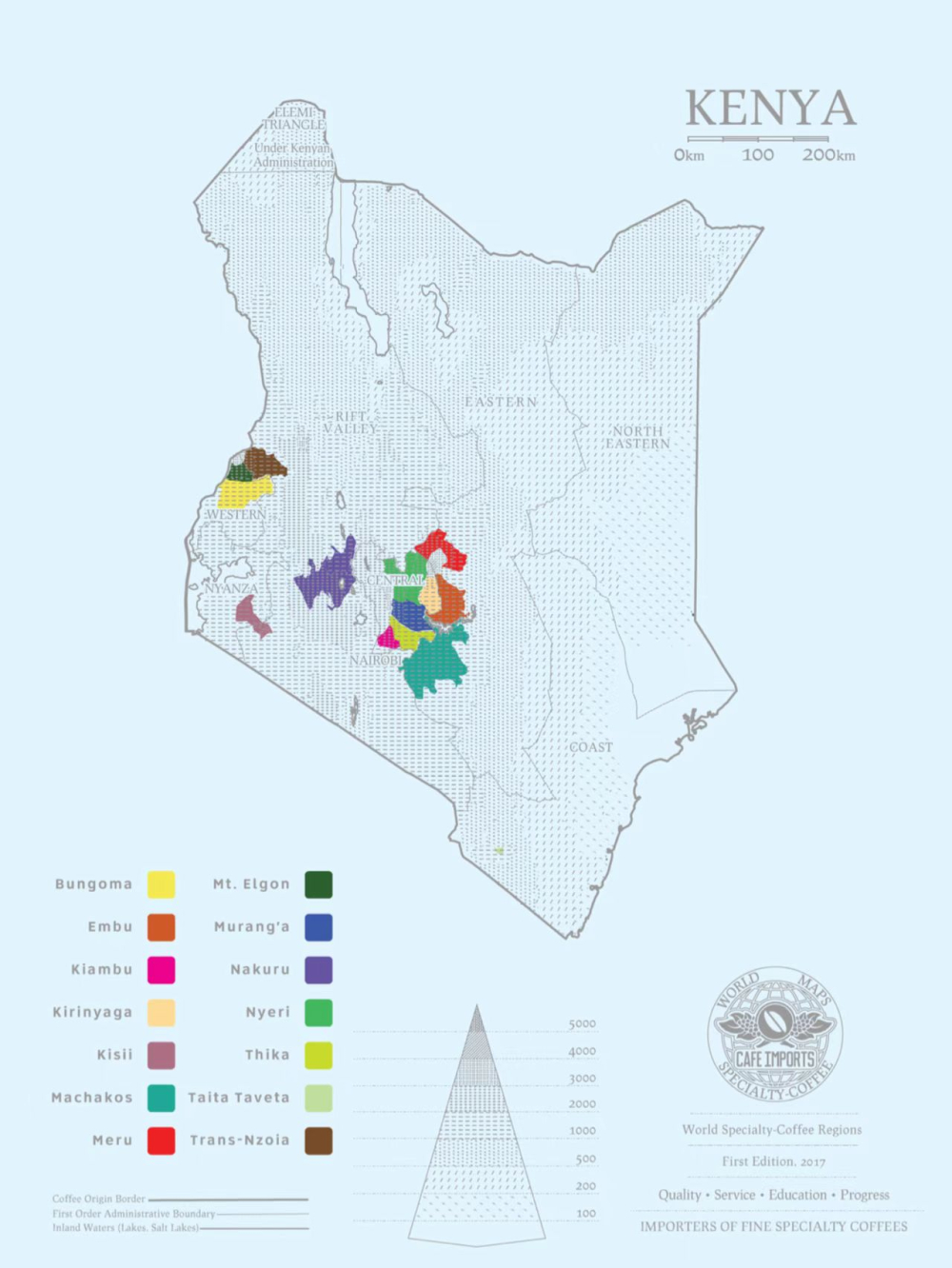
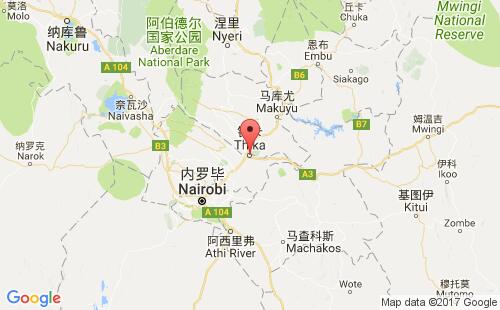
Kenya’s coffee cultivation is primarily concentrated between 1,300 and 2,000 meters above sea level, with an average annual temperature of about 15–24°C and annual rainfall of 900–1,200 millimeters. These conditions contribute to the rich and layered flavors found in Kenyan coffee. Major producing regions include the Aberdare Mountains, Nyanza, Kisii, Bungoma, Kericho, and Nakuru. Due to geographical and microclimatic differences, these areas produce coffees with distinct flavor profiles. Among them, central Kenya not only has the highest output but is also renowned for the highest quality, while western regions such as Kisii and Trans-Nzoia, as well as southern areas like Thika, are also gaining increasing market attention.
When discussing Kenyan coffee, one must mention the two classic varieties — SL28 and SL34 — developed by the Scott Laboratories in the 1930s. These varieties are famed for their pronounced berry acidity and complex flavor profiles. Even when cultivated in certain parts of Central America, they retain their unique flavor characteristics. Notably, the winning coffee of last year’s Costa Rica COE competition used a blend of SL28 and Geisha. In addition, Kenya continues to develop disease-resistant varieties, such as Ruiru11, which is considered the Kenyan counterpart to Catimor and offers good resistance to leaf rust. However, cuppers have noted that coffees blended with Ruiru11 tend to be slightly inferior in terms of sweetness and purity compared to traditional varieties, highlighting the significant impact of variety on coffee flavor.
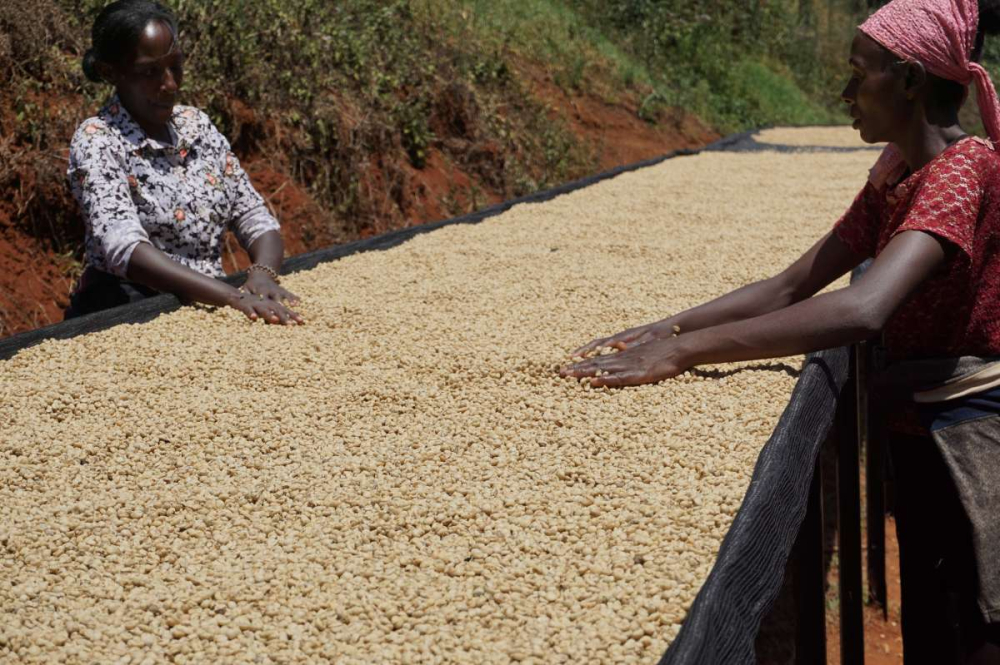
One of the most talked-about aspects of Kenyan coffee is its iconic K72 washed processing method. Unlike typical washed processing, which involves fermentation for only 24–48 hours, Kenya employs a more elaborate three-stage fermentation process: first a 24-hour washed fermentation to remove the mucilage, followed by two additional 24-hour fermentations in clean water tanks — totaling 72 hours of fermentation. This technique allows for a more thorough breakdown of the mucilage while preserving the brightness of the acidity and the purity of the sweetness, resulting in a coffee with a clean, crisp, and well-defined flavor profile.
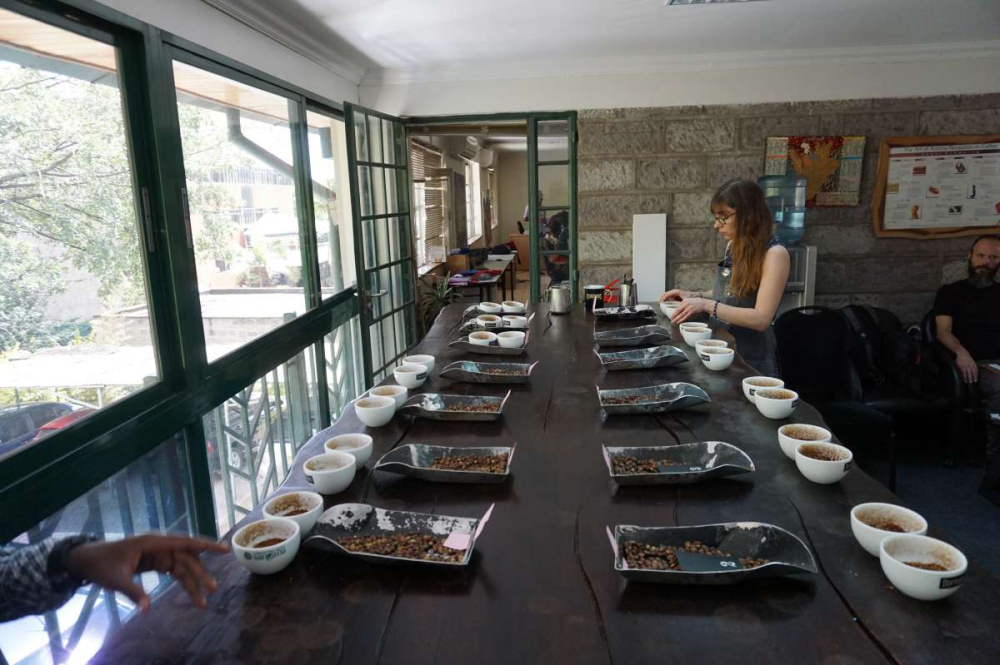
Kenya’s coffee bean grading system is primarily based on bean size, with Grade AA being the highest, followed by Grade AB. This size-based grading helps ensure even heat distribution during roasting and contributes to consistent flavor. While larger beans are generally associated with higher quality, different regions — such as Nyeri, Kirinyaga, and Kiambu — still exhibit subtle flavor variations, such as notes of cherry tomato, berries, and prominent acidity. These are all typical characteristics of Kenyan coffee, making it instantly recognizable to those familiar with its profile.
Now that we understand the characteristics of Kenyan coffee, let’s move on to pour over recommendations tailored to these traits. Kenyan beans are generally large, dense, and visually sound, making them well-suited for extraction with medium-to-high water temperatures and moderate grind coarseness. A recommended grind size is around 75% passing through a 20-mesh sieve, helping to avoid excessive fines that could lead to channeling or over-extraction.
For water temperature, 93°C is advised to fully highlight its tomato-like fruitiness and sweet undertones. The recommended brew ratio is 1:16, which balances strength with clarity and highlights the delicate layers of acidity. If using a small V60 dripper, aim for at least 15 grams of coffee; for a larger V60, consider using 25 grams or more for optimal extraction performance.
In terms of pouring technique, start with a 30 ml bloom for 30 seconds to awaken the coffee grounds. For the second pour, add 120 ml of water, circling from the center outward. Once a golden crust forms, gradually reduce the circle toward the center until the coffee bed descends to about half the height of the shorter ribs. Then, for the third pour, add 90 ml of water, pouring slowly in small circular motions within a coin-sized area. Allow the brew to fully drip through, aiming for a total extraction time of around 2 minutes (with a ±10 second tolerance). This approach minimizes channeling, ensures even extraction, and accentuates the plum-like acidity and sweet tomato notes characteristic of Kenyan coffee.
The above content is compiled by CoffeeHunters, a coffee news website.


