







Category: Coffee Knowledge

Is Indonesian Mandheling a region or a variety? Analysis of Golden Mandheling grading and flavor
Many coffee beginners often wonder whether Mandheling refers to a region or a coffee variety. This article explores the geography and climate conditions of Sumatra, Indonesia, to explain the origins of the local wet-hulled processing method. It also delves into Indonesia’s coffee grading system and the selection criteria for Golden Mandheling. Additionally, it discusses the impact of the Catimor variety on flavor and offers practical advice for identifying high-quality Mandheling, helping you choose truly premium Indonesian coffee. [more…]
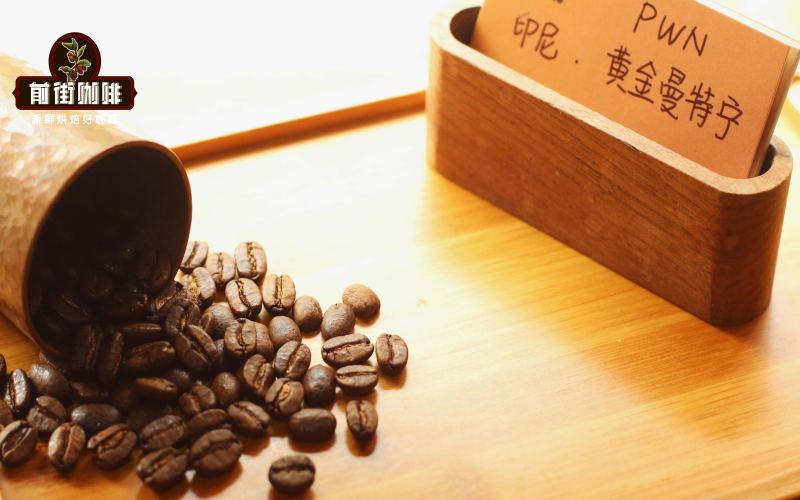
How to brew medium-dark roast Mandheling? A complete guide from wet-hulling to pour over parameters for Golden Mandheling
Want to understand why most commercially available Mandheling is medium-dark roasted? And how to bring out its rich flavors with a pour over instead of just bitterness? This article starts with the characteristics of Sumatra’s wet-hulling process, explores the reasons behind the common medium-dark roasting of Mandheling, introduces you to the PWN Golden Mandheling grade and Indonesia’s green bean grading standards, and provides practical pour over parameters and techniques to help you brew a classic Mandheling with balanced flavors, caramel, and nutty notes. [more…]
A Practical Guide to Brewing Mandheling SOE | Master Espresso & Pour Over Parameters & Flavor Profiles
Can a single-origin Mandheling bean be brewed as an SOE (Single Origin Espresso)? How do its parameters and flavor profiles differ from common espresso blends when brewed via espresso machine or pour over? This article delves into the application potential of Mandheling as both a single-origin and espresso bean, offering precise recommendations on grind size, water temperature, and brew ratio, while comparing flavor performance across different brewing methods to help you choose the most suitable extraction mode based on your needs. [more…]

Iced Americano vs. Hot Americano: Big Differences Explained – Learn How to Choose the Right Beans and Brewing Techniques
Although iced Americanos and hot Americanos both stem from the same shot of espresso, their flavor profiles and brewing details differ greatly. This article delves into the differences between the two — covering water temperature selection, extraction parameters, and suitable coffee bean varieties — to help you master the key elements of making a great iced Americano. Whether you’re brewing at home or grabbing one to go, you’ll be able to enjoy a refreshing and layered coffee experience. [more…]
Both pour over and espresso recommended!A complete guide to Americano flavor blending and extraction parameters
Americano may seem simple, but its overall flavor profile is influenced by the quality of the espresso, variations in coffee-to-water ratio, and brewing details. This article provides an in-depth analysis of selecting espresso beans, setting single and double shot extraction parameters, differences between hot and iced Americano ratios, and offers practical blending tips to help you brew a smooth, non-bitter Americano — easy to master whether at home or in a café. [more…]
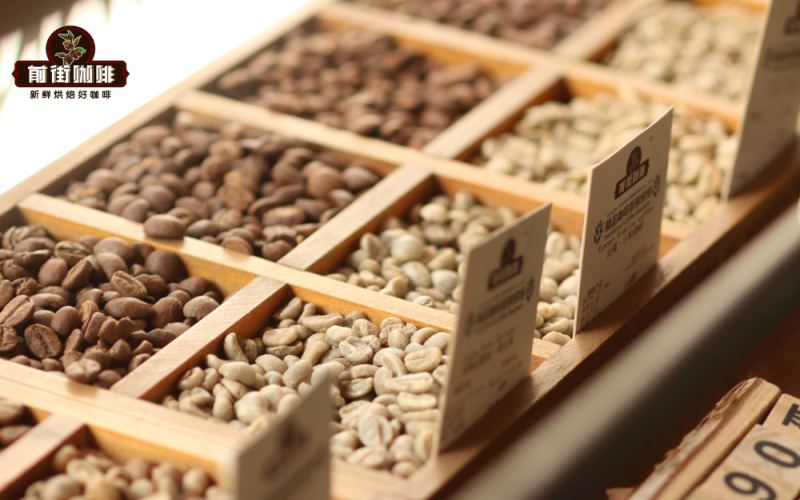
Complete Guide to Making Iced Americano: From Espresso Ratio to Crema Choices, Flavor Analysis & Technique Tips
Although iced Americano may seem simple, every step—from espresso extraction, water-to-coffee ratio, to whether to retain the crema—affects the final flavor. This article deeply analyzes the differences between making iced and hot Americanos, compares the two methods of Americano and Long Black, discusses the controversy around extended extraction, and guides you through achieving a refreshing and layered iced Americano using practical coffee-to-water ratios and extraction parameters. [more…]
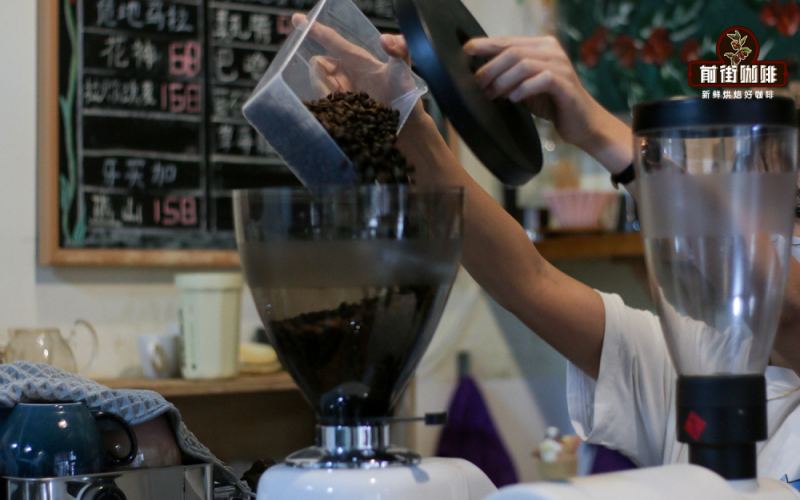
Espresso Extraction Guide: From Blend Selection to Optimal Parameter Settings, Helping You Brew Professional-Grade Espresso
Espresso is the soul of all milk-based coffees. This guide analyzes from a professional perspective how to adjust grind size, coffee-to-water ratio, and extraction time to brew espresso with balanced flavor and smooth texture. It also delves into why Italian espresso blends are key to stable extraction, presents the flavor profiles of practical blend options, and provides detailed steps from dose distribution and tamping to extraction, along with solutions to common issues — enabling you to brew professional-grade espresso at home. [more…]
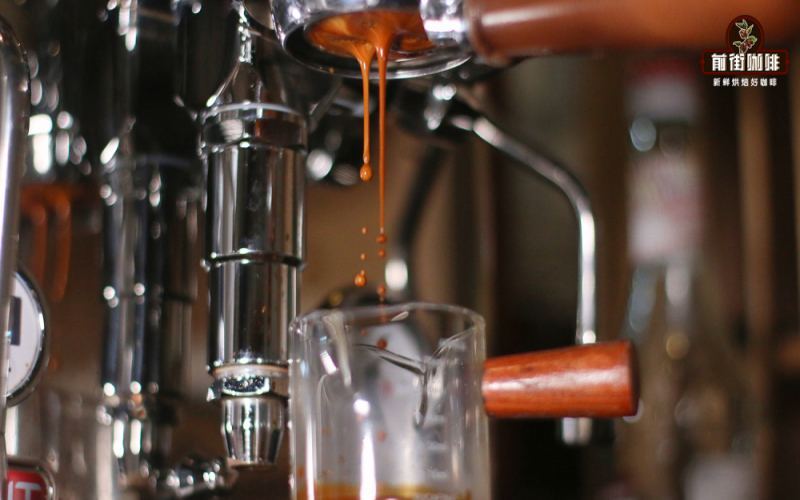
Mastering Espresso Extraction Secrets: A Comprehensive Guide to Coffee-to-Water Ratio, Grind Size, and Flow Rate Adjustment
A refined shot of espresso hinges on the perfect balance between coffee-to-water ratio, grind fineness, and extraction flow rate. This article delves into the common ranges for extraction ratios, explores how grind size affects flow rate and flavor release, and offers practical tips on how to flexibly adjust coffee dose, grind size, and shot weight based on extraction changes. It also includes real-world examples and flavor profiles to help you refine the quality of every espresso you pull. [more…]

Complete Guide to Espresso Extraction: From Bean Resting to Serving, Master Key Parameters of Grind Size and Coffee-to-Water Ratio
A high-quality espresso is the soul of all Italian-style coffee. Every step—from bean selection and resting, to fine-tuning grind size and coffee-to-water ratio—directly impacts the final flavor profile. Based on practical operation, this article provides an in-depth analysis of the complete process: from bean processing and grinder settings, to portafilter temperature control, extraction time, and flow rate. It will help you master the golden extraction parameters of 20g of coffee grounds yielding 40ml under 9bar pressure within 20–30 seconds, to create a stable and [more…]
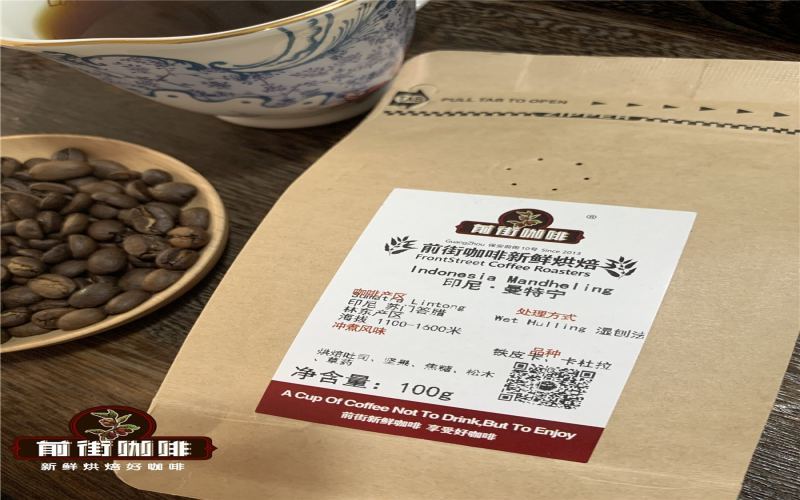
Unveiling Mandheling Coffee: Wet-Hulling Process, Differences from Washed Method, and Indonesian Grading System
Indonesian Mandheling coffee is renowned for its rich herbal aroma and full-bodied taste, with its distinctive flavor largely stemming from the unique wet-hulling process native to the region. This article delves into the operational steps and principles of the wet-hulling method, compares it with the more common washed method, and explores how Indonesia’s high-humidity climate influences the choice of processing techniques. It also provides a detailed introduction to Indonesia's official coffee grading standards, helping readers understand how to assess quality based on defect rates and bean appearance. The article retains references to the everyday-grade beans from the Lintong region and the Aceh PWN Gold. [more…]
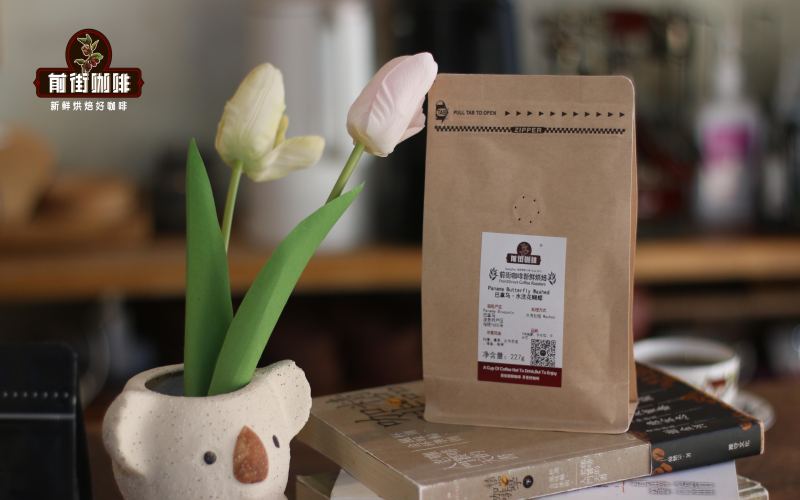
Panama Huahuang Coffee Bean Analysis: How to Brew a Geisha Blend Washed Bean? A Complete Guide to Flavor and Pour Over Parameters
Besides the renowned Geisha, the Panama Boquete region also offers a highly cost-effective blended bean called Huahuang. It combines three varieties—Geisha, Caturra, and Catuai—and highlights delicate floral and fruity notes through washed processing. This article delves into its origin background, variety characteristics, processing methods, and provides professional pour over recommendations along with three-stage extraction parameters, helping you master the brewing secrets of this high-value specialty bean. [more…]
Analysis of Panama Hua Hudie Coffee Beans: Geisha Hybrid Pour Over Parameters and Flavor Characteristics
The Boquete region of Panama is not only famous for its high-priced Geisha beans but also offers the highly cost-effective Hua Hudie coffee beans. This hybrid blend combines Geisha, Caturra, and Catuai, with approximately 40% Geisha lineage delivering pronounced floral and fruity notes, yet providing a premium specialty coffee experience at a more accessible price. This article delves into its regional background, varietal composition, processing method, and flavor profile, and offers practical pour over recommendations and parameters to help coffee enthusiasts easily savor the essence of Geisha flavors. [more…]
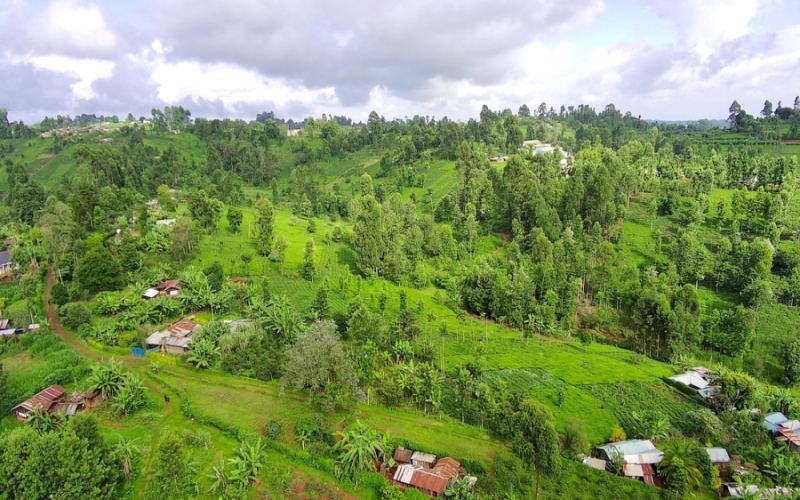
How to distinguish Kenya AA and AB beans? A complete guide to 7 major regions + K72 processing method + pour over parameters
Kenyan coffee is renowned for its intense fruity acidity and rich body, but the AA and AB grading system often causes confusion. This article delves into the characteristics of Kenya’s seven premium coffee regions, the differences between SL28 and SL34 varieties, and provides a detailed explanation of the exclusive K72 washed processing method and its fermentation techniques. From bean grading standards to cupping flavor profiles, it also offers the actual roasting curve, pour over parameters, and professional cupping notes for the AA TOP beans from the Asali factory in the Thika region, taking you on a journey from origin to cup. [more…]
How to Brew Guatemalan Antigua Fangyuan Coffee Beans? Brewing & Flavor Analysis of Washed Bourbon & Caturra Varieties
An in-depth analysis of the regional characteristics, varietal genetics, and washed processing details of Guatemalan Antigua Fangyuan coffee beans. Learn how this coffee, dominated by berry, citrus, and delicate floral notes, achieves a balanced flavor through medium roasting. This article also details recommended V60 pour over parameters, explains why it suits drip bags, and provides professional cupping insights — a practical reference for coffee enthusiasts selecting single-origin beans. [more…]
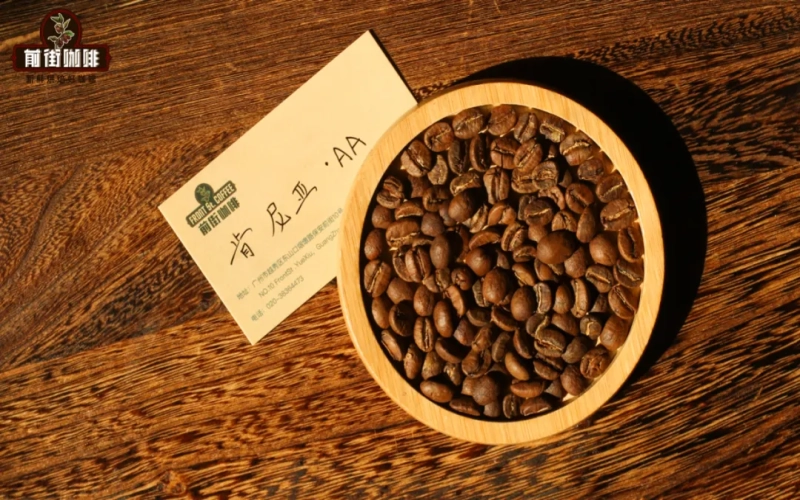
How Are Kenyan Coffee Grades AA and AB Different? Regional Flavor Characteristics and Selection Tips
When purchasing Kenyan coffee, you’ve likely come across beans labeled as Grade AA or AB. But do you know what these grades really mean? In fact, they are the result of grading based on bean size. This article provides an in-depth look at Kenya’s coffee grading system, offering a clear overview of the differences between each grade from AA to T, exploring the relationship between bean size and flavor, as well as the unique flavor profiles of different regions, helping you choose your ideal Kenyan coffee with precision. [more…]
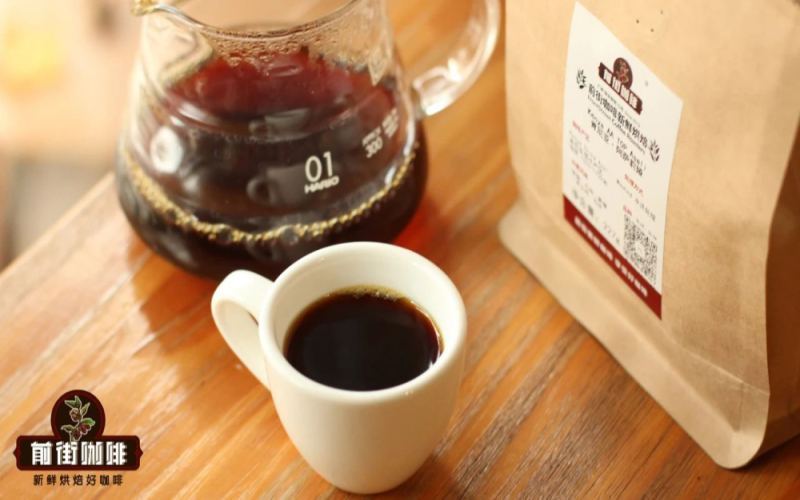
How to Choose Between Kenyan AA and AB Green Coffee Beans? A Complete Guide to Washed Processing and Brewing Parameters
Kenyan coffee is renowned for its unique berry notes and vibrant acidity, and its grading system based on bean size is a standout feature in the industry. This article provides an in-depth analysis of the differences between Kenyan AA and AB grades, the washed processing method, and explores suitable brewing techniques. It also offers practical extraction parameters and flavor expectations to help coffee enthusiasts select and brew Kenyan coffee with the best possible flavor. [more…]

How to Choose Between Kenyan AA and PB Coffee Beans? A Comprehensive Guide to SL28/SL34 Varieties and the K72 Processing Method
Kenyan coffee is renowned for its bright acidity and complex aromas, with the SL28 and SL34 varieties, as well as the AA, AB, and PB grading, being focal points for many pour over enthusiasts. This article delves into the historical background and flavor profiles of these two classic varieties, introduces you to Kenya’s unique K72 washed processing method, and explains in detail the screening criteria and actual differences between each grade of beans. Finally, we provide an overview of seven major growing regions and practical brewing parameters to help you find your ideal Kenyan coffee. [more…]

How to Brew Kenyan AA Coffee Beans? A Complete Guide from the Growing Region to Pour Over Parameters
Kenyan coffee is renowned for its unique acidity and fruity aroma, with Kenyan AA-grade beans being a top choice for many coffee enthusiasts. This article will delve into the growing environment of Kenyan coffee, the characteristics of its varieties, the classic K72 washed processing method, as well as its rigorous bean grading system. We also provide roasting parameters and pour over recommendations for two classic Kenyan beans, helping you master key techniques from bean selection to brewing. [more…]
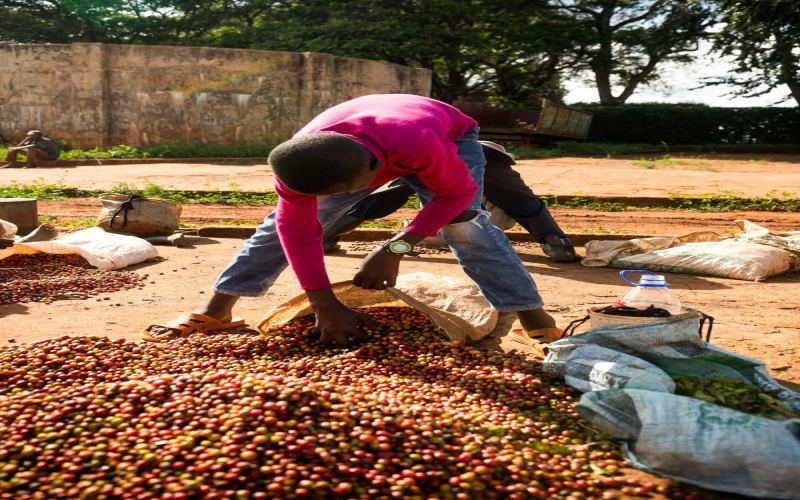
In-depth Analysis of Kenyan Coffee: K72 Washed Process, SL28/SL34 Varieties, and Regional Flavor Differences
Kenyan coffee is renowned for its intense acidity and complex layered flavors, which stem from the K72 washed processing method, the classic SL28/SL34 varieties, and the microclimate variations between the central and western growing regions. This article provides an in-depth exploration of Kenya’s coffee industry system—from historical background to variety cultivation, from processing techniques to regional flavor profiles—along with practical parameters and tasting tips to help you grasp the essence of this premium African coffee. [more…]
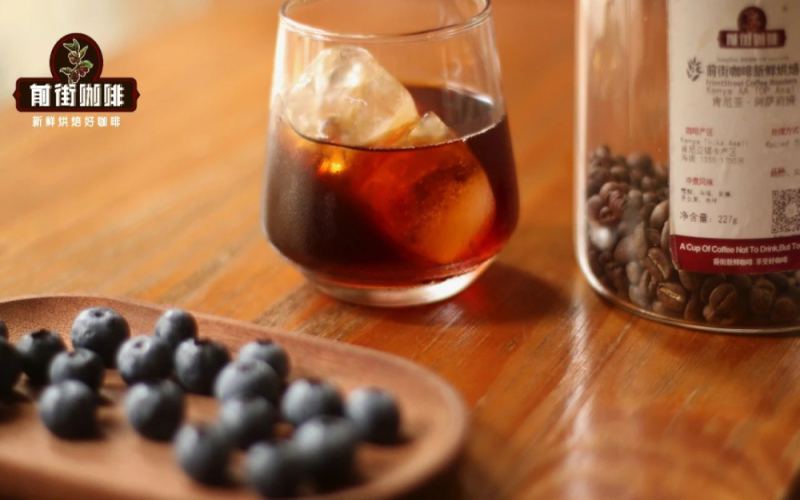
Complete Guide to Kenyan Coffee Beans: Flavor Profiles, Grading System & Pour Over Parameters for AA Grade
Kenyan coffee is renowned for its bright acidity and complex flavor layers, characteristics primarily derived from the two classic coffee varieties—SL28 and SL34—as well as the unique K72 washed processing method. This article delves into Kenya’s coffee grading system, variety traits, and regional flavor differences, while also providing detailed information and practical pour over recommendations for two popular Kenyan beans, helping coffee enthusiasts better appreciate their unique charm. [more…]