







Introduction:Kenyan coffee is renowned for its bright acidity and complex flavors, largely thanks to two classic varieties: SL28 and SL34. This article delves into the origins, genetic backgrounds, and cupping characteristics of these two varieties, and compares the grading criteria and actual flavor differences among AA, AB, and PB grades. It also provides a roast profile for the washed processing method and V60 pour over parameters to help you better understand the tasting logic behind Kenyan coffee.
The reason Kenyan coffee stands out among Africa’s specialty producing regions lies in its unique variety combinations and rigorous grading system. Among them, SL28 and SL34 are not only the soul varieties of Kenyan coffee but also the key pillars supporting its consistent quality. These two varieties originated from a systematic breeding program at the Scott Laboratories in the 1930s, when the Kenyan government established the lab specifically to enhance the disease resistance and yield of the coffee industry by selecting the most promising plants from numerous single-tree selections.
SL28: A Classic Bourbon-Type Variety Resistant to Drought and High Altitude
SL28 was first selected in 1935 from the Moduli region of Tanganyika (then called Tanganyika) by AD Trench of the Scott Laboratories. The variety originally exhibited outstanding drought and disease resistance, which was later refined in the lab to become what we now know as SL28. Genetic testing shows that SL28 belongs to the Bourbon genetic group, with round and full beans, suitable for planting at medium to high altitudes. Although it is more susceptible to diseases, many SL28 trees over 60 years old can still maintain stable yields.
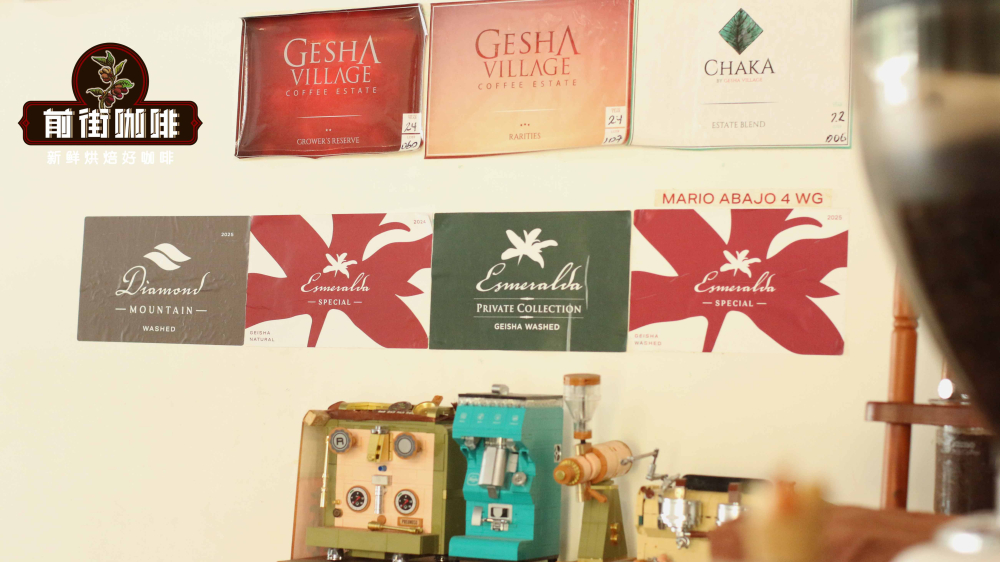
What makes SL28 most praised is its bright acidity, rich sweetness, and layered flavors, often featuring unique notes such as citrus and dark plum. Its copper-colored leaves and bean shape resembling broad beans are also key identifiers of this variety.
SL34: A Bold Flavor Variety Closely Related to Typica
SL34 was initially thought to be French Mission (Bourbon), but subsequent genetic analysis confirmed it has a Typica genetic background, making its plant characteristics similar to Typica, with slightly oval and flat beans.SL34, like SL28, is a genetic variant, but SL34 can be grown at slightly lower altitudes and tends to have relatively higher yields.. In terms of flavor, SL34 also exhibits complex and varied acidity and prominent sweetness, but with a richer and cleaner mouthfeel, featuring distinct Bourbon and Typica notes.
Currently, many Kenyan coffee farms intercrop SL28 and SL34 to balance flavor and yield, which is also a common practice for Kenyan single-origin beans.
Ruiru11 and Batian: The Development of Later Improved Varieties
To improve disease resistance and yield, Kenya introduced two new varieties, Ruiru11 and Batian, after the 1970s. Ruiru11, developed in the 1980s, was designed to resist rust and CBD (Coffee Berry Disease), and was once seen as a key variety to solve production issues. Batian, officially launched in 2010 and developed by the Coffee Research Institute (CRI), is genetically closer to SL28, with Robusta genetic elements removed, resulting in significantly improved cup quality and becoming one of Kenya’s important new varieties today.
Kenya’s Coffee Bean Grading System: Size Determines Grade, But Not Entirely Flavor
Kenya’s coffee bean grading system is primarily based on bean size and density, rather than purely flavor evaluation. Common grades include AA, AB, and PB, where AA refers to beans sized 17–18 mesh, AB to 15–16 mesh, and PB to peaberry beans (about 10% of total production). Notably,the flavor differences between AA and AB grades often stem from factors such as origin, altitude, and processing method, rather than just bean size..
Washed Kenyan coffee is generally divided into eight grades, from highest to lowest: E (elephant bean), AA, AB, TT, C, T, PB, and UG. Among them, Grade E consists of extra-large flat beans, while AA and AB are the main grades for specialty coffee, with PB often showcasing more concentrated flavors due to its peaberry nature.
Additionally, Kenya retains the traditional natural (sun-dried) processing grade M'buni (divided into MH and ML), but these beans are usually not washed and are of lower quality, mainly supplied to the domestic market.
In recent years, Kenyan coffee research institutions have adopted a more comprehensive quality grading procedure, evaluating green bean appearance, roasted bean condition, and cupping performance, classifying coffee beans into grades 1 to 10, with Grade 1 being the highest quality, providing a more scientific basis for quality assessment.
Popular Kenyan Coffee Bean Varieties and Roasting Recommendations
Take the Kenya Assaliya and Saxony Estate PB as examples—both use a 72-hour washed process and showcase the classic flavor profile of Kenyan coffee. Assaliya is primarily SL28 and SL34, with flavors including Sydney pear, dark plum, brown sugar, and cherry tomato; Saxony PB, due to its peaberry content, has a richer flavor profile, featuring almond, honey, and grape notes.
For roasting, Assaliya is recommended to be lightly roasted to highlight its bright acidity, with an inlet temperature of about 160°C, first crack starting at 9’28”, and drop temperature around 193.8°C. Saxony PB, due to its harder bean texture, requires a higher initial temperature rise and a longer first crack development time, which helps soften the acidity and develop the flavors, with a drop temperature around 193.3°C.
Pour Over Recommendation: A Perfect Match with V60 and Fine Grind
For brewing, it is recommended to use a V60 or a cone dripper, with water temperature controlled at 90–91°C, a brew ratio of 1:15, and grind size at 80% through a Chinese standard No. 20 sieve (fine grind). Use a pulse pouring method: start with 30g of water for a 30-second bloom, then pour in small streams up to 124g for the first pour, and continue pouring to 228g, with a total brew time of about 1’55”.
These parameters fully bring out the bright acidity, juicy body, and sweet lingering finish of Kenyan coffee. Whether you’re a beginner or an advanced enthusiast, you can experience the unique charm of Kenyan coffee through this brewing process.
The above content is compiled by CoffeeHunters, a coffee news website.


