







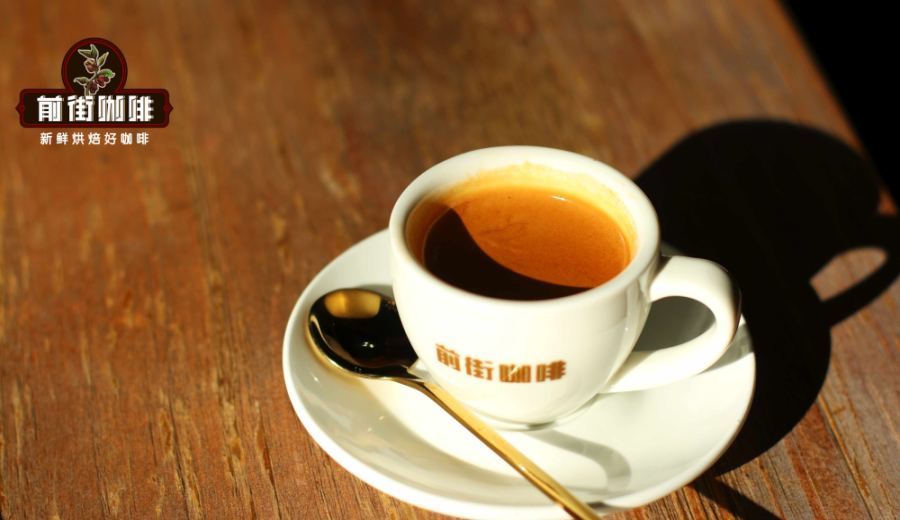
Introduction:The golden crema on top of an espresso not only affects its appearance but is also a key indicator of extraction quality. This article delves into the science behind crema formation, analyzing critical variables such as freshness, roast level, extraction parameters, and bean variety, supplemented with visual illustrations to help you master the techniques and tips for producing stable, rich crema at home or in a café setting.
As the soul of Italian coffee, the performance of an espresso is often judged at first glance — that is, the layer of golden crema floating on the surface. This layer, known as crema, is not only a visual highlight but also one of the key indicators of successful extraction. But how exactly is this crema formed? And what factors influence it? This article will break down its formation mechanism in detail and explore how various variables affect both the quality and quantity of the crema.
When we use an espresso machine to extract coffee, extremely finely ground coffee powder comes into contact with hot water under pressure as high as 9 bar. In this high-pressure environment, the carbon dioxide naturally stored within the coffee grounds cannot be released normally due to the excessive pressure and is instead forced to dissolve into the water. At the same time, the high pressure also pushes the natural oils in the coffee out from the fine particles, extracting them along with the water and carbon dioxide.
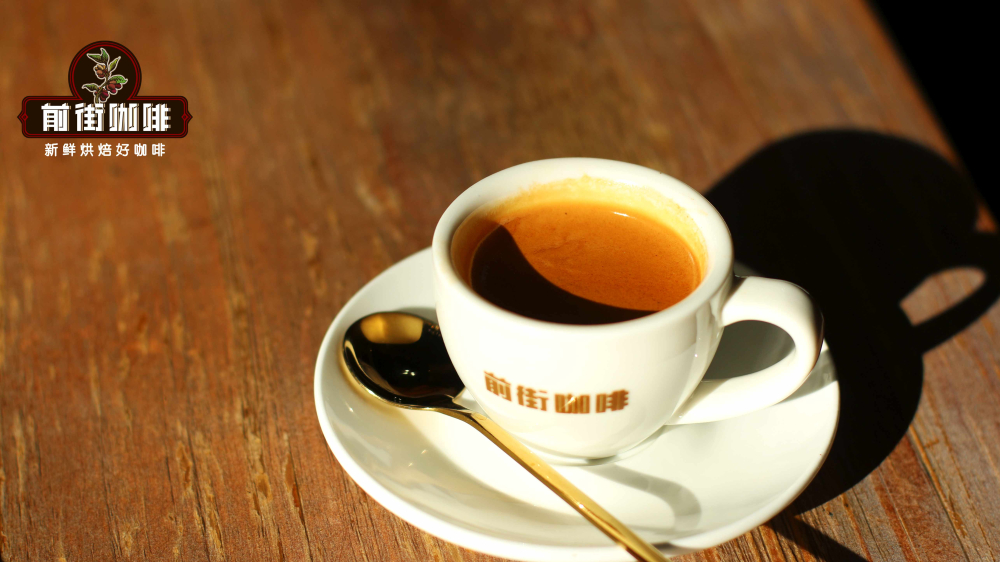
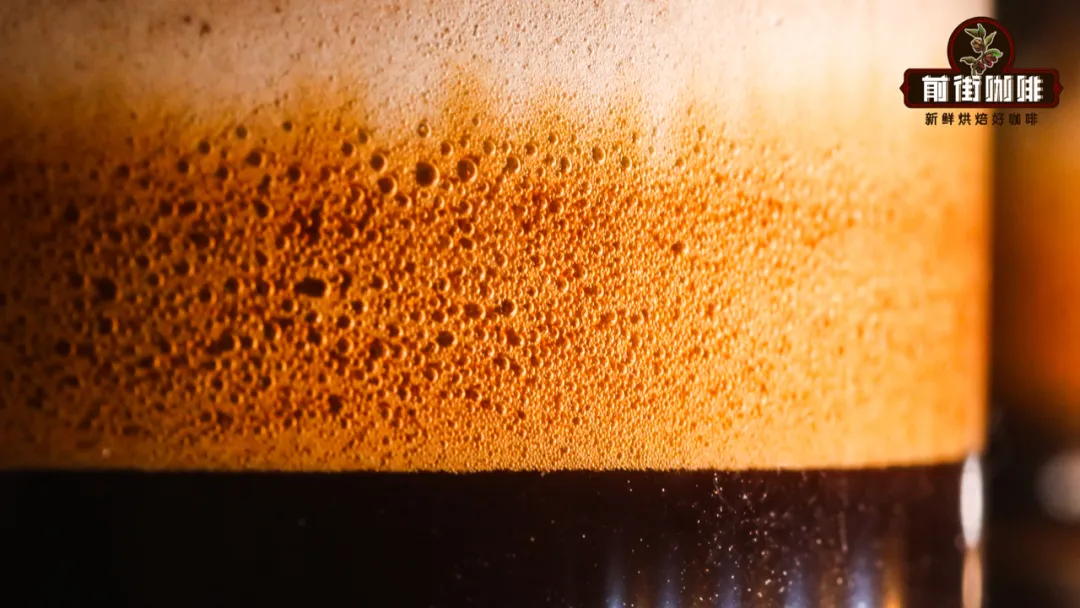
As the extracted coffee flows out of the machine, the surrounding air pressure quickly returns to normal. The carbon dioxide that was previously dissolved in the liquid tries to escape but becomes trapped by the oils also present in the liquid, forming a stable microfoam structure. This is what we see as crema — the captivating layer of oils on the surface of the espresso.
The formation and amount of crema is not accidental but the result of multiple factors working together. First,the freshness of the coffee beansis one of the key elements. Since crema is essentially coffee oils encapsulating carbon dioxide, freshly roasted beans contain a large amount of active carbon dioxide, which can release more bubbles during extraction, thus forming a richer crema. Generally speaking, the denser and longer-lasting the crema, the fresher the beans are.
Secondly,the roast levelalso greatly influences the appearance of the crema. Typically, darker-roasted coffee beans accumulate more carbon dioxide during the roasting process, so they release more bubbles during extraction. In contrast, lighter-roasted beans release less carbon dioxide, resulting in a relatively thinner layer of crema. If you’re aiming for a denser and more velvety crema, medium to dark roasts are recommended.
Furthermore,the degree of extractionis also closely related to the appearance of the crema. Generally, the darker the color of the crema, the more coffee solubles have dissolved into the liquid, which may also be a sign of higher extraction time or pressure. Observing the color and evenness of the crema can help assess whether the extraction is balanced.
In addition,differences in coffee bean varietiesare also a variable that cannot be ignored. Generally speaking, Robusta beans naturally contain more oils than Arabica beans, making it easier to produce rich crema during extraction. However, Robusta usually has a stronger flavor profile, so if you prefer a smoother and more balanced taste, Arabica remains the top choice. Different blend ratios and bean variety combinations can also significantly affect the final texture and appearance of the crema.
In summary, to produce an espresso with rich, beautifully colored, and stable crema either at home or in a café, besides selecting the right beans, it’s essential to master key extraction parameters such as pressure, grind size, water temperature, and extraction time. Understanding these influencing factors allows you to adjust to the most suitable extraction strategy for different beans, achieving the ideal crema performance.
The above content is compiled by CoffeeHunters, a coffee news website.


