







Category: Coffee Knowledge
Analysis of Arabica Coffee Varieties: Bourbon vs. Typica - Flavor, Cultivation, and Planting Differences
Dive deep into the historical origins, bean shape characteristics, cultivation conditions, and flavor profiles of two classic Arabica varieties—Bourbon and Typica. From their origin in Ethiopia to their evolution across Central and South America and around the world, we explore the challenges in planting each, their shading requirements, and why not all Bourbon varieties actually come from Bourbon Island. This article equips you with essential knowledge for choosing bean varieties when brewing pour over or other methods. [more…]
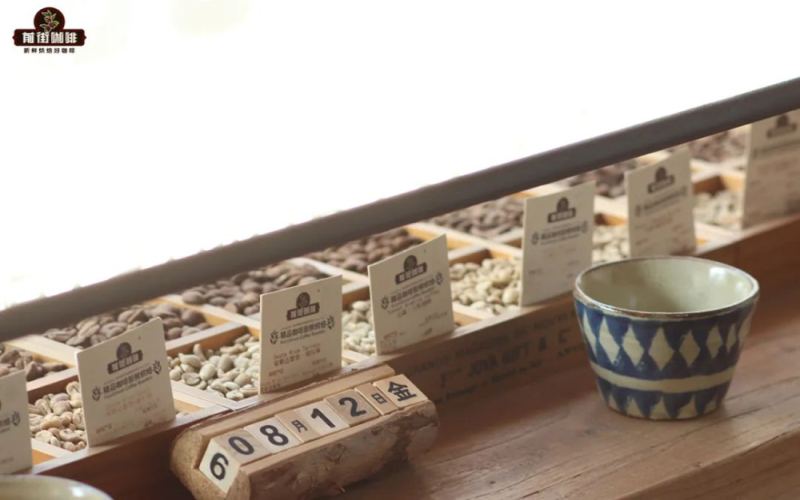
Identifying Arabica Varieties by Bean Appearance: Analyzing the Physical Traits of Typica, Bourbon, and Geisha
Specialty coffee enthusiasts often wonder how to distinguish varieties by the appearance of coffee beans. The Arabica species encompasses a wide range of varieties with distinct morphologies, such as Typica, Bourbon, and Geisha, each with unique characteristics in bean shape, size, and tip details. This article will guide you from the basics, helping you identify common Arabica varieties through bean observation, and includes practical tips to enhance your identification skills. [more…]

A Complete Guide to Typica Coffee Varieties: Aroma and Pour Over Recommendations for Yunnan Natural 2013
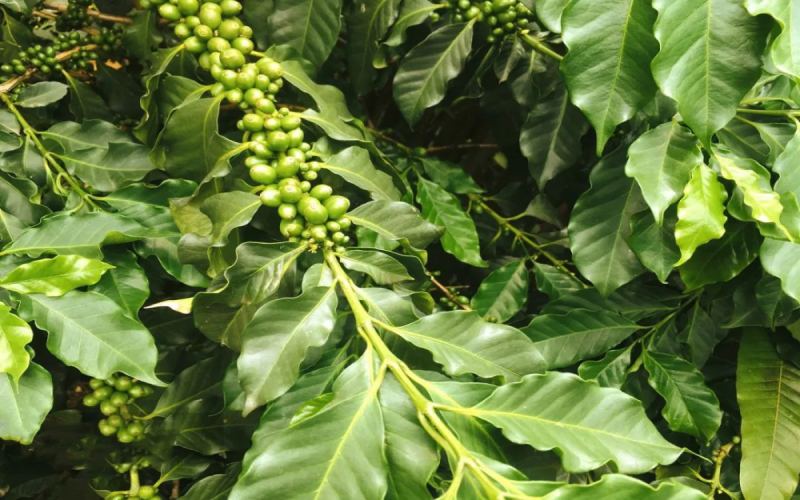
Typica is one of the oldest varieties of Arabica coffee, boasting a unique genetic background and elegant flavor profile, yet it is known for its high cultivation difficulty and relatively low yield. This article delves into the plant characteristics and historical significance of Typica, with a focus on the "2013" Natural Typica from Lincang, Yunnan. From its seven-year maturation process to roasting and pour over parameters, we’ll guide you through the aroma profile, flavor layers, and brewing tips of this classic bean. [more…]
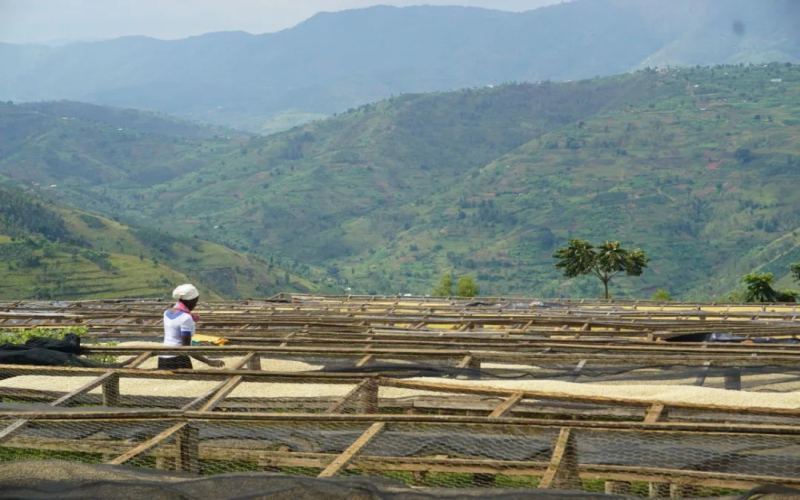
Ethiopian Heirloom Varietals & the Yirgacheffe Region: Variety Origins, Washed Processing, and Brewing Parameter Guide
An in-depth exploration of Heirloom varietal coffee from Ethiopia’s Yirgacheffe region, covering its varietal origins, terroir characteristics, and the citrus and floral flavor transformation brought by the introduction of washed processing techniques in 1972. The article also offers practical brewing advice for everyday washed Yirgacheffe beans, including V60 filter use, water temperature, brew ratio, and pulse pouring techniques — making it a useful reference for both beginners and advanced coffee enthusiasts. [more…]
A Complete Guide to Yunnan Small-Bean Coffee Varieties: Typica vs Catimor, Processing Methods & Flavor Differences
Which variety dominates Yunnan small-bean coffee? What are the historical origins and characteristic differences between Typica and Catimor? This article delves into the evolution of Yunnan’s coffee varieties—from the Typica introduced by French missionaries in the early days, to the later introduction of Catimor driven by disease resistance and yield demands. It explores the performance of different varieties in terms of disease resistance, yield, altitude adaptability, and cupping flavor. It also details the impact of washed and natural processing methods on flavor, and provides practical pour over parameters to help you gain a more comprehensive understanding. [more…]

Evolution of Yunnan Small Coffee Varieties: A Comparative Analysis of Catimor and Typica Flavor Profiles
Yunnan coffee is transitioning from bulk commercial production to specialty-grade focus, yet many remain unfamiliar with the varieties grown locally. This article delves into the historical roots of Yunnan’s small coffee beans, provides a detailed breakdown of the characteristics and differences between the dominant Catimor and Typica varieties, analyzes the reasons behind their market share, and shares the hands-on cultivation experience of one brand with Typica, along with the story behind the creation of a particular series of sundried beans. Practical brewing parameters and flavor notes are also included to help you gain a more comprehensive understanding of the potential of this emerging origin. [more…]
How to choose between Typica and Bourbon coffee beans? A comprehensive guide to flavor differences and cultivation backgrounds
Among Arabica coffee beans, Typica and Bourbon are the two most classic varieties, each representing distinct flavor profiles and historical origins. Understanding their beginnings, evolution, and characteristics can help coffee enthusiasts make more suitable choices when selecting single-origin beans or pour over beans, while also gaining a deeper insight into the reasons behind the flavors of different regions. [more…]
Comparison of Yunnan Small-Bean Coffee Varieties: Typica and Catimor Pour Over Parameters and Flavor Analysis
Want to understand the true potential of Yunnan small-bean coffee? This article provides an in-depth comparison between Yunnan’s mainstream variety, Catimor, and the traditional Typica, covering differences in yield, growing conditions, and flavor profiles under washed and natural processing methods. It also offers professional-grade Kono dripper pour over parameters and step extraction techniques to help you more accurately appreciate the authentic characteristics of Yunnan coffee. [more…]

A Complete Guide to Steaming Milk for Latte & Cappuccino | Mastering the Golden Balance of Temperature & Texture
Have you ever wondered why some lattes taste naturally sweet even without added sugar? It’s closely tied to the chemical changes in milk when heated and the texture of the steamed milk. This article dives deep into the science of milk steaming, explores how different milk textures affect coffee flavor, and offers practical steam wand techniques and temperature control tips to help you craft a cup with both velvety smoothness and rich depth. [more…]
How to Steam Milk for Latte? The Coffee Science of Temperature Control and Sweetness Enhancement
Even without added sugar, a hot latte can deliver a natural sweetness, and this is thanks to the secrets behind milk heating and frothing techniques. This article delves into the breakdown of lactose, protein denaturation, and steam texturing methods, helping you understand how milk transforms in flavor from room temperature to steamed, while exploring the optimal heating range and the angle for operating the steam wand. Whether you’re at home or in a café, it will help you consistently produce a rich and smooth latte. [more…]
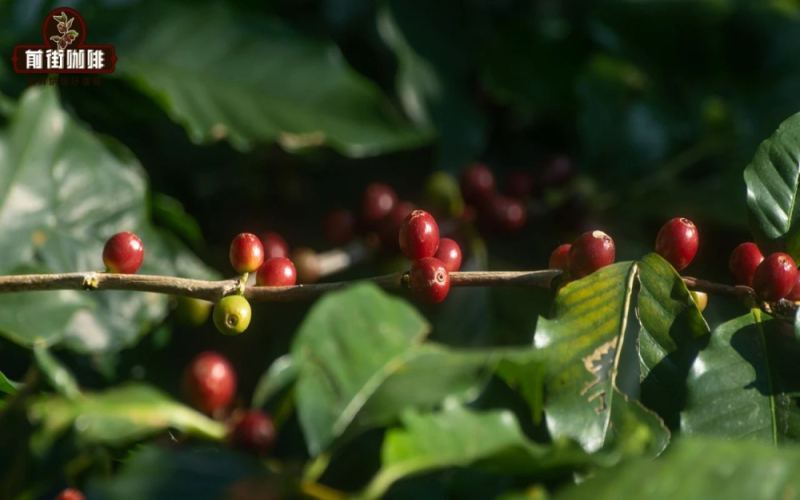
A Complete Guide to the Yunnan Typica Coffee Variety | Pour Over Extraction Parameters and Flavor Profile
Typica is one of the oldest coffee varieties in the world, renowned for its delicate and elegant flavor profile. However, due to its low disease resistance and yield, it has gradually been replaced by other varieties. This article delves into the cultivation history of Typica in Yunnan, compares it with Bourbon, and shares the planting records of a certain coffee brand in the Lincang region—including the natural sun-drying process and pour over brewing recommendations—to help readers fully understand the characteristics and brewing essentials of this classic coffee bean. [more…]
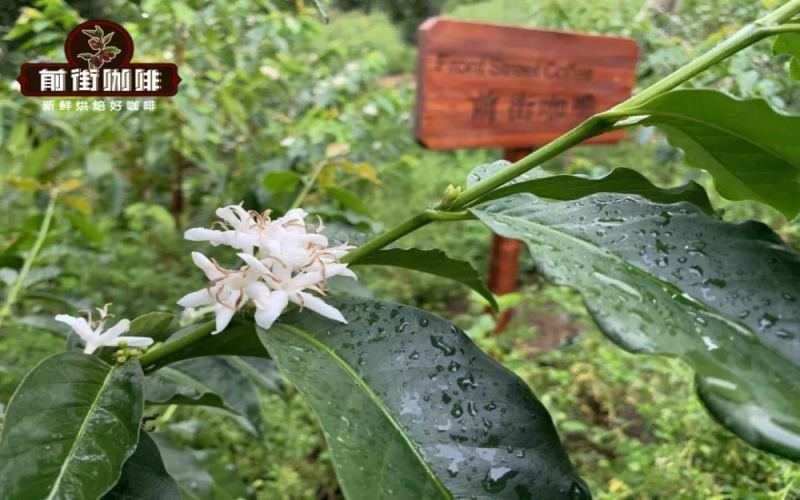
Yunnan Typica vs Catimor Coffee Beans: Differences, Flavor Analysis, and Pour Over Parameters – A Complete Guide
Explore the differences between Yunnan’s two mainstream coffee varieties—Typica and Catimor—from their historical backgrounds, varietal characteristics, regional distribution, to how washed and natural processing methods influence flavor. Gain an in-depth understanding of the unique traits of these two coffee beans. This article also provides detailed pour over recommendations and tasting notes for a certain brand’s 2013 natural Typica, helping you find your ideal Yunnan coffee experience. [more…]
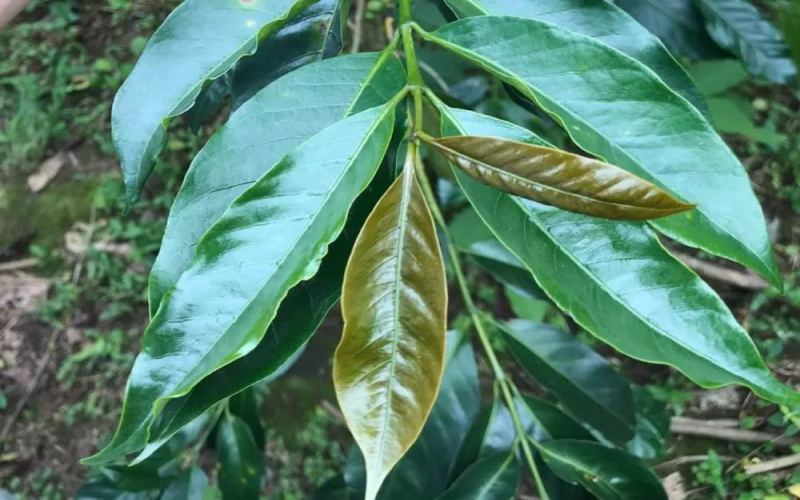
A Complete Guide to Typica Coffee Beans: Flavor Characteristics, Variety Identification, and Three Classic Representatives
Typica is a foundational variety in the world of coffee, with many iconic beans from renowned regions—such as Jamaican Blue Mountain and Hawaiian Kona—tracing their lineage back to this genetic line. This article delves into Typica’s plant characteristics, bean appearance identification, cupping flavors, and also examines its challenges such as low disease resistance and scarce yield. Additionally, it spotlights three representative Typica coffees: Jamaican Blue Mountain No. 1, a certain brand’s 2013 natural-processed Typica, and Papua New Guinea Bird of Paradise, taking you through their origins, [more…]

American Coffee Bean Buying Guide | Differences Between Pour Over and Hot/Cold Brew, and Tips for Non-Acidic Extraction
Choosing the right American coffee beans is key to avoiding unpleasantly sour or overly bitter tastes. This article starts by exploring the flavor differences between hot and iced Americanos, analyzes how brewing parameters affect taste, and provides a hands-on comparison of Costa Rica Mozart beans using both pour over and SOE Americano methods to help you master bean selection and brewing techniques. We also recommend several practical espresso blends suitable for readers who want to recreate café-style flavors at home. [more…]

Beginner's Guide to Latte Art in Espresso: Essential Milk Frothing and Pouring Techniques
Want to pour a beautiful latte at home? This guide starts with the techniques of air intake and milk texturing, then step-by-step explains the principles of milk fusion and pattern creation. It breaks down how to control the pitcher height, rotation speed, and pouring angle, helping you master basic patterns like hearts and tulips. It also provides an efficient practice method from water to milk, assisting you in quickly building stable hand control and reducing the learning curve. [more…]

A Comprehensive Guide to Costa Rica’s Eight Major Coffee Regions: Varieties, Flavors, and Processing Methods
Costa Rican coffee is renowned worldwide for its bright acidity and rich body, making it a top choice for many pour over enthusiasts. This article will take an in-depth look at the country’s eight main coffee regions—including Tarrazú, Monteverde, and Heredia—exploring the characteristics of locally grown varieties such as Typica, Caturra, Catuai, and Geisha, as well as the impact of processing methods like washed and drum drying. Whether you’re just getting started or looking for bean-buying advice, this guide is for you. [more…]
An Introduction to Costa Rican Coffee Regions: The Characteristics of Honey Processing and Flavor Profiles of Eight Major Regions
As a representative of high-quality coffee in Central America, Costa Rica is renowned for its honey processing method. Its yellow honey, red honey, and black honey techniques impart unique sweetness and layered fruity notes to the coffee. This article delves into the country’s eight major coffee regions, focusing on the two star regions—Tarrazú and Central Valley—and explores multiple classic coffee beans through their processing methods, altitude, variety, and flavor characteristics. This will help you choose the most suitable premium Costa Rican coffee based on your taste preferences. [more…]

Costa Rica Tarrazú Mozart Coffee: How Does Anaerobic Honey Processing Enhance Pour Over Flavor?
The Mozart coffee beans from Costa Rica’s Tarrazú region, processed using anaerobic honey method, deliver intense dried fruit and raisin-like sweetness — making them a classic choice for pour over enthusiasts exploring fermented flavors. This article dives deep into the grading principles of honey processing, the advantages of high-altitude cultivation in Tarrazú, and provides tested V60 pour over parameters to help you fully unlock the layered complexity and sweetness of this bean. [more…]
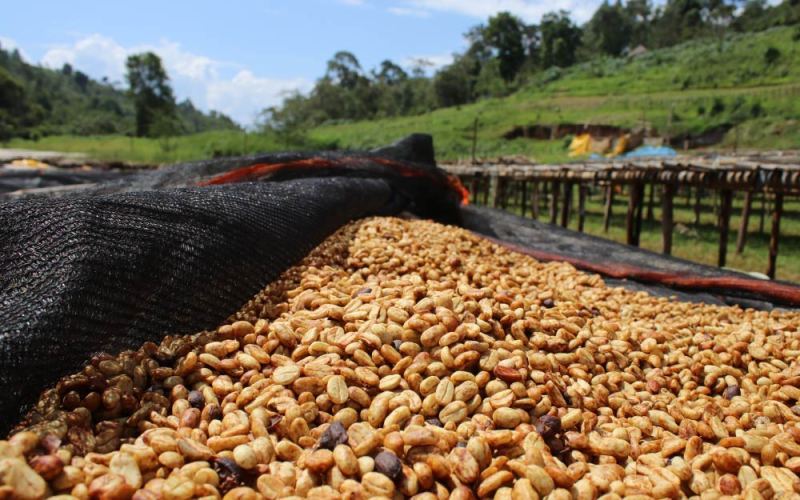
A Complete Guide to Washed Coffee Beans from Costa Rica’s Tarrazú Region: Flavor, Grading, and Pour Over Parameters
Although Costa Rica is not the world’s largest coffee-producing country, it cultivates high-quality specialty coffee thanks to its refined microclimates and volcanic soils. This article provides an in-depth analysis of the country’s five core regions and three minor regions, with a focus on the washed processing characteristics and flavor profiles of the high-altitude Tarrazú region. It also explores the differences among mainstream varieties such as Bourbon and Caturra, as well as the SHB (Strictly Hard Bean) grading system based on altitude. Additionally, practical pour over recommendations for washed Tarrazú beans are provided to help you master this renowned Central American origin. [more…]
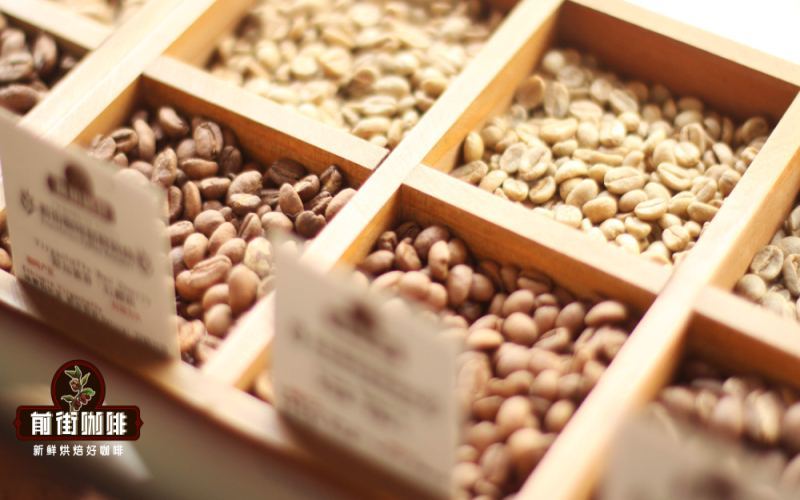
Latin America Coffee Growing Regions Guide: A Comprehensive Analysis of Flavors, Processing Methods, and Brewing Parameters Across 8 Countries
As one of the world’s premier coffee-growing regions, Latin America is renowned for its diverse geography and refined processing techniques. From the classic Arabica with notes reminiscent of Brazilian nuts to the fruit-forward beans cultivated in Guatemala’s volcanic soils, each region boasts a unique flavor profile. This guide delves into the variety selection, processing methods, regional distribution, and grading systems of eight major coffee-producing countries in Latin America, accompanied by practical brewing recommendations and flavor descriptions to help you master bean selection and extraction techniques. [more…]