








Introduction:Kenyan coffee is renowned for its bright acidity and rich fruitiness, making it a favorite among many specialty coffee enthusiasts. This article delves into the growing environment of Kenyan coffee, the characteristics of its main varieties SL28 and SL34, and how the unique K72 washed processing method contributes to its captivating acidity. It also provides practical roasting and pour over parameters to help you better understand and appreciate this uniquely flavored coffee.
Kenyan coffee holds a distinctive place in the global specialty coffee market with its pronounced acidity, fruity aromas reminiscent of black plums and cherry tomatoes, and clear layered profile. These coffees often exhibit bright acidity and a juicy body, with berry notes and subtle caramel sweetness lingering in the aftertaste, making them a classic choice among many pour over lovers.
Although Kenya’s coffee industry started relatively late, it has quickly risen to the top tier of specialty coffee. Coffee commercial cultivation in Kenya only began in the early 20th century, but thanks to its exceptional geographical conditions and continuously refined planting and processing techniques, it has now become one of Africa’s most important producers of specialty coffee.

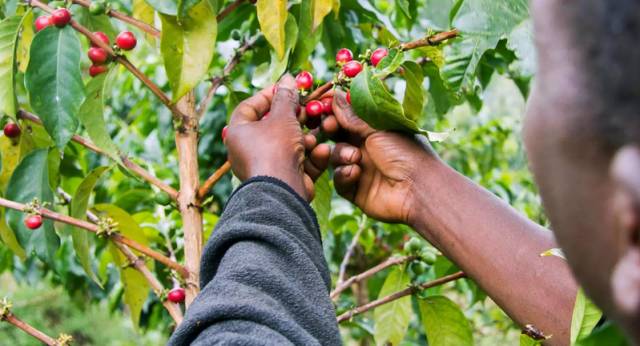
Located in East Africa with the equator running through it, Kenya is mostly characterized by highland terrain, with an average altitude of about 1,500 meters. The cool and stable climate, along with two rainy seasons per year, creates an ideal environment for coffee growth. The main coffee-growing regions are situated in volcanic soil areas at elevations of 1,600 to 2,100 meters. This altitude not only slows down the growth of coffee trees, aiding in the accumulation of flavor compounds, but also contributes to the distinctive firm acidity and intense fruitiness of Kenyan coffee.
The history of coffee cultivation in Kenya dates back to the late 19th century, when coffee seeds were first introduced by French missionaries from Bourbon Island (now Réunion). Later, in 1893, they were formally brought to Kenya by John Patterson, a representative of the Scottish Mission. Early plantings were concentrated in the Kiambu-Kikuyu area and gradually expanded nationwide. Currently, more than half of the coffee is produced by smallholder farmers, who have maintained the high quality of Kenyan coffee through years of accumulated experience.
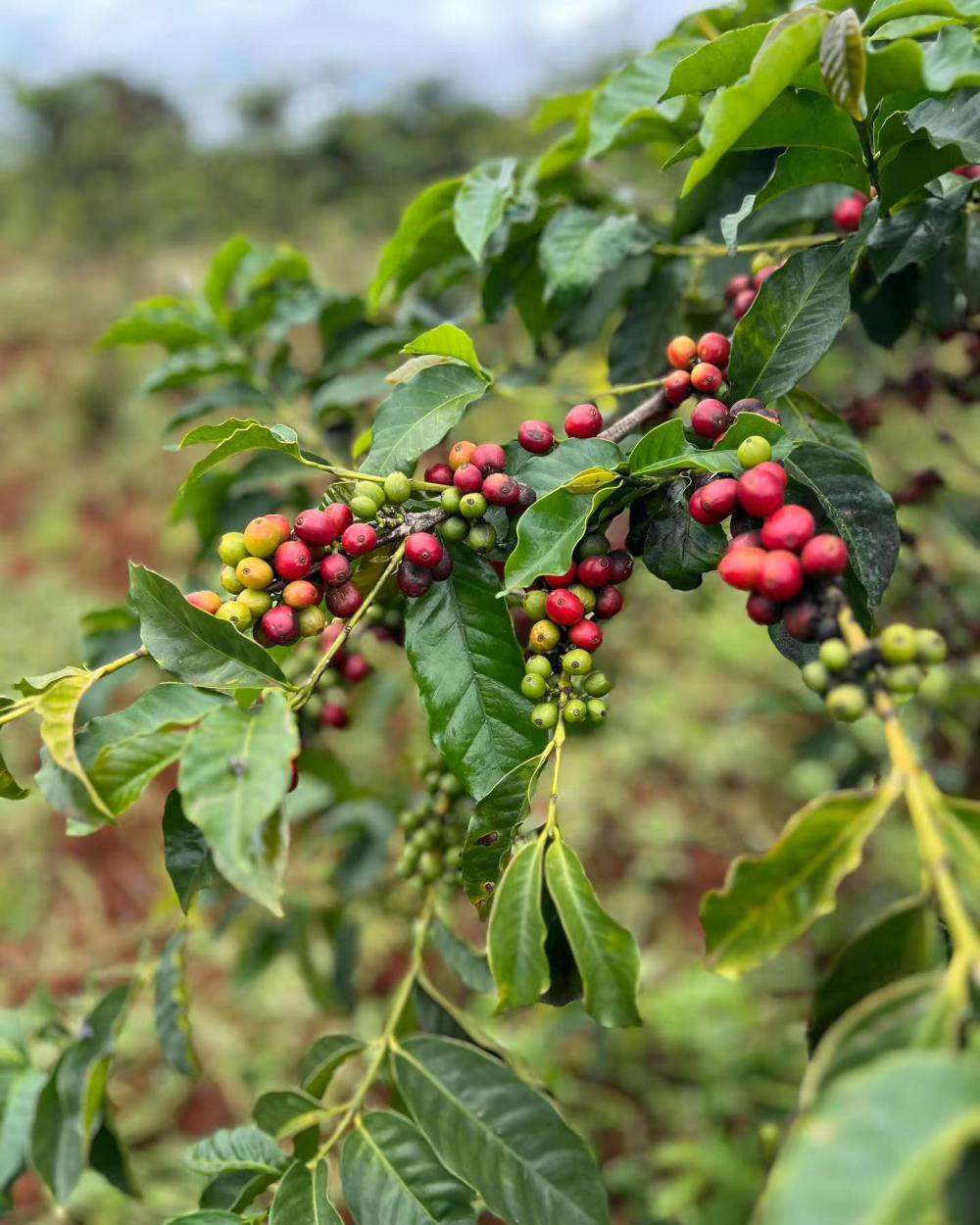
Among the many coffee varieties, SL28 and SL34 are considered the soul of Kenyan coffee. Both varieties were developed by the local Scott Laboratories in the 1930s. At that time, to combat coffee berry disease, experts developed several new disease-resistant and high-flavor varieties, among which No. 28 and No. 34 performed the best, hence the names SL28 and SL34.
SL28 is known for its outstanding drought resistance and intense fruit acidity, often featuring deep fruit aromas and a high viscosity mouthfeel, with bright and layered acidity. SL34, on the other hand, offers a richer sweetness and citrusy profile, with rounder beans and a copperish leaf color. Its flavor profile is both balanced and complex, making it a dream variety for many baristas. Both beans are usually classified as AA grade, the highest quality tier in Kenyan coffee.
Kenya’s coffee-growing regions are mainly concentrated in six areas: Thika, Kirinyaga, Mt. Kenya West, Nyeri, Kiambu, and Muranga. Among these, central regions such as Thika, Nyeri, Kirinyaga, Muranga, and Kiambu account for over 60% of the national production. These areas feature fertile volcanic soils, ample sunlight, and moderate rainfall, providing optimal growing conditions for coffee.
One of the most talked-about aspects of Kenyan coffee is its unique K72 washed processing method. Compared to conventional washed processing, which typically involves 24 to 36 hours of fermentation, Kenya employs a three-stage fermentation process, each lasting 24 hours, totaling 72 hours—hence the name K72. This semi-aerobic fermentation process encourages the release of more organic acids from the coffee beans, resulting in brighter and more complex acidity.
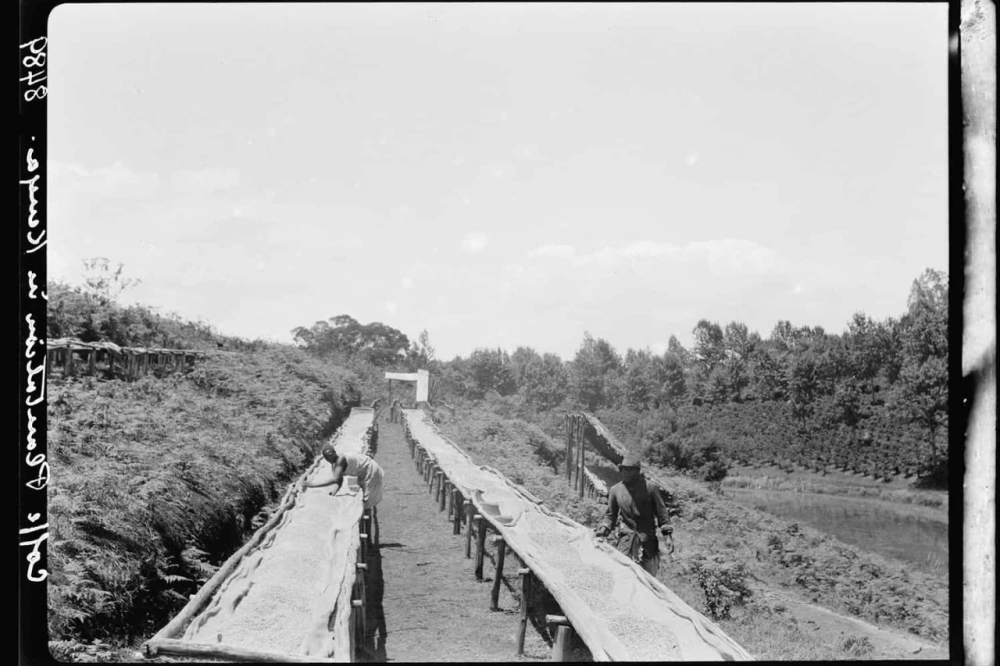
It’s worth noting that after fermentation, the coffee beans are not dried immediately but are first rinsed multiple times with clean water to ensure the purity of the fermentation environment. Additionally, Kenyan farmers are extremely meticulous during the drying stage. They use a specially designed elevated steel tray, commonly known as the “Kenya steel bed,” for drying. This elevated design prevents the beans from touching the ground dust, while its evenly distributed holes facilitate ventilation and heat circulation, ensuring even drying and ultimately delivering clean and bright flavor characteristics.
To experience the charm of Kenyan coffee at home, it is recommended to choose medium-light roasted beans processed with the K72 method and made from the SL28 and SL34 varieties. These coffees are well-suited for pour over brewing, which can fully highlight their floral-fruity notes and balanced acidity-sweetness. Below are some practical pour over parameters for reference:
Coffee to water ratio:1:15
Amount of coffee grounds:15 grams
Total water volume:225 milliliters
Water temperature:90°C~91°C
Grind size:Fine sugar granularity (approximately EK43s scale 10, 80% passing rate through a #20 sieve)
It is recommended to use a three-stage extraction method: First, place the ground coffee into the filter and pour 30 grams of water for a 30-second bloom, allowing the water to flow smoothly in a circular motion from the inside out. Then pour 95 grams of water, and once the water level drops, pour the final 100 grams. The total extraction time should be around 2 minutes, allowing for about 10 seconds of variation. This method effectively brings out the layered profile and bright fruit acidity of Kenyan coffee.
In summary, the reason Kenyan coffee boasts such unique fruit acidity and fruit flavors lies not only in its exceptional geographical and climatic conditions, but also in its carefully selected varieties, rigorous K72 washed processing, and delicate roasting and brewing strategies. Whether you’re a coffee novice or a seasoned enthusiast, Kenyan coffee is definitely worth trying, offering you an ultimate experience of perfectly balanced acidity and fruitiness.
The above content is compiled by CoffeeHunters, a coffee news website.


