







Introduction:Kenyan coffee is renowned for its intense fruity acidity and full-bodied flavor, with grades such as AA and AA TOP being particularly sought after by coffee enthusiasts. But do you know the difference between AA and AA TOP? Beyond bean size, does the grading system also take cupping flavor into account? This article delves into the grading logic, regional characteristics, and auction mechanisms of Kenyan coffee, and guides you through practical tastings to discern the true performance of different grades.
Kenyan coffee has long earned a reputation for its bright acidity and rich body, with AA and AA TOP grades often regarded as the pinnacle of specialty coffee. However, many consumers wonder: what exactly sets AA and AA TOP apart? Is grading based solely on bean size, or does it also consider cupping flavor? This article will analyze the history, regional conditions, variety traits, grading, and auction systems of Kenyan coffee one by one, supplemented with actual tasting observations, to help you uncover the truths behind these grades.
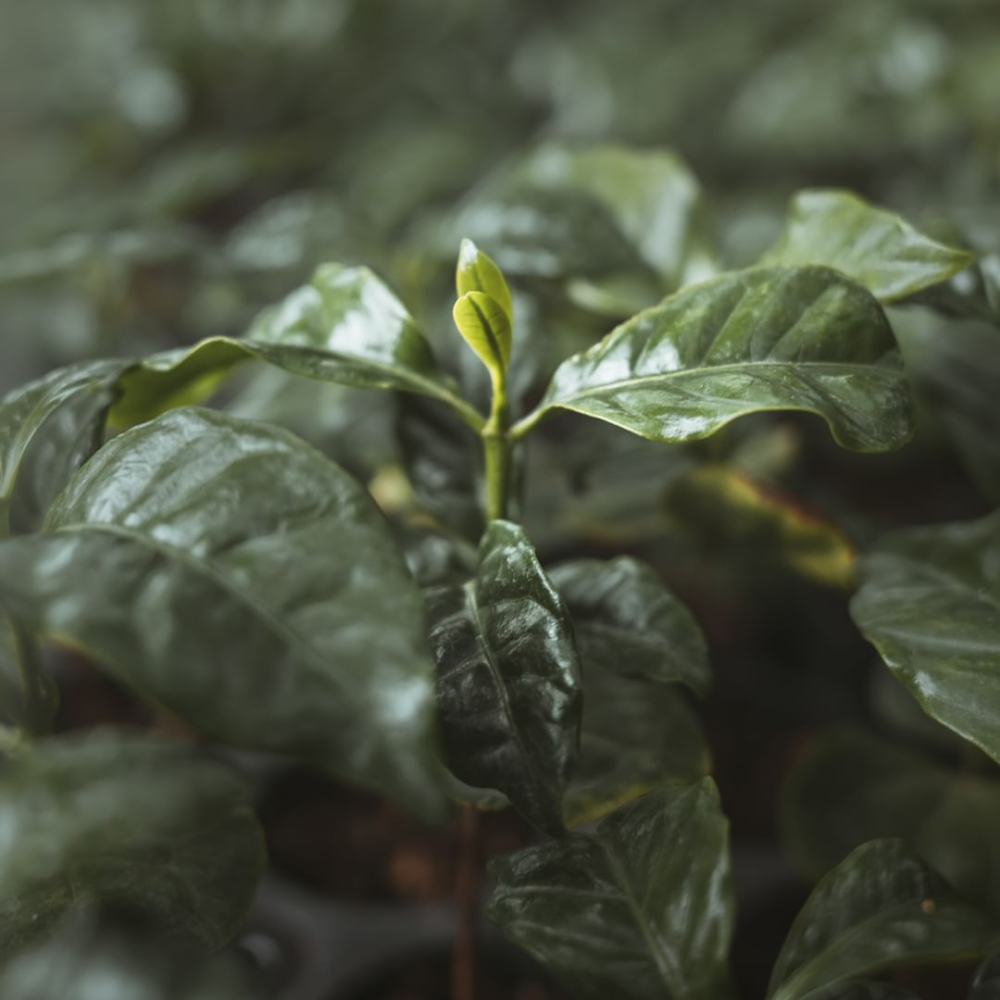
Located on the East African plateau, Kenya—though neighboring Ethiopia, the birthplace of coffee—developed its coffee industry relatively late, with planting beginning only in the early 20th century. At that time, during British colonial rule, coffee was primarily grown as a foreign exchange crop, controlled and exported to London by the colonial government. The Scott Agricultural Laboratories, established in 1922, successfully developed the SL28 and SL34 varieties, which remain the mainstays of Kenyan coffee to this day, accounting for about 90% of the country’s total cultivation area.
Kenyan coffee is mainly grown in highland regions at elevations of 1400 to 2000 meters, with volcanic red soil that offers excellent drainage and is rich in nutrients. The high-altitude environment creates large diurnal temperature variations, slowing the ripening of coffee cherries and aiding in the accumulation of flavor compounds. The beans are denser, resulting in a more intense flavor profile. Generally speaking, coffee grown at higher altitudes tends to have brighter acidity and richer sweetness—a hallmark of Kenyan coffee.
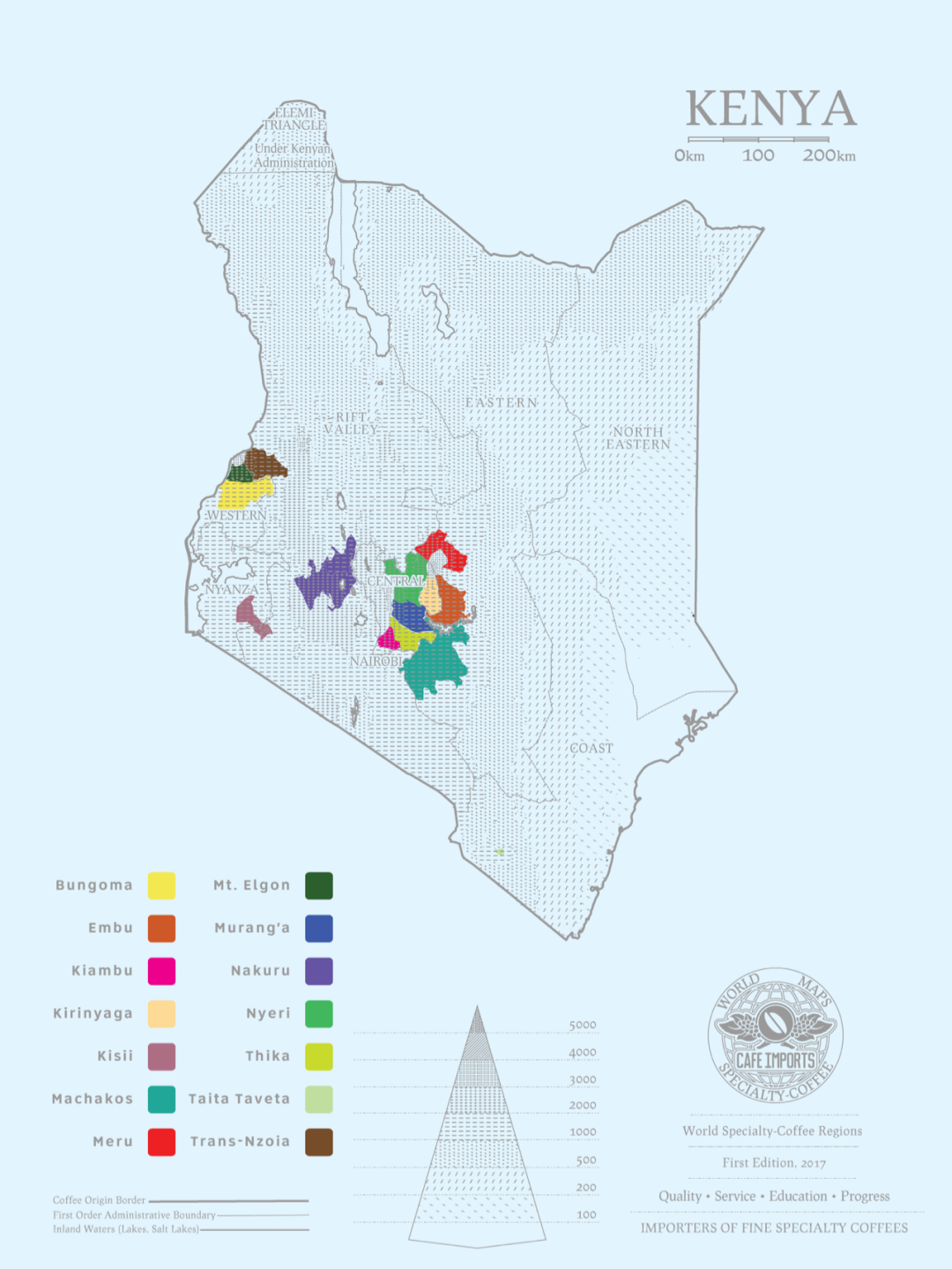
Kenya’s coffee-growing regions are concentrated in the central and western parts of the country, including Kiambu, Nyeri, Kirinyaga, and Muranga. Each region, due to its unique microclimate and soil differences, exhibits distinct flavor profiles. For example, Nyeri often features pronounced citrus and floral notes, Kirinyaga is known for its delicate sweetness and bright acidity, while Muranga tends to have a bolder and more robust acidity.
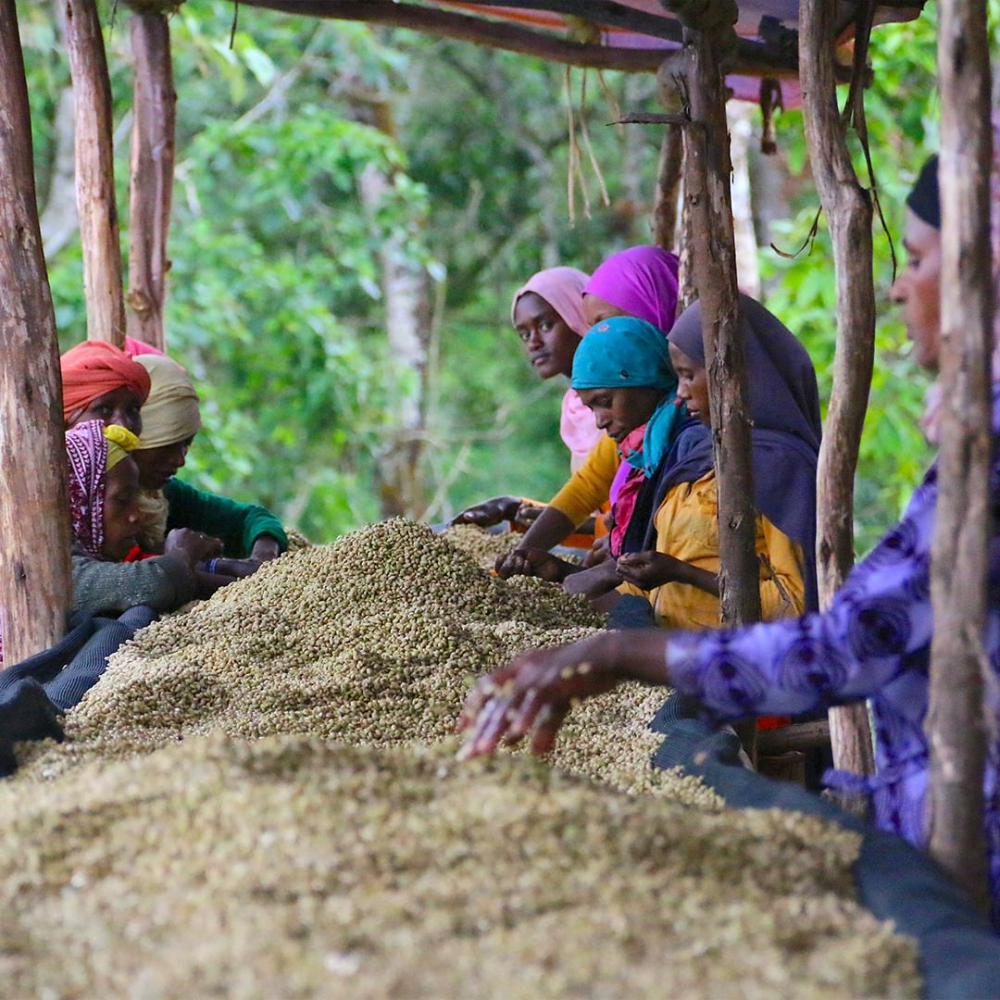
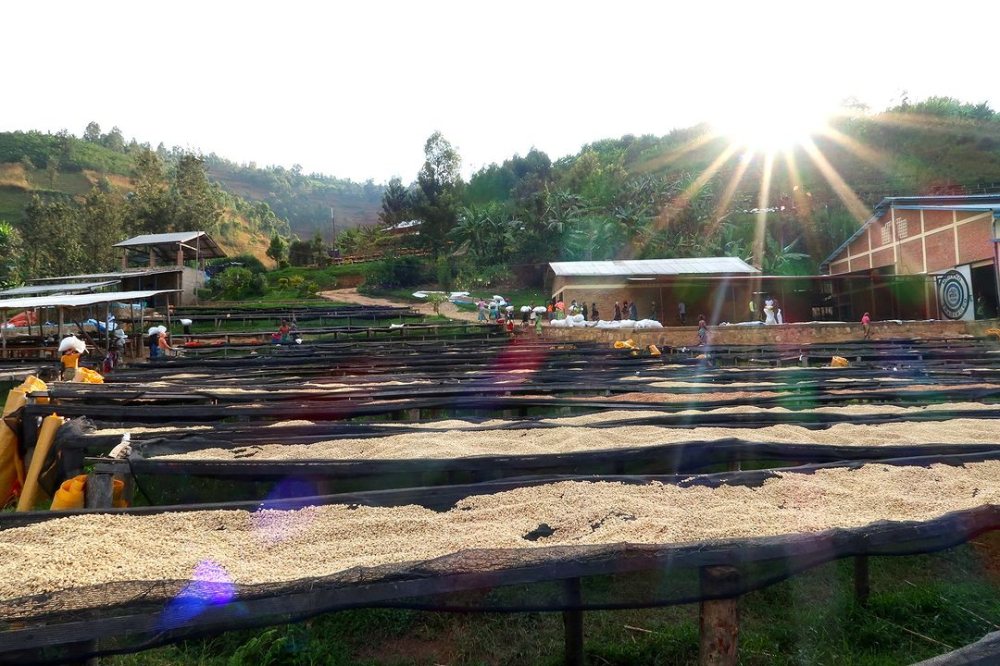
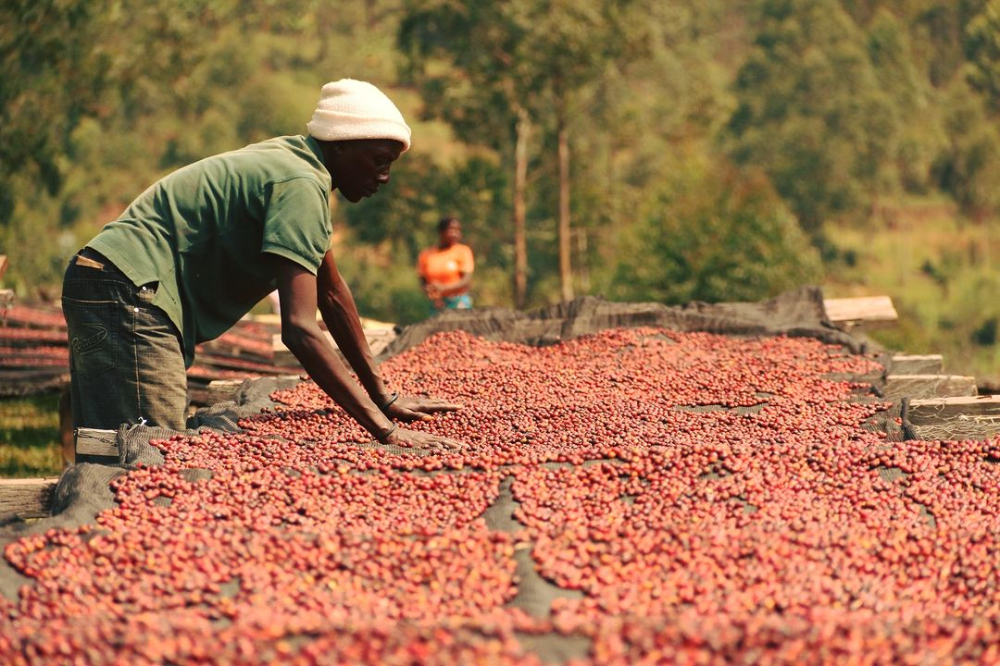
In terms of cultivation, Kenyan coffee is produced mainly through two systems: around 25% comes from large farms, while the remaining 75% is managed collectively by over 700,000 smallholder farmers through 270 cooperatives. This cooperative model allows smallholders to share processing facilities, effectively enhancing coffee quality and market competitiveness. Especially since the 1960s, many cooperatives have independently built processing mills, enabling even small-scale production to meet specialty-grade standards.
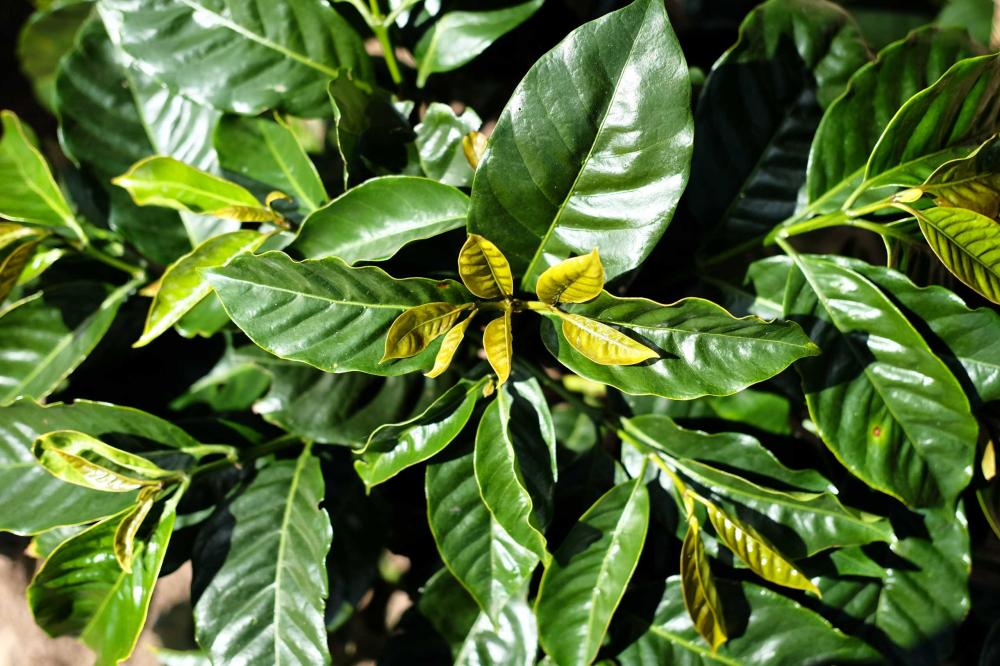
Common coffee varieties in Kenya include SL28, SL34, and Ruiru11. SL28 and SL34 are cultivars developed by the Scott Laboratories in the years following 1922; the former boasts intense fruit acidity and complex layers, while the latter has a milder acidity. Together, they make up about 90% of Kenya’s coffee output. Ruiru11 is a hybrid developed to resist coffee leaf rust. Though disease-resistant, it generally does not match the traditional varieties in flavor performance.
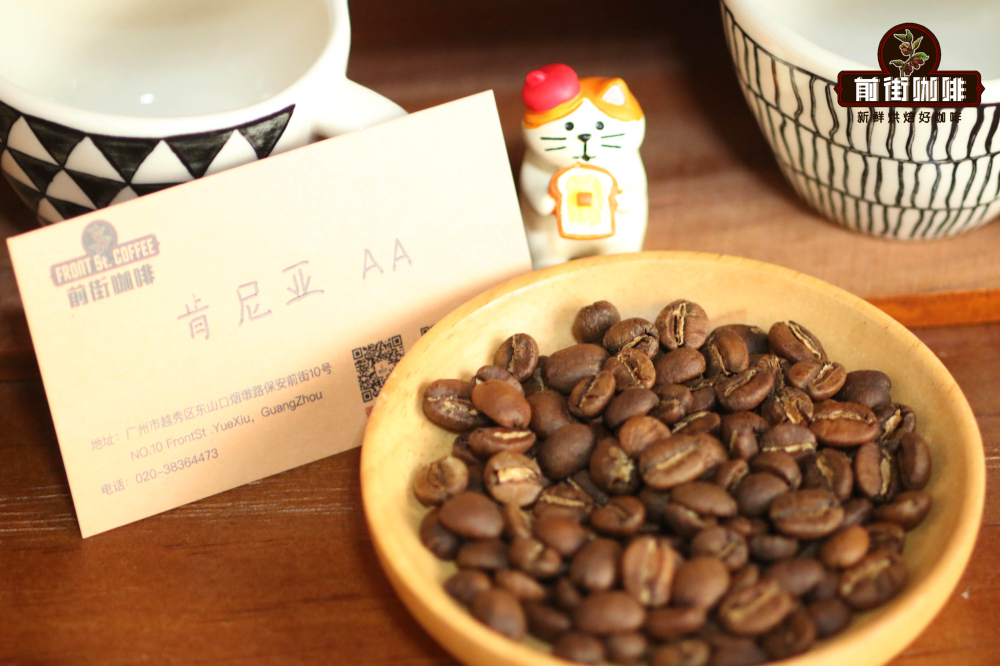
Kenya’s coffee grading system is primarily based on bean size and cupping results, ranging from highest to lowest as E, AA or AA+, AB, C, PB, TT, and T. Among these, AA-grade beans are about 17 to 18 mesh (approximately 6.7 to 7.1 mm), making them the most common high-end grade in the market, also often referred to as AA TOP. However, it's important to note that bean size does not equate to flavor performance. The E grade refers to a special type of double beans (peaberries stuck together), which are unusually large but result from abnormal development and are extremely rare.
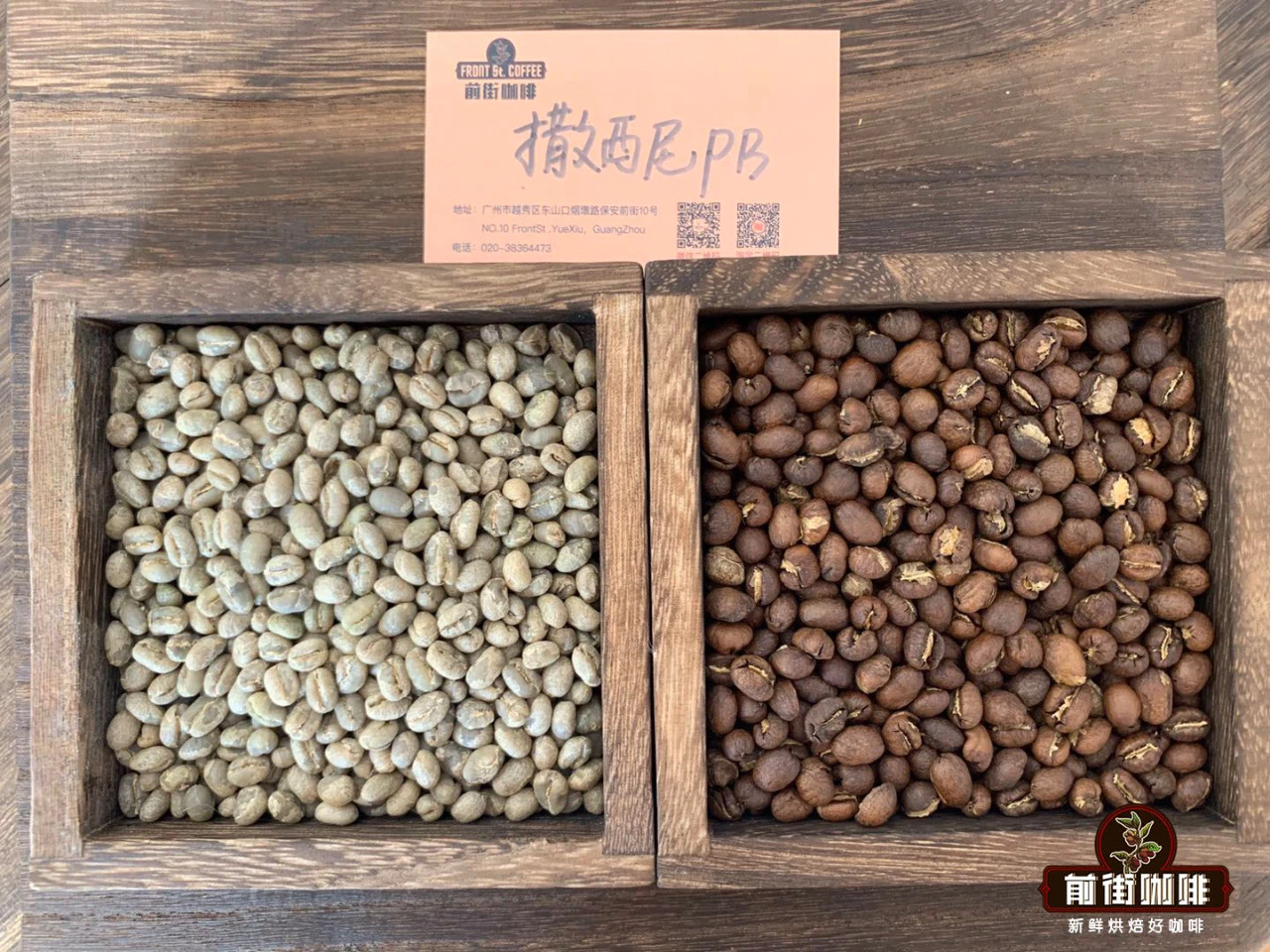
PB (Peaberry) refers to the small round beans that occur when only one seed develops inside a coffee cherry, making up about 10% of all beans. These round and petite beans are often sorted and sold separately, with some consumers believing they offer a more concentrated flavor. The AB grade consists of a mix of smaller A and B beans, sized approximately 15 to 16 mesh (about 6.0 to 6.4 mm), and is one of the mainstream grades in the market.
In addition to size-based grading, exporters may also use unofficial yet widely referenced flavor grades for AA and AB grades, including TOP, PLUS (+), and FAQ. These additional designations help buyers further assess flavor potential, though they are not part of the official classification system. Therefore, when purchasing, consumers should base their decisions on the AA or AB grade first, then consider actual cupping results.
Coffee trade in Kenya mainly occurs through two channels: the public auction system at the Nairobi Coffee Exchange, accounting for about 85% of total trade; and the direct trade model (also known as the “second window”), introduced in 2006 and making up roughly 15%. The auction system began in the 1930s, with officially certified agents responsible for sample submission and bidding. In recent years, it has gradually allowed more independent sales agents to directly engage with international buyers, improving flexibility and transparency in trading.
The auction system conducts centralized trading every Tuesday. While it used to be open outcry, it has now transitioned to electronic bidding. Higher-quality coffee with superior cupping scores often fetches better prices at auction, encouraging producers to improve processing techniques and quality management. Direct trade enables farmers or cooperatives to negotiate prices directly with international buyers, often allowing pre-harvest price agreements that help stabilize income and production planning.
In summary, Kenyan coffee grading reflects not just differences in size, but also regional characteristics, variety performance, and cupping flavor. Though AA and AA TOP are often used interchangeably, “AA TOP” is more of a market or exporter-added flavor annotation for high-quality AA beans, rather than an official grade. When purchasing, consumers can gain a deeper understanding of the beans’ characteristics by considering factors such as origin, processing method, and cupping score—thereby truly appreciating the diverse charm of Kenyan coffee.
The above content is compiled by CoffeeHunters, a coffee news website.


