







Category: Coffee Knowledge
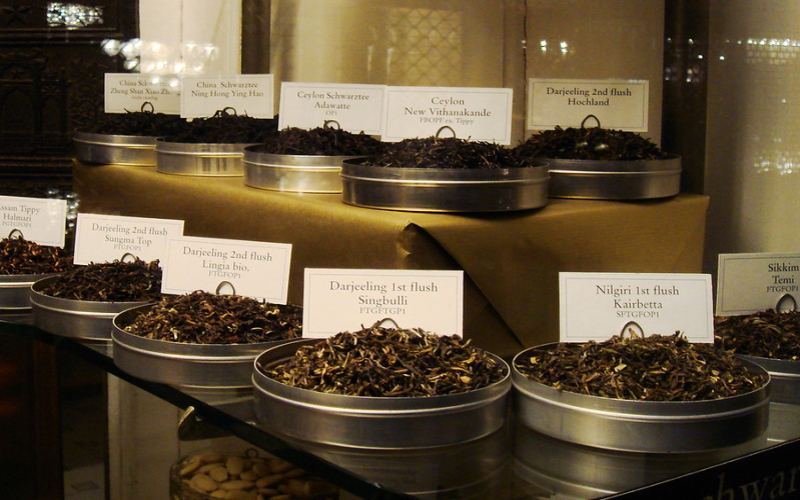
Analysis of Darjeeling’s Four Tea Seasons: Which is the Most Valuable? Spring, Summer, Autumn, or Monsoon? Flavors and Prices at a Glance
Darjeeling tea is categorized into four seasons based on harvest time: spring, summer, monsoon, and autumn. Each season varies significantly in price, flavor, and quality due to differing climate and growing conditions. This article provides a detailed analysis of the characteristics of the four tea seasons — from market pricing and flavor profiles to suitable consumer profiles — to help you choose the most suitable Darjeeling black tea based on your preferences and budget, further enhancing your tea tasting experience. [more…]
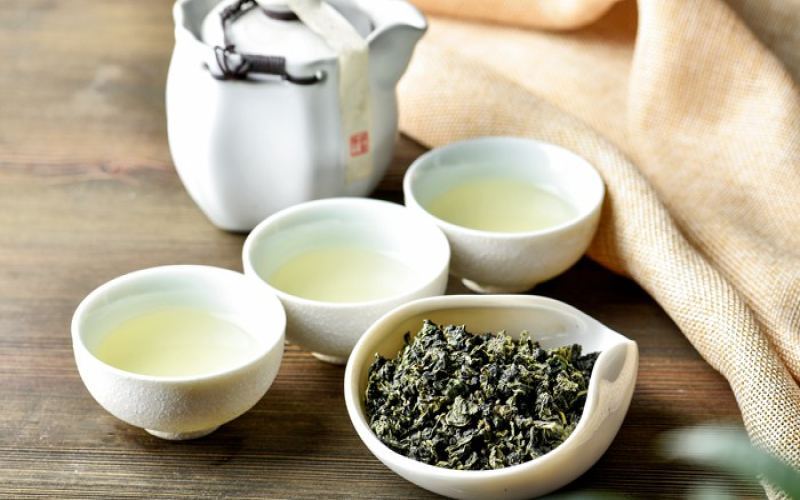
A Complete Guide to Tieguanyin Tea: From Legend to Production Methods and Aroma-Flavor Profiles
As one of the representative tea varieties of Chinese oolong tea, Tieguanyin is renowned for its unique aroma and lingering sweet aftertaste. This article begins with the origin legend of Tieguanyin, delves into an in-depth analysis of its tea plant variety characteristics and traditional production techniques, and compares the flavor differences between the two major regional types—Anxi and Muzha. It also explores how the degree of roasting and the plucking season influence the performance of the tea liquor, helping tea enthusiasts gain a more comprehensive understanding of the essence of this classic oolong tea. [more…]
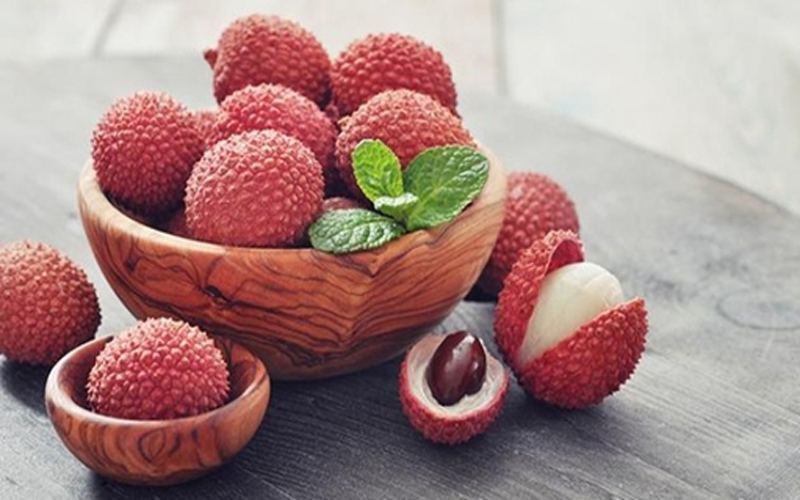
Complete Guide to Making Lychee Black Tea: From Origin Tracing to Home Brewing Techniques
Lychee black tea is renowned for its vibrant fruity aroma and rich tea flavor, with its distinctive taste derived from a rigorous production process and ingredients sourced from specific regions. This article delves into the craftsmanship behind combining lychee and tea leaves, traces the historical roots of Guangxi as the authentic origin, and provides professional-grade brewing parameters and equipment recommendations. Whether served hot or iced, it fully showcases its floral and fruity notes, helping you master the essence of this unique tea beverage. [more…]

How to classify Lychee Black Tea, Earl Grey, and Jasmine Green Tea? Understand flavored tea, blended tea, and floral tea all at once
In tea specialty stores or on supermarket shelves, the wide variety of teas such as Lychee Black Tea, Earl Grey, and Jasmine Green Tea can often be overwhelming. What category do they actually belong to? What are the differences between flavored tea, blended tea, and floral tea? This article delves into the classification logic and production characteristics of these three common types of tea, helping you choose the tea that best suits your drinking needs and preferences more accurately, while also enabling you to understand the ingredients and certification information on the packaging. [more…]
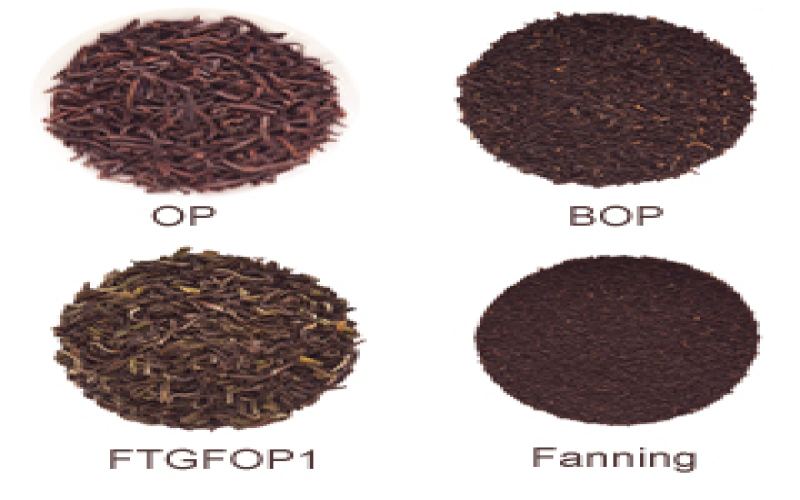
How Are Tea Grades Classified? A Complete Guide to the Flavor Differences Between Loose Leaf Tea and Tea Bag Broken Leaves
Did you know that tea grading isn’t just about appearance—it also significantly affects the flavor of your brew? This article takes an in-depth look at India’s tea grading system, explaining the meaning behind terms like OP and BOP, as well as the differences in craftsmanship and taste between loose leaf tea and tea bag broken leaves. From whole leaves to broken leaves, from traditional processing methods to CTC production, we’ll help you choose the type of tea that best suits your palate. [more…]

Analysis of Black Tea Production Techniques: How Orthodox and CTC Methods Influence Aroma and Flavor
The aroma and taste of black tea largely depend on its production technique. Traditional orthodox and CTC are two mainstream methods — the former emphasizes the integrity of tea leaves, resulting in complex layers of flavor, while the latter prioritizes efficiency and a strong, bold taste, making it ideal for quick brewing. This article provides an in-depth look at the differences between these two techniques, helping you understand how they shape the unique characteristics of black tea, and enabling you to make a smarter choice based on your drinking preferences. [more…]
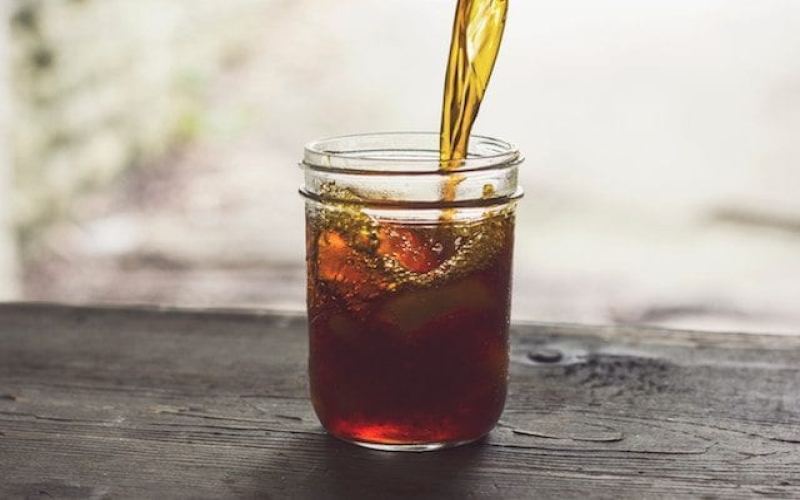
How did iced tea come about? The evolution from the 1904 World's Fair to American sweet tea and DIY tips
Iced tea is one of the most popular cold beverages in the world, especially beloved by Americans, with over 80% of their tea consumption being iced tea each year. But do you know when it was first created? This article takes you on a journey from a stroke of inspiration at the 1904 St. Louis World's Fair, tracing back to the sweet tea culture of the American South in the 19th century, analyzing the evolution of iced tea, and sharing professional-level home-brewing techniques so you can easily brew a cup of exceptionally flavorful iced tea yourself. [more…]
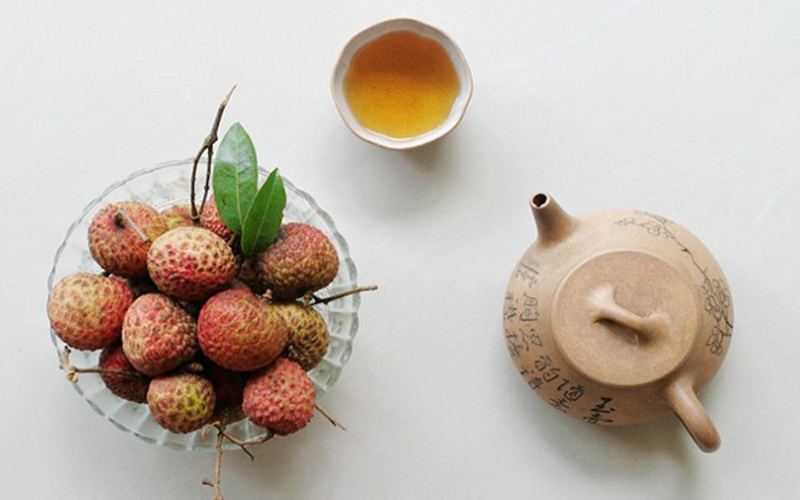
A Complete Guide to Lychee Black Tea: Defining Flavored Tea, Debunking Fragrance Myths, and Mastering the Authentic Brewing Method
Lychee black tea is widely loved for its unique fruity aroma, but many people question whether it qualifies as a flavored tea or contains artificial fragrances. This article delves into this beverage that blends the characteristics of lychee and black tea, analyzing everything from ingredient selection and production techniques to the true sources of its flavor. It addresses common misconceptions and provides professional-grade brewing parameters and techniques to help you master the essence of this distinctive Asian tea drink. [more…]
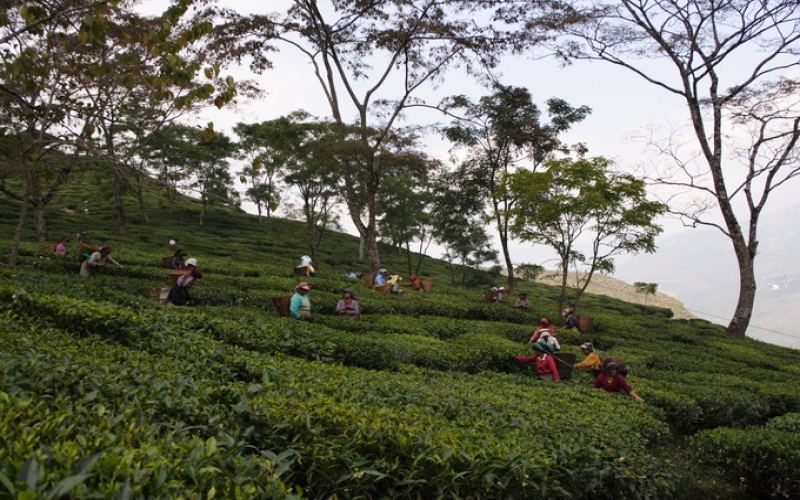
How to Choose Between Darjeeling and Assam Black Teas? Understand the Flavors and Differences of the Four Harvesting Seasons in One Go
Darjeeling and Assam are two of India’s most renowned black tea producing regions. However, due to differences in altitude, climate, and harvesting periods, the black teas produced there vary significantly in aroma, taste, and liquor color. This article provides an in-depth analysis of the unique flavor characteristics of both regions during the spring, summer, monsoon, and autumn harvest seasons, helping tea enthusiasts and coffee lovers choose the most suitable black tea based on the season and their personal taste preferences. [more…]
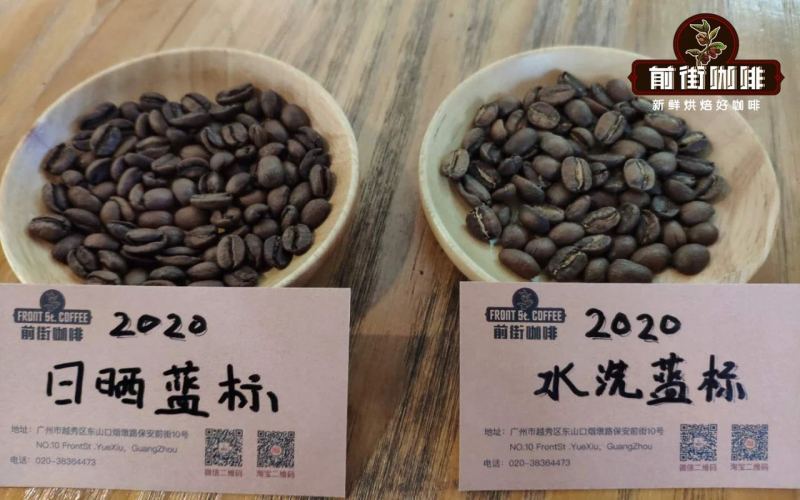
Has the Jade Blue Label Geisha been renamed Las Rocas? Complete guide to the 2021 washed process and pour over recommendations
In 2021, the Jade Estate's Blue Label Geisha was quietly renamed Las Rocas, sparking curiosity among many coffee enthusiasts. This article delves into the reasons behind the renaming of the Blue Label, compares the grade differences and flavor profiles of the Red, Green, and Blue Labels, and provides expert pour over recommendations and extraction parameters for the now-washed-process Las Rocas Geisha. Help you better understand this classic Geisha from the volcanic rock-producing region and find your own brewing flavor. [more…]
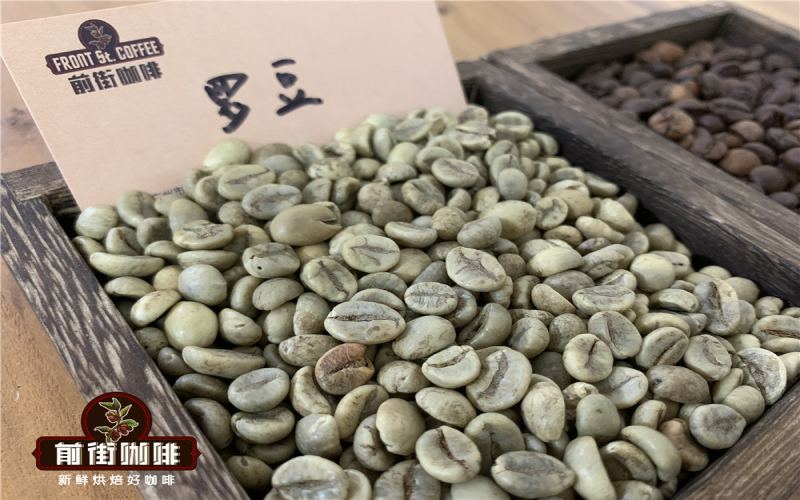
Why are Robusta coffee beans so cheap? Are they truly despised in the specialty coffee world?
Robusta coffee beans are often regarded as synonymous with cheapness and bitterness, and are seen as completely separate from specialty coffee. But did you know that they were once the market’s star player and are still widely used in instant coffee and espresso blends today? This article delves into the origins of Robusta, its flavor characteristics, how it differs from Arabica, explores the reasons behind its low price, and provides actual market reference prices to help you better understand this often misunderstood coffee variety. [more…]
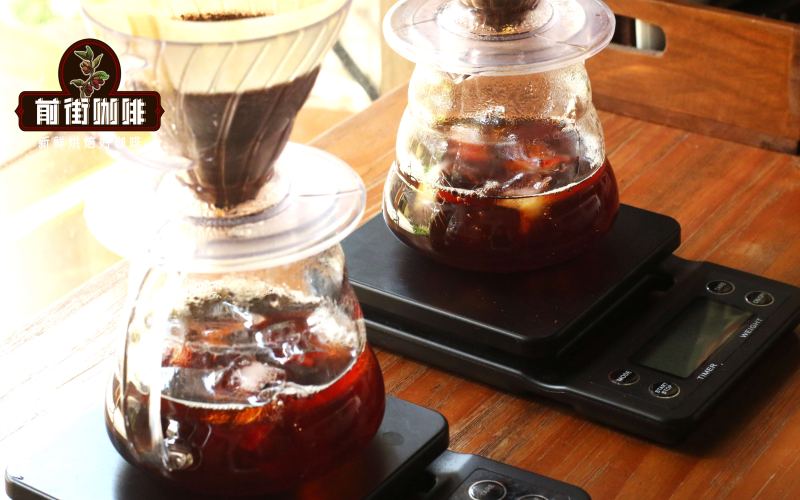
Beginner's Guide to Choosing Coffee Beans for Pour Over: Master Origin, Processing Method, and Roast Level in One Go
Choosing the right coffee beans for pour over is one of the first challenges many beginners face. This article systematically explains how to select your first practice bag based on personal taste preferences — from the flavor profiles of major global coffee-growing regions, the impact of common processing methods on flavor, to the flavor characteristics of different roast levels. In addition to introducing the flavor traits of major regions such as Africa and Central and South America, it also details the differences between processing methods like natural and washed, and provides practical purchasing advice and reference bean lists for beginners to help you build... [more…]
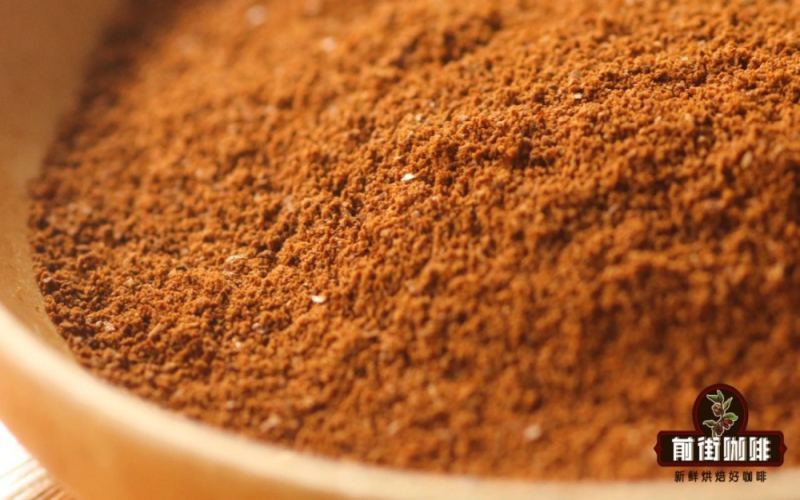
How to Grind Coffee for Cold Brew? A Complete Guide to Extraction Principles and Bean Selection
Cold brew coffee is extracted through prolonged steeping at low temperatures. Though it may seem simple, there are many nuances involved. Many assume that the finer the grind, the stronger the extraction, but practical tests have shown that a coarser grind can actually yield a higher concentration. This article delves into the extraction principles to explain why the grinding logic for cold brew differs greatly from that of pour over, and provides practical suggestions on bean varieties, recommended coffee-to-water ratios, as well as grinding techniques tailored to different roast levels — all to help you achieve a well-balanced cold brew ideal for crafting mixed drinks. [more…]
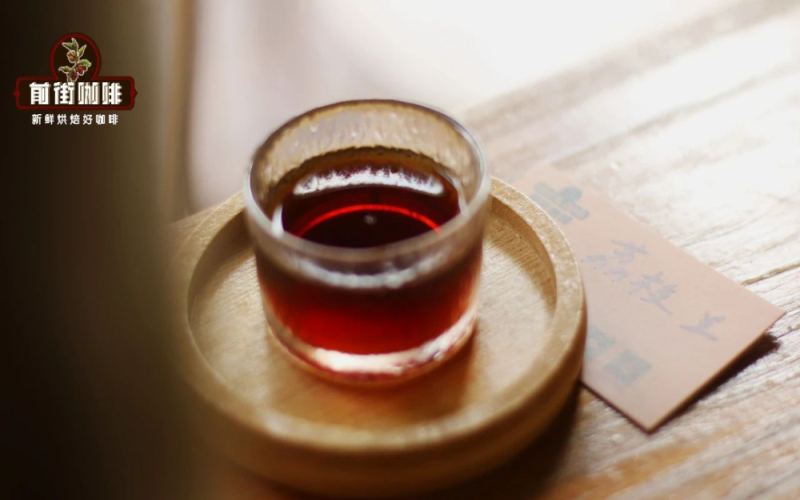
How to Choose Fruit-Forward Coffee Beans? Analysis of Key Origin Characteristics and Balanced Flavors (Pour Over Beginner’s Guide)
Fruit-forward coffee, with its refreshing and diverse flavor profiles, has become a favorite among many coffee enthusiasts. However, to truly appreciate the charm of fruit-forward coffee, it's essential to understand the sources of its flavors and the characteristics of its origins. This article delves into the flavor profiles of major fruit-forward coffee-producing regions around the world, including classic representatives from Africa and Central and South America, and explores how to select the coffee beans that best suit you through the balance of acidity and sweetness, as well as aroma structure. It serves as a practical guide for both pour over beginners and advanced enthusiasts. [more…]
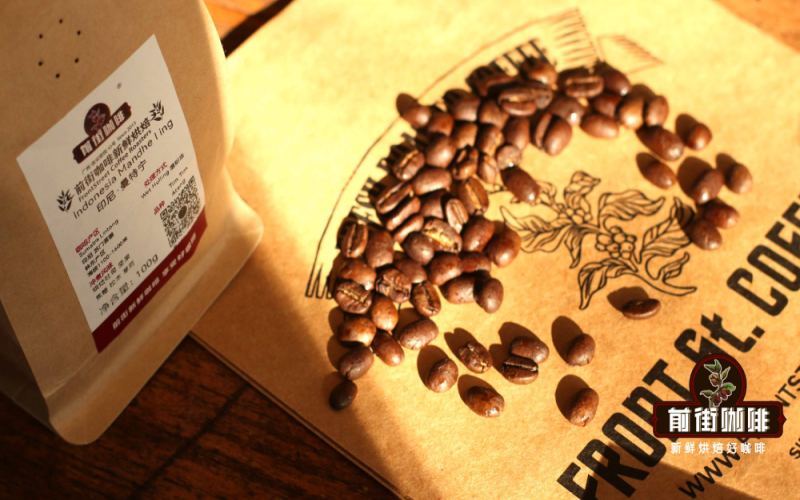
Recommended Indonesian Mandheling Pour Over Beans: Wet-Hulling Process & Rich, Low-Acid Flavor Profile
Looking for a pour over coffee bean with a rich flavor and low acidity? Indonesian Mandheling, known for its low acidity, bold intensity, and distinctive earthy aroma, is a top choice for many coffee enthusiasts. This article delves into the wet-hulling processing method of Mandheling, covering key steps from husking and fermentation to multiple rounds of drying, and explains how this unique process shapes its distinct character. We also recommend the highly popular Golden Mandheling, allowing you to experience the perfect balance between cleanliness and richness. [more…]
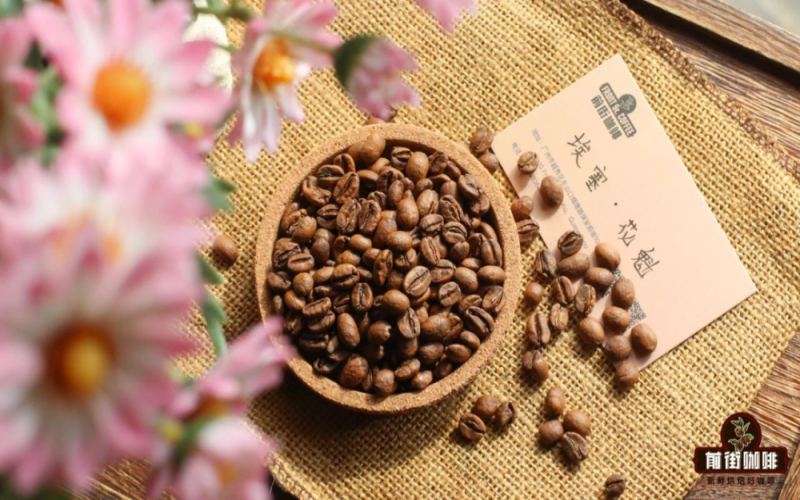
Analysis of Coffee Bean Shelf Life After Opening | Techniques to Prevent Oxidation and Preserve Freshness in Pour Over Coffee
Once coffee beans are opened, their freshness and flavor gradually decline. Understanding the shelf life of both coffee beans and ground coffee, and mastering techniques to prevent oxidation and control temperature and humidity, can effectively extend the optimal flavor period of your coffee. This article delves into the four major enemies that affect coffee flavor—light, high temperature, moisture, and oxygen—and provides practical storage recommendations to help you lock in the purest flavor of your coffee from the moment it's opened. [more…]

Cold Brew Coffee Beginner's Guide: Bean Selection Tips and Home Brewing Parameters
Want to enjoy a refreshing yet layered iced coffee during the hot summer? Cold brew coffee is beloved for its simple preparation and clean flavor. This article delves into the extraction principles of cold brew, helping you understand why medium to medium-light roasted beans are more suitable. It also recommends several representative flavor beans, ranging from floral to berry notes. Additionally, it details grind size, water-to-coffee ratio, steeping time, filtration techniques, as well as common questions like room-temperature brewing feasibility and shelf life — all to help you easily brew at home. [more…]
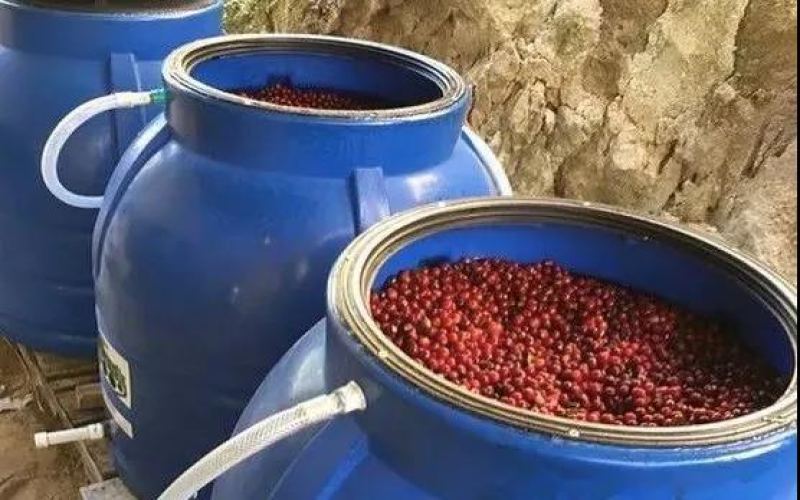
How does the rose aroma in Colombian Rose Valley coffee beans come about? Understanding natural flavors through anaerobic fermentation
Have you ever been amazed by coffee beans that exude a strong floral aroma right when you open the bag, yet can't help but wonder if flavorings have been added? Colombian Rose Valley coffee, renowned for its rose-like fragrance, is a case often discussed. This article delves into the technology of anaerobic fermentation, analyzing the process of double anaerobic enzymatic fermentation, takes you on an in-depth visit to the Grand Tree Estate in Santander, Colombia, breaks down the characteristics of the Caturra variety, and helps you grasp the key to distinguishing between naturally fermented aromas and artificial additives—equipping you with the knowledge to select high-quality coffee beans. [more…]
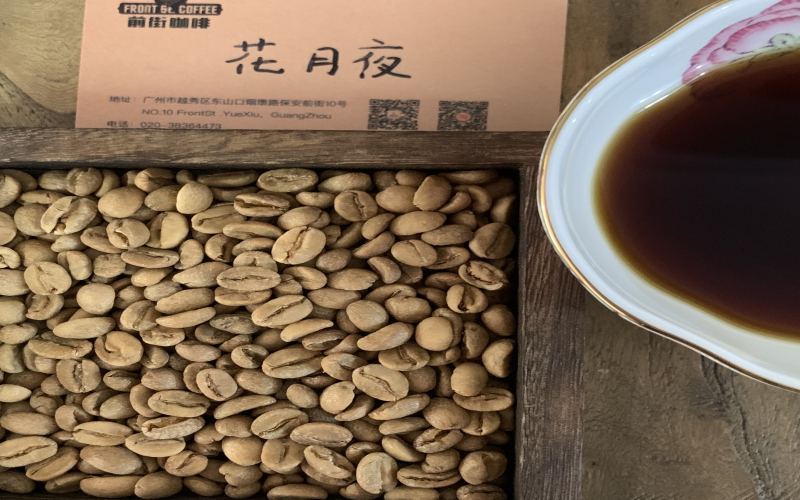
Colombian Huayueye vs. Yirgacheffe Pour Over Analysis: Flavor Comparison of Anaerobic Sun-Dried and Washed Processes
To gain a deeper understanding of the differences between anaerobic sun-dried and washed processes, you might want to start with two popular pour over beans: Colombian Huayueye and Yirgacheffe. The former is known for its jammy and strawberry aromas, while the latter showcases bright citrus and tea-like notes. This article provides a detailed comparison from origin background, processing methods to actual pour over flavors, helping you make the best choice based on taste preference and master brewing tips for different processing methods. [more…]

Are Kouhi Coffee Beans Arabica? A Complete Guide to the Flavors of Ethiopian Guji Hambella Sun-Dried Beans and Cold Brew Techniques
In recent years, Kouhi coffee has garnered widespread attention for its rich floral and fruity aromas. It is grown in Ethiopia’s Guji Hambella region and belongs to the Arabica heirloom variety. This article delves into the varietal origins of Kouhi, the characteristics of the Hambella growing area, and the sun-dried processing method. It also shares practical cold brew parameters and brewing tips, allowing you to easily extract the complex flavors of Kouhi cold brew coffee at home. [more…]