







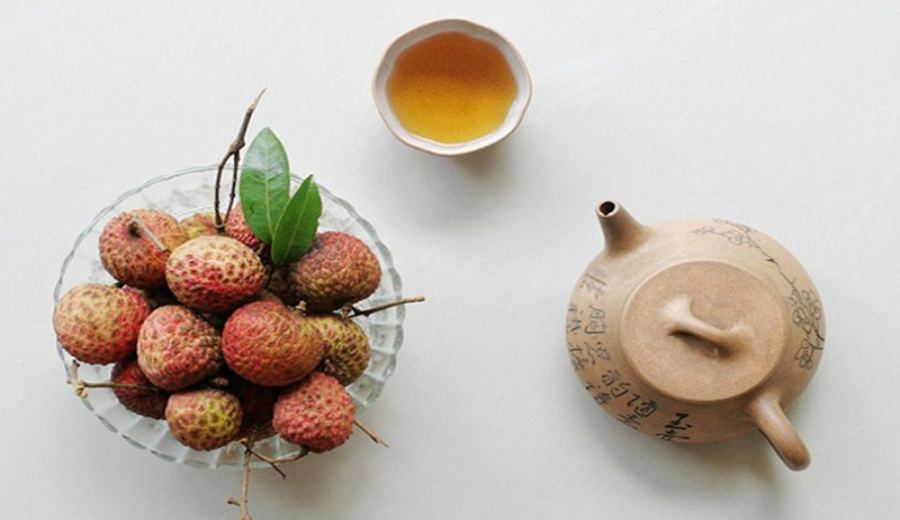
Introduction:Litchi black tea is widely loved for its unique fruity aroma, but many people wonder whether it is a flavored tea or if artificial flavorings are added. This article delves into this beverage that blends the characteristics of litchi and black tea, analyzing everything from ingredient selection and production techniques to the true sources of its flavor. We debunk common misconceptions and provide professional brewing parameters and tips to help you master the essence of this Asian specialty tea.
The unforgettable sweet fruity aroma of litchi black tea often makes first-time drinkers curious about its tea classification. This specially blended tea, which holds fair trade certification, is actually an innovative extension of traditional Chinese black tea. During production, fresh litchi peel or flowers are typically smoke-infused, then complemented with natural litchi extract for flavoring. Through repeated testing, the optimal flavor balance is achieved.
Litchi is native to Southeast Asia, with small, round fruits that have translucent milky-white flesh, known for their delicate floral notes and rich fruity flavors. For tea blending, we use organically certified Chinese black tea as the base, supplemented with small amounts of other black tea varieties, carefully formulated to achieve a light to medium tea strength. This ensures the distinctive sweet fruity aroma of litchi is fully released without being overshadowed.
Definition and Truth About Flavored Tea
Flavored tea refers to tea that uses high-quality base tea as a foundation, blended with real fruits, natural spices, fresh flowers, or 100% naturally extracted flavoring substances. Unlike the commonly seen artificially flavored teas on the market, all flavoring agents we use are derived directly from plant extraction or obtained through 100% non-GMO grain alcohol as a solvent, with no addition of any synthetic fragrances or preservatives throughout the process.
In the production of litchi black tea, we insist on using the aromatic components of natural litchi fruit rather than cheap chemical flavorings. This preservation of true flavor allows each sip of tea to present the fresh sweetness and delicate floral nuances unique to litchi.
Core Ingredients and Production Techniques
The main components of this litchi black tea include: organic Chinese black tea, organic osmanthus, organic safflower, as well as natural litchi aroma and tropical fruit flavors. The black tea base is made from high-quality tea leaves with fair trade certification, ensuring pure flavor while also prioritizing ethical sourcing.
Traditional production techniques begin with lightly smoke-infusing fresh litchi peel or flowers, placing the black tea in a smoking environment to absorb the natural fruit aroma of litchi. Subsequently, the essence of the litchi fruit is extracted via cold brew, using extremely low-temperature processing to preserve complete flavor molecules. Finally, these natural elements are precisely proportioned and blended with the black tea base.
Debunking Common Misconceptions
Many consumers worry that flavored tea is the same as artificially flavored products, but in reality, high-quality flavored tea is distinctly different from those with artificial flavorings. True flavored tea will clearly indicate the use of naturally sourced flavor components, whereas artificially flavored products usually only list “flavor” without specifying the source.
Another common misconception is that all fruity teas contain large amounts of sugar. In fact, high-quality litchi black tea achieves distinct fruity characteristics without added sugar, thanks to natural smoke infusion and extraction techniques.
Professional Brewing Recommendations
When brewing litchi black tea, it is recommended to use about 2 grams of tea leaves with 150 ml of hot water, with water temperature controlled between 90-95°C and steeping time of 3-5 minutes. For optimal flavor, filtered soft water or mineral water is recommended, avoiding repeatedly boiled water.
If you prefer a stronger taste, you can moderately increase the amount of tea leaves rather than extending the steeping time, which effectively prevents excessive tannin release that can lead to bitterness. It is recommended to consume the tea promptly after brewing to enjoy the peak period when the litchi aroma is most vibrant. The leaves can be re-brewed up to 2-3 more times based on personal preference, with each subsequent brew extended by about 10-15 seconds.
The above content is compiled by CoffeeHunters, a coffee news website.


