







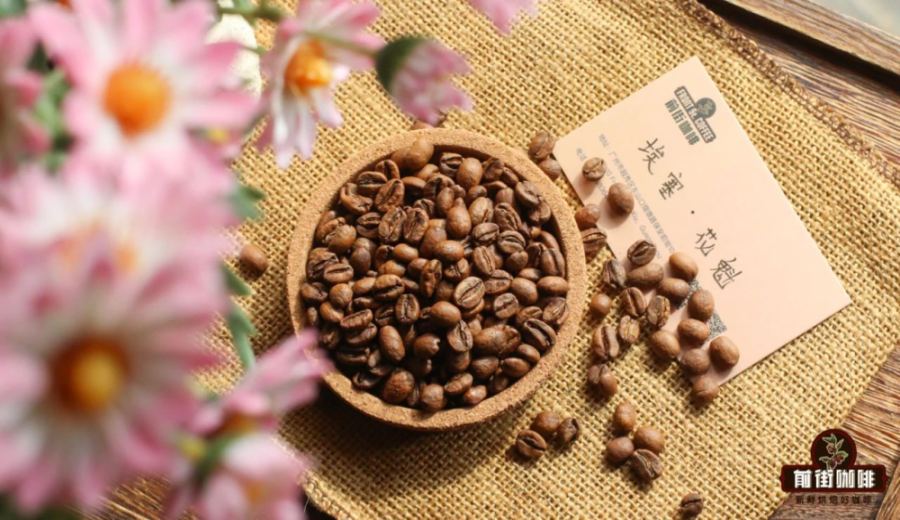
Introduction:Once coffee beans are opened, their freshness and flavor gradually begin to decline. Understanding the shelf life of whole bean coffee and ground coffee, and mastering techniques to prevent oxidation and control temperature and humidity, can effectively extend the optimal drinking window. This article takes an in-depth look at the four major enemies of coffee flavor—light, heat, moisture, and oxygen—and offers practical storage tips to help you lock in the purest flavor from the moment you open the bag.
The flavor profile of coffee beans is closely tied to their freshness. However, the biggest factor affecting freshness often isn’t the beans themselves, but how we store them. Roasted coffee beans gradually lose their original aroma and complexity when exposed to air, moisture, light, heat, and oxygen. So, how long can coffee beans be stored after opening? And how should ground coffee be preserved to maintain its flavor?
First, we need to distinguish between the concepts of “best-by period” and “shelf life.” The best-by period refers to the timeframe during which the coffee beans exhibit their optimal flavor, while the shelf life is the duration during which the coffee remains safe to drink from a food safety perspective. Generally speaking, coffee beans reach their peak flavor window around 4 to 30 days after roasting. During this time, the beans display the most vibrant and bright flavors, with a well-balanced acidity and sweetness.
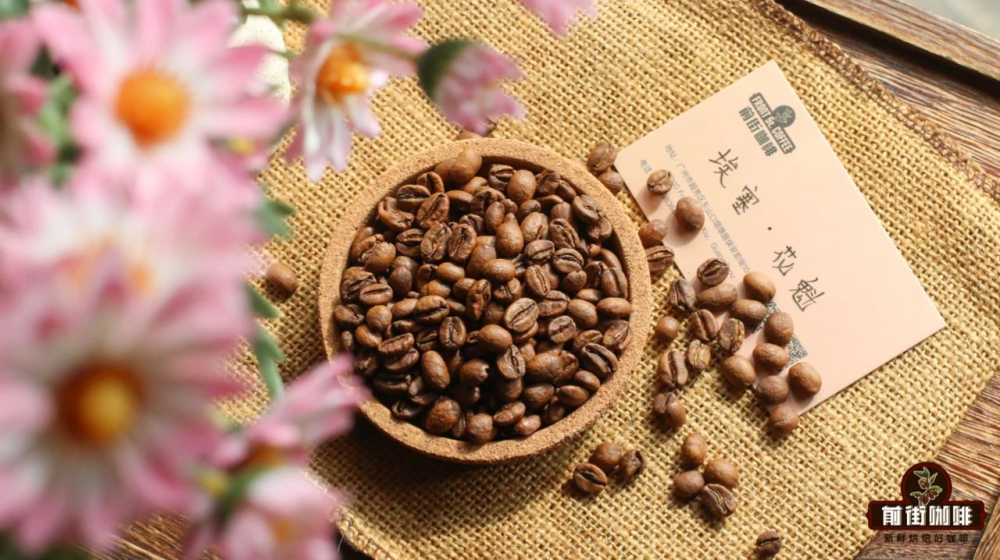
However, even beyond 30 days, coffee beans can still be consumed safely if stored properly, though their aroma and complexity will noticeably diminish. If left for more than three months, the aroma may become nearly tasteless, and the flavor profile tends to become flat. As for the general shelf life, properly sealed roasted coffee beans can theoretically last up to a year when stored in low-temperature conditions.
In comparison, the flavor window for ground coffee is much shorter. Since grinding significantly increases the surface area exposed to air, it accelerates the loss of aroma. If not stored properly, the flavor may noticeably deteriorate within just a week. Therefore, unless you’re using it immediately, it’s recommended to avoid grinding your coffee in advance and to consume it soon after grinding.
What factors accelerate the loss of flavor in coffee beans? The first culprits are light and heat. Many people habitually store coffee beans on kitchen countertops or near windows, unaware that direct sunlight and nearby heat sources can cause aromatic compounds in the coffee to evaporate. Especially ultraviolet rays, which are invisible killers of aroma. Even if the packaging contains an aluminum foil layer that reflects some light, it cannot prevent heat buildup. Therefore, when storing coffee beans, choose a cool, dark cabinet or drawer, away from heat sources like stoves or appliances.
Another major influencing factor is environmental humidity. Although coffee beans lose most of their moisture during roasting, they still retain some hygroscopic properties. If stored in a humid environment, even containers with sealed designs can allow moisture to seep in each time the lid is opened. Moisture can not only cause the beans to mold but also lead to off-flavors such as dampness or earthiness, severely impacting the taste after brewing. Therefore, it is recommended to store coffee beans in a dry and ventilated place, and use moisture-proof containers or food-grade desiccants if necessary.
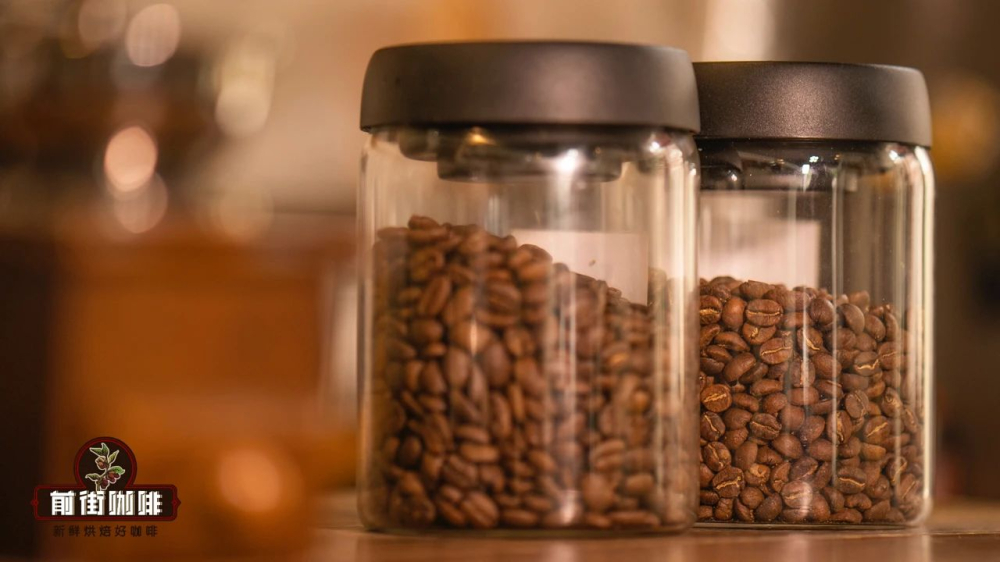
Finally, and most critically, there’s oxygen. Oxygen reacts with the oils and aromatic compounds in coffee beans through oxidation, causing the aroma to gradually fade, the acidity to become dull, and even lead to cardboard-like or rancid flavors. While we can’t completely block out oxygen, we can effectively slow down the oxidation process by reducing the frequency of opening the container and minimizing the amount of air the beans are exposed to each time. After taking beans out, always make sure to seal the container tightly, leaving no gaps. If you’re using a non-airtight jar, it’s recommended to switch to a professional coffee storage canister with a one-way valve or use a vacuum-sealed container to further block out oxygen.
In summary, if you want every cup of pour over coffee to showcase its best flavor, you need to take the storage environment seriously from the very first day you open the bag. Protecting against light, moisture, controlling temperature, and isolating oxygen are the four core principles for extending the optimal flavor period of coffee beans. By using the right storage containers and planning a reasonable usage frequency, you can enjoy the rich and vibrant taste of freshly opened coffee with every brew.
The above content is compiled by CoffeeHunters, a coffee news website.


