







Category: Coffee Knowledge
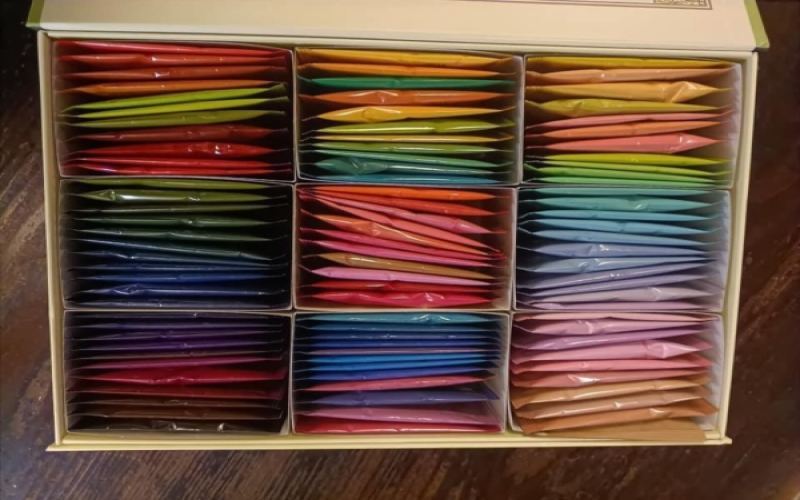
A Complete Guide to Japan's Lupicia 100 Tea Bag Flavors: Top 10 Bestsellers and Comparison with Ceylon & Darjeeling Black Teas
Japan's Greentea Farm (Lupicia) Book 100 series features over 100 tea bag varieties, ranging from classic oolong and sencha to exotic black teas, each with its own unique flavor profile. This article highlights the top 10 best-selling tea flavors, offering an in-depth tasting review of signature blends like Kyoho White Peach and TOKIO Tokyo Berry, while also providing detailed comparisons of the aroma and taste differences between Ceylon Dimbula and Darjeeling black teas. Additionally, it explores the true characteristics of specialty teas such as Nilgiri and deep-steamed sencha, helping you [more…]
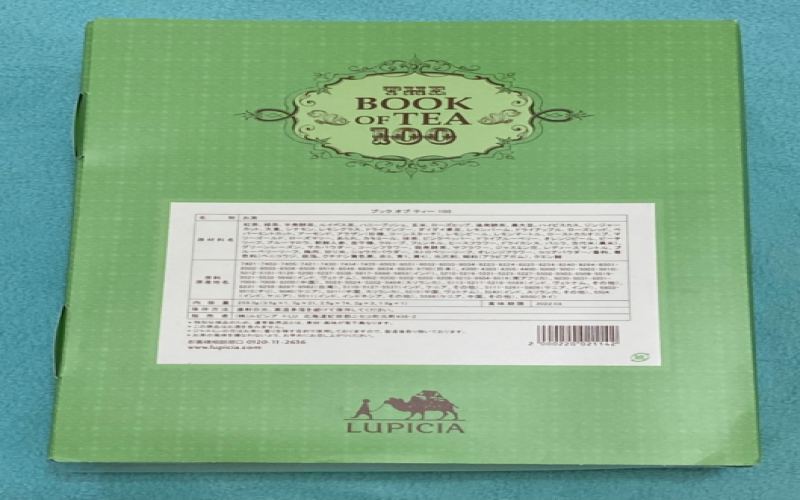
Lupicia Green Puerh Tea Garden's Review of 100 Teabag Varieties: A Comprehensive Analysis of Origins, Flavors, and Buying Recommendations
The THE TEA BOOK 100 gift box launched by Lupicia Green Puerh Tea Garden features a selection of over 100 teabags, covering nine major categories including black tea, green tea, oolong tea, and flavored tea. This article provides an in-depth analysis of the origins and flavor profiles of each type of tea, along with tasting evaluations of well-known producing regions such as Taiwan tea, Ceylon, and Assam. It also introduces popular choices like Japanese green tea and aromatic flavored tea, offering practical buying advice and price references to help you find the tea that suits you best. [more…]
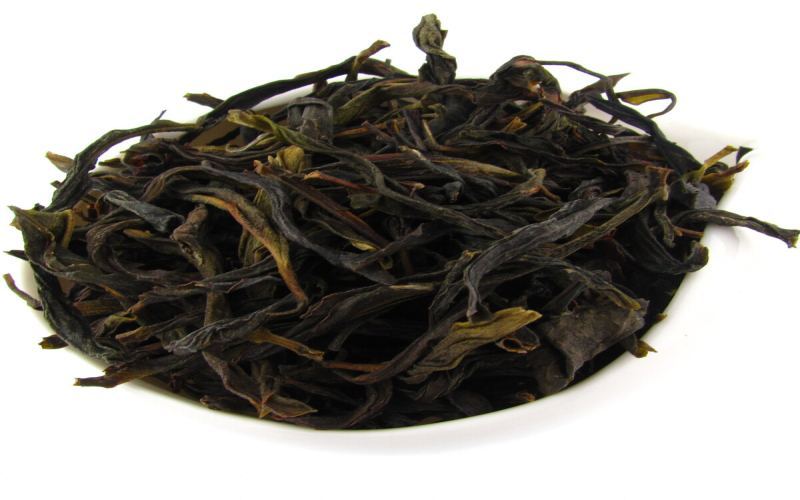
Duck Shit Aroma Phoenix Dancong: Raw Tea vs Refined Tea – A Comprehensive Comparison of Aroma and Seasonal Harvest Flavors
Duck Shit Aroma is one of the most beloved fragrance styles among Phoenix Dancong teas, but its flavor profile varies significantly depending on the harvest season (spring or autumn) and processing method (raw tea or refined roasted tea). This article provides an in-depth analysis of the subtle differences between spring-harvested and autumn-harvested Duck Shit Aroma, comparing the natural floral notes of raw tea with the rich, toasty woodiness of refined tea, helping you find the drinking choice that best suits your taste. [more…]

Latte Heart Pouring Tutorial: A Complete Visual Guide to Cup Handling, Pouring, and Pattern Formation
To pour a beautiful heart-shaped latte art pattern, it's not just about having nimble wrists — what’s more crucial is the correct cup handling posture, stable pouring technique, and high-quality coffee crema. This guide starts with the fundamentals of latte art, step-by-step analyzing two practical cup handling methods, and takes you through the key processes from milk foam integration to heart pattern formation, helping you build steady hand control and muscle memory. [more…]
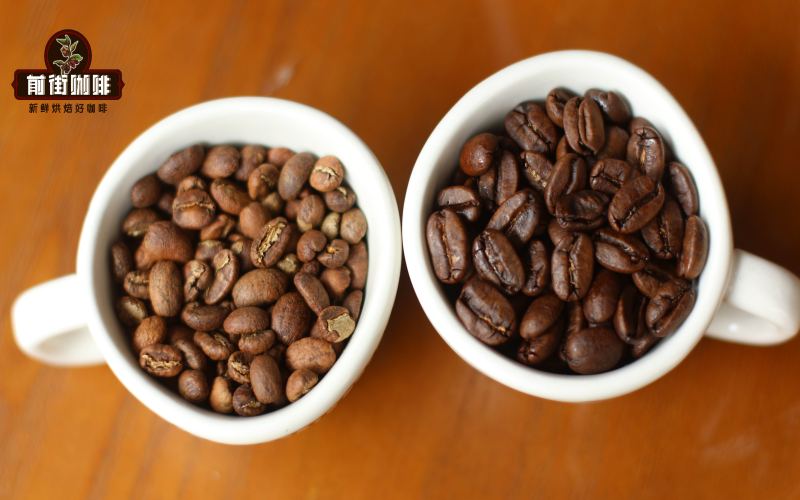
Coffee Bean Beginner’s Guide: From Regional Flavors to Roast Levels, Learn How to Pick the Best Pour Over Beans
Faced with hundreds of coffee bean options on the market, beginners often don’t know how to choose. This guide delves into three core aspects—freshness, regional characteristics, and roast style—to thoroughly analyze the key factors that influence coffee flavor. It also provides practical advice and highlights common pitfalls to help you find the beans that best suit your taste and brewing method, whether it’s pour over, French press, or a moka pot. [more…]
How to Choose an Italian Blend? Flavor Analysis and Four Classic Recipes Recommended
Italian blend coffee beans are the soul foundation for crafting classic brews such as espresso and lattes. Through the artful combination of beans from different regions, they achieve balanced flavors and consistent output. This article delves into the purpose of blending, the differences between fresh and roasted blends, and helps you understand the trade-offs between SOE and blends. It also provides a detailed breakdown of the formulation logic and actual flavor profiles of four classic blend styles, helping you find the most suitable blend choice. [more…]
The biggest reasons cold brew fails—revealed from bean selection to filtration for a clear and rich flavor
Cold brew coffee, with its low-temperature slow extraction characteristics, delivers a smooth and refreshing unique taste, making it an excellent choice for summer refreshment or those seeking a low-acid experience. However, many people encounter issues such as weak flavor, excessive cloudiness, or even sediment when making it at home. This article comprehensively analyzes common mistakes—from coffee bean selection, coffee-to-water ratio, steeping time, stirring techniques, to filtration details—to help you adjust step by step and make cold brew that is as clear, bright, and flavor-packed as the professional level. [more…]
Can unopened expired coffee powder still be consumed? Flavor analysis & 3 eco-friendly reuse tips
What if the coffee powder you’ve stocked at home has passed its best-before date? Can unopened packages still be enjoyed? This article delves into the actual effects of expired coffee powder from the perspectives of food safety and flavor performance, explaining why freshness is crucial for extraction. In addition to describing brewing adjustments for less fresh coffee, we also share three practical and environmentally friendly ways to reuse it—so you can make the most of every batch of leftover coffee grounds. [more…]
Is it normal for coffee beans to have oil on them? A complete guide from storage tips to freshness judgment
Many coffee beginners worry that their coffee beans have gone bad or are no longer fresh when they notice oil on the surface. In fact, the presence of oil on coffee beans is directly related to the roast level and does not indicate poor quality. This article will delve into the science behind why coffee beans produce oil, how to determine if they’ve absorbed moisture, and provide expert storage advice to help you effectively extend the optimal flavor period of your coffee beans—ensuring every cup of pour over coffee showcases its best flavors. [more…]
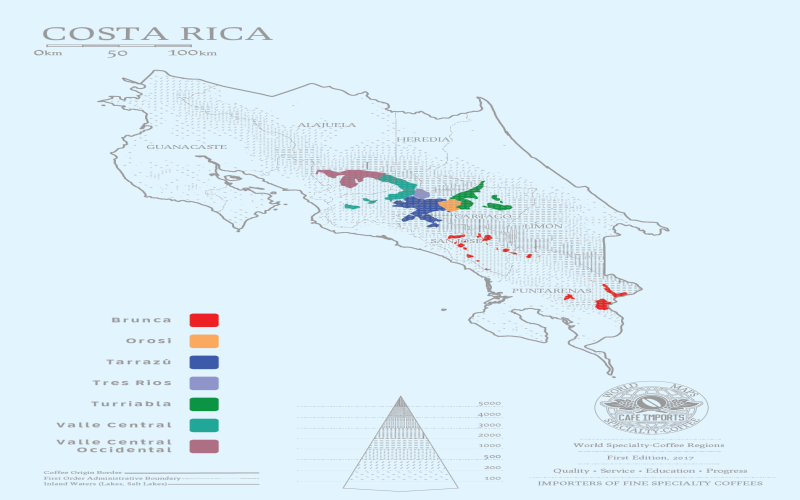
Costa Rica Mozart Coffee Beans: Exploring Anaerobic Honey Processing Flavors and the Characteristics of the Tarrazú Region
This article provides an in-depth analysis of the Mozart coffee beans from Costa Rica’s Musician Series, covering everything from the region’s geography and farm background to the anaerobic honey processing method. It details the unique fermented aromas, complex floral notes, and fruity sweetness. Ideal for pour over coffee enthusiasts and those interested in exploring special processing methods, it offers a comprehensive guide for tasting and purchasing. [more…]
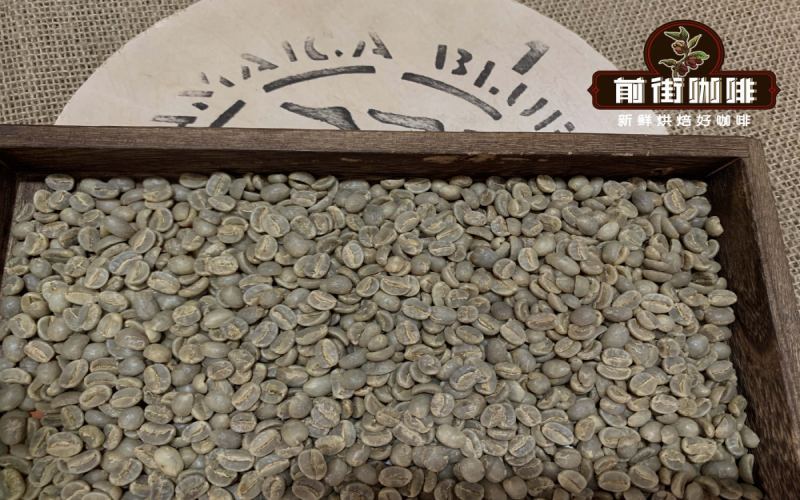
How to choose between Blue Mountain and Geisha coffee beans? A comprehensive look at grading, flavor, and regional differences
Blue Mountain coffee and Geisha coffee are hailed as the two top-tier specialty beans in the world. One is renowned for its balanced and rich profile, while the other captivates coffee enthusiasts with its intense floral aromas and rarity. This article will delve into the differences between the two in terms of growing environments, grading systems, flavor profiles, and market positioning, helping readers understand the essence of these two coffees from a professional perspective and choose the one that best suits them. [more…]
How Does Altitude Affect Coffee Flavor? A Comprehensive Analysis of Arabica vs. Robusta
Do you know why coffee grown at high altitudes is often considered specialty-grade? This article delves into the critical impact of altitude on coffee flavor and provides a botanical breakdown of the fundamental differences between Arabica and Robusta. From growing elevations and flavor profiles to market share, it helps you build a professional perspective on bean selection while also recommending two practical blends that include Robusta to suit different brewing needs. [more…]
Single-Origin Coffee Beginner’s Guide: Flavor Differences Across Three Major Regions & Pour Over Bean Selection Tips
Delve into the core definition of single-origin coffee, master the unique flavor profiles of the three major regions—from Africa to Asia and Latin America—and understand the flavor characteristics of specific beans such as Yirgacheffe, Lintong Mandheling, and Brazilian Red Bourbon to help you choose the right pour over beans based on your personal preferences. This article also provides practical references to make bean selection hassle-free. [more…]
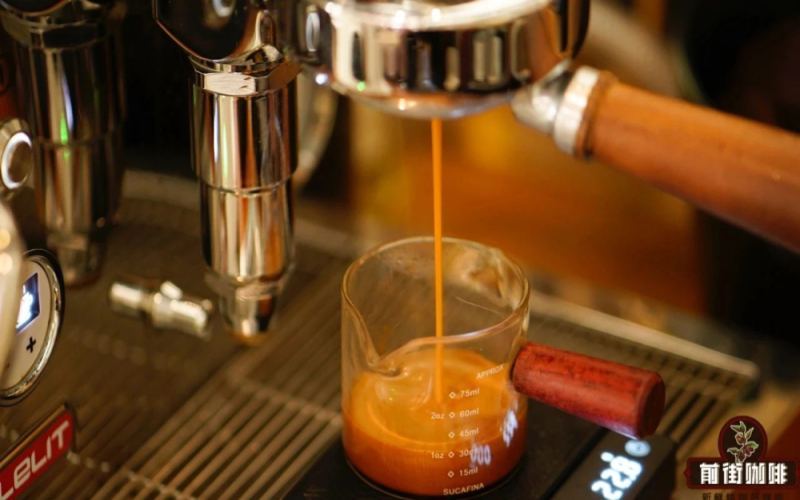
Principle of Crema Formation and Analysis of Extraction Failures: 6 Common Reasons for Insufficient Espresso Crema
Crema is the soul of espresso. This golden layer of foam is not only a visual delight but also a crucial indicator of successful extraction. However, many coffee enthusiasts, whether at home or in shops, often encounter issues such as thin, whitish, or even completely absent crema. This article delves into the formation principles of crema, comprehensively analyzing common factors that lead to poor crema—from bean freshness and roast level, to machine pressure and extraction parameters—and provides specific [more…]
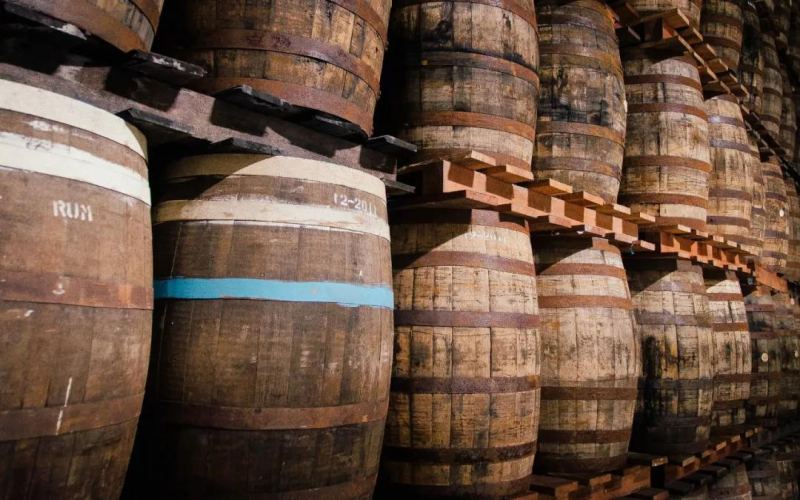
How to brew Colombia San Jose Estate Rum Barrel Fermented Beans? Flavor profile of the Castillo variety
These rum barrel fermented coffee beans from Colombia's San Jose Estate employ a unique washed processing method combined with low-temperature oak barrel fermentation, imparting the Castillo variety with intense wine-like aromas and tropical fruit notes. This article delves into the terroir of the growing region, details of the processing, and V60 brewing parameters to help you master the distinctive flavor profile and brewing techniques of this pour over coffee bean. [more…]
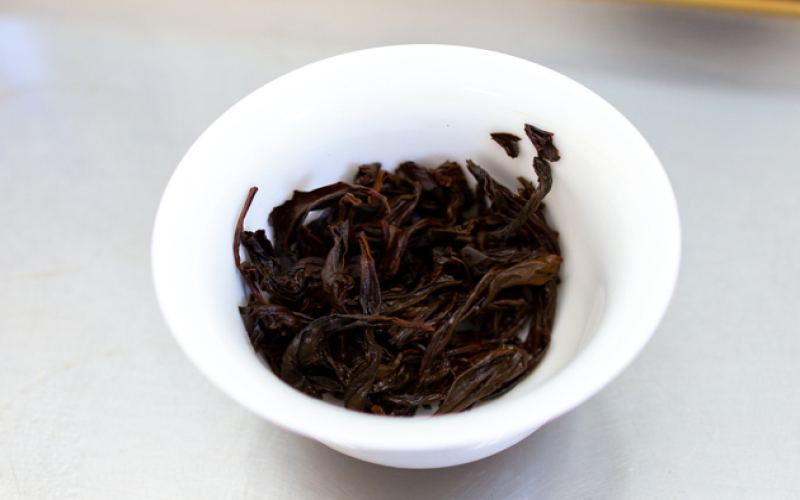
How to Brew Keemun Mao Feng Black Tea? Flavor Profile & Gongfu Brewing Guide
Keemun Mao Feng black tea is one of the representative teas of traditional Chinese Gongfu black tea, originating from Qimen County in Anhui Province. Since its creation in 1875, it has been renowned for its unique floral and fruity aroma. This article provides a detailed breakdown of its dry leaf appearance, liquor color, flavor characteristics, and optimal brewing techniques—including recommended water temperature, steeping time, and teaware selection. It also analyzes how it differs from breakfast blends, helping black tea enthusiasts progress from beginners to connoisseurs. [more…]
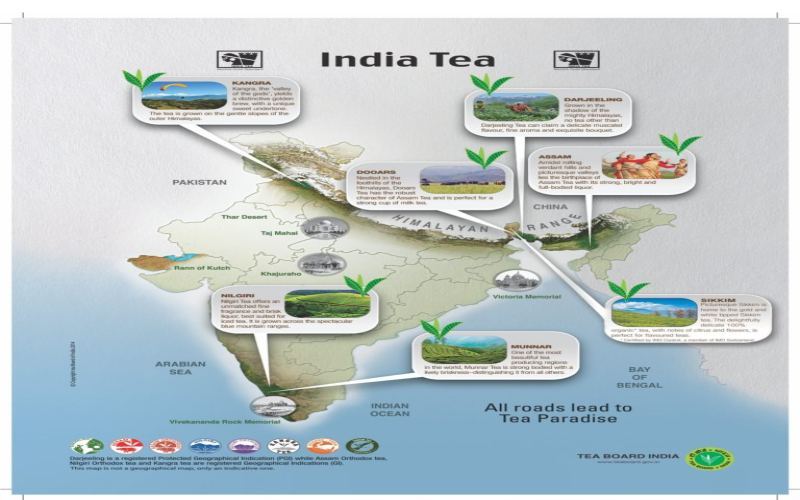
A Guide to the Seven Major Tea Regions of India: Flavor Profiles from Darjeeling to Tripura
India’s tea map isn’t limited to just Darjeeling, Assam, and Nilgiri—there are four other highly potential yet lesser-known regions. Based on official Indian geographical indication data, this guide gives you a comprehensive overview of the seven major tea-producing areas, including their terrain, climate, tea varieties, and flavor profiles, along with tea selection recommendations to help you find the most suitable Indian tea based on your taste preferences. [more…]
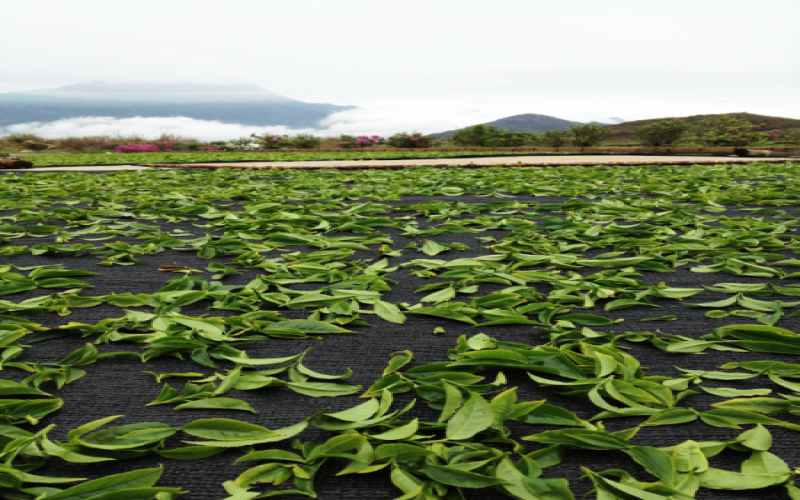
Phoenix Dancong Da Wu Ye Tasting: Origin, Flavor Profile, and Proper Brewing Methods
Da Wu Ye Dancong is a unique oolong tea variety from the Phoenix Mountain region in Chaozhou, Guangdong, renowned for its dark-colored leaves and intense floral aroma. This article delves into the growing environment, varietal characteristics, liquor presentation, and the tea’s richly layered flavors of this tea, while also offering practical brewing suggestions and precautions to help you gain a more comprehensive understanding of this beloved oolong tea among tea enthusiasts. [more…]
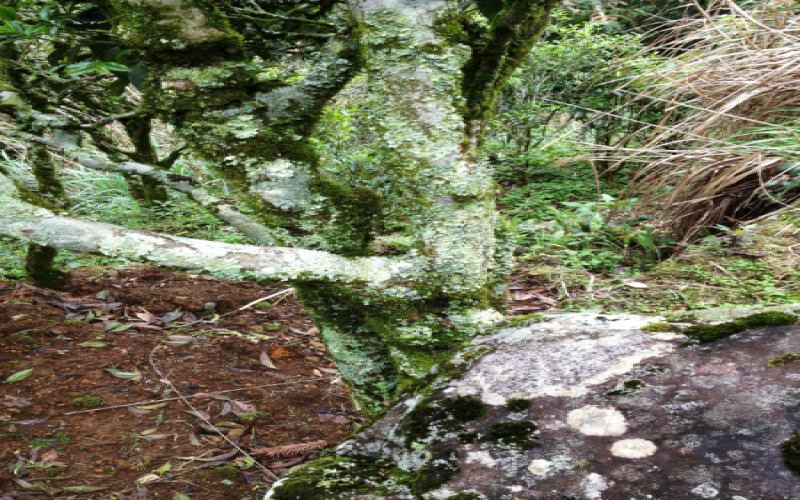
Analysis of Baxian Dancong Oolong Tea’s Flavors | Evolution of Origin & Brewing Recommendations
Baxian Dancong is an oolong tea originating from Guangdong and flourishing in Wuyi Mountain, Fujian. It is renowned for its distinctive aroma and layered taste profile. This article delves into the tea’s varietal origins, its migration history across producing regions, and provides a detailed analysis of its appearance, aroma, liquor color, and flavor variations, along with practical brewing suggestions to help tea enthusiasts gain a more comprehensive understanding of this legendary tea. [more…]
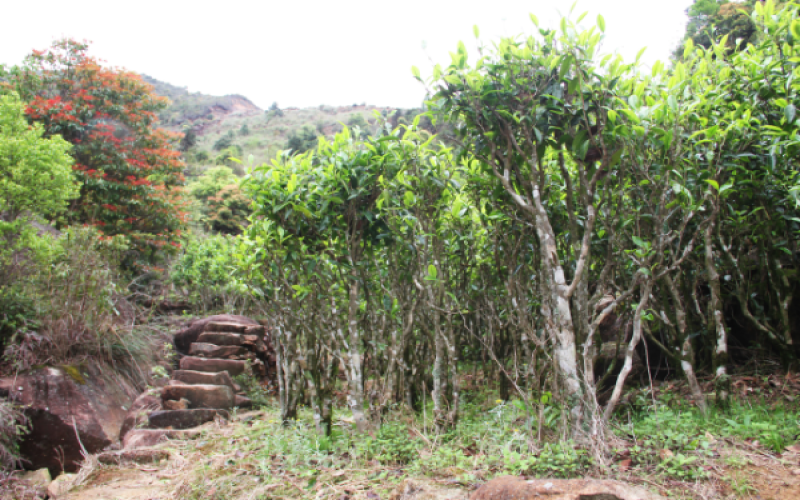
Analysis of the Phoenix Dancong Baxian Fragrance Type: What Category of Oolong Tea Is It? How to Identify High Quality?
Baxian Dancong is one of the most representative fragrance types among Phoenix Dancong teas. With its deep, mellow aroma and richly layered taste, it is highly favored by seasoned tea enthusiasts. But do you know which category of oolong tea it actually belongs to? And how can you distinguish truly high-quality Baxian Dancong? This article provides an in-depth analysis of the fragrance characteristics of Baxian Dancong, its tea plant origins, mountain terroir conditions, and common market misconceptions, helping you better appreciate the charm of this classic oolong tea. [more…]