







Category: Coffee Knowledge
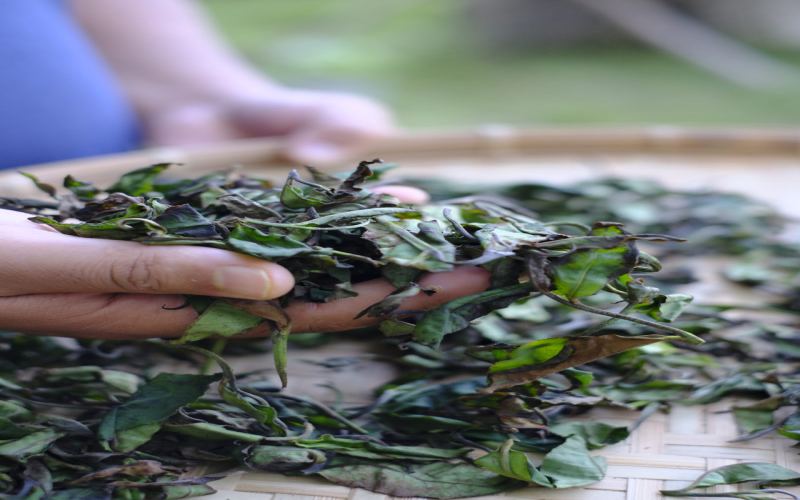
Innovative Craftsmanship of Assam Oolong Tea from India: A Complete Guide from Firewood Roasting to Local Floral Scenting
Did you know? In addition to being famous for its black tea, India’s Assam also produces innovative oolong tea that blends local cultural elements. This article takes you deep into how local tea farmers draw inspiration from poetry to craft their teas, and showcases the exquisite craftsmanship of traditional firewood roasting and natural floral scenting through two distinctive oolongs — Meraki and Petrichor. From the details of tea production to the folk uses of xewali flowers, it offers a comprehensive understanding of these uniquely flavored teas, along with practical purchasing tips. [more…]
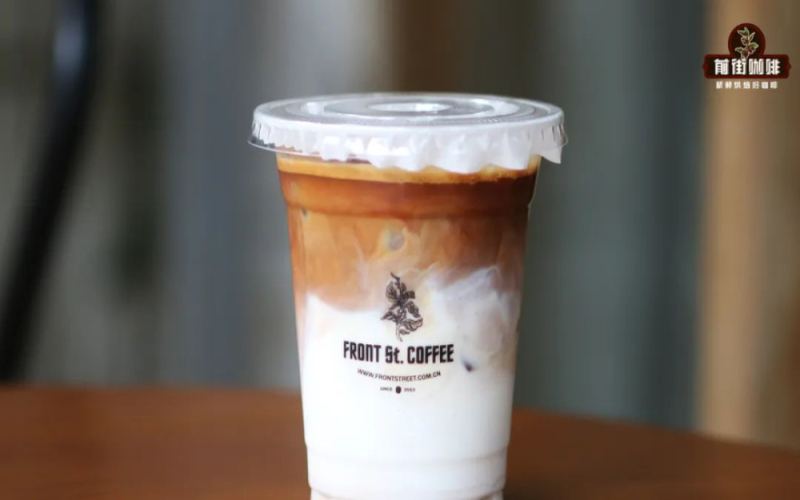
Complete Guide to Making Iced Latte: Espresso Extraction, Milk-to-Coffee Ratio & Coffee Bean Selection
Want to easily make a smooth-textured, well-balanced iced latte at home? This guide will detail everything from espresso extraction parameters and suitable coffee bean choices to the golden ratio of milk to coffee liquid, step by step helping you master the techniques for making iced latte. It also shares three practical tips to elevate the flavor profile, helping you avoid common mistakes—whether you’re a beginner or a coffee enthusiast, you’ll find useful inspiration here. [more…]
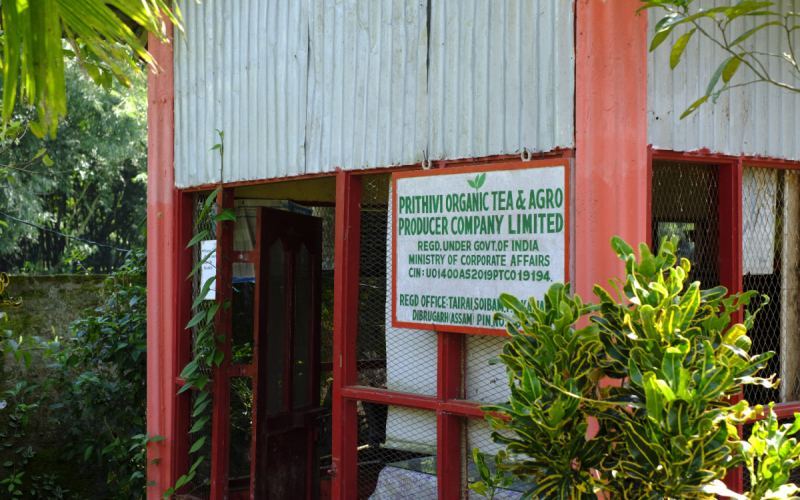
Recommended Assam Organic Black Tea Estates | What’s the Difference Between Natural Cultivation and Organic Certification?
As one of India’s most renowned black tea producing regions, Assam has been developing organic tea for decades. However, only a small number of tea estates truly adhere to natural farming practices and reject chemical intervention. Some tea farmers in the Naharkatia area began exploring fertilizer-free and pesticide-free cultivation methods as early as ten to twenty years ago, even forgoing organic certification in favor of what is known as the “natural tea” approach. This article will analyze the differences between organic and conventional black teas in terms of cultivation, flavor, and packaging, while also discussing natural cultivation... [more…]
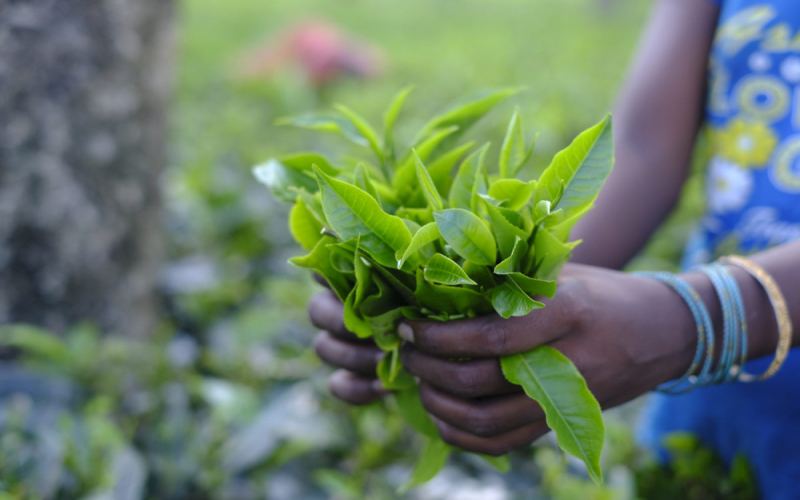
Unveiling Assam Black Tea Origins | Is It Good for Milk Tea? Tea Grades & Tasting Guide
Assam black tea is one of the world’s most renowned representatives of black tea, originating from Assam in northeastern India. It is widely loved for its rich and robust brew, making it especially ideal for milk tea. But do you know its true regional characteristics, grade classifications, or how to select high-quality tea leaves? This article delves into the origins of Assam black tea, the sustainable practices of local tea farmers, and analyzes its performance in milk tea applications, helping you better understand this classic tea variety. [more…]
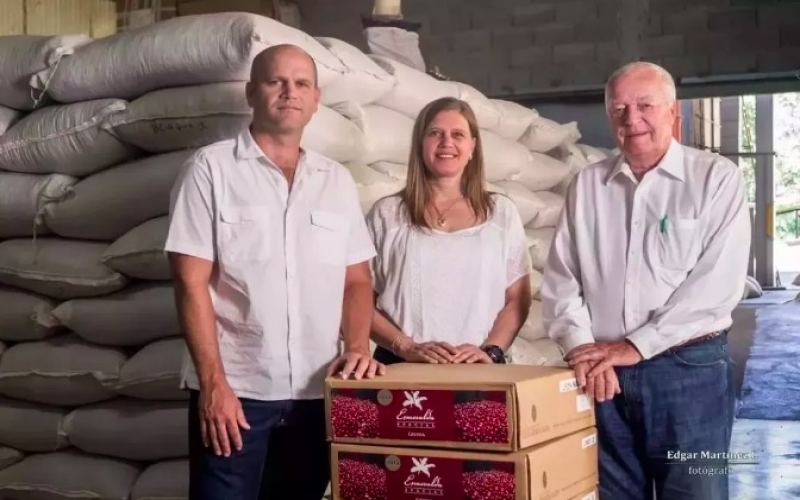
The Complete Guide to Pour Over with Panama Geisha Green Label | Flavor Profile & Grade Differences
Dive deep into how Panama’s Finca Geisha elevates Geisha coffee to the pinnacle of specialty coffee—from the discovery of the variety to the differences between grades such as Red Label and Green Label, and how the unique terroir of the Boquete region contributes to its captivating flavors. This article details the brewing parameters and techniques for sun-dried Red Label Geisha pour over, helping you master the key elements of brewing and savor its layered floral and fruity notes. [more…]
Yirgacheffe Konga Cooperative, Ethiopia: Flavor Profile and Regional Background of Washed Heirloom Coffee
An in-depth exploration of the regional conditions, cooperative operation model, and washed processing methods of the Yirgacheffe Konga Cooperative in Ethiopia, analyzing how its Heirloom coffee achieves unique layers of jasmine, lemon, and peach-apricot aromas through a rigorous process. Whether you're a beginner or a enthusiast of high-quality pour over coffee, this analysis will help you grasp key bean selection factors and the origins of its flavors. [more…]
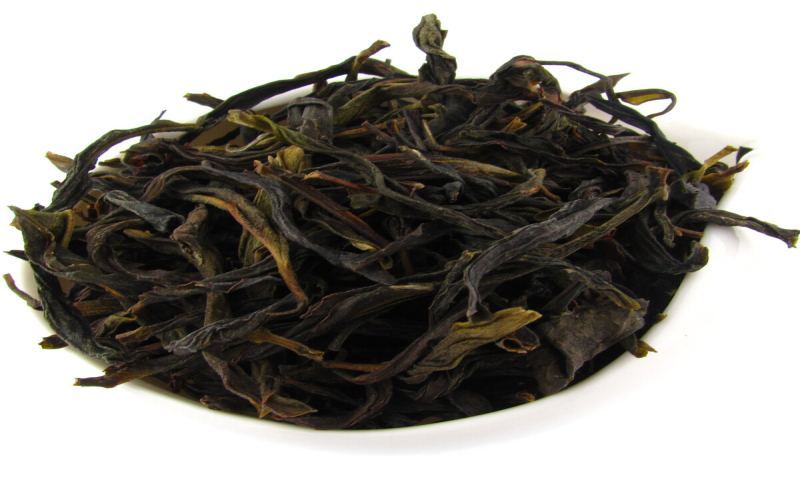
Phoenix Dancong Aroma Analysis: What Grade is Ya Shi Xiang? Comprehensive Introduction to the Top Ten Aromas
As a high-aroma representative among Chinese oolong teas, Phoenix Dancong has long attracted attention from tea enthusiasts for its diverse fragrances. This article delves into the classification system of Phoenix Dancong aromas, particularly examining the actual status of "Ya Shi Xiang" among the various fragrance types. It also lists ten traditional aroma profiles along with their characteristics, helping readers understand the quality traits and flavor profile of this distinctive oolong tea from Chaozhou, Guangdong. [more…]
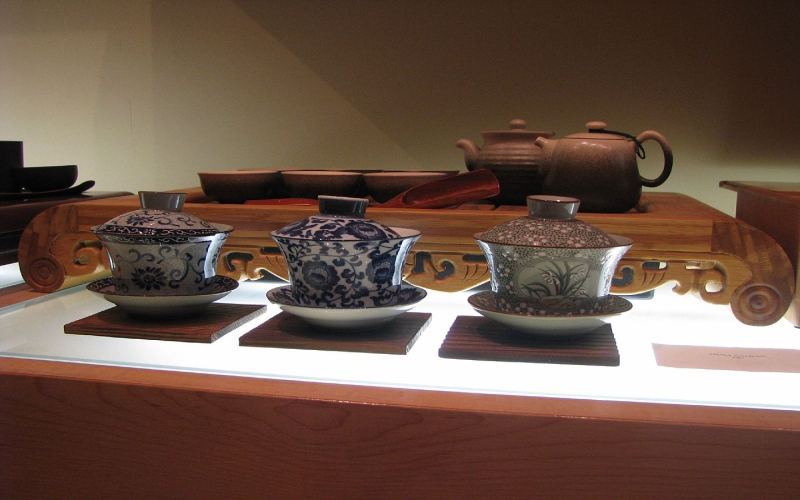
Gaiwan Brewing Techniques for Dancong Oolong: Four Pouring Methods + Full Guide to Water Temperature & Time
Want to bring out the layered aromas and lingering aftertaste of Dancong Oolong using a gaiwan? Mastering the right pouring technique is key. This article dives deep into four practical pouring methods—from the spiral fixed-point pour to awaken the tea’s fragrance, to the stable single-sided pour for large-leaf varietals that ensures a steady release. It also covers the optimal water temperature and steeping times for different harvests, along with adjustments for brewing in a clay teapot. Whether you’re a beginner or a seasoned enthusiast, you’ll find practical tips to elevate your tea’s flavor. [more…]
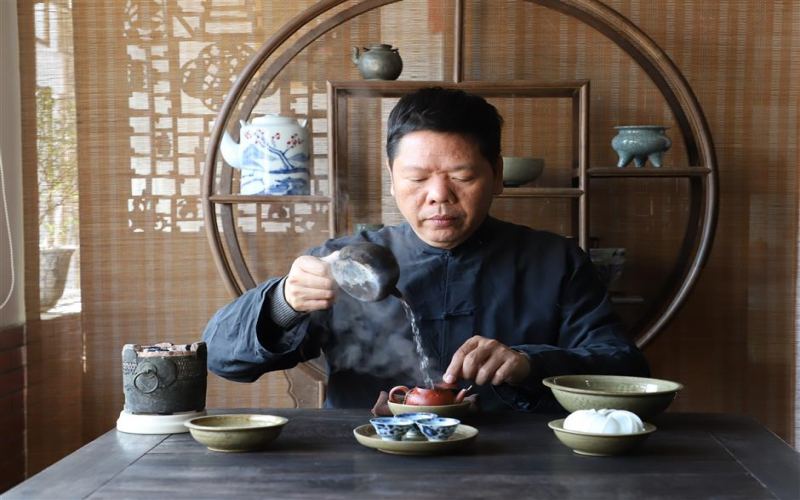
Comparison of Gongfu Tea Brewing in Chaoshan, Fujian, and Taiwan: Analysis of Differences in the Use of Fair Cups and Aroma Cups
Gongfu tea takes on different forms across China, with particularly distinct practices and teaware usage in Chaoshan, Fujian, and Taiwan. This article delves into the differences among the three regions’ Gongfu tea traditions—from the application of fair cups, the ceremonial use of aroma cups, to the control of tea liquor consistency—and explores the mindfulness spirit behind Gongfu tea. Whether you’re a beginner or an advanced tea enthusiast, you’ll gain practical brewing tips and cultural insights. [more…]
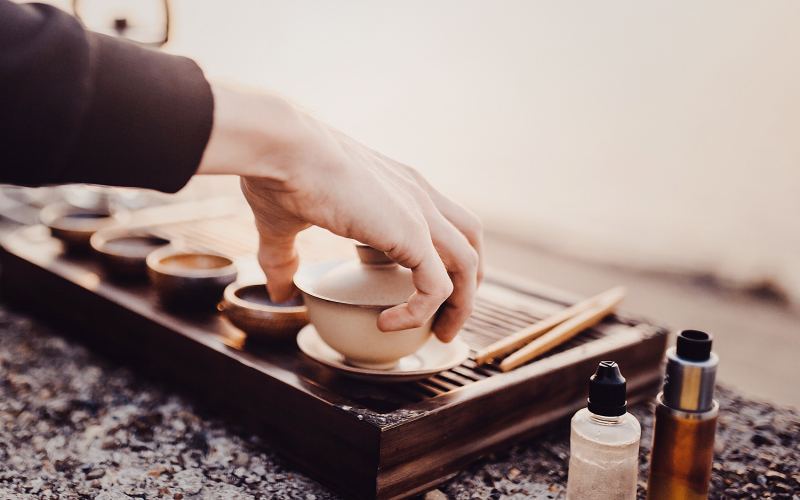
Secrets to Brewing Chaozhou Gongfu Tea | Step-by-Step Guide to Brewing Phoenix Dancong in a Gaiwan & Tea Selection
Chaozhou Gongfu tea is not a single type of tea, but rather a classic tea ceremony originating from Chaozhou, Guangdong, with Phoenix Dancong oolong being its most representative variety. This article delves into the key differences between its brewing method and standard approaches—from short-duration, high-frequency infusion techniques, three distinctive regional ceremonial steps, to hands-on gaiwan brewing procedures and temperature control—to help you master the aromatic layers and mountainous charm of Phoenix Dancong. Even coffee enthusiasts can easily step into the world of tea art with this guide. [more…]
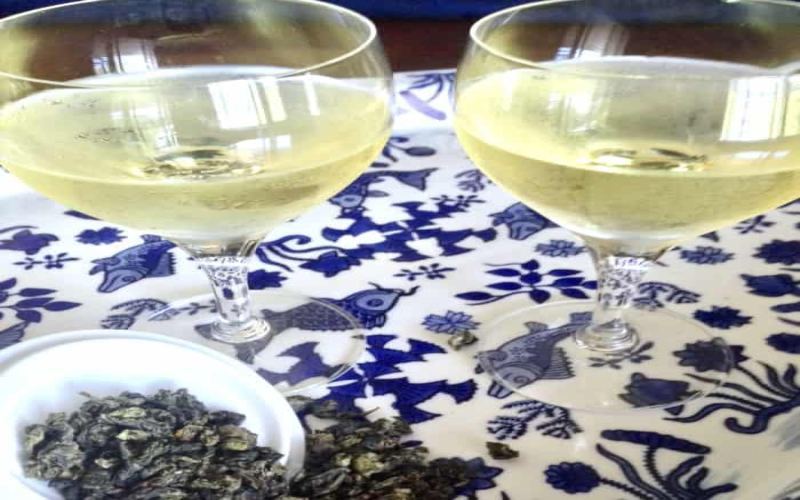
Getting Started with Phoenix Dancong Cold Brew | Comparing Oolong and Black Tea Flavors & Brewing Tips
Want to easily brew a sweet and refreshing cup of cold-brewed Phoenix Dancong at home? This article delves into the principles of cold brewing, explains how low-temperature extraction preserves the tea’s natural sweetness and nutrients, and compares the aroma and flavor differences between Phoenix Dancong Oolong and Black Tea when cold brewed. It also provides practical guidance on tea-to-water ratios, steeping times, and tea selection tips, helping you avoid bitterness pitfalls and enjoy the cool, soothing notes of summer tea. [more…]
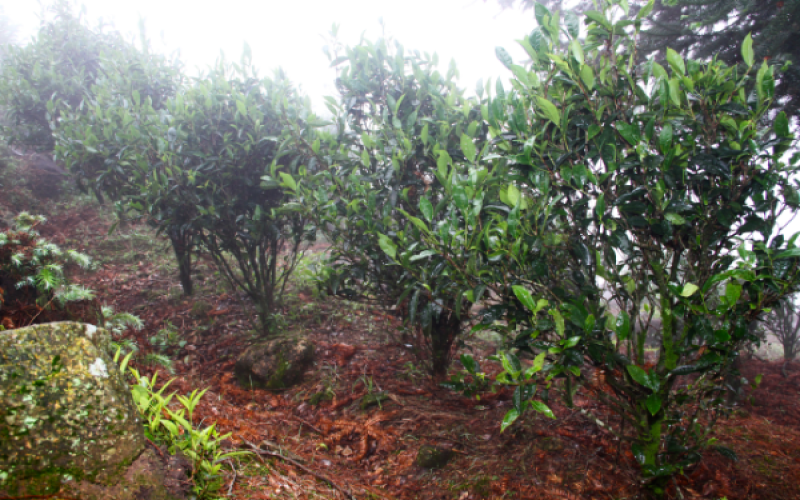
Complete Production Process of Phoenix Dancong Magnolia Aroma: From Tea Leaf Picking to Roasting Techniques
Delve into the full production process of Guangdong Chaoshan’s premium oolong tea — the Magnolia Aroma Dancong — from the origin of the tea plant variety, optimal picking timing, to sun withering, indoor resting, hand-shaking, high-heat fixation, and charcoal roasting techniques. Each critical step is dissected to reveal its impact on the aroma and mouthfeel of the brewed tea. Additionally, it compares the production differences with Taiwan’s high-mountain oolongs, helping you master the professional essence of oolong tea craftsmanship. [more…]
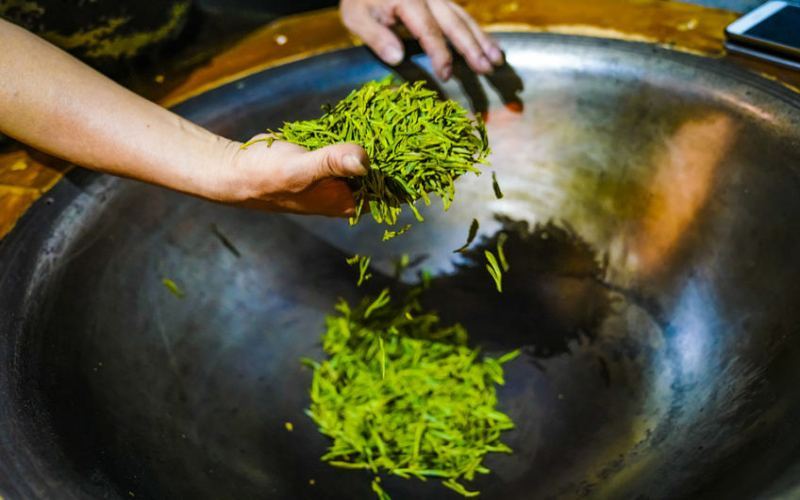
A Complete Guide to Charcoal-Roasted Single-Bush Oolong Tea: The Cause of Cinnamon Aroma, Roasting Techniques, and Market Trends
Charcoal-roasted single-bush oolong tea is a high-end artisanal tea among Phoenix single-bush varieties. Its unique charcoal-fired aroma and excellent storage properties have made it a focal point for both tea enthusiasts and coffee lovers. This article provides an in-depth analysis of the seasonal production process, charcoal firing temperature control, and the principles behind aroma formation for charcoal-roasted single-bush tea. It also addresses common questions such as whether cinnamon aroma is artificially added, guiding you through the essence of this traditional tea craft and its current market status. [more…]

Purchase Guide and Price Analysis of Phoenix Ginger Flower Scented Dancong Oolong Tea, Tasting Insights from the 2021 Spring Harvest
Phoenix Ginger Flower Scented Dancong is a highly aromatic oolong tea produced in the Phoenix Mountain area of Chaozhou, Guangdong, renowned for its unique ginger flower and roasted aroma. This article provides an in-depth analysis of the 2021 spring-harvested, medium-charcoal roasted, medium-fire version. From the dry tea aroma and liquor characteristics to the lingering aftertaste, it takes you through the actual flavor profile of this medium-roasted oolong and offers guidance on proper purchasing channels along with a reference price per tael to help tea enthusiasts make more informed buying decisions. [more…]
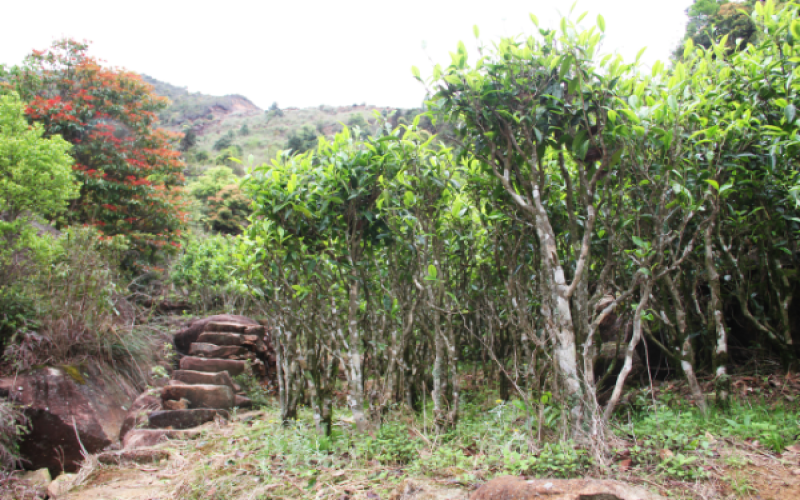
Analysis of Phoenix Dancong Tea Aroma Profiles: How to Distinguish Tongtian Xiang, Jiangmu Xiang, and Ginger Flower Aroma?
Famous for its diverse floral aromas, Phoenix Dancong oolong tea often sees Tongtian Xiang, Jiangmu Xiang, and Ginger Flower Aroma confused with one another. This article delves into the differences among the three, clarifies the true classification of Tongtian Xiang, and introduces its production origin, picking details, and brewing recommendations — helping tea enthusiasts accurately identify the aroma characteristics of this classic high-mountain oolong. [more…]
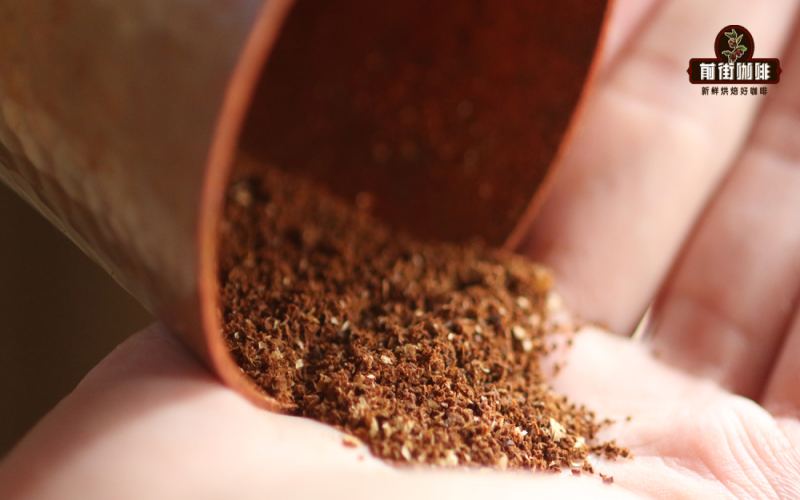
The Ultimate Guide to Storing Coffee Grounds: 3 Key Factors & Practical Tips to Extend Freshness
Once coffee is ground, its flavor begins to deteriorate rapidly. Understanding how oxygen, humidity, and high temperatures affect the quality of coffee grounds is essential knowledge for every coffee enthusiast. This article delves into the main reasons behind the decline in coffee grounds' flavor and provides specific storage methods along with practical test data to help you effectively extend the optimal flavor period of your coffee grounds—ensuring every cup of pour over coffee delivers its best possible taste. [more…]
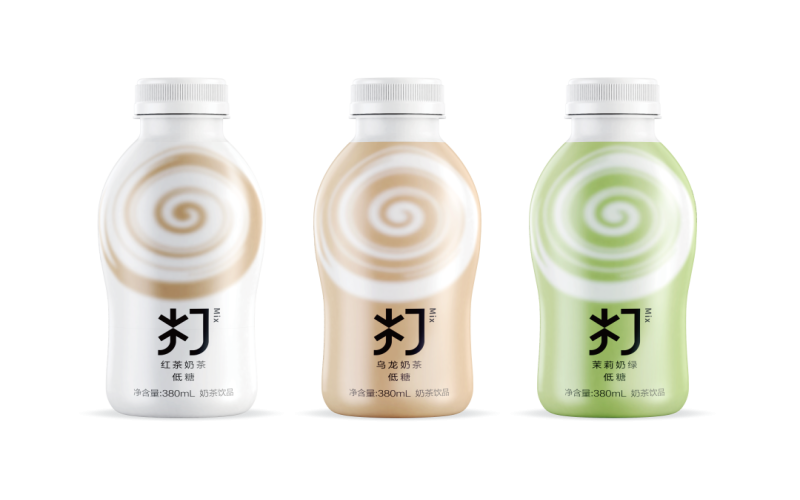
Nongfu Spring’s Da Cha Tea is back: How can a bottled milk tea with 0 added powdered milk challenge the market?
After an eight-year hiatus, Nongfu Spring has once again launched its bottled milk tea series “Da Cha Tea.” This time, it features three flavors: jasmine, black tea, and oolong. The brand emphasizes “0 added powdered milk, tea powder, or flavorings,” and uses concentrated milk in production. What’s the price for the 380ml version? In the multi-billion-yuan ready-to-drink milk tea market, can this new product break through? This article takes you deep into the product features and market outlook. [more…]
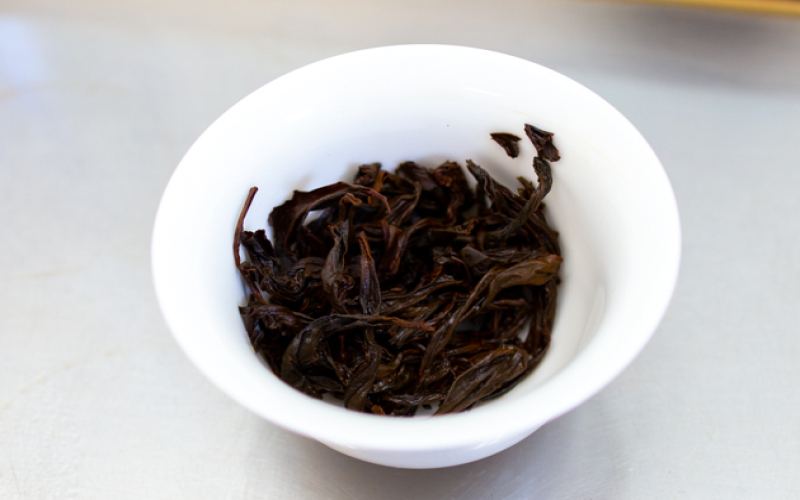
How did Lapsang Souchong black tea come about? The origin of its smoky aroma and the founding story of Tongmu Village
Lapsang Souchong is hailed as the world’s first black tea, originating from Tongmu Village in Wuyi Mountain, Fujian. Made from tender spring buds and processed through a pine wood smoking technique, it yields a deep amber liquor with distinctive aromas of pine and longan. This article not only explores its aromatic characteristics but also takes you back to the late 17th century to uncover how this tea was accidentally born amid wartime chaos and entered the international market under the name “Bohea.” It’s essential reading for both black tea beginners and history enthusiasts. [more…]
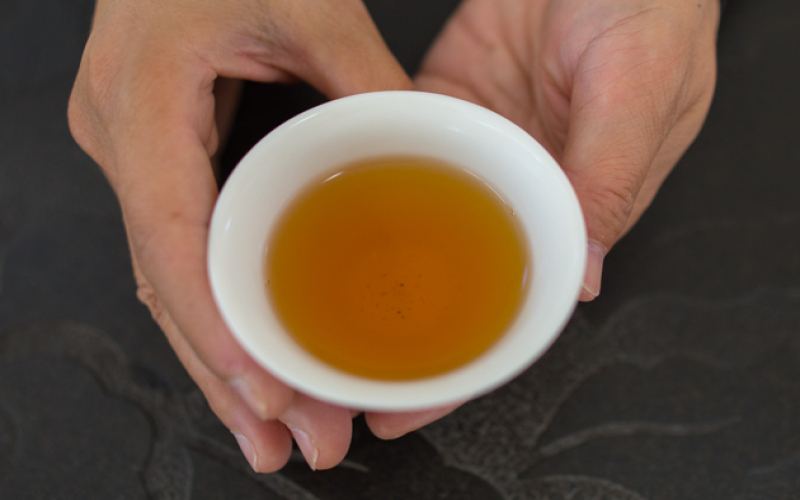
Comparison of the Differences Between Anji Black Tea and White Tea | Analysis of the Production Process and Flavor of Baiye No. 1
Anji black tea is a high-end black tea variety that has garnered significant attention in recent years. It is made from the fresh leaves of the locally unique Baiye No. 1 tea plant in Anji, refined through the fermentation process of black tea. This article will delve into the production background, varietal characteristics, and core flavors of Anji black tea, while also providing a detailed comparison with the original Anji white tea (a green tea). From origin and picking, to oxidation level and flavor layers, you’ll get a comprehensive understanding of the key differences between the two and essential tasting notes. [more…]
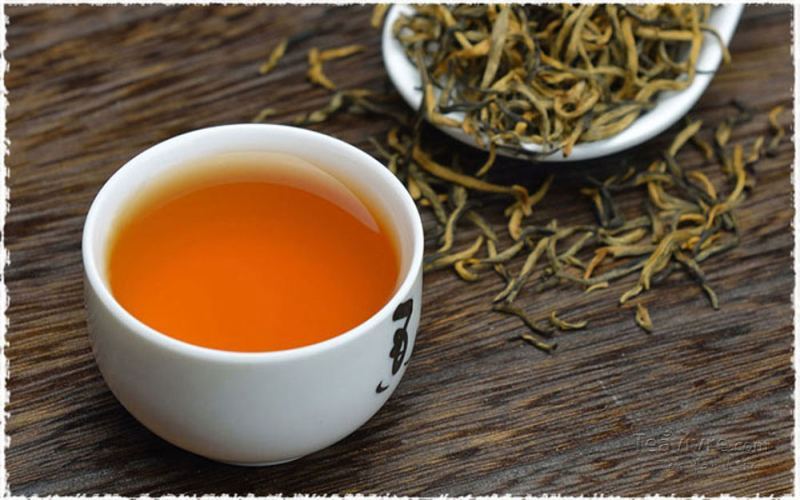
A Comparison of Yunnan Dianhong’s Three Premium Teas: Jingzhen, Jinsi, and Jinya – Differences in Harvesting and Flavor Profiles
This article takes an in-depth look at three premium categories of Yunnan Dianhong—Jingzhen, Jinsi, and Jinya—comparing their plucking standards, bud tenderness, and production techniques. It also explains the subtle differences in their aroma profiles and liquor flavors. Whether you’re new to black tea or a seasoned connoisseur, you’ll learn how to identify high-quality Dianhong and find the one that suits your palate best. [more…]