







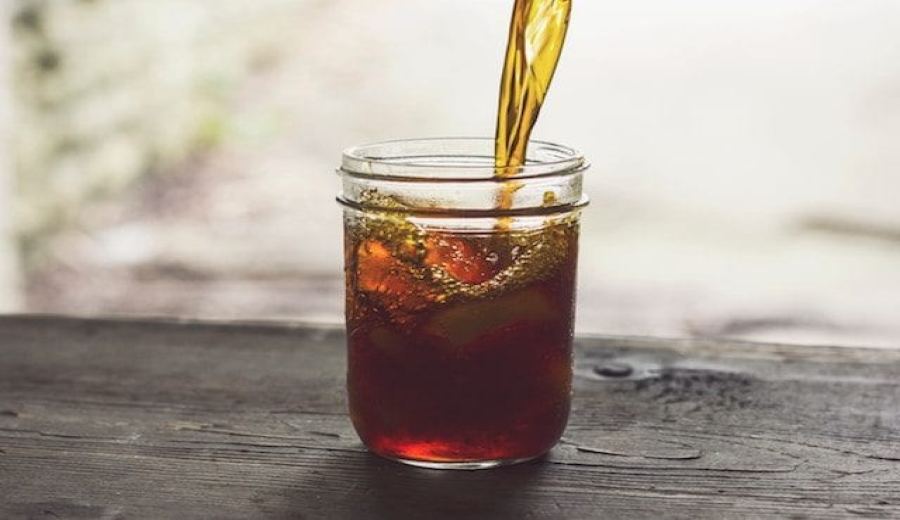
Introduction:Iced black tea is one of the most popular cold beverages in the world, especially beloved in the United States, where over 80% of annual tea consumption is iced tea. But do you know when it was first created? This article takes you on a journey from a flash of inspiration at the 1904 St. Louis World’s Fair to the sweet tea culture of the American South in the 19th century, tracing the evolution of iced black tea and sharing professional-level home brewing tips so you can easily brew a cup with exceptional flavor.
Iced black tea is not just a summer thirst-quencher but also a daily drinking habit for many. According to data from the U.S. Department of Agriculture, Americans consume over 2.2 billion gallons of tea annually, with up to 80% being iced tea — approximately 1.75 billion gallons. That translates to nearly 6.5 gallons of iced tea per person per year, highlighting its immense popularity. Especially in the hot southern regions, chilled sweet tea remains a year-round bestseller. With fast-food chains widely offering iced tea options, overall U.S. tea consumption has more than doubled over the past thirty years.
The widespread popularity of iced black tea across the United States and even globally owes much to the 1904 St. Louis World’s Fair. At the time, tea merchant Richard Blechynden was struggling to sell hot-brewed Indian black tea in the sweltering heat. On a whim, he rapidly chilled his freshly brewed hot tea by passing it through an iced metal tube, inadvertently creating a refreshing iced black tea that became an instant hit and earned him substantial profits that day. This innovation is regarded as a pivotal turning point in bringing modern iced tea to the masses.
However, the story of iced tea did not begin in 1904. Long before the fair, Americans were already drinking iced tea, though at the time it was often a mixed beverage, commonly containing green tea, sugar, sweet cream, and even flavored with white wine, wine, or champagne. The 1839 book The Kentucky Housewife documented an early iced tea recipe, showing that this drink had already become part of local life.
The sweet tea culture of the American South also has a long history. As early as 1879, Marion Cabell Tyree provided the first known sweet tea recipe in her book Housekeeping in Old Virginia, using green tea, sugar, and lemon. By 1884, Mary Todd Lincoln mentioned sweet tea made with black tea in a cookbook published in Boston titled Ice Tea or Russian Tea. Interestingly, although it was called “Russian Tea,” Russians at the time primarily drank hot black tea, so “Russian” likely referred to the type of tea rather than the actual method of consumption.
If you want to replicate a cup of outstanding iced black tea at home, the key lies in tea selection and brewing details. It is recommended to choose black tea with a clear flavor profile, low astringency, and pronounced aftertaste as the base, such as large-leaf black tea from renowned producing regions — its robust liquor is well-suited for cold drinking. During brewing, you may slightly increase the tea-to-water ratio to create a stronger infusion, which helps retain sufficient flavor even after ice is added. After brewing, it is advisable to cool the tea quickly to avoid prolonged standing, which can lead to oxidation or off-flavors.
Additionally, sweetness and ingredients can be adjusted to personal preference. Common pairings include lemon slices, mint leaves, or even other fruit slices to add a refreshing touch. However, it is important to note that the tea should not be too weak, as it may become diluted upon adding ice, affecting the overall flavor. Another professional tip is to use ice cubes made from the same tea instead of regular ice, which prevents the tea from becoming watery as the ice melts and maintains a stable flavor profile.
In summary, the evolution of iced black tea is not just a process of beverage innovation but also reflects the dietary culture and climate needs of different eras. From the mixed teas of the 19th century, to the stroke of genius in 1904, and onward to today’s indispensable iced sweet tea in American daily life, each stage embodies the pursuit of flavor and convenience. With the right tea selection, brewing techniques, and cooling methods, you too can easily enjoy a professionally brewed iced black tea at home.
The above content is compiled by CoffeeHunters, a coffee news website.


