







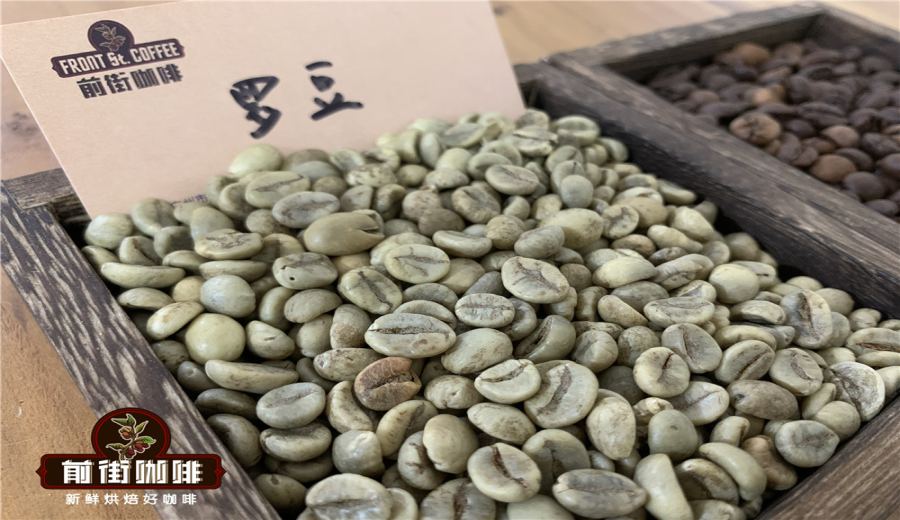
Introduction:Robusta coffee beans are often regarded as synonymous with cheapness and bitterness, standing in stark contrast to specialty coffee. But did you know that they were once the star of the market and are still widely used in instant coffee and espresso blends today? This article delves into the origins, flavor characteristics, and differences between Robusta and Arabica, explores why it is so inexpensive, and provides real market reference prices to help you gain a more comprehensive understanding of this often misunderstood coffee variety.
The world’s major commercial coffee varieties can be divided into three main categories: Arabica, Robusta, and Liberica, of which only the first two hold significant commercial value. In the world of specialty coffee, Robusta is almost never considered mainstream—many cafés even promote their products as “100% Arabica” as a key quality assurance message. Robusta is often labeled as “cheap” or “bitter,” but it actually had its own golden era and is still widely used in instant coffee and Italian-style blends. This article will explore Robusta’s historical origins, flavor traits, and differences from Arabica, analyze the reasons behind its low price, provide per-jin market reference prices, and include some real retail case studies for reference, helping coffee enthusiasts develop a fuller understanding of this variety.
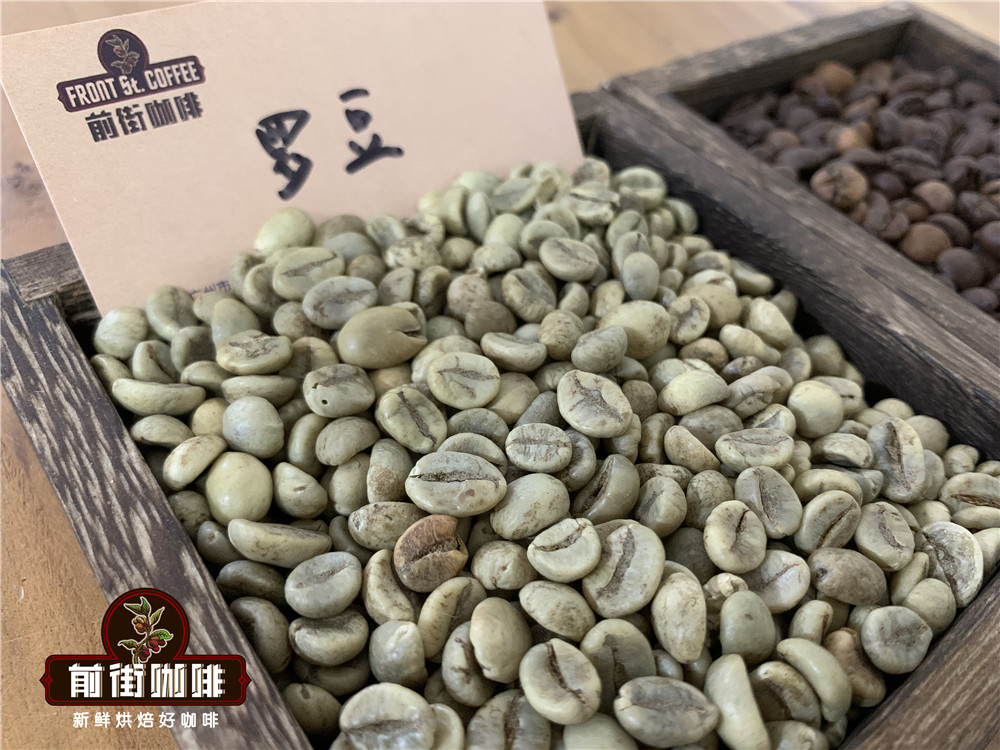
Coffee varieties can generally be categorized into Arabica, Robusta, and Liberica, but only the first two have widespread commercial value. Within the discourse of specialty coffee, Robusta has almost no foothold. Consumers often see businesses emphasizing that their products are “100% Arabica,” as if sending a message: Arabica is the favored specialty, while Robusta is the cast-off supporting role.
Robusta actually shares the same birthplace as Arabica—Africa. Arabica is a small-bean variety, originating from the high-altitude mountainous regions of Ethiopia. Over time, it was exported worldwide via the Port of Mocha and, through long-term selective breeding and adaptation, gradually evolved into well-known varieties such as Typica, Bourbon, Geisha, and Caturra—all classified under the Arabica species.
In contrast, Robusta is a medium-bean coffee, native to the Congo Basin in West Africa. Botanically speaking, its formal name is “Canephora,” belonging to a different species under the Coffea genus, just like Arabica. Robusta is the only variety within Canephora that has been commercially cultivated on a large scale, with most others remaining in the wild. Because nearly all commercially available medium-bean coffee is Robusta, many people equate medium-bean coffee directly with Robusta. It’s worth noting that Arabica was domesticated several centuries earlier than Robusta, which was only discovered in the Congo region by a Belgian botanist in 1898. Later, due to the global spread of coffee leaf rust, Robusta was gradually introduced to affected growing areas because of its strong resistance to disease.

Robusta was once a market favorite. Due to its high caffeine content and rich crema, it was commonly used to make strong coffee beverages during the height of espresso’s popularity—especially in an era when caffeine intake was seen as the primary goal. Robusta’s bold characteristics made it highly sought after.
However, with the rise of the specialty coffee concept, consumers began to pursue regional flavors and delicate taste profiles. Robusta’s inherent bitterness, along with its common flavors such as walnut, peanut, hazelnut, and smokiness, gradually came to be seen as drawbacks. In comparison, Arabica—after years of optimization in origin and variety—can showcase a richer and more varied range of fruitiness and acidity, naturally becoming the market’s preferred choice. For many consumers, Robusta’s flavor profile is simply less appealing than that of Arabica, which is also a key reason for its gradual marginalization.
If flavor is the primary evaluation criterion for specialty coffee, then Robusta is inherently at a disadvantage. Lightly roasted Arabica can present enchanting floral notes, citrus tones, and bright acidity, making it highly popular. But when Robusta is lightly roasted, it often releases bland, grainy, or almond-like flavors, sometimes accompanied by unpleasant, chaotic acidity—making it hard to enjoy. Overall, current Robusta quality has almost no competitiveness in the light-roast category.
Shifting to dark roasting, Robusta’s bitterness is amplified to the extreme. While this also brings out intense aromas, for many drinkers it may be overly harsh. For example, in Vietnam, where Robusta is the dominant coffee, many locals add sweetened condensed milk or even egg to their black coffee to soften its intense bitterness. This reflects a reality: Robusta has its own unique flavor profile, though it may not align with the general public’s definition of “good coffee.”
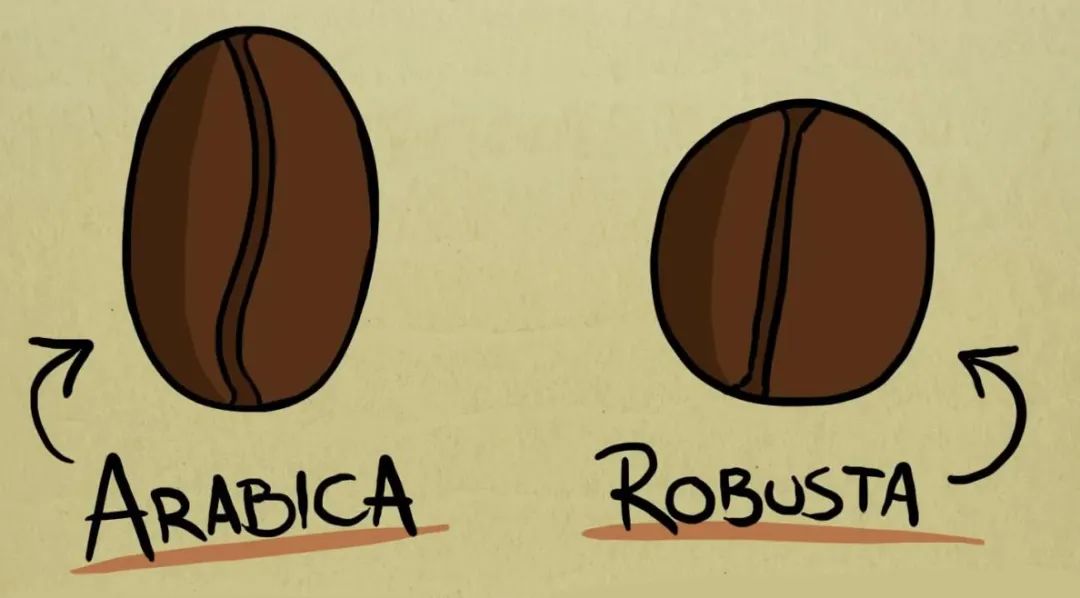
Some have also proposed: if Robusta is grown at high altitudes, could its flavor be improved? Indeed, some producers have experimented with cultivating Robusta in high-altitude environments using refined management practices, hoping to reduce its typically coarse and off-putting flavors. For instance, India’s so-called “specialty Robusta,” produced using cultivation standards close to those of specialty Arabica, yields beans with cleaner flavors—free from the unpleasant odors common in cheap Robusta—and instead presents rich notes of nuts, peanuts, and wheat, with a thick and stable mouthfeel.
However, even with improvements in flavor quality achieved through high altitude and careful cultivation, Robusta’s genetic nature still limits its upper threshold in flavor expression. This doesn’t mean Robusta is necessarily inferior to Arabica, but the public’s coffee evaluation standards are still predominantly based on Arabica. Under this premise, it’s not easy for Robusta to stand out. In fact, some consumers actually appreciate its bold and intense character—it’s just that such preferences haven’t yet become mainstream.
Since Robusta’s flavor performance is less than ideal, what is its primary use? The answer is simple: price and functionality. Take ordinary Robusta from Brazil, for example—it typically costs only about half as much as ordinary Arabica, offering a clear economic advantage. Additionally, Robusta generally has higher body and caffeine content than Arabica, two characteristics that make it the preferred raw material for instant coffee and certain industrial coffee applications.
Of course, there are also some higher-quality Robustas on the market, with outstanding caramel aromas and rich crema, used in premium espresso blends or sold as single-origin offerings. If you’re interested in trying traditional-style espresso, you might want to look for blends that include Robusta—these often feature buttery, nutty, spicy, and dark chocolate notes, with thick crema and a strong mouthfeel. When paired with professional latte art, they can deliver a coffee experience with both visual and flavor impact.

For example, certain Robusta varieties from Vietnam, while carrying rich milky and creamy tones, also have quite pronounced bitterness. It’s recommended to drink them with milk to better balance their flavor profile. However, for coffee enthusiasts who seek bright fruit acidity and delicate flavors, Robusta may not be the first choice—but understanding its existence and characteristics will undoubtedly give you a more well-rounded view of the diverse world of coffee.
The above content is compiled by CoffeeHunters, a coffee news website.


