







Introduction:The Huacai coffee has garnered widespread attention in recent years for its rich floral and fruity aroma, as it is grown in Ethiopia’s Hambella region and belongs to the Arabica heirloom variety. This article delves into the varietal origins of Huacai, the characteristics of the Hambella growing area, and its natural processing method, while also sharing practical cold brew parameters and tips—so you can easily brew a flavorful Huacai cold brew at home.
Huacai coffee is a standout Ethiopian natural-processed bean that has attracted much attention in recent years, renowned for its vibrant floral and fruity notes. Sourced from the Hambella region, this coffee is part of the Arabica heirloom varieties—not only does it offer a unique flavor profile, but it also showcases the diverse potential of Ethiopian coffee. This article will guide you through the background of the Huacai variety, the environment of the growing region, and the highlights of its natural processing, along with a detailed cold brew method so you can enjoy a professional-level coffee experience at home.
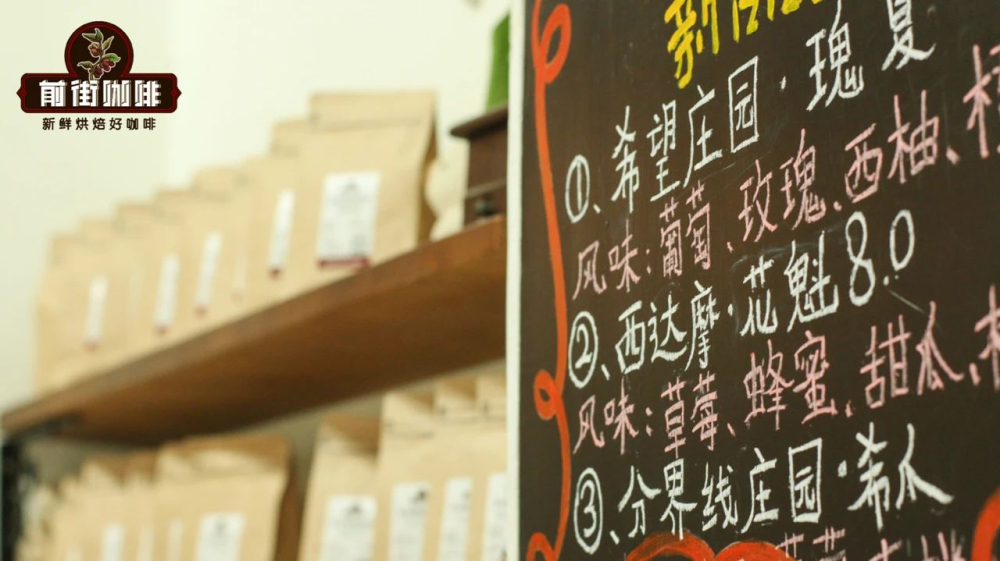
Huacai coffee belongs to the native varieties of Ethiopia’s Sidamo region and first gained market attention after winning an award in the 2017 TOH competition. These coffee beans are typically processed by the Buku Abel washing station using the natural method, which enhances the fruitiness and sweetness. One coffee brand chooses a medium-light roast during roasting, aiming to preserve more floral notes, acidity, and delicate layers, resulting in a more vibrant and full-bodied overall flavor.
Many beginner coffee enthusiasts often ask: What variety is Huacai? In fact, it is one of Ethiopia’s many “heirloom” (native) varieties. Ethiopia is the birthplace of coffee, home to tens of thousands of Arabica varieties, many of which have not yet been scientifically classified. Due to the challenges in varietal identification and the government’s intention to protect genetic diversity, these unnamed varieties are collectively referred to as “Heirloom.” These native varieties grow in suitable microclimates and high-altitude environments, giving Huacai its captivating aromas and fruity characteristics.
The so-called natural processing method involves spreading freshly harvested red coffee cherries directly under the sun, allowing the sugars and flavor compounds in the fruit pulp to seep into the seeds—it is the most traditional and common processing method in Ethiopia. Statistics show that about 70% of Ethiopian coffee is processed this way. Compared to washed processing, natural beans generally have higher sweetness, softer acidity, a fuller body, and a more complex flavor profile. Especially in high-altitude regions like Hambella, natural processing better highlights the complexity of berries, spices, and floral notes.
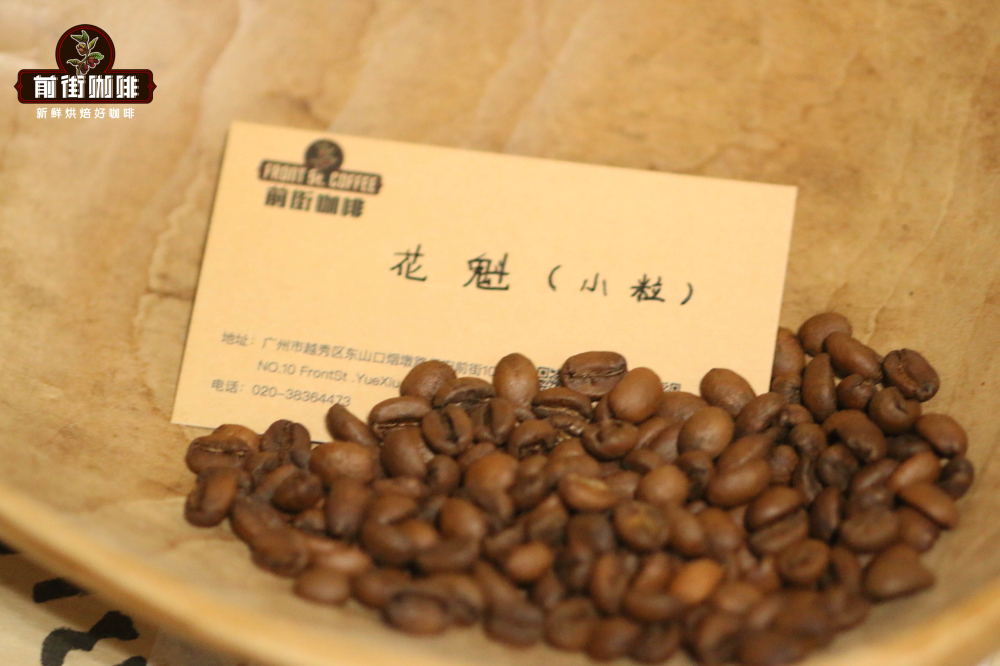
When talking about Huacai, one must mention Hambella—a sub-region located at the border between Sidamo and Guji, currently under the jurisdiction of the Guji region. Hambella has an average altitude of over 1,800 meters, with some areas reaching up to 3,200 meters, making it one of the highest-altitude coffee-growing areas in Ethiopia. The soil here is fertile black earth with high organic matter content, and the large diurnal temperature variation provides ideal growing conditions for coffee trees. It’s worth noting that Guji was once part of Sidamo until 2010, when it was designated as an independent region by the ECX (Ethiopia Commodity Exchange) due to its distinctive flavor characteristics.
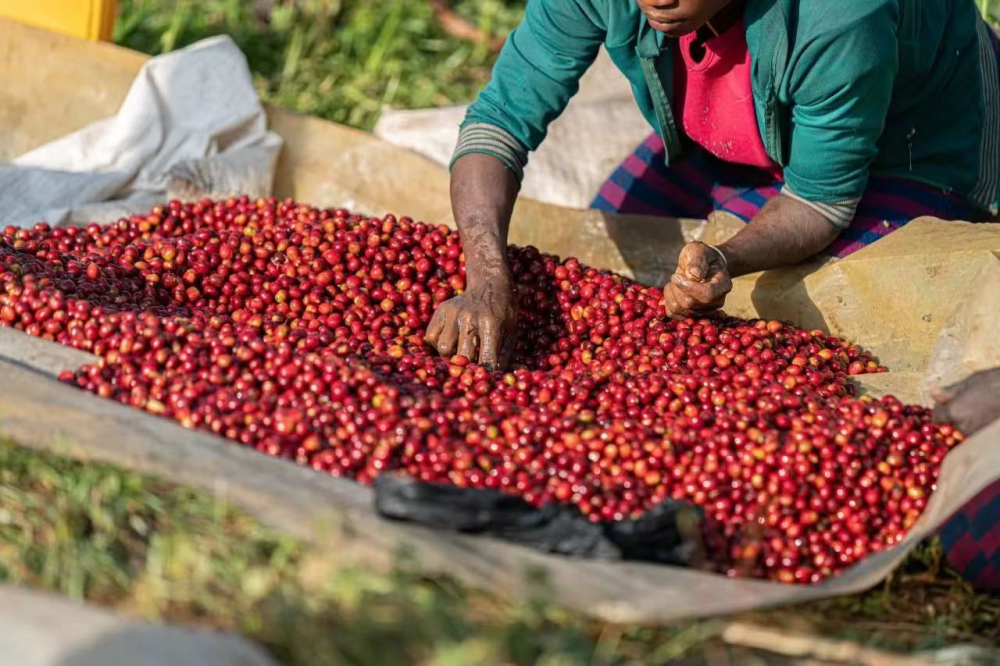
The name Huacai originates from its growing region, “Hambella.” This coffee is processed by the Buku Abel washing station, which purchases red cherries from nearby farmers and rigorously selects fruits with a sugar content of 30 or above. During the coffee harvest season (usually December to January), farmers pick the ripe cherries and process them using African raised beds for about 18 days of natural drying. Throughout the drying period, farmers avoid the intense midday sun and protect the cherries from rain at night, while continuously turning them to ensure even drying—eventually reducing the moisture content to 13% before hulling.
To highlight Huacai’s fruity aroma and rich mouthfeel, one coffee brand typically uses a medium-light roast. In cupping, this natural-processed Huacai exhibits notes of nuts, honey, berries, and subtle fermentation aromas. When sipped, one can taste a balanced acidity and sweetness of passionfruit, strawberry, and cream, with a full body and a warm cocoa-like finish. The overall flavor is bold and layered.
If you’d like to try making Huacai cold brew at home, here’s a practical recipe: Use 50 grams of Huacai 8.0 coffee beans with 600 milliliters of room-temperature water. The recommended grind size is similar to that of fine sugar (approximately 80% through a #20 sieve). Pour the coffee grounds into a cold brew maker, add room-temperature drinking water, stir well, seal it, and refrigerate for 8 to 12 hours. After brewing, it’s recommended to filter using a filter cup and paper filter for a clearer taste. For a flavor closer to that of a café, let it sit in the refrigerator for another 3 to 4 hours after filtering to allow the flavors to mellow further.
Huacai cold brew offers a taste of dark berries and black tea upon entry, with a refreshing mouthfeel and solid structure. It’s recommended to add 1 to 2 ice cubes, which can slightly lower the concentration while adding a cool sensation—like a fruit tea bursting with fruity notes. Please note that since cold brew is extracted at low temperatures, its optimal flavor period is within 5 days of preparation. For the best experience, it’s advised to consume it as soon as possible.
The above content is compiled by CoffeeHunters, a coffee news website.


