







Category: Coffee Knowledge

Introduction to Guangdong Oolong Tea Ya Shi Xiang Dan Cong: A Comprehensive Guide to Its Flavor Profile and Cold Brew Method
As one of the famous Fenghuang Dan Cong teas from the Chaoshan region of Guangdong, Ya Shi Xiang Dan Cong is beloved by tea enthusiasts for its unique aroma and layered taste. This article will provide a detailed introduction to the origin, naming anecdote, tea characteristics, and brewing suggestions for Ya Shi Xiang, including whether it is suitable for cold brewing, helping you gain a deeper understanding of this standout oolong tea variety. [more…]
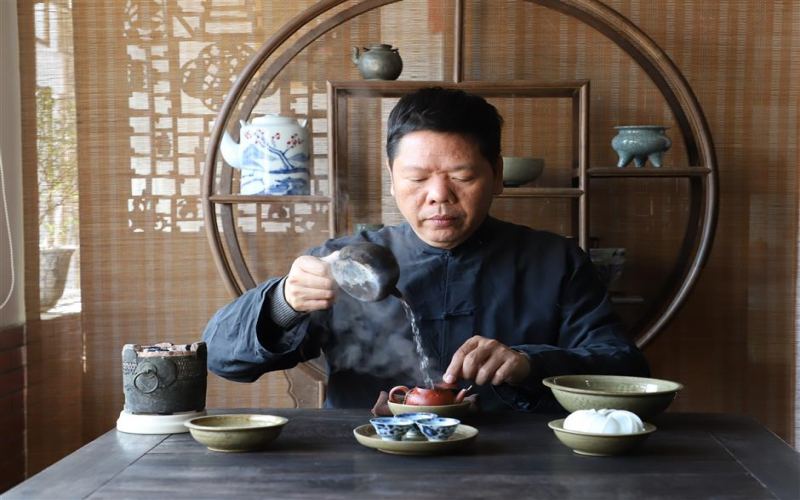
How to Brew Ya Shi Xiang Dan Cong Oolong Tea? A Complete Guide to Its Name Origin & 6-Step Production Process
Ya Shi Xiang Dan Cong Oolong tea has an unusual name that often raises eyebrows—does it really smell foul? In fact, it’s one of the most aromatic varieties among Phoenix Dan Cong teas. This article delves into the unique origin of its name, the growing environment and characteristics of the tea plant, details the six key processing steps from harvest to final product, and offers recommendations for brewing with a gaiwan. Discover its layered aroma of floral, fruity, and almond notes, along with its long-lasting aftertaste, and unravel the intriguing contrast between its name and true tea quality. [more…]
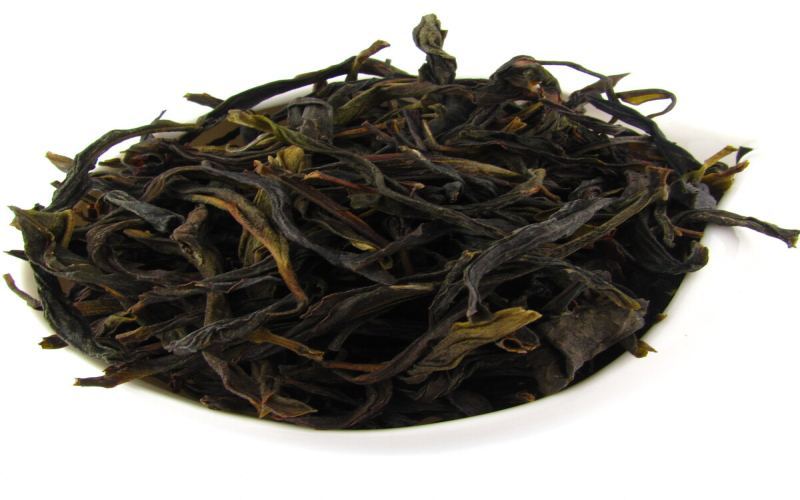
Getting Started with Ya Shi Xiang Dan Cong Oolong | A Complete Guide to the Charming Tea from Chaozhou and Its Artful Brewing Methods Behind the Unusual Name
With its distinctive name and captivating floral-fruity aroma, Ya Shi Xiang Dan Cong Oolong has become a must-try for oolong tea enthusiasts. But do you know the origin of this peculiar name? This article delves into its production background, craftsmanship, and richly layered flavor profile, while also providing professional-level gongfu tea brewing parameters—from water temperature control to steeping time—to help you master the key techniques and fully experience the refined charm of this Chaozhou tea. [more…]
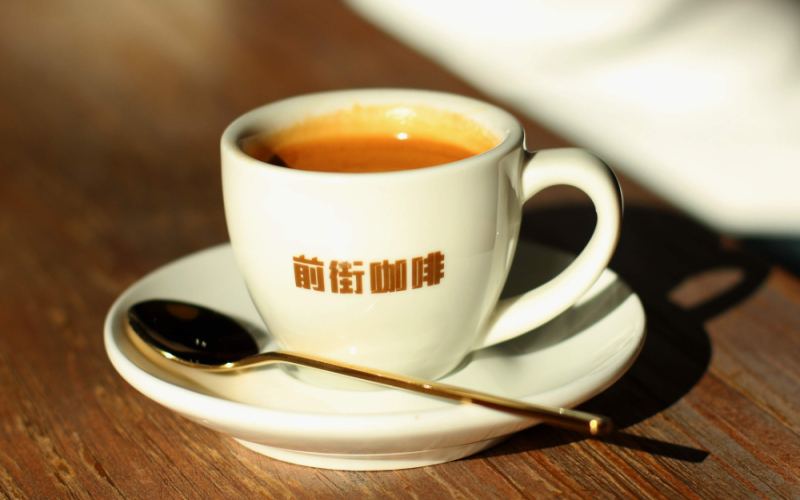
Analysis of the Characteristics of Indonesia's Mandheling Coffee Region | SOE Brewing and Flavor Recommendation Guide
Mandheling is often mistakenly thought to only have a strong bitter taste, but in fact, a high-quality Mandheling can showcase captivating dark cocoa and herbal aromas, with a full-bodied mouthfeel and a long-lasting aftertaste. This article delves into the characteristics of Indonesia’s main Mandheling coffee regions, introduces their flavor profiles and suitable roast levels, and provides detailed explanations of espresso SOE brewing parameters and latte preparation methods. It also recommends two representative beans—Lintong Mandheling and PWN Golden Mandheling—to help readers gain a more comprehensive understanding of this classic Southeast Asian coffee. [more…]
Ethiopia Yirgacheffe & Sidamo Huakui 6.0: A Comprehensive Guide to Regional Characteristics, Processing Methods, and Pour Over Techniques
Dive deep into Ethiopia’s two classic regions—Yirgacheffe and Sidamo—to understand how different processing methods create unique flavor profiles. This article explores the bright citrus notes of washed Yirgacheffe and the berry-cream flavors of natural Sidamo Huakui, while also detailing the historical evolution and naming origins of Huakui coffee. Additionally, it provides optimal V60 pour over parameters and practical brewing techniques to help coffee enthusiasts master the key points of brewing and savor authentic Ethiopian specialty coffee. [more…]
How to Brew Colombian Sakura Coffee Beans? Complete Guide to Double Anaerobic Washed Process & Pour Over Parameters
These Sakura coffee beans from Paradise Estate in Colombia’s Cauca region are renowned for their double anaerobic washed processing method. Combining the unique genetics of the Castillo variety, they deliver a surprising blend of strawberry sweetness and rosemary aroma. This article delves into the origin background and innovative processing technique, while providing practical V60 pour over parameters and flavor notes to help you fully master the brewing techniques and tasting highlights of this specialty coffee bean. [more…]
Complete Guide to Ethiopian Huaguang Coffee: Variety Origins, Roasting Techniques, and Pour Over Parameters
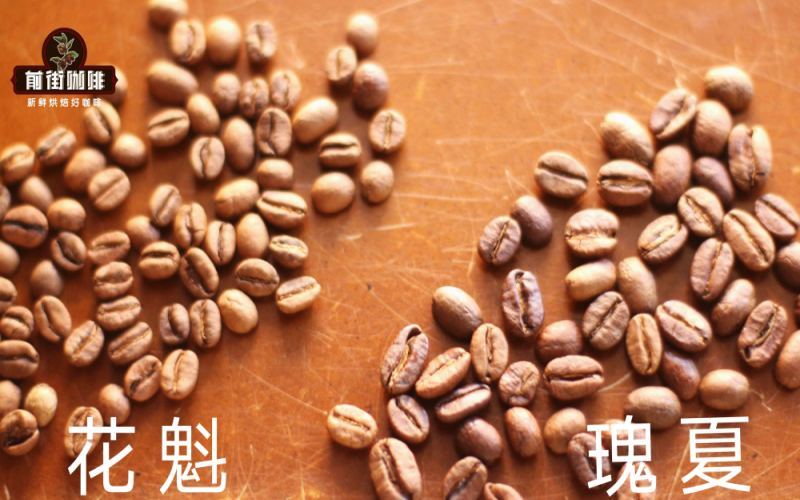
Since winning the TOH Natural Category Championship in 2017, Huaguang coffee has gained widespread fame but is often mistaken for Geisha. This article delves into the varietal background of Huaguang, its differences from Geisha, the significance of its production region and numbering, and provides a detailed breakdown of its roast curve and pour over parameters to help coffee enthusiasts fully grasp the characteristics and charm of this popular bean — from origin to brewing. [more…]

Office Tea Guide: How to Choose Between Loose Leaf Tea and Tea Bags? Tips on Black Tea for Energy and Selection
In the office, coffee is often the go-to choice, but tea can actually be a great alternative for both energy and health. This article provides an in-depth analysis of the differences between loose leaf tea and tea bags, explores which is more suitable for the office environment, and explains the energizing effects of black tea along with the relevant scientific basis. It also offers practical brewing tips and brand recommendations to help you find the right balance for a good cup of tea during a busy workday. [more…]
Unveiling the Origins of Ethiopian Huacai Coffee Beans: Differences Between the 6.0 and Small Bean Versions & Brewing Parameters
Since winning the TOH Natural Category Championship in 2017, Huacai coffee beans have captivated the world with their smooth strawberry cream flavor and rose-like floral aroma. However, with the subsequent release of the Huacai 6.0 and small bean versions, many consumers have been confused about the differences in their growing regions, varieties, and processing methods. This article will delve into the evolution of the native variety from the Guji-Hambela region, compare the characteristics of each version, and provide practical pour over recommendations to help you better grasp the unique charm of this high-value-for-money natural-processed bean. [more…]
A Complete Guide to Yirgacheffe Coffee: Flavor, Grade & Processing Method Introduction
Yirgacheffe is a representative high-altitude producing region in Ethiopia, renowned for its unique floral and fruity aromas. This article delves into its citrus and floral flavor profiles, compares the flavor differences between washed and natural processing methods, and provides a detailed breakdown of the Grade G1 to G4 standards. Readers will learn how to identify high-quality beans and key points to consider when purchasing. [more…]
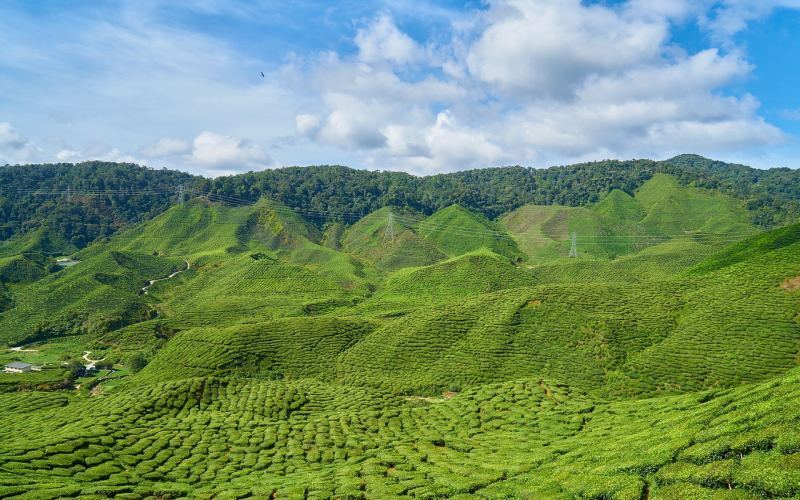
India Lifts Tea Production and Sales Controls: Quality Risks, Market Shifts, and Buying Advice
The Indian government has recently relaxed restrictions on tea cultivation, raising concerns within the industry about quality control and supply-demand imbalances. This article delves into the background of the policy changes, compares key differences between Indian and Chinese black teas, and offers expert buying advice to help coffee enthusiasts and tea drinkers stay informed on the latest market trends. [more…]
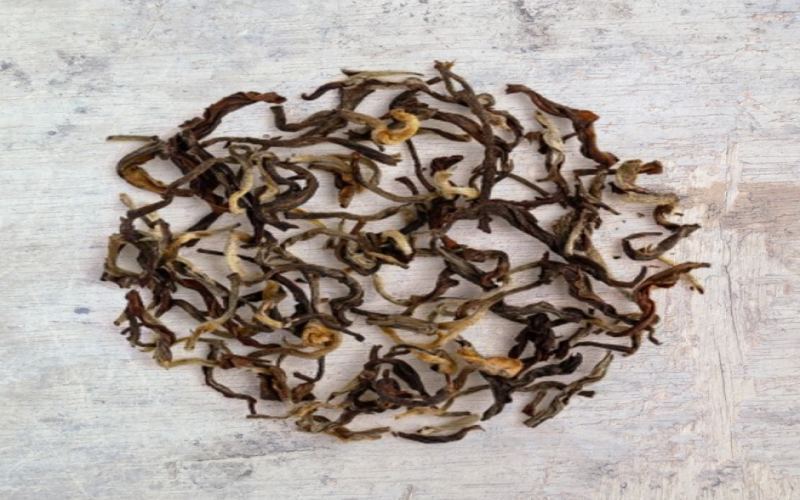
Loose Leaf Tea vs. Tea Bags: 5 Key Advantages Explained – Elevate Quality and Flavor
Are you accustomed to brewing tea with tea bags but have never truly explored the charm of loose leaf tea? Loose leaf tea not only significantly surpasses tea bags in terms of tea quality and flavor complexity, but also demonstrates unique value in health and environmental friendliness. This article will guide you through five key aspects to understand how loose leaf tea can bring a richer tea-drinking experience, along with practical tips to help you choose higher-quality daily tea options. [more…]
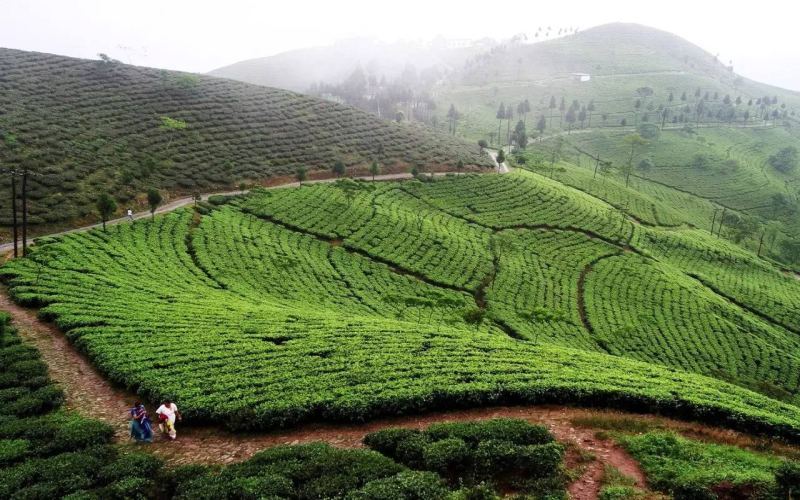
How to drink Nepalese black tea? How does smallholder farming affect flavor and quality
Although Nepal’s black tea industry started relatively late, it has gradually carved out a niche in the specialty tea market thanks to its unique smallholder farming model. This production method, where hundreds of small farmers each cultivate tea that is then consolidated and processed by factories, results in greater fluctuations in quality—but also gives rise to many unexpectedly delightful flavor highlights. This article will delve into the distinctive taste characteristics of Nepalese black tea, its terroir background, and the deeper impact that smallholder management has on quality and sustainability. [more…]
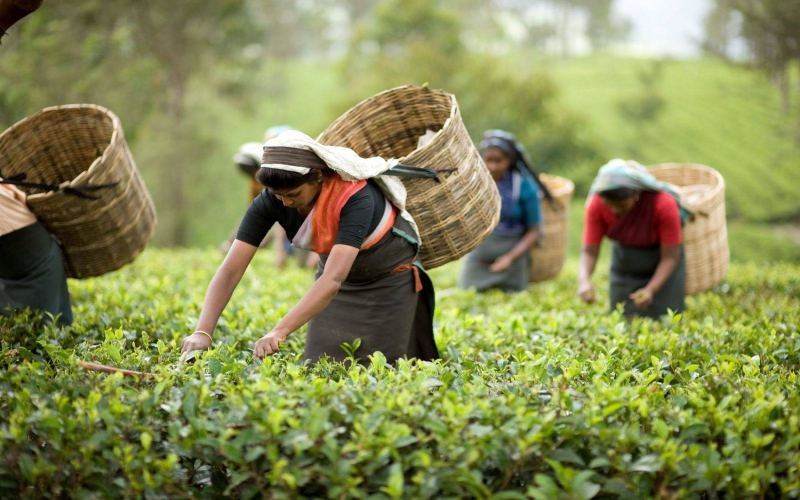
Nepal vs. Darjeeling Black Tea: A Comprehensive Analysis of Flavor and History in Two Major Himalayan Regions
The two high-altitude black tea regions in the eastern Himalayas—Nepal and Darjeeling—both boast exceptionally unique geographical environments, yet have taken vastly different developmental paths. This article delves into their regional histories, current states, and flavor differences to offer an in-depth analysis of what makes these two celebrated black teas so distinctive among specialty tea enthusiasts, helping you make more informed choices when purchasing or tasting. [more…]
Where does the honey-like aroma in black tea come from? Unraveling the key influence of six major tea compounds
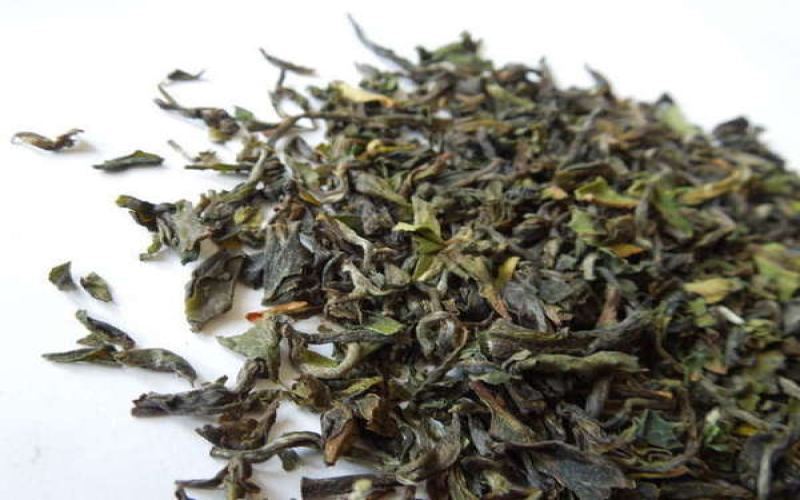
The unique honey-like aroma of black tea actually stems from the subtle interaction of six key compounds within the tea plant. These components not only create layers of flavor but also vary with the season, tea variety, and picking technique. This article takes you deep into how substances such as amino acids and polyphenols shape the richness and aroma of black tea, and analyzes the differences between spring and summer teas—allowing you to better appreciate the refinement and science behind each sip. [more…]
Analysis of Darjeeling Black Tea Varieties and Origins: The Three Major Camellia Species and Flavor Keys
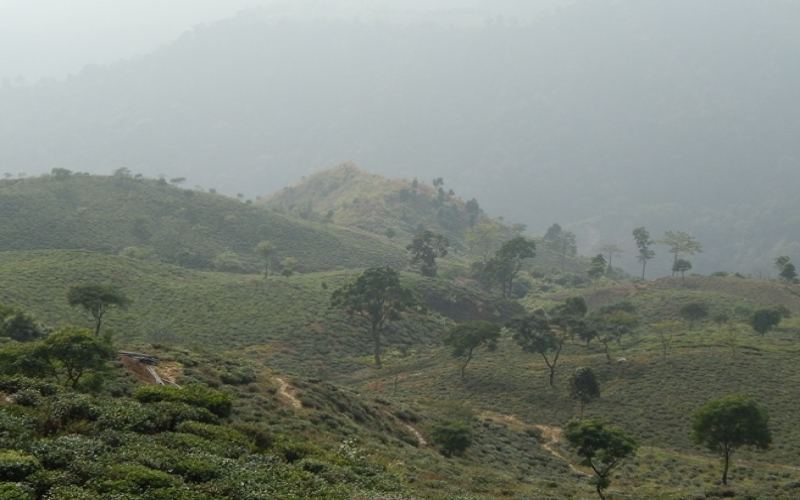
Darjeeling black tea is world-renowned for its unique floral-fruity aroma and alpine character, but it’s the tea plant varieties and growing environment behind them that are the true keys to its flavor. This article takes an in-depth look at the three major species of the Camellia genus—China type, Assam type, and Cambodia type—exploring how they adapt to Darjeeling’s high altitude and variable climate, and explaining how soil, altitude, and climate together shape the layered complexity of the black tea. Understanding these fundamentals helps in selecting and appreciating truly premium Darjeeling black tea. [more…]
Unveiling the Origins of Darjeeling Black Tea | A Comprehensive Analysis of India’s Mountain City Altitude and Annual Production
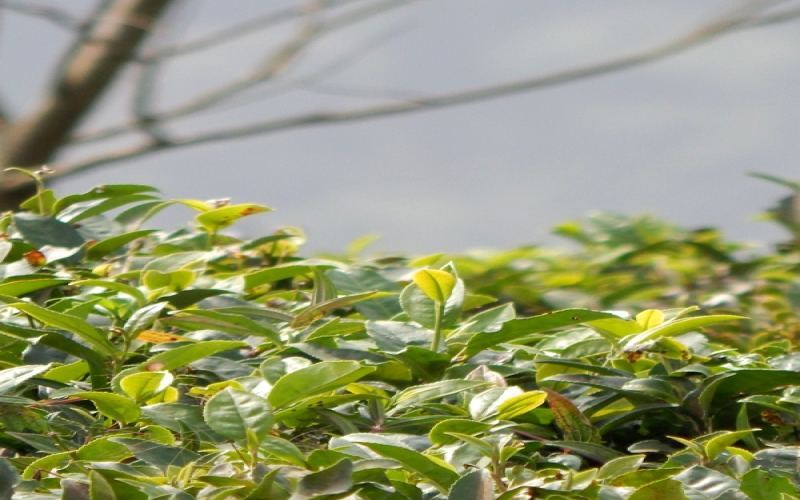
Darjeeling black tea is world-renowned, but do you know which mountain city in India it comes from? This small town located at the southern foothills of the Himalayas boasts unique geographical and climatic conditions that nurture world-class high-altitude black tea. This article delves into Darjeeling’s geographic location, climate features, tea garden distribution, and economic structure, taking you behind the story and providing practical information about this classic black tea. [more…]
Darjeeling Glenburn Tea Estate Tour | How Altitude and Season Affect Black Tea Flavor
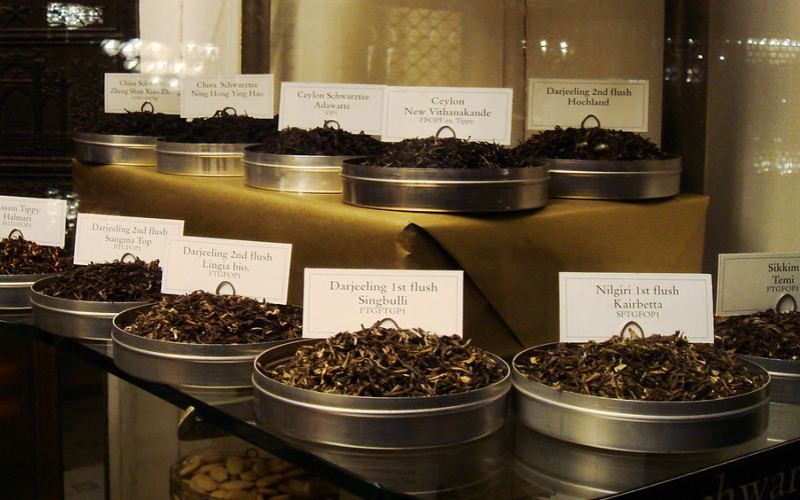
Darjeeling black tea is renowned for its distinctive floral-fruity aromas and alpine charm. As a representative example of colonial-to-modern estate management in the region, Glenburn Tea Estate not only preserves its historic architecture but also offers an in-depth tea culture experience. This article explores the geographical advantages and detailed growing conditions of the estate, and based on climate factors, identifies the optimal travel periods—helping you avoid the humid monsoon season and time your visit to enjoy the fresh spring and autumn harvest teas at their peak. [more…]

Brewing Professional-Grade Americano at Home: A Guide to Espresso Extraction Ratios and Blend Selection
Want to easily brew a pot of classic Americano with rich flavor and beautiful crema at home? The key lies in mastering the perfect ratio of espresso to water and choosing the right coffee beans. This article takes you in-depth into the golden extraction parameters for Americano, recommends two highly popular blends, and details every step from grind adjustment to iced Americano preparation—so you can enjoy café-quality richness even at home. [more…]
A Comprehensive Guide to Global Specialty Coffee Brands: From Blue Bottle to Pour Over Flavor Profiles
Dive into the founding stories and core characteristics of internationally renowned coffee brands such as Blue Bottle Coffee, Starbucks Reserve, and %Arabica, while also focusing on the roasting philosophy of a local Guangzhou coffee brand. This article not only analyzes the historical background and product positioning of each brand but also provides practical references for selecting coffee beans and appreciating flavors, helping you find your ideal coffee experience. [more…]