







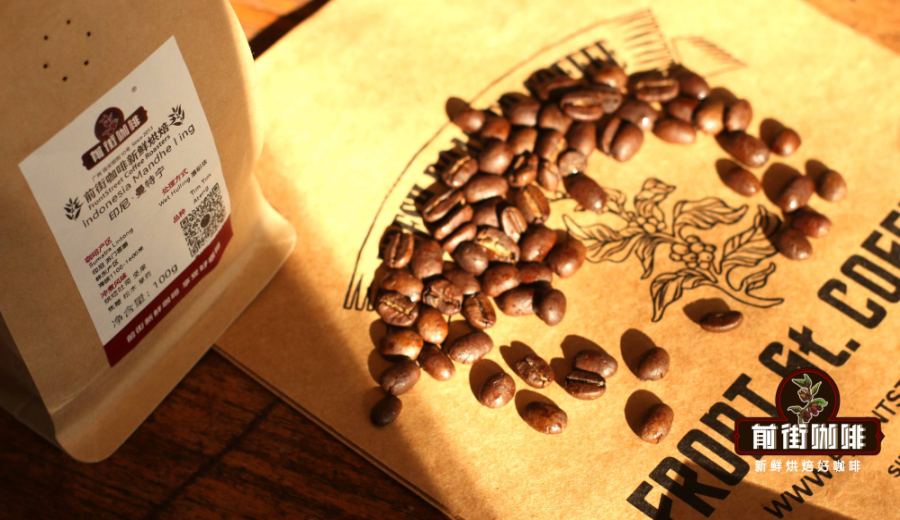
Introduction:Looking for a pour over coffee bean with a rich flavor yet low acidity? Indonesian Mandheling stands out as a top choice for many coffee enthusiasts, thanks to its low acidity, bold body, and unique earthy aroma. This article takes an in-depth look at the wet-hulled processing method of Mandheling — from pulping and fermentation to multi-stage drying — explaining how this distinctive technique shapes its vivid character. We also recommend the highly popular Golden Mandheling, allowing you to savor the perfect balance between cleanliness and intensity.
Want to pick a coffee bean that’s great for pour over, full-bodied, and not sour or astringent? Indonesian Mandheling is definitely worth adding to your coffee bean list. This classic Indonesian coffee is known for its low acidity and heavy mouthfeel. It’s smooth on the palate with layers of flavor, offering a well-balanced bitterness and sweetness. Though not high in acidity, it still carries a hint of bright, refreshing acidity, complemented by rich aromas and a subtle earthy note, making the overall flavor profile more dynamic and captivating.
The reason Mandheling has such a unique personality lies in Indonesia’s distinctive wet-hulled processing method.Wet hulling differs from common washed or natural processing methods.It not only affects the coffee’s clarity but also directly shapes its bold, rich taste and distinct regional characteristics. Below, we’ll break down the wet-hulling process in detail to show you how each step influences the final cup.
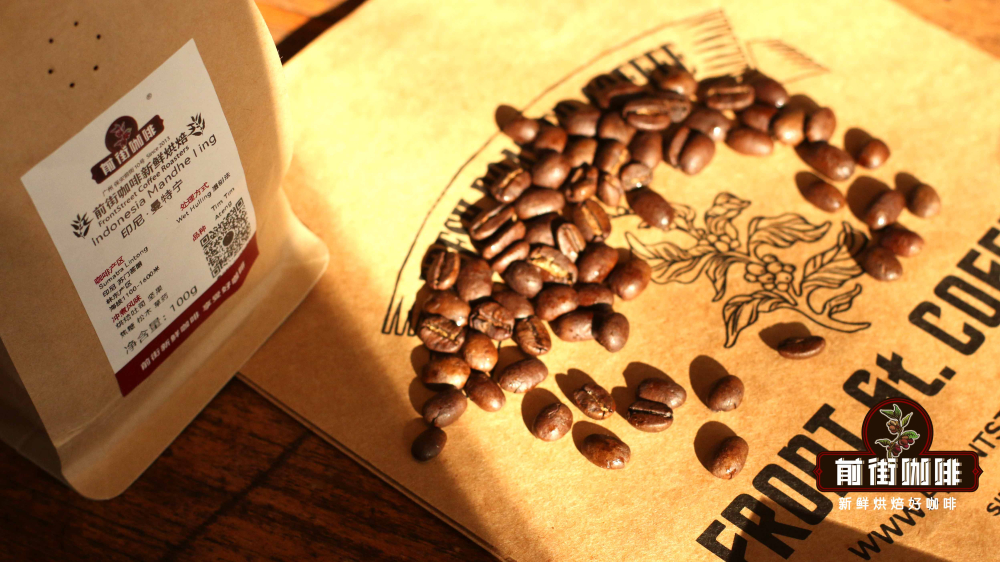
The wet-hulling process can be divided into several stages, starting withpulping and mucilage removal.After harvesting, the coffee cherries are quickly stripped of their outer skin and some of the pulp — usually done manually by smallholder farmers to ensure the pulp doesn’t stay on too long and negatively affect the flavor.Next comes the washing stage,where removing the mucilage is key. The beans are typically soaked in water for about 1 to 2 hours, and the surface mucilage is rubbed off through friction.
After washing, the beans undergoinitial drying,usually done at the farmers’ homes. The goal is to reduce the moisture content to between 20% and 35%. At this stage, the beans still have a sticky mucilage layer and haven’t fully stabilized.The beans after initial drying are sent to market for trade,at which point they still appear sticky and require further processing.
At the processing mill, these beans go throughsecondary drying,further reducing the moisture content to around 18% in preparation for the upcoming wet-hulling step.The most distinctive feature of wet hulling is removing the parchment and mucilage layers before the beans are fully dry,which is very different from washed processing where the parchment layer is usually retained until just before export. This step is crucial in wet hulling, as it accelerates flavor development and contributes to a bold, intense taste.
Finally, the wet-hulled beans go throughfinal drying,bringing the moisture content down to around 11%, after which they’re bagged and stored in dry warehouses, awaiting export. Every step of the process, from harvest to factory release, plays a profound role in shaping the final coffee flavor.
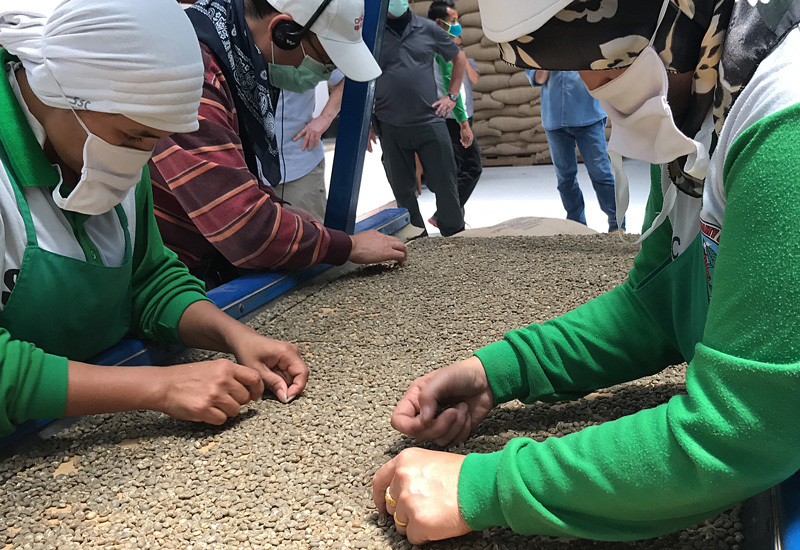
If you want to experience the top-tier flavors of Mandheling, tryGolden Mandheling.This bean, carefully selected by Indonesia’s renowned green coffee supplier PWN (Pusat Niaga Wangi), not only boasts a rich and full flavor but also exceptional cleanliness, with almost no off-flavors or impurities. The selection criteria for Golden Mandheling are extremely strict. Although there are many products on the market that claim similar names, most only loosely follow its selection logic and fail to meet the rigorous quality control and high standards set by PWN itself.
In summary, if you’re looking for a low-acid, full-bodied, and layered pour over coffee bean, Indonesian Mandheling — especially Golden Mandheling — is an excellent choice. From the unique wet-hulling process to the final presentation of rich earthy notes and bold body, this coffee will bring a new level of depth and enjoyment to your pour over experience.
The above content is compiled by CoffeeHunters, a coffee news website.


