







Introduction:Cold brew coffee is extracted through prolonged steeping at low temperatures. Though it may seem simple, there are many nuances involved. Many assume that the finer the grind, the stronger the extraction—but practical tests prove that a coarser grind can actually yield a higher concentration. This article delves into the principles of extraction to explain why the grind logic for cold brew differs greatly from that of pour over, and provides practical bean variety recommendations, coffee-to-water ratio references, as well as grind adjustments tailored to different roast levels, helping you brew a well-balanced, ideal cold brew suitable for mixing.
Cold brew coffee is extracted by steeping in a low-temperature environment. Many people instinctively believe that the finer the coffee beans are ground, the higher the coffee concentration will be. However, experimental data shows that a coarser grind can actually achieve a higher TDS (total dissolved solids) value during cold brew extraction. This article will explore the scientific principles behind cold brew extraction, explaining why the “finer grind equals stronger extraction” rule—suitable for high-temperature pour over—does not apply to cold brew. It also offers recommended coffee beans for cold brew, ideal coffee-to-water ratios, and practical advice on adjusting grind size based on roast level, so you can easily brew a cold brew with clear flavors that’s perfect for blending.
Before writing this article, we asked several coffee enthusiasts and industry professionals a question: If the water quality, coffee bean variety, coffee amount, container, and steeping time are all exactly the same, how can you increase the extraction concentration of cold brew coffee? Most people’s intuitive response was—to grind the coffee beans finer. This answer seems reasonable because the long-held notion is that the finer the grind, the greater the surface area in contact with water, leading to more flavor compounds being released and thus a stronger coffee. But this rule has its prerequisites, mainly applying to high-temperature or dynamic extraction methods (like pour over), whereas cold brew is a low-temperature, static extraction method, which is a completely different scenario.
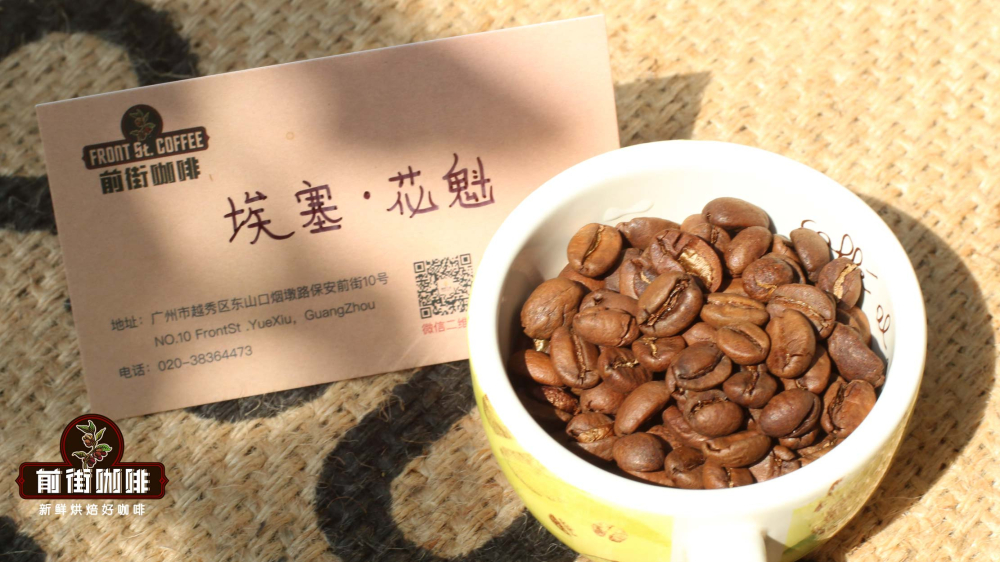
What kind of coffee beans are suitable for cold brew? In fact, as long as you choose your beans wisely, cold brew usually performs quite well, and you can select based on personal preference and budget. For beginners new to cold brew, it’s recommended to try cost-effective options, such as those with prominent floral characteristics. Additionally, if you enjoy iced coffee with a fruity, wine-like flavor, you can opt for beans that have undergone honey processing or anaerobic fermentation—these beans often have rich tropical fruit notes, and after long periods of low-temperature steeping, their flavors become even more mellow, resembling the layered complexity of wine. For those who prefer less acidity, you might consider dark roast beans with a rich, aromatic profile, or balanced-flavor beans dominated by nutty notes.
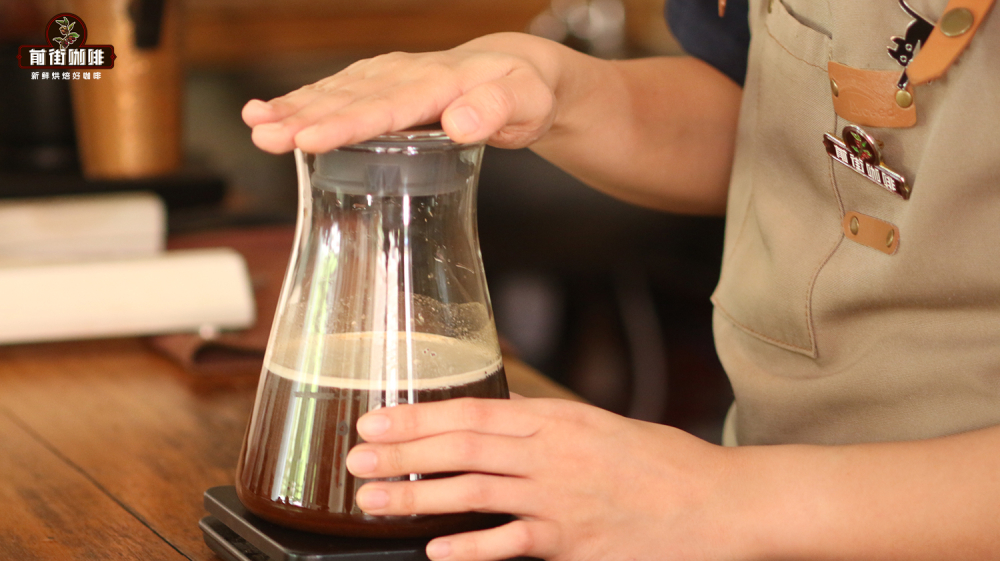
Water temperature and the movement state of coffee particles are key factors affecting extraction efficiency. In a high-temperature environment, water molecules possess higher kinetic energy, which can effectively overcome the binding forces of substances within coffee particles, accelerating dissolution. At the same time, high temperatures increase the collision rate between water and the surface of coffee grounds, resulting in more thorough extraction. Therefore, when using high-temperature pour over, a finer grind can enhance extraction speed and concentration. However, when the water temperature drops to room temperature or lower, the kinetic energy of water molecules decreases significantly, and coffee particles are more likely to clump together due to static electricity, especially when the grind is finer—this clumping becomes more pronounced, preventing the inner particles from fully contacting the water and thus reducing overall extraction efficiency.
In contrast, pour over coffee, due to the high water temperature and the impact of the pouring water stream, keeps the coffee bed in a constantly agitated state. Even with a finer grind, a relatively high extraction efficiency can still be maintained. But during the cold brew process, once the coffee grounds are mixed with water and left to steep in a low-temperature environment (usually the refrigerator), even if stirred evenly beforehand, it’s hard to avoid some particles clumping together. As a result, only the outer layer of coffee grounds effectively participates in extraction, while the inner layers are barely utilized.
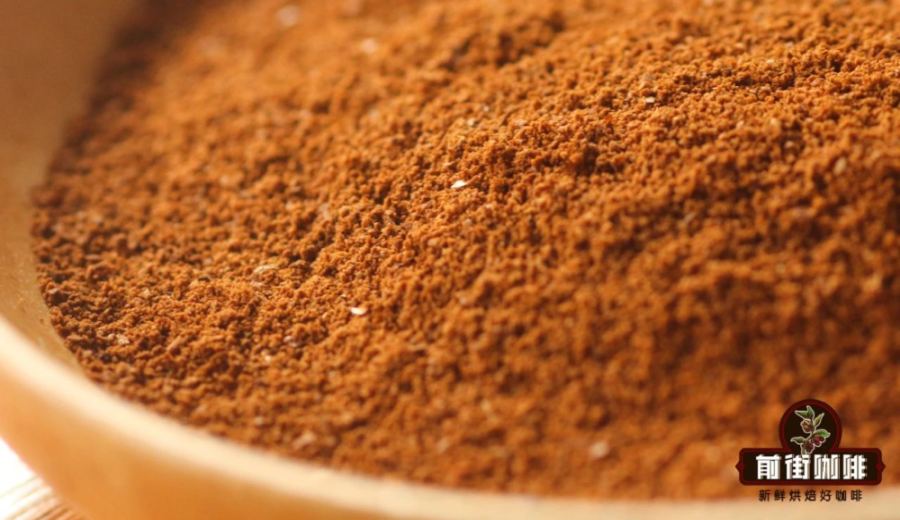
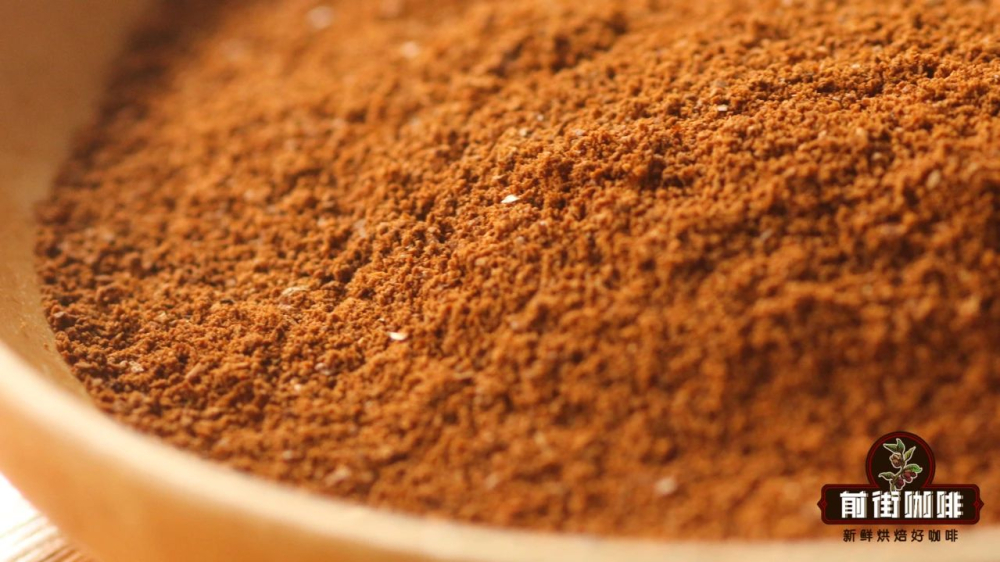
So, does coarsening the grind really improve the extraction efficiency of cold brew? To test this, we conducted a comparative experiment: using coffee beans from the Yirgacheffe region of Ethiopia, with the same amount of water and container, and a 1:10 coffee-to-water ratio (30 grams of coffee grounds to 300 milliliters of water), we performed extractions at two different grind sizes—one using EK43s#9 (fine grind) and the other EK43s#10.5 (coarse grind)—both steeped for 16 hours in a refrigerator. After extraction, we measured the total dissolved solids (TDS) content of the coffee liquid using a standard concentration meter.
The experimental results showed that the TDS of the cold brew made with a fine grind was 2.10%, while the coarse grind reached 2.20%, indicating that the coarser grind achieved a slightly higher extraction concentration under these conditions. In terms of flavor, the fine grind version exhibited bright citrus acidity, honey sweetness, and a soft tea-like finish; whereas the coarse grind version displayed stronger citrus acidity, richer sweetness, and a clearer tea note, with an overall flavor reminiscent of unsweetened lemon tea—layered and smooth. This experiment also addresses many readers’ questions: How can you brew a cold brew with sufficient concentration for making specialty mixed drinks, without having other ingredients overpower the inherent coffee flavors? It is suggested that if you want the cold brew itself to have a strong enough flavor without needing additional dilution, you can use a fine grind with a 1:13 to 1:15 coffee-to-water ratio to achieve a balanced outcome.
It’s important to note that while adjusting grind size can influence extraction rate and concentration, this strategy isn’t universally applicable to all bean varieties or cold brew methods. If the coffee beans are roasted too lightly or too darkly, excessively increasing the grind coarseness may instead bring out unpleasant sharp acidity or overly heavy bitterness. Moreover, some commercially available electric cold brew bottles use internal mechanisms to continuously shake the filter, keeping the coffee bed suspended—such devices are better suited for finer grinds to ensure uniform and thorough extraction.
This article’s experiments are based on common home or shop-style cold brew methods. If you’re using different equipment or adjusting steeping times, you can also fine-tune the grind and ratios according to the principles above to find the cold brew extraction method that best suits your taste.
The above content is compiled by CoffeeHunters, a coffee news website.


