








Introduction:Want to enjoy a refreshing yet layered iced coffee on a hot summer day? Cold brew coffee is beloved for its simple brewing process and clean flavor profile. This article delves into the extraction principles of cold brew, explaining why medium to medium-light roasted beans are more suitable, and recommends several representative single-origin beans with flavors ranging from floral to berry. It also details key parameters such as coffee-to-water ratio, grind size, steeping time, and filtration techniques, along with answers to common questions like room-temperature brewing feasibility and shelf life—helping you easily brew professional-grade cold brew at home.
In the sweltering summer heat, a chilled cold brew coffee is often a lifesaver for coffee enthusiasts. Compared to methods like ice pour-over, ice drip, or iced Americano, cold brew not only has a lower barrier to entry but can also be easily made at home with just simple tools and steps. This article starts with the basic principles of cold brew, analyzing why choosing medium to medium-light roasted beans better highlights their refreshing characteristics. It also curates a selection of distinctive beans, from fruity and floral notes to creamy textures, catering to various taste preferences. Additionally, it explains key parameters such as coffee-to-water ratio, grind coarseness, steeping duration, and filtration methods, while addressing common concerns like room-temperature brewing and refrigerated shelf life—ensuring you can consistently produce clean, layered iced coffee.

As temperatures rise, iced coffee naturally becomes a daily staple for many. The market offers a wide variety of iced coffee options, from ice pour-over and ice drip to iced Americano and iced latte, each with its own following. However, if you want to easily enjoy a rich yet cool cold brew coffee at home, mastering just a few basics is all it takes to get started. This article focuses on the preparation method of cold brew coffee—a brewing technique that involves steeping coffee grounds in cold water for an extended period, requiring minimal equipment and simple operation.
Cold brew, as the name suggests, is a method of extracting coffee flavors through prolonged immersion in cold water. Due to the lower water temperature, bitter and heavy compounds that are typically released at higher temperatures are less likely to be extracted. Instead, the sweet and acidic notes of the coffee are preserved, resulting in a cleaner and more refreshing overall taste. For this reason, medium-dark roasted beans often fail to showcase their best qualities, whereas medium to medium-light roasted beans with floral and fruity profiles can bring out bright, pleasant aromas and layers. Therefore, it’s recommended to choose beans with flavors leaning toward berries, citrus, or flowers for cold brewing.
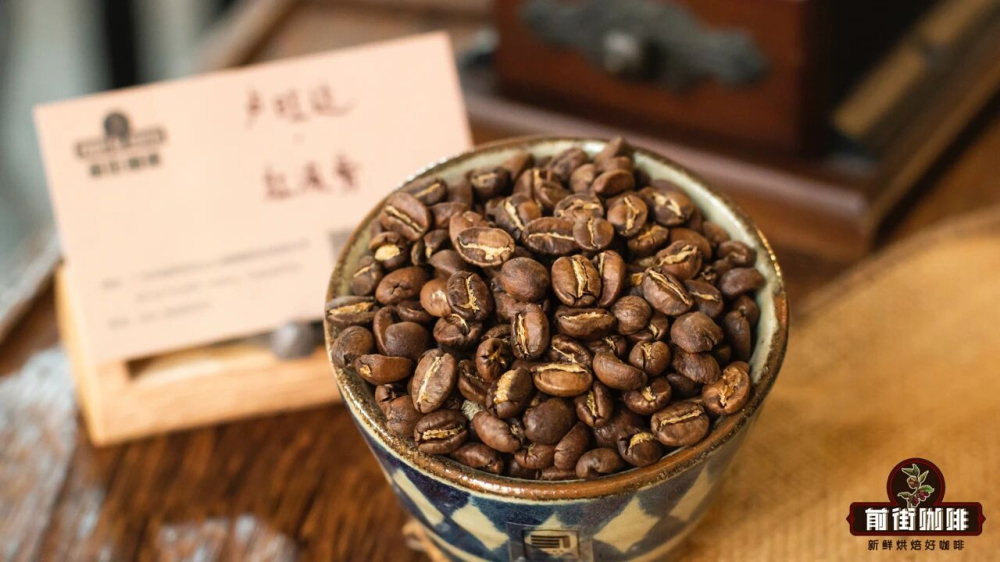
Here are several beans with distinct flavor profiles, suitable for cold brew: First is a brand’s Rwanda Red Bourbon, featuring prominent notes of berries, flowers, citrus, and nuts; Huakui showcases sweet flavors of cream, strawberry, guava, citrus, and tropical fruits; Pococí Gesha excels in jasmine, green tea, lemon, and honey, with a soft and uniquely aromatic profile; Guodingding highlights a balance of berries, citrus, tea-like notes, and yellow lemon; Kafa Forest presents layers of flowers, orange, and creamy nuts; Kenya combines tangy fruitiness of cherry tomatoes, dark plums, pears, and black plums; Washed Yirgacheffe offers a fresh aroma of white flowers, green tea, and lime; while Yirgacheffe Red Cherry Natural boasts a rich medley of red berries, citrus, mango, and floral notes.
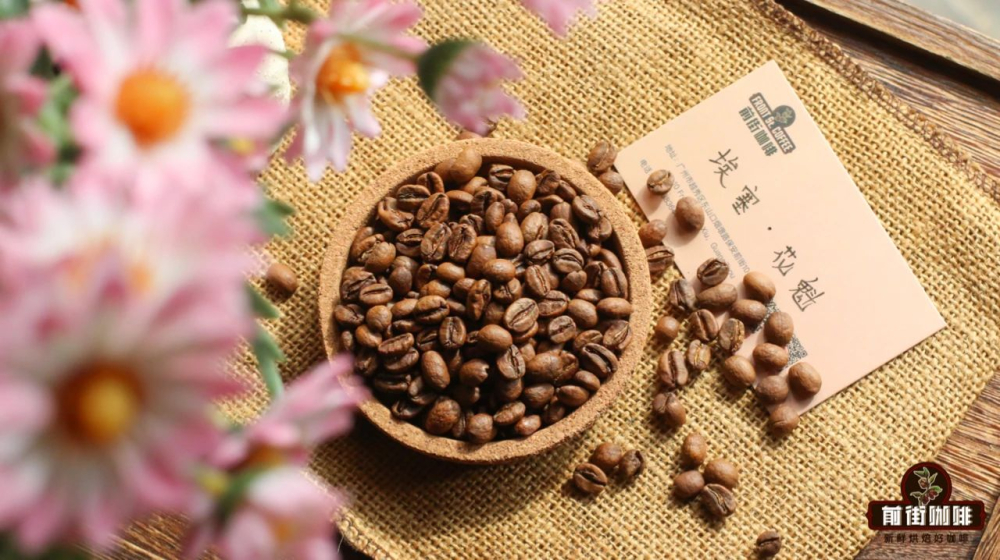
Making cold brew coffee at home is incredibly simple, requiring no expensive equipment or complicated steps—just a clean, airtight container to get started. For grind size, it’s recommended to aim for a coarseness similar to hand pour-over, roughly the size of fine sugar. If you don’t have a grinder at home, you can ask a café to grind the beans for you or pre-order ground coffee from a bean retailer. Note that coffee freshness significantly impacts extraction flavor, so it’s best to use freshly roasted beans within five days of roasting, and specify “cold brew grind” if needed to ensure the grind size suits cold brew requirements.
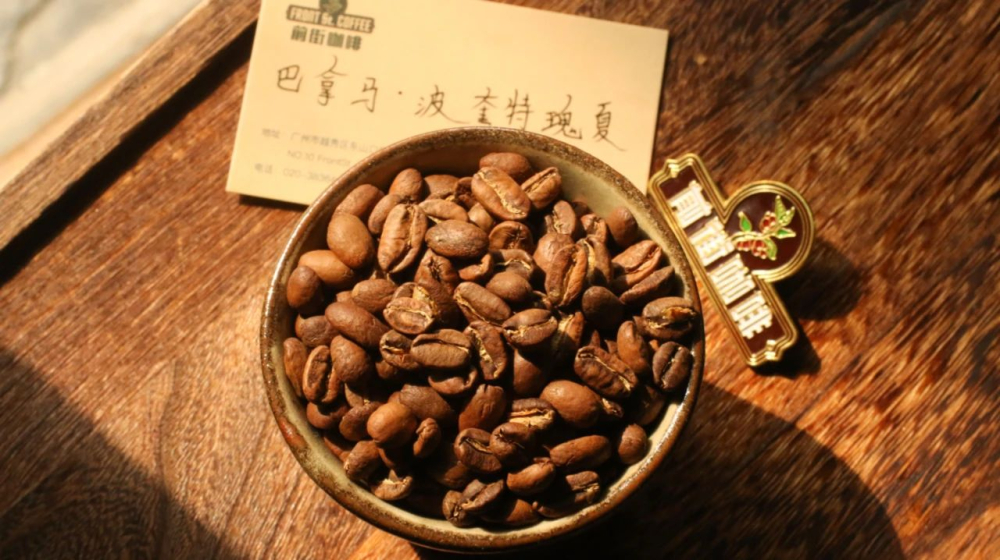
For actual brewing, it’s recommended to use 40 grams of coffee grounds with 520 milliliters of room-temperature or ice water, at a coffee-to-water ratio of about 1:13. Stir the grounds and water thoroughly to ensure every particle is saturated, then seal the container and place it in the refrigerator’s chill compartment for 8 to 12 hours of low-temperature steeping. After steeping, filter the coffee liquid using a pour-over dripper with paper filters or a fine mesh sieve to complete your clean-tasting cold brew. This process is not only beginner-friendly with minimal technical demands but also highly forgiving, making it perfect for first-timers.
As for whether cold brew can be done at room temperature—the answer is no. To ensure optimal extraction and flavor, cold brew is best performed in a refrigerated environment. Once brewed and filtered, the coffee liquid is recommended to be stored in the refrigerator for about 72 hours to maintain its freshness and flavor complexity.
The above content is compiled by CoffeeHunters, a coffee news website.


