







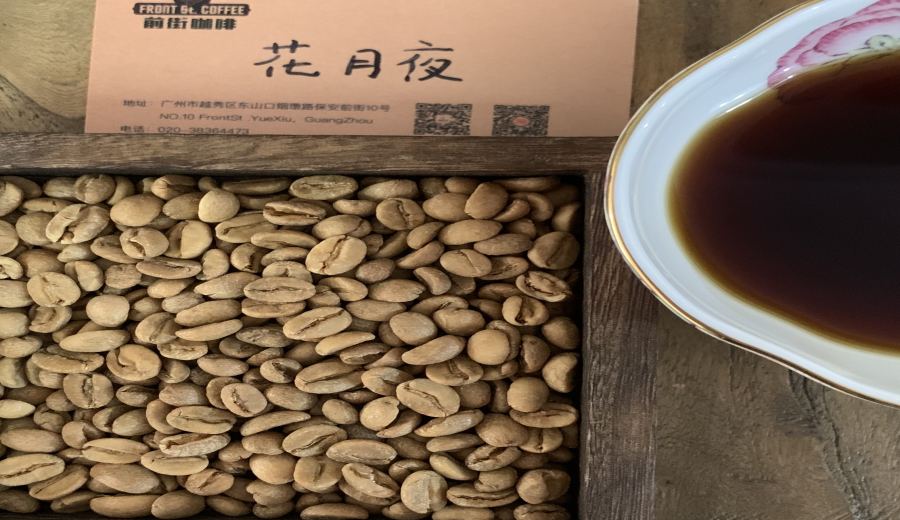
Introduction:To gain a deeper understanding of the differences between anaerobic natural and washed processing methods, you might want to start with two popular pour over beans: Colombia Huila Fleur de Lune and Yirgacheffe. The former is known for its jammy and strawberry aromas, while the latter showcases bright citrus notes and a tea-like profile. This article provides a detailed comparison from origin background, processing methods, to actual pour over flavor profiles, helping you make the best choice based on your taste preferences, while also mastering brewing tips for different processing methods.
In the world of specialty coffee, the processing method plays a crucial role in the final flavor profile of the coffee. Take Colombia Huila Fleur de Lune and Yirgacheffe, two classic pour over beans, as examples — they employ anaerobic natural and washed processing respectively, resulting in distinctly different flavor profiles. If you’re a coffee lover who prefers sweet fruity notes and rich layered flavors, Fleur de Lune will definitely impress you. On the other hand, if you lean more toward clean, bright flavors with floral and tea-like characteristics, Yirgacheffe is a great choice.
Colombia Huila Fleur de Lune comes from the Huila region, which is known for its stable climate and high-altitude environment, conducive to growing coffee beans with high complexity. This bean is 100% Arabica and has undergone strict selection to ensure quality and consistency in every bean. Notably, Fleur de Lune uses the anaerobic natural processing method — a technique that enhances flavor by controlling the fermentation environment. During processing, the coffee cherries first undergo a three-day anaerobic fermentation in a low-temperature, oxygen-free sealed stainless steel container. This environment slows down the breakdown of mucilage, allowing sugars and acids to integrate more fully, resulting in a more balanced flavor profile with a more pronounced sweetness. After fermentation, the beans are transferred to raised beds for traditional sun drying, ultimately developing intense strawberry and jam aromas, along with a captivating winey chocolate finish.
When actually brewing Fleur de Lune using pour over, you can often detect distinct strawberry acidity, followed by a jam-like dense sweetness on the palate, and a cocoa-rich, balanced finish. The overall experience is akin to drinking a concentrated fruit juice — layered and vibrant. For brewing, it’s recommended to use medium-light roast parameters, with a grind size around medium-fine (e.g., for a V60 filter, adjust to the size of fine sugar), and water temperature controlled at 90–92°C. A multi-pour method can better extract its fruity and sweet characteristics.
In contrast, Yirgacheffe exhibits a completely different flavor personality. As a representative region of Ethiopia’s southern Gedeo zone, Yirgacheffe has long been famed for its unique citrus, lemon acidity, and jasmine floral notes. This classic washed processed bean removes the flesh and mucilage layers, then undergoes short-term fermentation in a clean water circulation tank before washing, resulting in extremely high purity and a bright, clean acidity. Brewed Yirgacheffe often carries refreshing lemon and bergamot-like fruit acidity, with mid-palate notes of delicate jasmine and white floral aromas. The mouthfeel is clean and refreshing, with an aftertaste reminiscent of lightly brewed green tea — making it highly suitable for those who enjoy bright acidity and tea-like profiles.
In actual pour over performance, Yirgacheffe typically presents a light body and vivid citrus character. The acidity is lively yet not harsh, followed by delicate floral notes and subtle sweetness. The overall flavor line is clear, with a clean and lingering aftertaste. It’s recommended to use a medium-fine grind (for a V60 filter, aim for a size close to sugar granules), with water temperature set at 88–90°C to reduce the risk of over-extraction and preserve its delicate acidic and aromatic qualities. A brew time of around 2 minutes is advisable, and a multi-pour method helps achieve balanced flavor release.
Overall, Colombia Huila Fleur de Lune and Yirgacheffe each excel in their own way when it comes to pour over brewing. The former, thanks to its anaerobic natural fermentation process, delivers a rich, sweet, and fruit-forward drinking experience, ideal for coffee lovers who enjoy complex layers and a sweet finish. The latter showcases the soul of Ethiopian coffee through washed processing, highlighting bright acidity and floral notes, perfect for those who prefer a clean taste and tea-like characteristics. Whether you’re a beginner just starting with pour over or an advanced enthusiast seeking flavor contrasts, these two beans are highly representative choices that can also help you better understand how different processing methods influence the final flavor profile of coffee.
The above content is compiled by CoffeeHunters, a coffee news website.


