







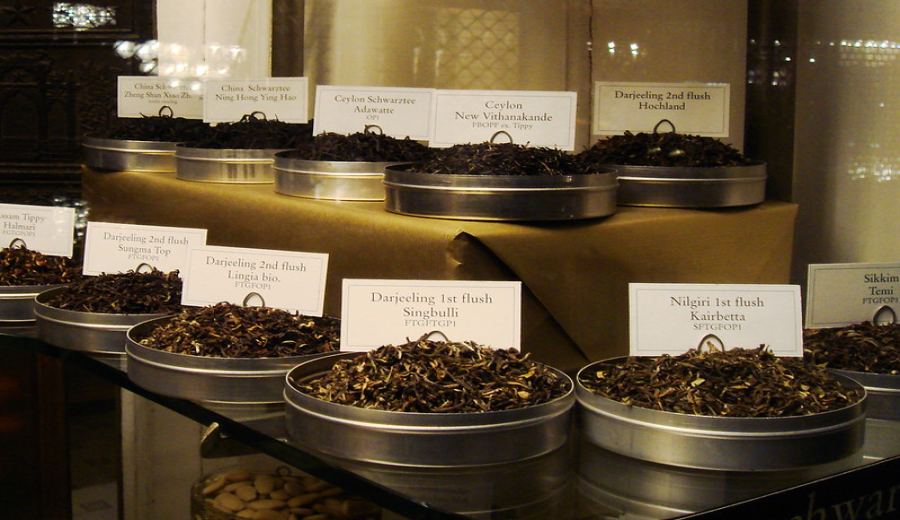
Introduction:Darjeeling tea is categorized by harvest season into First Flush, Second Flush, Monsoon, and Autumnal Flush. Each season yields distinct characteristics in price, flavor, and quality due to varying climate conditions and tea growth environments. This article provides a detailed breakdown of the four main flushes — from market pricing and flavor profiles to ideal consumer profiles — helping you choose the most suitable Darjeeling black tea based on your preferences and budget, thereby elevating your tea tasting experience.
What makes Darjeeling tea so captivating isn’t just its unique microclimate, but also the fact that it’s divided into specific harvest seasons: First Flush, Second Flush, Monsoon, and Autumnal Flush. The flavor direction, quality performance, and market price vary significantly between each season. Understanding these differences is more practical than simply discussing “which flush,” and can help you make more precise choices.
First,First Flush Tea(typically harvested between March and April) is considered the finest among Darjeelings. At this time, the tea bushes have just emerged from their winter dormancy, and the new buds are rich in nutrients. The resulting liquor features delicate flavors with unique fresh floral notes and a slight astringency. However, First Flush tea is produced in very limited quantities, and its flavors can fade quickly over time. It is recommended to enjoy it within a few months of harvest, with the optimal drinking window usually before July. Due to its rarity and refined flavor profile, First Flush tea commands the highest price among the four flushes, making it a top choice for experienced tea enthusiasts or collectors.
Next isSecond Flush Tea(around May to June), which is widely regarded as the most full-bodied and flavorful of the Darjeeling harvests. By this time, the tea leaves have matured and received ample sunlight, often exhibiting rich citrus notes, particularly reminiscent of muscatel-like fruity aromas. It is often seen as the representative of the “classic Darjeeling flavor.” The aroma of Second Flush tea is bold and layered, with a smooth and robust liquor. It is not only excellent for drinking straight but also makes an ideal base for milk tea blends. This season’s tea offers relatively good value for money, making it a popular choice among many black tea lovers.
Then comesMonsoon Tea(July to September). During this period, influenced by the southwest monsoon, frequent rainfall leads to rapid tea leaf growth but limited nutrient accumulation. As a result, the liquor tends to be lighter in flavor with less pronounced aroma layers, often considered the most ordinary among the four flushes. Many consumers classify it as “lower-grade” tea. However, with careful brewing, one can still appreciate Monsoon tea’s unique softness and approachable taste, making it suitable for beginners trying Darjeeling for the first time or as an everyday drinking tea. Additionally, Monsoon tea is usually the most affordable, offering a lower barrier to entry for exploring Darjeeling flavors.
Finally, there isAutumnal Flush Tea(October to November). During this season, the weather turns cooler and drier, slowing down leaf growth and resulting in a thicker leaf body and more stable flavor structure. Autumnal Darjeeling often carries a gentle sweetness and subtle muscatel finish, similar in tone to Second Flush but with a more restrained and rounded overall expression. While it may not be as aromatic as Second Flush, its fuller body and good infusion stability, along with more reasonable pricing, make it a great option for those who enjoy a rich taste without wanting to spend too much.
In summary, Darjeeling’s four main flushes each have their own unique appeal. Whether you’re drawn to the fresh delicacy of First Flush, the bold aromas of Second Flush, the easy-drinking nature of Monsoon, or the robust smoothness of Autumnal Flush, there’s something to satisfy different palates. Tea enthusiasts are encouraged not to fixate on the idea of “which season is best,” but to try teas from each flush personally to discover the one that suits their taste best. Only through actual tasting can one truly appreciate the diverse and fascinating world of Darjeeling black tea.
The above content is compiled by CoffeeHunters, a coffee news website.


