







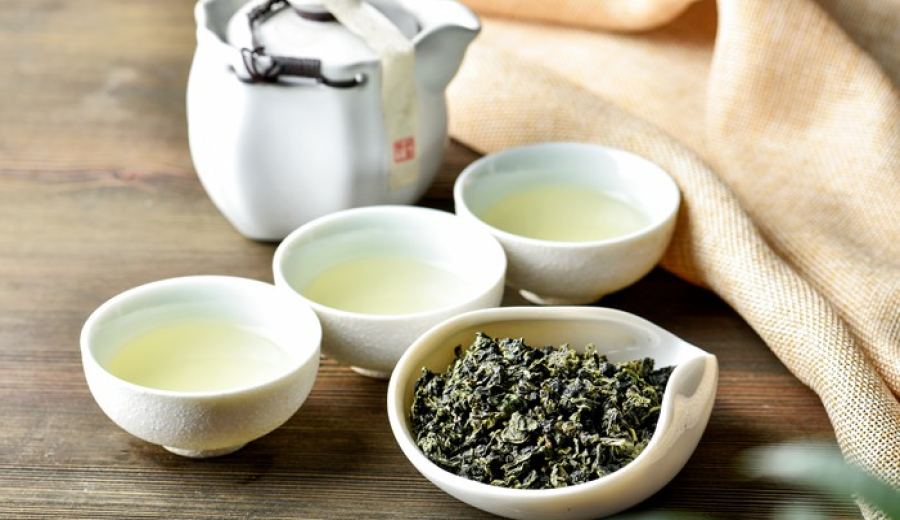
Introduction:As one of the representative varieties of Chinese oolong tea, Tieguanyin is renowned for its unique aroma and lingering aftertaste. This article begins with the origin legend of Tieguanyin, delves into an in-depth analysis of its tea plant variety characteristics and traditional production techniques, and compares the flavor differences between the two major regional types—Anxi and Muzha. It also explores how roasting levels and harvest seasons influence the tea liquor’s expression, helping tea enthusiasts grasp the essence of this classic oolong tea more comprehensively.
Tieguanyin is an extremely representative tea within Chinese oolong, characterized by its tightly rolled spiral shape, clear and bright tea liquor, and natural floral aromas reminiscent of orchids or osmanthus. Upon tasting, it delivers a distinct and long-lasting sweet aftertaste. This tea is made from a unique tea plant variety whose leaves resemble peach leaves in shape, with slightly slanted leaf tips and often a faint pinkish hue at the center. These features contribute to Tieguanyin’s distinctive aroma and flavor profile.
There are two widely circulated folk tales about the origin of Tieguanyin. One tells of a poor farmer named Wei who diligently swept the village temple daily. One day, he encountered a supernatural phenomenon inside the temple and later discovered a peculiar tea seedling in a nearby cave. He brought it back, carefully cultivated it, and produced tea with a uniquely flavorful taste, which helped improve his hometown’s economy. Another legend involves a scholar surnamed Wang, who found a wild tea tree beneath Guanyin Rock. After transplanting it, he found the tea to be extraordinary and presented it to Emperor Qianlong, who highly praised it—leading to its spread. Though their authenticity is unverifiable, these stories add rich cultural significance to Tieguanyin.
Tieguanyin is primarily produced in Anxi County, Fujian Province, China, and falls under the oolong tea category. The resulting tea leaves are tightly twisted, forming spirals or hemispheres, and the tea liquor boasts bright floral notes with a mellow and long-lasting sweet aftertaste. The tea plant variety used to produce Tieguanyin is distinctive, with leaves resembling peach leaves, slightly wavy edges, slightly upturned tips, and often a pale pinkish color in the leaf center—key features for identifying this variety.
In terms of cultivation and harvesting, Tieguanyin generally uses mature leaves rather than tea buds. During picking, three to four mature leaves along with their stems are typically plucked from each tea shoot to ensure rich content within the leaves. Traditionally, harvesting occurs in autumn rather than concentrating in spring like many other teas, which contributes to Tieguanyin’s more subdued and layered aroma.
During production, fresh leaves first undergo sun withering. This step requires spreading the leaves and turning them roughly every two hours to facilitate moisture evaporation, with the overall withering process lasting around six to ten hours until the leaf edges turn reddish-brown and the leaf centers yellow—signaling readiness for the next stage. Next comes the oxidation (or fermentation) phase, where the leaves are usually left to oxidize overnight, allowing internal enzymes to fully interact with oxygen, producing complex aromatic compounds. The leaf color gradually turns deep brown or nearly black. Once oxidation is complete, the leaves are transferred to a pan for fixation via high heat, halting enzyme activity and preserving the desired flavor compounds.
While still warm after fixation, the leaves are immediately rolled into tight hemispherical or spiral shapes—a step crucial to the tea’s final appearance and flavor release. Subsequently, the tea undergoes roasting. Depending on the roasting level, it is categorized into light, medium, or heavy roast, and is then packaged for market.
Based on origin and production method, Tieguanyin can be divided into two main types: Anxi and Muzha. Anxi Tieguanyin typically features fresh floral notes, a golden-yellow liquor color, and a flavor profile closer to green-tea-style oolong, offering a refreshing taste. In contrast, Muzha Tieguanyin undergoes heavier roasting, resulting in a reddish-brown liquor with intense baked aroma and nutty undertones, yielding a richer and more robust mouthfeel. Additionally, seasonal variations affect quality: autumn-harvested tea is generally more fragrant and full-bodied, often considered the highest-quality representation, while summer tea, due to hot weather, is often regarded as slightly inferior in quality but more affordable.
Roasting level is another key factor influencing Tieguanyin’s flavor. Lightly roasted Tieguanyin (such as the commonly seen Jadeite Tieguanyin) retains more of the tea’s original fresh fruity and floral aromas, with a greener liquor color, making it suitable for those who prefer lighter-tasting brews. Medium to heavy roasting, on the other hand, imparts caramel, nutty, and even woody notes, darkening the liquor and creating a more intense and robust flavor.
Overall, Tieguanyin stands out as a classic oolong tea among many tea enthusiasts, thanks to its vivid floral notes and sweet, lingering finish. Whether enjoyed through traditional gongfu tea ceremonies or simply brewed and shared with friends, it showcases its versatile and captivating tea character. Understanding its cultivation background, production techniques, and type variations helps deepen one’s appreciation for the nuanced changes in each brew.
The above content is compiled by CoffeeHunters, a coffee news website.


