







Introduction:The aroma and flavor of black tea largely depend on its production process. Orthodox and CTC are two mainstream manufacturing methods. The former emphasizes the integrity of tea leaves, resulting in complex layers of flavor, while the latter prioritizes efficiency and bold taste, making it suitable for quick brewing. This article delves into the procedural differences between these two techniques, helping you understand how they shape the unique flavors of black tea and enabling you to make smarter choices based on your drinking preferences.
Black tea production is mainly divided into two categories: orthodox and CTC. These two methods not only differ significantly in their processing steps but also have a critical impact on the final aroma and taste of the brewed tea. The traditional orthodox method focuses on preserving the integrity of tea leaves, using a series of meticulous steps such as withering, rolling, oxidation, and drying to maintain the original cellular structure of the leaves. This results in a brew that showcases delicate and layered aromas and flavors. In contrast, the CTC method (an acronym for Crush, Tear, Curl), developed during World War II to increase production capacity and tea density, uses machinery to quickly crush, tear, and curl the tea leaves into small granules. This accelerates the extraction of the brew, delivering a bold and astringent taste.
Tea is cultivated across thousands of plantations worldwide. Although grown on every continent, China, Japan, India, Sri Lanka (also known as Ceylon), and Taiwan (Formosa) are regarded as the five major traditional tea-producing regions. Just like wine, which is influenced by grape variety, soil, climate, and altitude, each plantation produces tea with unique flavor characteristics due to differing environmental conditions. Regardless of the type — including white, green, oolong, black, and pu’er tea — all originate from the fresh leaves of the same plant: the tea tree. The final classification of the tea depends crucially on the processing method applied after harvesting.
Among the various tea production techniques, the two most common categories are orthodox and CTC. The orthodox method, whether done manually or by machine, aims to preserve the original shape and integrity of the tea leaves as much as possible, allowing each leaf to ferment and oxidize uniformly throughout the process. In contrast, the CTC method uses specialized mechanical rollers to crush, tear, and curl the tea leaves, drastically altering their physical structure. As a result, the leaves behave very differently during subsequent oxidation and extraction processes.
Both methods can produce high-quality tea, but many tea enthusiasts and professionals generally agree that the orthodox process better highlights the tea’s subtle flavors and aromatic depth, making it the more “traditional” approach. This method not only preserves the appearance of the leaves but also retains more of the natural flavor compounds, resulting in a brew that is richer in aroma and more nuanced in taste.
The orthodox production process usually begins with selective picking, often by hand, to harvest young buds and tender leaves to ensure raw material quality. The freshly picked leaves first undergo withering, during which moisture gradually evaporates, making the leaves soft and pliable in preparation for the rolling step. After withering, the leaves are gently rolled, a process that helps break down cell walls, releasing internal compounds and initiating oxidation. Oxidation is a key phase that distinguishes black tea from other types; its duration directly affects the color, aroma, and intensity of the flavor. Once oxidation reaches the desired level, the leaves are dried to halt the process and stabilize their quality, then sorted by size and shape.
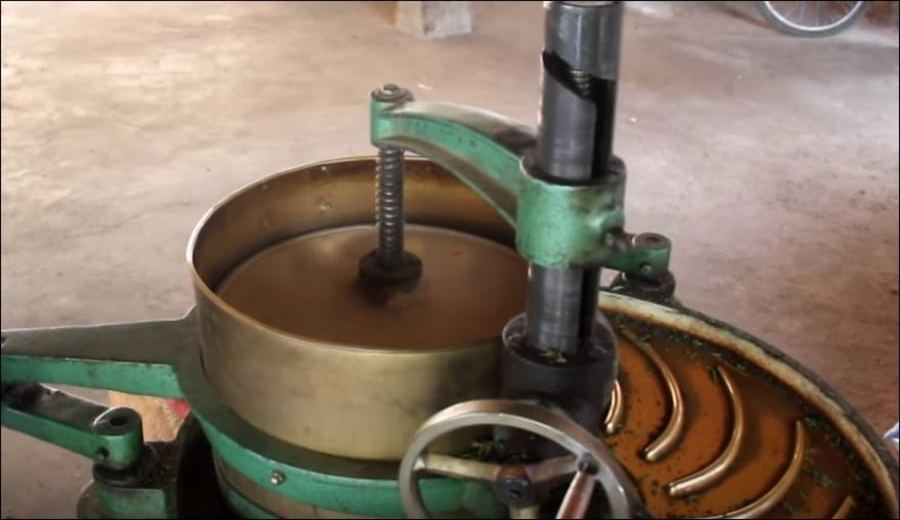
In contrast, the CTC method originated during World War II, initially aimed at increasing tea packaging density, production efficiency, and reducing reliance on manual labor. This method uses a series of cylindrical metal rollers to rapidly crush, tear, and curl withered tea leaves into fine, coffee-ground-like particles or irregular nuggets. These CTC-processed leaves then undergo oxidation before being dried. Due to the small particle size of CTC tea, its surface area is much larger than that of whole orthodox leaves, allowing the internal compounds to be released quickly during brewing. This produces a strong, astringent brew that is ideal for tea bags or quick brewing scenarios.
In terms of actual tasting experience, black teas produced via the orthodox method often feature elegant, multi-layered aromas — such as floral, fruity, or honey notes — with a smooth, mellow mouthfeel and a long-lasting finish. They are well-suited for tea drinkers who enjoy savoring the subtle details of the brew, and are best enjoyed plain to fully appreciate their refined complexity. On the other hand, CTC teas, due to their rapid release of intense flavors and strong astringency, are ideal for blending with milk, sugar, or other flavorings to make milk tea or flavored drinks. They are also widely used in the commercial tea bag market.
Overall, choosing between orthodox or CTC-produced black tea not only influences the flavor profile of the brew but also directly relates to brewing methods and pairing occasions. Understanding the differences between these two techniques helps you select the black tea that best suits your personal taste preferences, usage scenarios, and brewing conditions — whether you’re enjoying a tranquil afternoon tea session or seeking a bold, energizing everyday drink.
The above content is compiled by CoffeeHunters, a coffee news website.


