







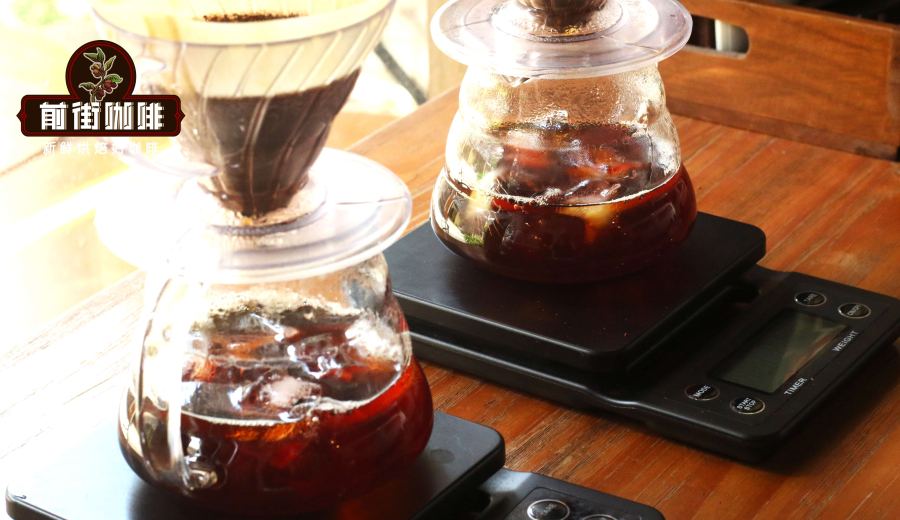
Introduction:Selecting coffee beans suitable for pour over is one of the first challenges many beginners face. This article systematically explores how to choose your first practice beans based on personal taste preferences, from the characteristics of major global coffee-growing regions and the impact of common processing methods on flavor, to the flavor profiles of different roast levels. In addition to introducing the flavor features of major regions such as Africa and Central and South America, it also details the differences between processing methods such as natural and washed, and offers practical advice and a reference bean list for beginners to help you build a systematic understanding of coffee flavors.
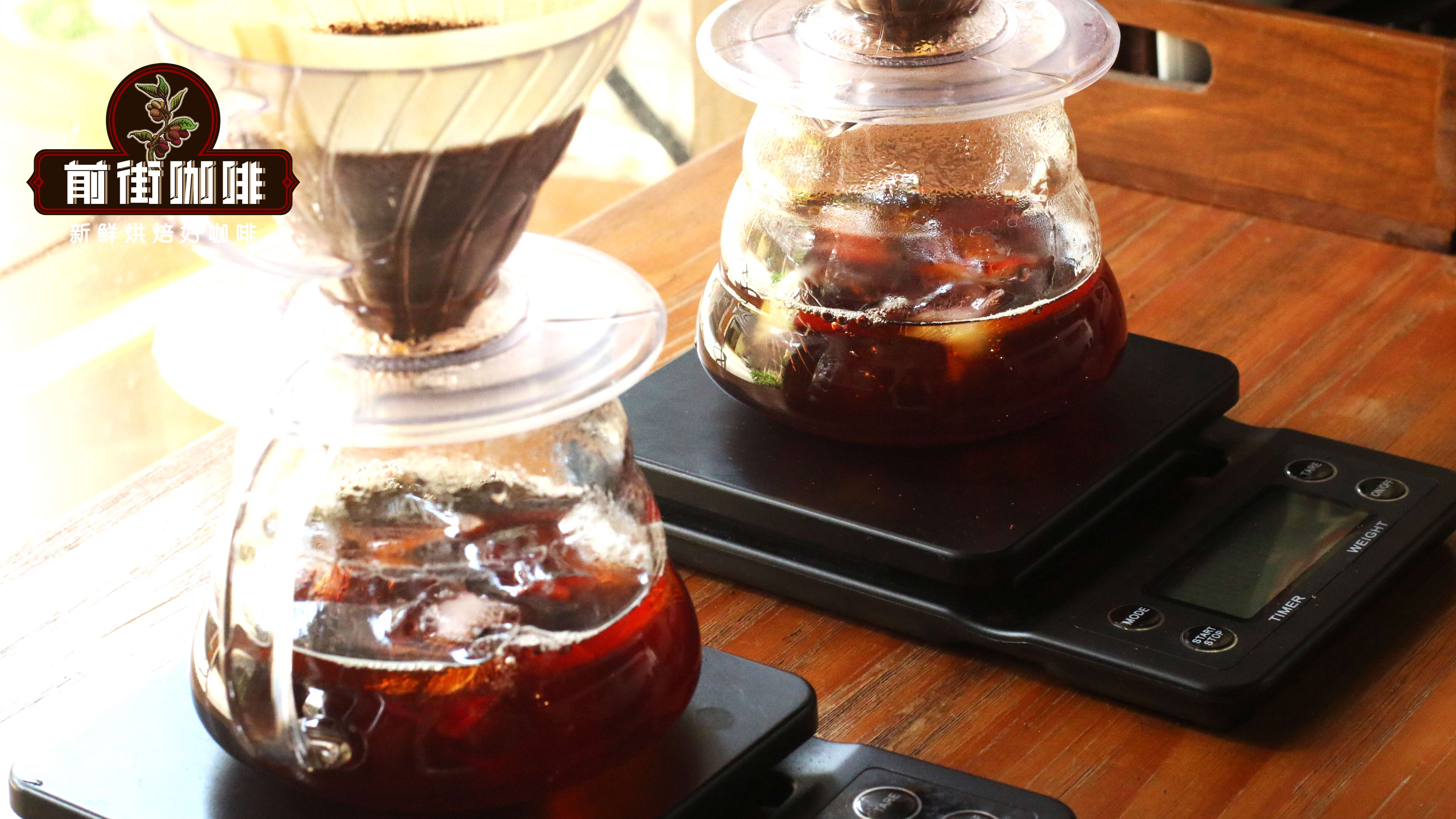
For those new to pour over coffee, the wide variety of coffee beans available can often feel overwhelming. Pour over, as a drip filtration extraction method, can clearly highlight the regional characteristics and processing style of the coffee itself, so it is recommended that beginners start with single-origin beans for practice. By observing the combined effects of different regions and processing methods, you can gradually develop a sensitivity to flavors.
The global regions suitable for growing coffee are concentrated within the "coffee belt" between 25 degrees north and south latitude, encompassing over 70 producing countries. These regions, due to differences in altitude, climate, and soil, produce distinctly unique coffee profiles. The first step in selecting beans is to clarify which geographical region’s flavor profile you prefer.
If you enjoy bright and lively acidity, accompanied by citrus, floral, or tropical fruit notes, the African regions of Ethiopia, Kenya, or Rwanda are ideal starting points. These types of beans are usually lightly roasted to highlight floral and fruity aromas along with a light body.It is recommended to observe whether the beans are plump and even, as silver skin residue is often more noticeable on light roast beans.. Several recommended entry-level beans, such as Yirgacheffe or Red Cherry, all possess distinct regional characteristics.
For coffee drinkers who prefer a rich and full-bodied mouthfeel, you might try beans from Brazil, Indonesia, or Jamaica. The coffee produced in these regions is often dark roasted, developing warm tones resembling nuts, chocolate, or caramel.Dark roast beans usually have a thicker oil layer, and care should be taken to avoid overheating during grinding.. Brazilian Cerrado and Mandheling are classic choices that showcase a rich character.
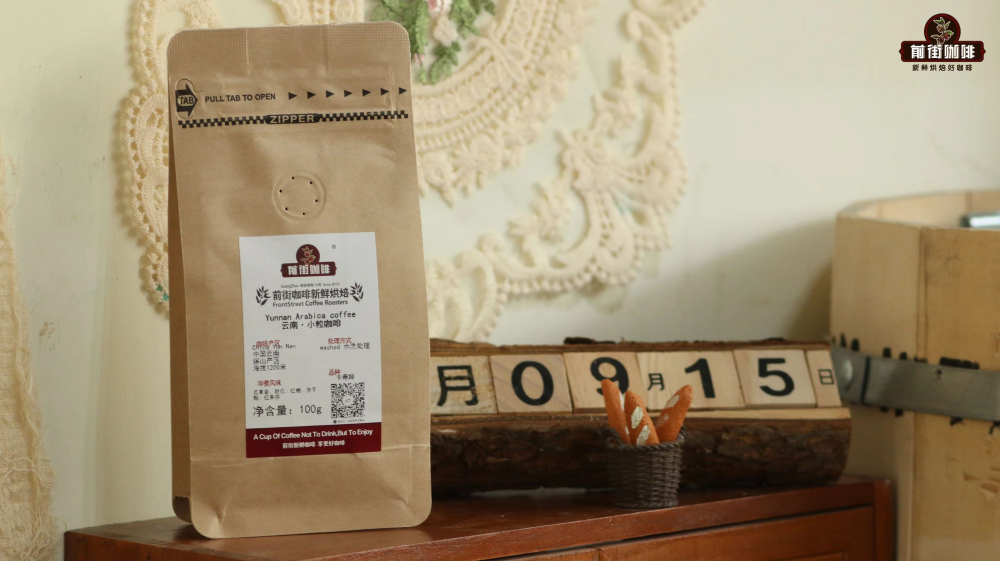
Consumers seeking a balanced flavor profile might consider coffees from Papua New Guinea, Yunnan in China, or Costa Rica. These types of coffee often perform best within the medium roast range, blending nutty, tea-like, and moderate fruity acidity.It is recommended to pay attention to flow control when choosing a filter dripper.. For example, Yunnan small-grain coffee often carries a soft fermented sweetness, making it suitable for everyday practice.
After confirming your regional preference, the choice of processing method directly influences the final flavor profile. Coffee beans from the same farm may be offered in various versions such as natural, washed, or honey processed, with each method imparting a unique taste experience.
Traditional natural processing involves drying the entire coffee cherry directly under the sun, preserving the intense sweetness and complex aromas resulting from the sugar infiltration of the fruit pulp.Natural beans typically undergo a drying period of over two weeks, so it's important to check for any off-flavors caused by over-fermentation.. Washed processing, on the other hand, first removes the fruit pulp and then uses fermentation to remove the mucilage layer, resulting in a clean and bright acidity structure. Honey processing falls between the two, retaining some mucilage to add extra sweetness and body.
Emerging anaerobic processing methods, by controlling the fermentation environment, can produce unique berry or wine-like fermentation aromas.These special processed beans usually require more precise extraction parameters.. Beginners are advised to start with basic washed and natural processes to get familiar, then gradually explore more advanced methods.
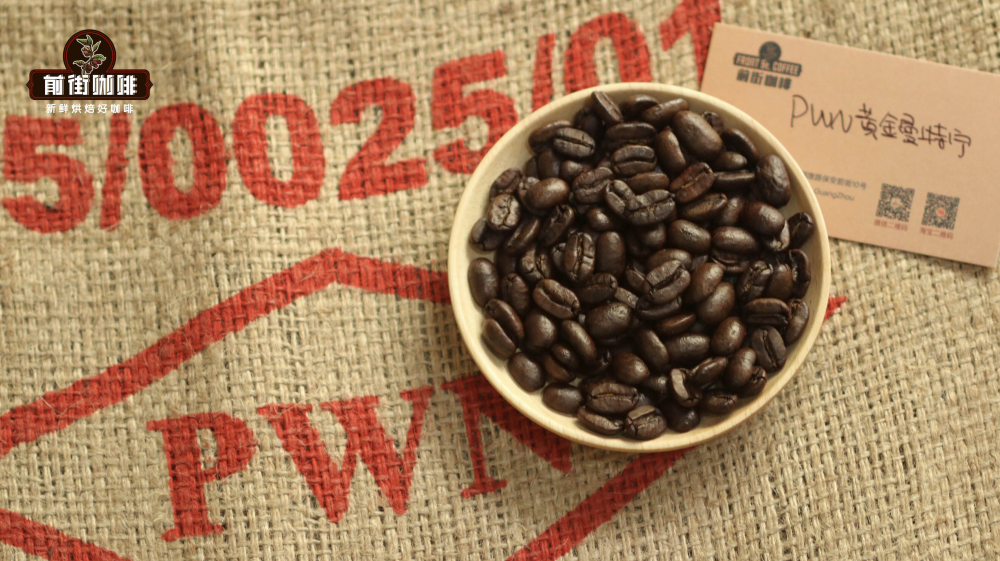
Roast level setting is another key factor determining the flavor expression of coffee. Light roast (early city roast) highlights the origin’s native flavors, such as the signature lemon acidity and jasmine floral notes of Yirgacheffe; medium roast (late city roast) balances the three elements of acidity, sweetness, and bitterness, making it suitable for most general brewing methods; dark roast (full city roast) emphasizes caramel and woody tones, with a more pronounced bitterness.
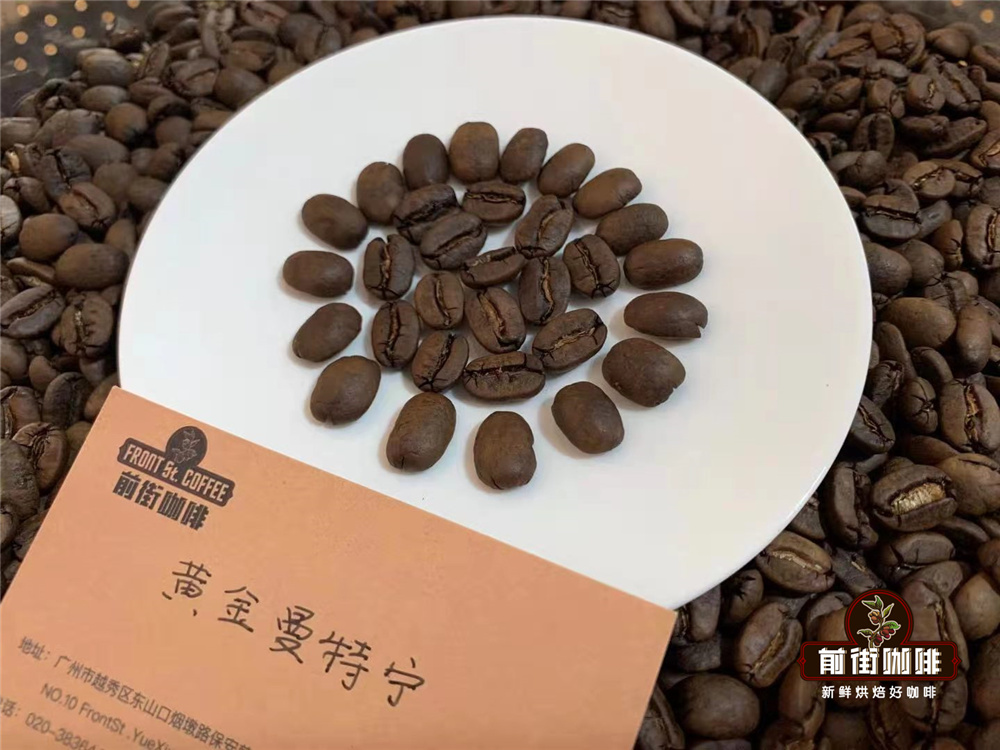
In actual brewing,it is recommended to start with medium roast daily-drinking beans to practice parameter control.. For example, classic dark roast beans such as Indonesian Golden Mandheling require slightly higher water temperature and coarser grind size to balance the rich mouthfeel. Beans of different roast levels should be paired with corresponding resting periods, typically 3–7 days after roasting being the flavor development window.
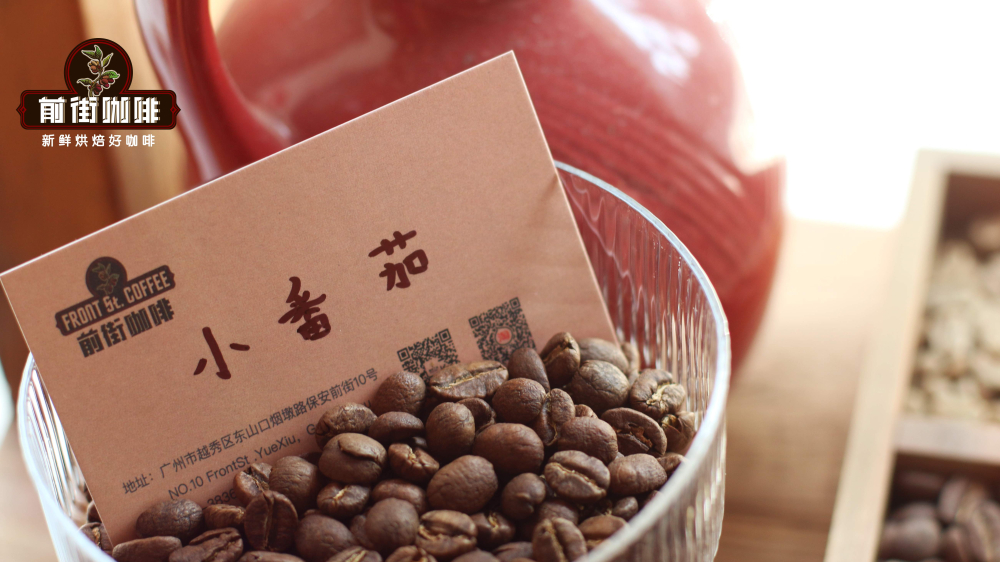
For budget-conscious beginners, there’s no need to rush into purchasing expensive single-origin estate beans. Choosing cost-effective, representative regional batches can both meet daily practice needs and gradually build a flavor database.Pay attention to the roast date, as freshness significantly impacts extraction quality.. The six provided daily-drinking beans cover major regions such as Ethiopia, Colombia, and Brazil, with each showcasing the foundational flavor characteristics of its region, making them ideal for testing your brewing skills.
In summary, beginners should follow the thought process of 'region → processing method → roast level' when selecting beans, first determining the general direction of flavor preference, then adjusting detailed parameters through actual brewing. Remember that the presentation of coffee flavors is the result of multiple variables working together. Continuously recording the bean type, parameters, and your impressions for each brew will help you more quickly find your own ideal combination.
The above content is compiled by CoffeeHunters, a coffee news website.


