







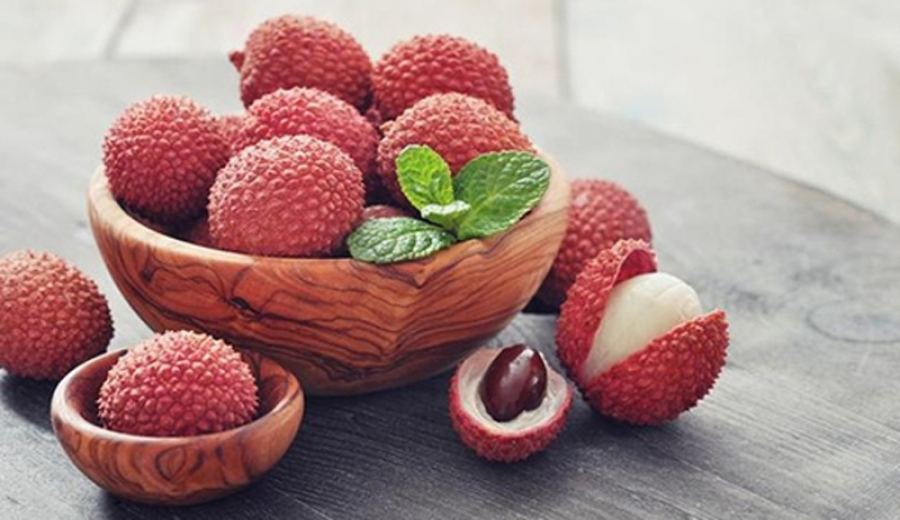
Introduction:Litchi black tea is renowned for its vibrant fruity aroma and rich tea undertones, with its distinctive flavor profile stemming from rigorous production processes and carefully selected raw materials from specific growing regions. This article delves into the craftsmanship behind combining litchi and tea, traces the historical roots of Guangxi as the authentic origin of this tea, and provides expert-level brewing parameters and equipment recommendations. Whether served hot or iced, it fully showcases its floral and fruity notes, helping you master the essence of this unique tea beverage.
Litchi black tea is a creative tea beverage that artfully blends the fresh aroma of litchi fruit with the deep undertones of tea leaves. Its charm lies in the strict control of timing and raw materials during the production process. The tea leaves are typically harvested in spring and undergo initial processing, then stored properly before being paired with freshly picked, in-shell litchi fruits during the peak summer harvest season. A slow roasting process at low heat allows the flavors of both to meld together.
A key step in the production process is slowly roasting the tea leaves and litchi together in a low-temperature environment. This process requires maintaining a steady heat to allow the natural sugars and aromatic compounds released by the litchi to gradually penetrate the tea leaf fibers, forming a unique sweet and mellow aromatic layer. The final result is a balanced profile that combines the richness of the tea liquor with the brightness of the fruit flavor.
When brewing litchi black tea, it is recommended to use a gaiwan or a medium-sized clay teapot,with hot water around 95°Cfor the rinsing (or pre-wetting) step. After the first infusion, let it steep for about 4 minutes, during which you can appreciate the complex floral and fruity aromas released by the tea liquor. Depending on personal taste preferences, you may adjust the steeping time accordingly, but it is recommended to follow the standard parameters on your first try to grasp the foundational flavor profile.
This tea beverage has a wide range of suitable drinking temperatures. Whether you enjoy it hot to savor its robust base or make it into an iced drink to highlight the refreshing aroma of litchi, its unique charm shines through. Special attention should be paid when serving it iced — avoid over-dilution by recommending concentrated brewing or adjusting the tea leaf ratio to maintain flavor integrity.
Regarding its origin, the history of litchi black tea can be traced back to Guangxi Zhuang Autonomous Region in southwestern China. The region’s subtropical monsoon climate and acidic red soil nurture high-quality litchi varieties while providing an ideal environment for tea tree growth. Tracing back to records in Tang Dynasty literature, this type of tea beverage was considered a royal court specialty, with legends linking it to the tea-drinking habits of Yang Guifei. Though legendary in nature, these stories reflect the beverage’s deeply rooted cultural significance in the local area.
During actual tasting, it is recommended to observe the color and aroma evolution of the tea liquor: the early infusions are dominated by the sweet aroma of litchi, while subsequent brews gradually reveal the floral and fruity characteristics of the tea itself. Maintaining consistent water temperature stability and infusion duration helps preserve the flavor consistency of each brew, allowing you to fully experience the multiple flavor expressions of this special tea beverage, whether served hot or iced.
The above content is compiled by CoffeeHunters, a coffee news website.


