








Introduction:Bitterness or astringency is a common issue in pour over coffee. Many people immediately suspect poor coffee bean quality, but in fact, the brewing method is the key factor. This article delves into the relationship between polyphenols and extraction levels, explains why under-extraction easily leads to noticeable astringency, and provides practical recommendations on coffee-to-water ratio, water temperature, grind size, and brew time for light roast beans. By optimizing these parameters, you can effectively improve the taste of your coffee.
During the pour over process, many coffee enthusiasts have encountered situations where their coffee has a distinct astringent taste. Many instinctively blame the beans themselves, however, experience and scientific analysis show that:it is often the brewing technique that is the main contributor to astringency.This article will start from the principles behind astringency, analyze the relationship between polyphenolic compounds and extraction levels, and explain why under-extraction makes astringency more pronounced. It will also offer practical operational suggestions specifically for light roast beans.

Objectively speaking, if the selected coffee beans are of unstable quality or improperly processed, it can indeed result in brewed coffee with strong astringency. However, in many real-world cases, the source of astringency is not the beans themselves, but rather:under-extraction leading to an excessive proportion of polyphenolic compounds,which then makes the astringent taste more prominent.
The so-called "astringency" refers to a rough, puckering sensation on the mouth and tongue when drinking coffee—like a slight tugging feeling on the oral mucosa. This phenomenon mainly occurs because coffee contains polyphenolic compounds that bind with proteins in saliva, reducing its lubricating effect and thereby creating an uncomfortable feeling in the mouth akin to "wrinkling" or "friction."
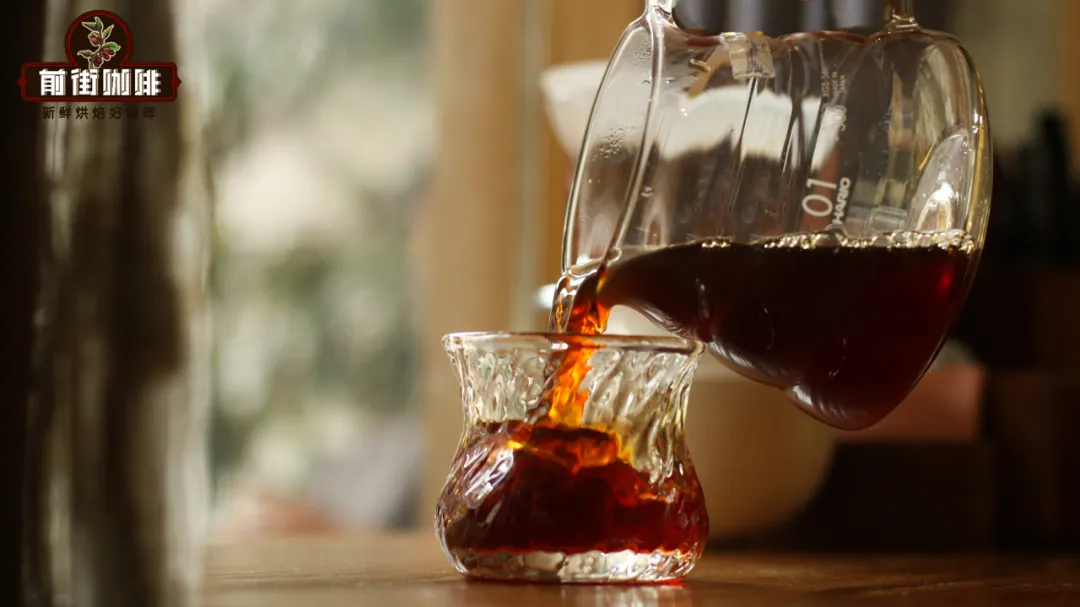
Common polyphenols in coffee include chlorogenic acid and tannic acid. When these components are present in relatively high proportions in the coffee liquid, they can easily trigger noticeable astringency. While moderate astringency can add complexity,once it becomes excessive, it can severely impair the overall drinking experience,making it especially important to understand its causes and how to adjust for it.
In most cases, the key reason astringency intensifies is "under-extraction." When coffee grounds do not fully interact with water to release enough acidic, sweet compounds, and aromatic elements, the proportion of polyphenolic compounds relatively increases, making the astringency more apparent. Although over-extraction can occasionally also bring about unpleasant astringency, the probability is relatively lower.
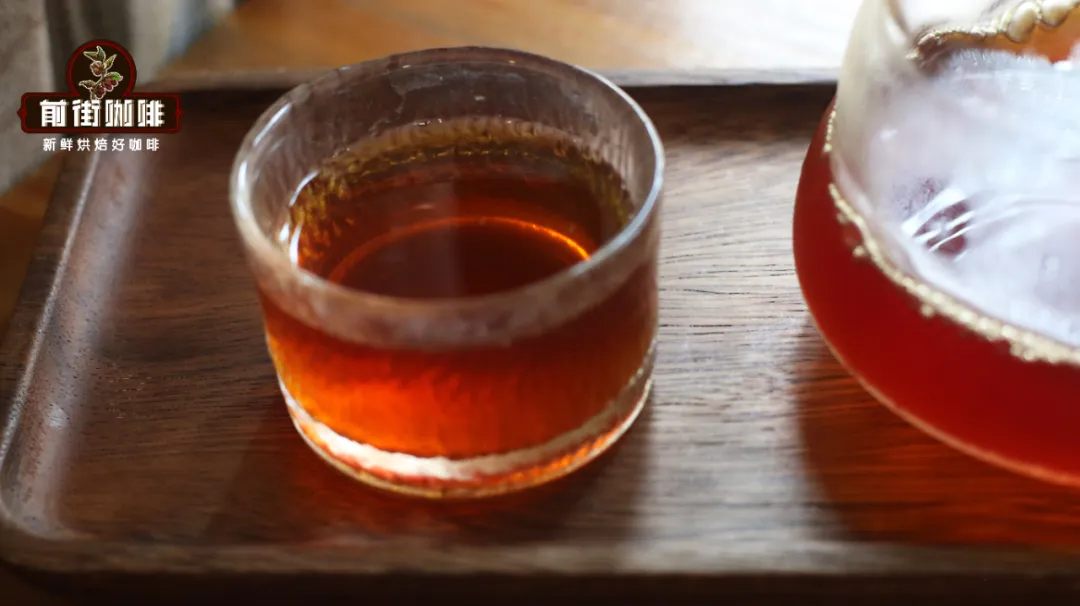
For example, if you are using light roast coffee beans but applying insufficient extraction parameters, it’s very likely that due to incomplete release of flavor compounds, the astringency will become overly prominent. Therefore, when your brewed coffee presents an unappealing astringent taste, it is advisable to first examine and adjust the extraction parameters, rather than immediately blaming the quality of the beans.
For light roast coffee beans, you can start adjusting the following key parameters:coffee dosage, coffee-to-water ratio, water temperature, grind size, and brew time.Common optimization directions include: grinding finer, moderately increasing water temperature, or extending overall brew time by switching filter baskets or adjusting brewing techniques—all of which help improve extraction efficiency and reduce astringency.
Below is a set of commonly used parameters suitable for brewing medium-to-light roast coffee beans with floral and fruity aromas, such as those from the Yirgacheffe region: recommended coffee dosage is 15 grams, coffee-to-water ratio is 1:15, water temperature is controlled between 91°C and 93°C, grind size is around 75% to 80% through a #20 sieve (similar to the coarseness of superfine sugar), brew time is suggested to be within 2 to 2 minutes and 30 seconds, using a three-pour brewing method.
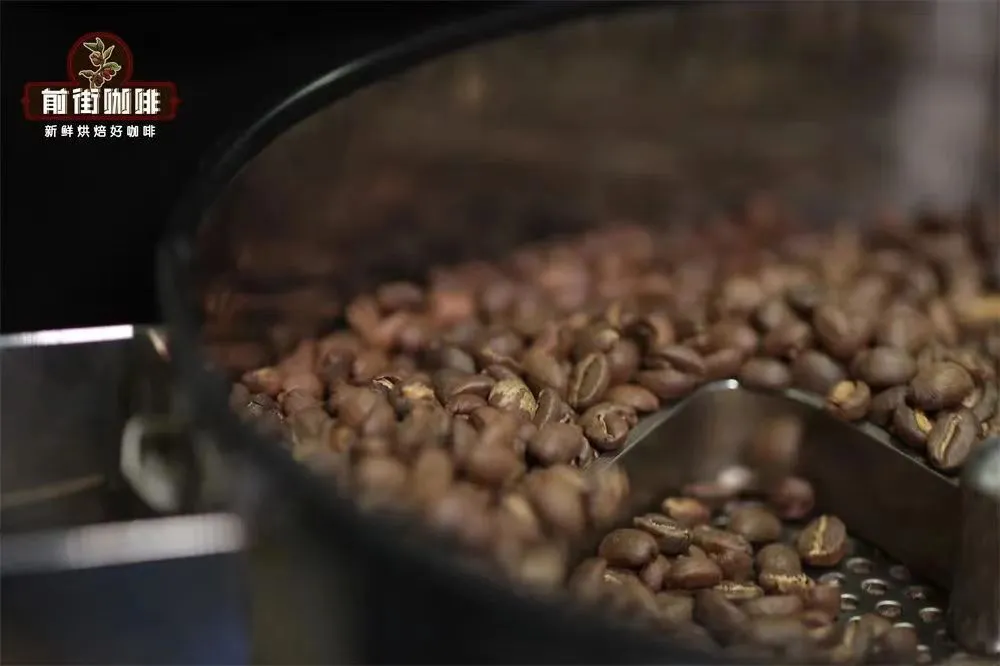
When applying this parameter set in practice—for example, using Yirgacheffe Guddina—the resulting coffee typically exhibits a balanced, soft acidity and sweetness, with a light yet full-bodied mouthfeel, along with prominent flavors of jasmine, lemon, green tea, and berries. Unpleasant astringency is almost imperceptible, making the overall cup highly satisfying.
Of course, everyone uses different coffee bean sources, brewing equipment, and has unique taste preferences, so the above parameters are for reference only. It is recommended to fine-tune according to your own conditions, and through actual brewing observation and tasting, gradually find the extraction settings that best suit your flavor preferences.

The above content is compiled by CoffeeHunters, a coffee news website.


